REVIEW · PORTO
Port wine & wine walking tour with culture – max 8 pax
Book on GetYourGuide →Operated by Viva Douro Tours · Bookable on GetYourGuide
Port wine has a way of grabbing you fast. This 3–3.5 hour Porto-to-Gaia walk mixes wine tasting with Northern Portuguese culture, from Ribeira streets to the river views.
What I like most is the small group size (max 8), which keeps the pace friendly and makes it easier to ask real questions. Another highlight for me is the way you get six wine tastes across two tastings and a family producer stop, with green wine paired into the story of Porto. One consideration: it’s still a walk in rain or sunshine, so comfortable shoes matter.
In This Review
- Key highlights you’ll care about
- From Trindade to Gaia: the walk that ties Port to everyday Porto
- Praça da Trindade start: how the pacing stays friendly
- Green wine tasting in Porto: why breakfast wine is a Northern tradition
- Ribeira strolls and a Douro DOC glass: Porto’s river-side flavor logic
- Dom Luís Bridge to Cais de Gaia: the photo moment that earns its place
- Family-owned Port tasting: three styles, nuts, and the production story
- Price, value, and who should book this Port-and-wine walk
- Should you book this Port wine & walking tour?
- FAQ
- How long is the Port wine & wine walking tour?
- Where do we meet?
- What wines are included?
- Is the tour indoors or mostly walking?
- What language is the guide available in?
- Is it suitable for everyone?
Key highlights you’ll care about
- Max 8 people means less waiting and more guide time, especially during the tastings
- Green wine + Port in one outing, so you understand why the North drinks this way
- Three Port styles from a family producer, plus nuts to go with them
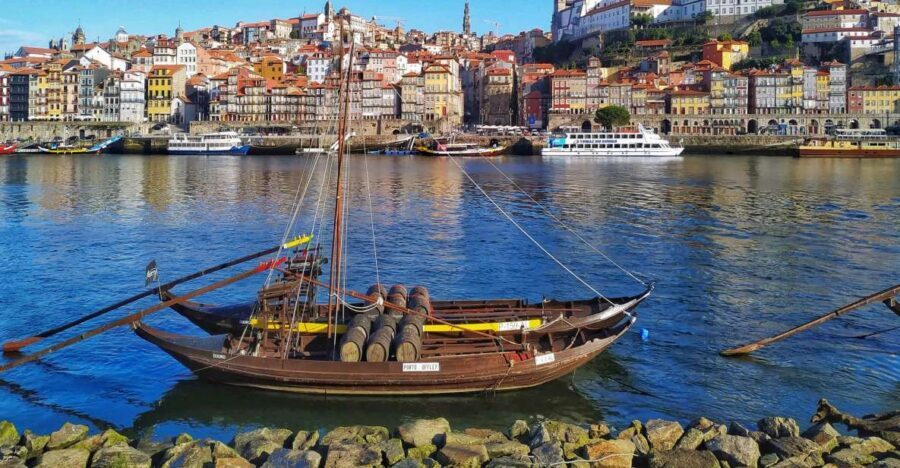
- Ribeira and Douro River viewpoints break up the tastings with real sightlines
- Douro DOC glass at the right moment, before the Port tasting ramps up
From Trindade to Gaia: the walk that ties Port to everyday Porto
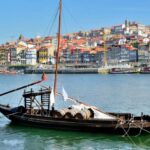
This tour works because it doesn’t treat wine like a museum. You move through Porto’s older streets, then cross the river world of Vila Nova de Gaia, and the wine story keeps matching what you’re seeing. You start in Porto, keep the walking social and manageable, then finish in Gaia at the Cais de Gaia area where the Port vibe is impossible to miss.
The timing is also sensible. In about 3 to 3.5 hours, you get enough walking to feel like you’re out with locals, but not so much that the tastings become an afterthought. That balance matters when wine is part of the point: you want time to taste and listen, not just stand around holding a glass.
The small-group cap (max 8) is more than a number. It shapes the entire experience. When there are fewer people, the guide can slow down where your questions land—whether that’s about production, what to look for in a glass, or why the North has its own drinking habits.
And yes, the big theme is green wine with Port, which sounds like a gimmick until you hear the reasoning. The guide’s job is to make the combination feel normal—part of Porto’s rhythms, not a staged pairing.
You can also read our reviews of more walking tours in Porto


Praça da Trindade start: how the pacing stays friendly
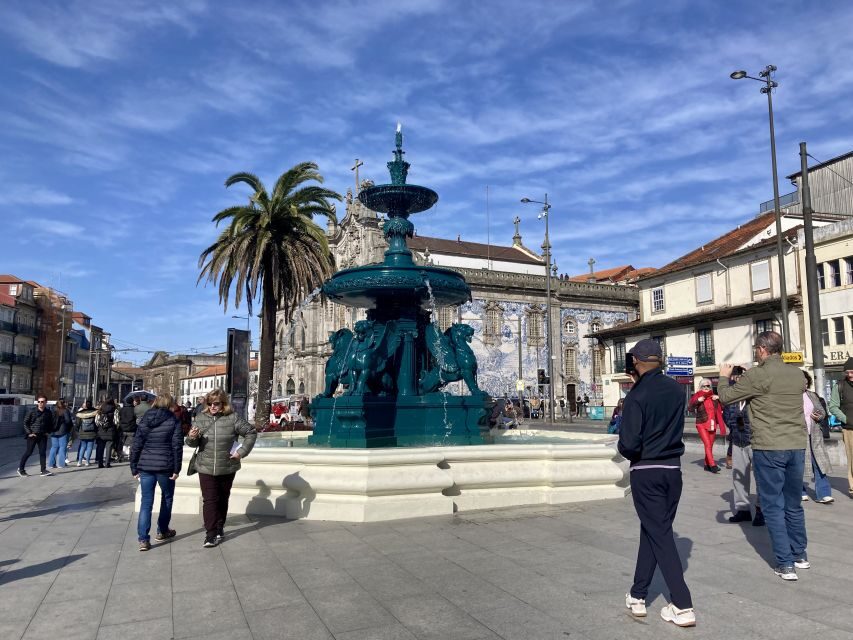
You meet at the fountain between Trindade church and the back of the city hall, near Trindade Metro Station. It’s an easy area to find, and you’re starting in the middle of Porto life rather than at some far-off departure point.
From there, the tour begins with a short guided walk (about ten minutes) to settle the group and set expectations. You’ll also want to treat this as a walking tour first, wine tour second. That means:
- Bring comfortable shoes (you’ll be moving through uneven older streets)
- Expect a relaxed but guided pace
- Plan to stay with the group during photo stops
One detail that comes up in how the tour feels: the guide often takes enough time to keep things human. In at least one case, the tour ran about an hour longer because the group was enjoying the stops and conversation. That’s a good sign. It suggests the experience isn’t rushed through like a production line.
Green wine tasting in Porto: why breakfast wine is a Northern tradition
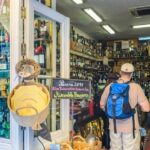
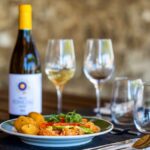
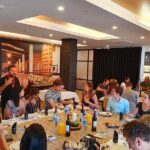
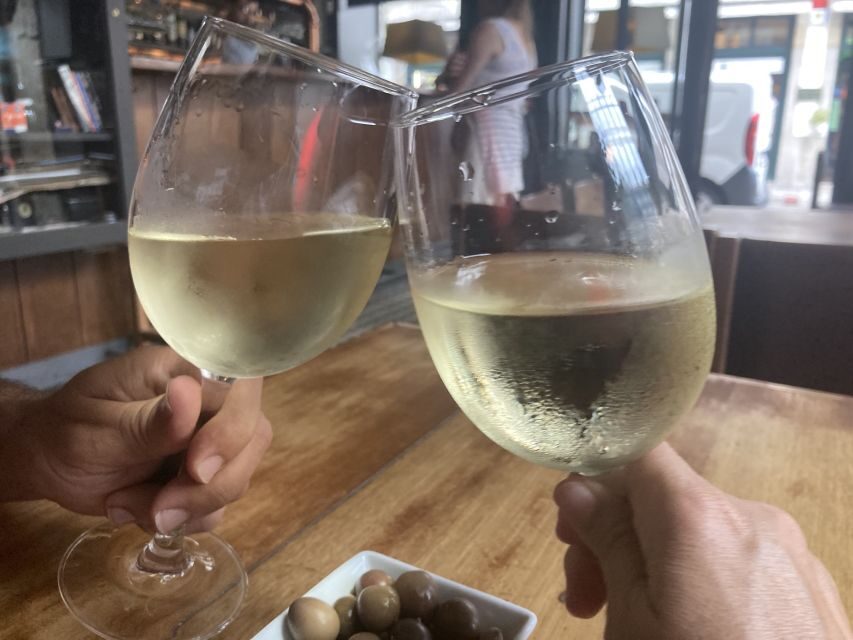
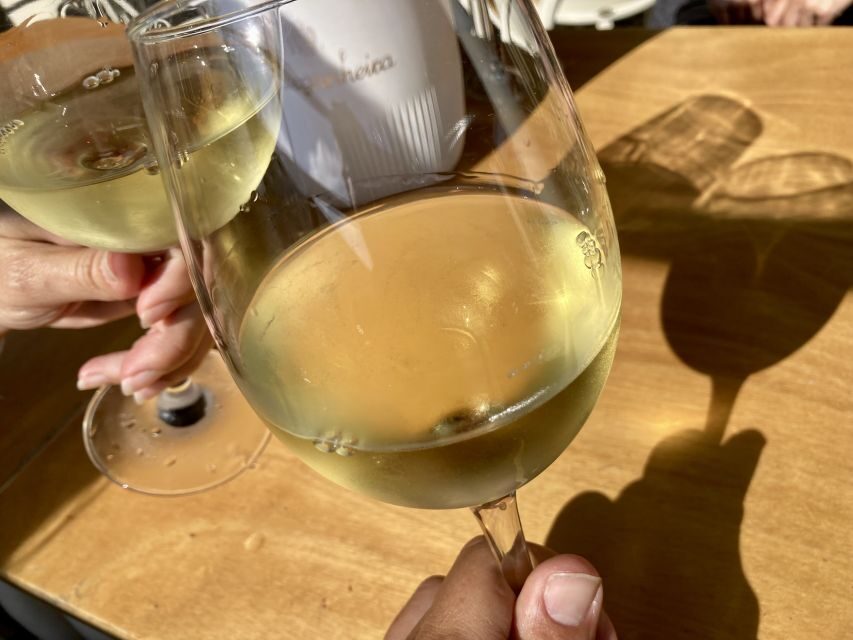
The morning/meal pairing is the hook. You’ll start with a green wine tasting at a local tavern in Porto focused on regional specialties. This is the first taste because it sets the flavor language for what comes next.
Green wine (vinho verde) is the type of wine people associate with freshness, lightness, and easy drinking—so it becomes a bridge to the next phase: Port. The point here isn’t just to say what it tastes like. You’ll learn why the North has a habit of treating green wine like something you can fit into daily life, even with breakfast-style routines that sound surprising if you’re used to other wine cultures.
The practical advantage for you: once you’ve tasted green wine in the right context, the later Port tasting makes more sense. Port can be sweet and intense, and it’s easy to misread it as something that only works as a dessert. With green wine as your first reference, you get a clearer sense of how these wines sit in Porto’s local world.
This stop lasts about 45 minutes, enough time to taste thoughtfully without turning it into a long lecture. It also gives you a chance to reset after walking and pick up the guide’s sense of what to pay attention to in each sip.
Ribeira strolls and a Douro DOC glass: Porto’s river-side flavor logic
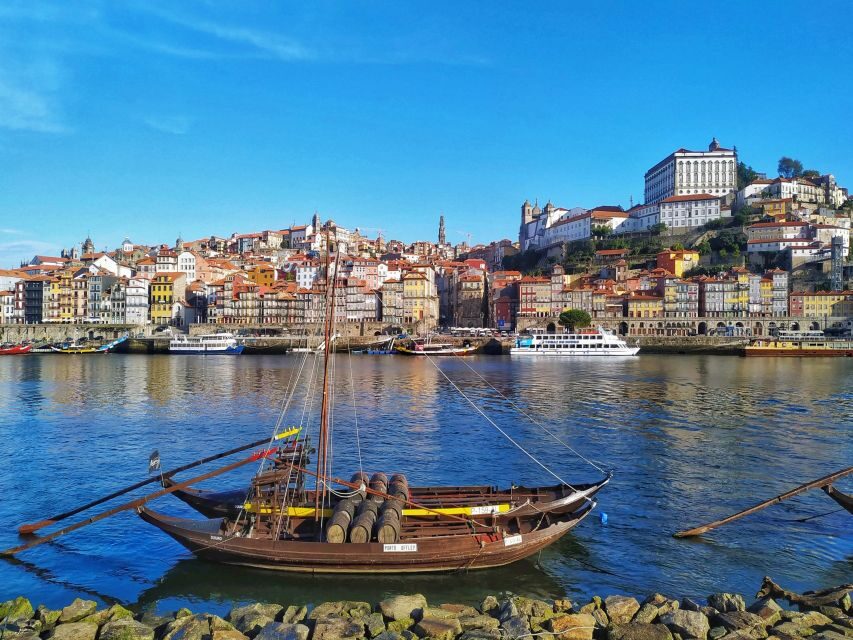
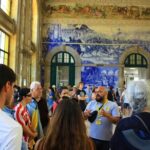
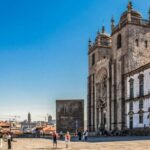
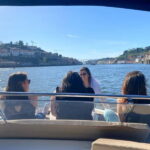
After the first tasting, you head through Porto’s historic center and down toward the Ribeira area along the Douro River. You’ll walk sections that feel scenic without being staged, and the guide calls out highlights and smaller details you might otherwise miss.
Then comes a second tasting stop back in a local bar setting (again, about 45 minutes). This is where the tour leans into variety, not volume. You’re looking at regional tastes from Porto’s Northern identity, not just grabbing a single signature wine and calling it a day.
Between those tasting moments, you also get guided walking time in the Ribeira area (about 30 minutes) plus time for river views and what the area means in Porto’s story. The Ribeira is one of those neighborhoods where the city’s relationship to water is obvious, and that matters because Port is a water-and-trade story as much as it is a winemaking story.
The weather can affect how you feel about views, but the setting stays compelling. Even on gray days, the Douro River edges and riverfront streets do their job: they anchor the tastings in place.
You’ll also receive one glass of Douro DOC wine from the Douro Valley at the second stop. This matters more than it sounds. It acts like a flavor stepping stone between Porto’s green wine world and the darker, sweeter Port universe waiting in Gaia. When you move to Port right after, you’re not jumping between unrelated styles—you’re following a logical path.
Dom Luís Bridge to Cais de Gaia: the photo moment that earns its place
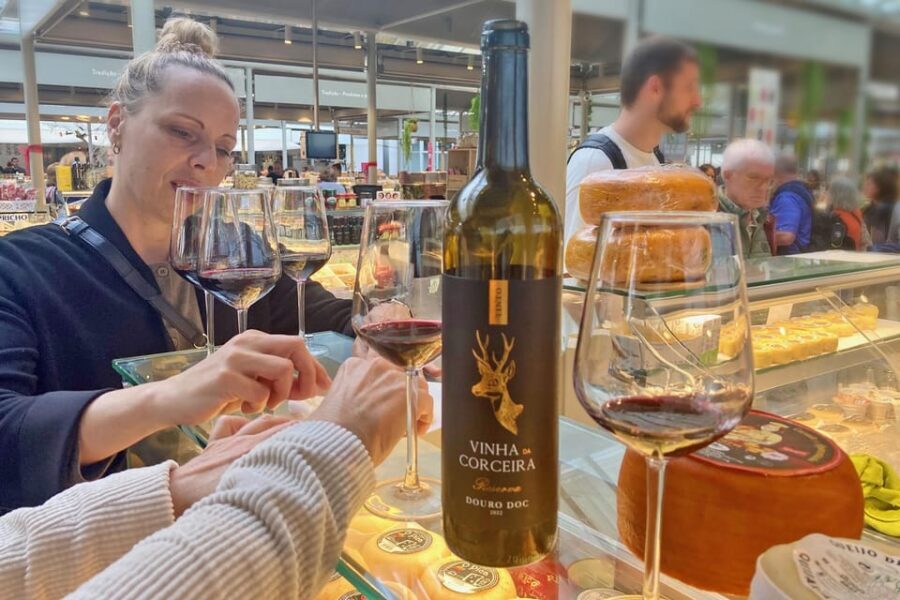
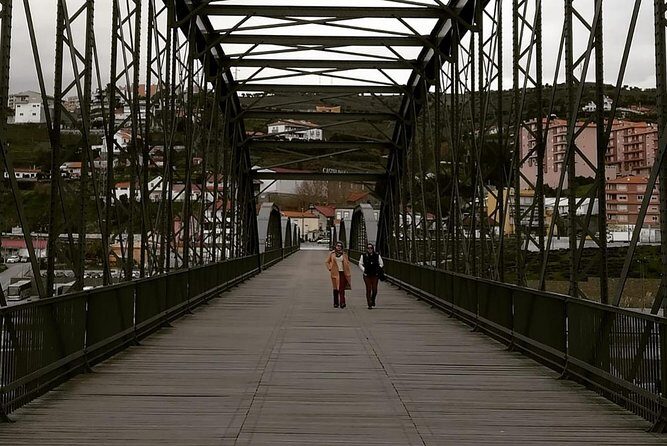
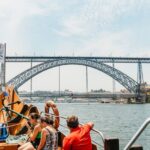
At some point you’ll cross through the big Porto landmark zone—Dom Luís Bridge—with guided walking time (about ten minutes). Even if you’ve seen photos before, it lands differently when you’re walking near it. You get the sense of scale, and you understand why people connect Porto and Gaia so closely.
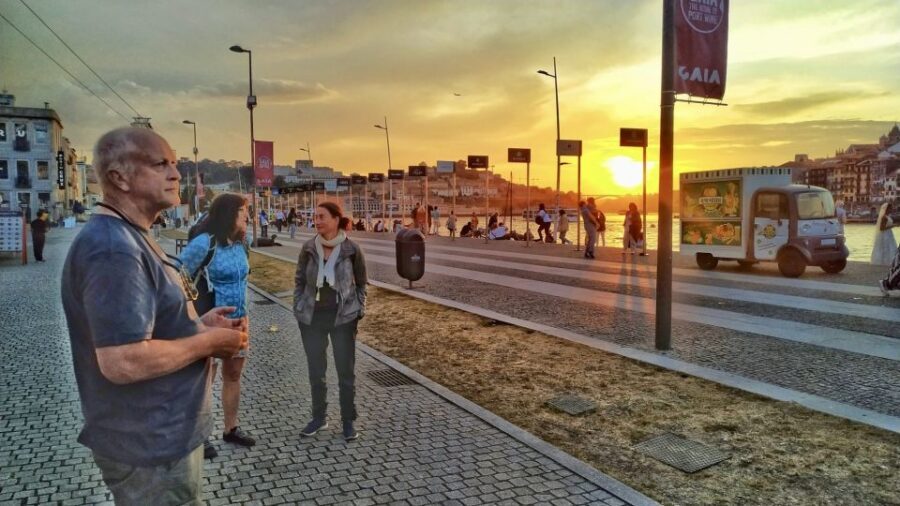
Then you reach Cais de Gaia in Vila Nova de Gaia. There’s a photo stop (about 20 minutes) and guided time around the harborfront. This is a good moment to pause and let the visual context settle. Port storage, river access, and the historic economic connection between these two cities isn’t abstract here—it’s right in your field of view.
This segment also helps with one of the tour’s silent goals: keeping you mentally ready for the final tasting. The Port tasting is the finale, and the bridge-to-Gaia transition is the palate-and-head reset. It turns the last stop from a random cellar visit into the next chapter.
You can also read our reviews of more wine tours in Porto




Family-owned Port tasting: three styles, nuts, and the production story
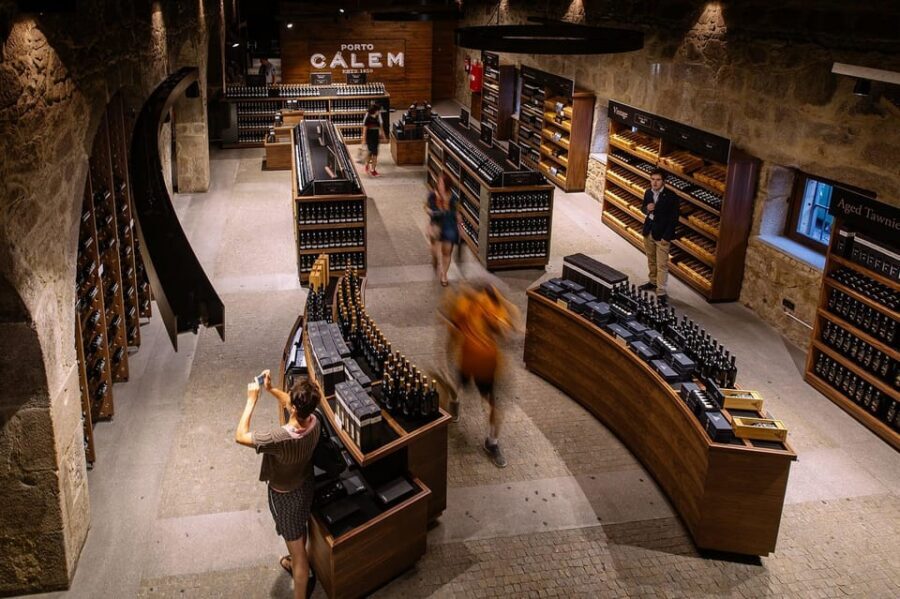
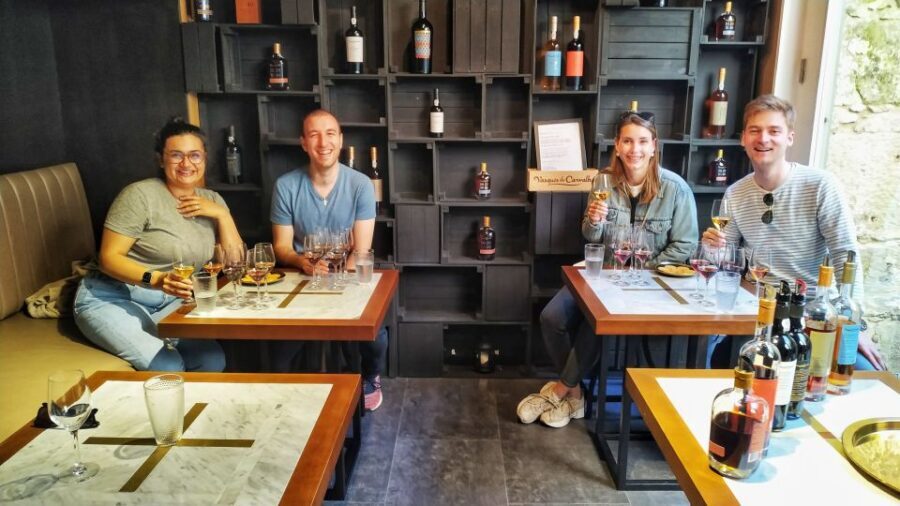
The final stop is a winery visit with a guided tasting lasting about 45 minutes at a family-owned producer. This is where you’ll taste three different types of Port and get nuts to go with them.
This is also where the tour earns its “culture” label. You’re not just tasting. You’re learning about Port production and what makes it special—how it became what it is, and why it has such a strong place in the Northern Portuguese sense of celebration and hospitality.
Taste-wise, three Port styles is a smart number. It gives contrast without overwhelming your brain. And adding nuts isn’t random either: salty crunch changes how sweetness reads in the glass, which makes the tasting more practical for your own future choices.
What you’ll walk away with is simple but useful: Port isn’t one-flavor candy. It’s a range, and the guide’s job is to show you the logic behind the range.
If you like guided conversation, this part is usually where it clicks. A small group means you can ask what you want—how to compare styles, what to order back in a bar, or how to store and serve Port so it doesn’t turn into a syrupy afterthought.
Price, value, and who should book this Port-and-wine walk
At $69 per person for about 3 to 3.5 hours, this is priced for people who want more than a quick tasting. You’re getting:
- Green wine tasting at a Porto tavern
- One glass of Douro DOC
- Port tasting at a family producer with three Port types plus nuts
- An experienced guide and a small group (max 8)
That’s the value logic. You’re not just paying for alcohol. You’re paying for curated stops, guided movement through old neighborhoods, and time spent understanding the why behind the flavors.
It’s especially good if:
- You want to understand Porto’s wine culture without doing separate tours
- You like walking with a local guide instead of riding in a vehicle the whole time
- You’re the type who wants to know what to order later, not just what you tasted that day
It’s not a match if you need barrier-free movement. The tour is not suitable for people with mobility impairments, and it’s also not listed for pregnant women or people under 19. Keep that in mind if your group has anyone who can’t do uneven walking.
Languages are English and German, and the tour is scheduled for rain or sunshine, so pack for weather and keep your shoes ready for slick stones.
Also, it’s a great size for solo travelers who want company. With max 8 people, you’re not stuck in a crowd. You get interaction, not just observation.
Should you book this Port wine & walking tour?
Book it if you want a Porto-to-Gaia day that makes Port feel personal and connected to place. The combination of green wine first, a Douro DOC glass, then a three-style Port tasting is a smart sequence that helps the wines click in your brain.
Skip it (or consider a different option) if you hate walking in weather or you need a more restful pace. The experience is built around movement, and it’s scheduled rain or shine.
If you like doing one well-structured outing instead of piecing together separate tastings, this fits. You also get the comfort of a small group and an English/German guide, and the fact that the guide can slow down and take time is a strong signal that you won’t feel rushed.
FAQ
How long is the Port wine & wine walking tour?
The tour lasts about 3 to 3.5 hours.
Where do we meet?
You meet at the fountain between Trindade church and the back of the city hall, close to Trindade Metro Station.
What wines are included?
You’ll taste green wine at a local tavern, receive one glass of Douro DOC wine from the Douro Valley, and do a Port wine tasting at a family producer with three types of Port and nuts.
Is the tour indoors or mostly walking?
It includes guided walking through Porto and Gaia along with two tavern tastings plus a winery visit.
What language is the guide available in?
The tour guide is available in English and German.
Is it suitable for everyone?
It is not suitable for pregnant women, people under 19, or people with mobility impairments. You should also wear comfortable shoes since it runs rain or sunshine.
If you tell me your travel month and whether your group includes anyone with limited walking ability, I can help you decide if the timing and pace are a good fit.