REVIEW · COIMBRA
Discovering the Roman Ruins of Conímbriga and the Caves of Sicó
Book on Viator →Operated by Aventuras Forte(s) - Turismo de Natureza · Bookable on Viator
Roman mosaics and caves in one morning.
This tour stitches together two very different kinds of Portuguese sightseeing: the Roman world at Conímbriga and the limestone oddities of Sicó. I love how the preserved mosaics make the site feel tangible, not like a pile of old stones.
I also like the human touch—Sérgio is the kind of guide who explains without turning it into a lecture, and he even sends photos you can download after. One thing to keep in mind: the experience is weather-dependent, so you’ll want a plan B mindset for timing.
In This Review
- Key highlights you’ll care about
- A Roman morning with Conímbriga and Sicó caves
- Getting to the start: pickup around Coimbra (and Condeixa)
- Museu Monográfico de Conimbriga: where the Roman story clicks
- What makes Conímbriga worth your time
- Limestone Massif of Sicó: the switch from Roman stones to natural ones
- Moorish Waterfall: worth planning for, but only in winter
- Casmilo Buracas: collapsed limestone caves up close
- Buracas do Casmilo: a free stop with real cave pay-off
- Sérgio’s guiding style: what stands out from the reviews
- Price and value: what $90.11 buys you in real terms
- Timing, pacing, and what to do with the rest of your day
- Comfort and fit: who this tour suits best
- Should you book the Conímbriga and Sicó caves tour?
- FAQ
- How long is the tour?
- What language is the tour offered in?
- Do they pick you up in Coimbra or Condeixa?
- Are tickets included for the stops?
- What about the Moorish Waterfall?
- What happens if the weather is bad?
Key highlights you’ll care about
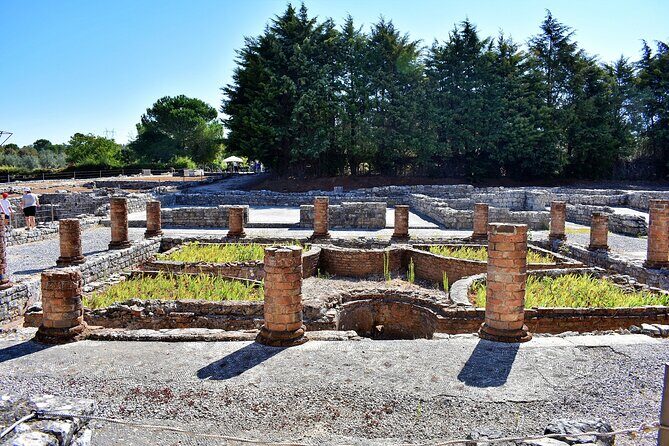
- Conímbriga’s preserved mosaics plus a site museum that helps you read what you’re seeing
- Private tour with pickup anywhere in Coimbra or Condeixa (including your hotel)
- Moorish Waterfall is winter-only, so it depends on the season
- Casmilo Buracas features limestone caves that have collapsed over the years
- Free admission at Buracas do Casmilo keeps value strong
- Sérgio’s photos: better shots than you’ll get on your own camera
A Roman morning with Conímbriga and Sicó caves
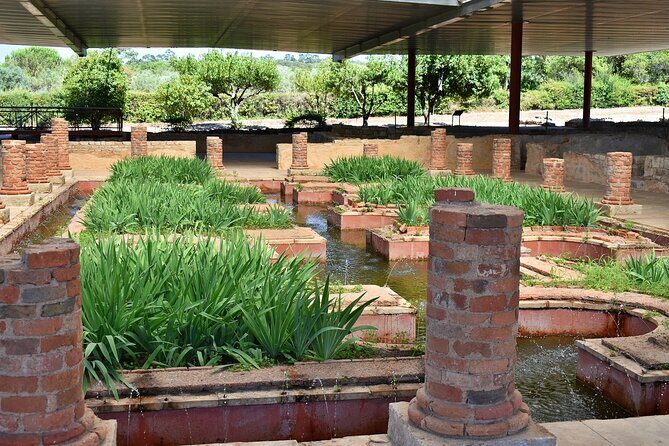
If you’re tired of tours that feel like a checklist, this one flows better than you’d expect. You start at a museum-rooted Roman site, then you shift gears to countryside limestone—cooler, quieter, and oddly fascinating in a very physical way.
The sweet spot here is that you’re not just touring ruins. You’re learning how to look at them first, then walking into a landscape shaped by limestone and time. The result is a morning that feels both historical and hands-on.
You can also read our reviews of more tours and experiences in Coimbra.



Getting to the start: pickup around Coimbra (and Condeixa)
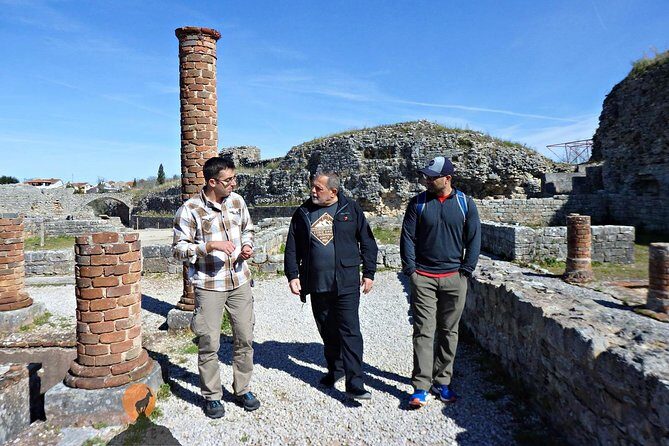
The biggest practical win is convenience. You can arrange pickup anywhere in the Coimbra or Condeixa region, and yes, it can be done right at your hotel in Coimbra or Condeixa. That matters because it keeps you from spending your limited time figuring out buses or parking.
It’s a private tour, so it’s only your group. That usually means fewer awkward pauses and more time for questions—especially useful at a site where details matter.
You’ll also get a mobile ticket, and the tour is offered in English. If you like having clear meeting logistics, this one is straightforward: you start at the museum location in the morning.
Museu Monográfico de Conimbriga: where the Roman story clicks
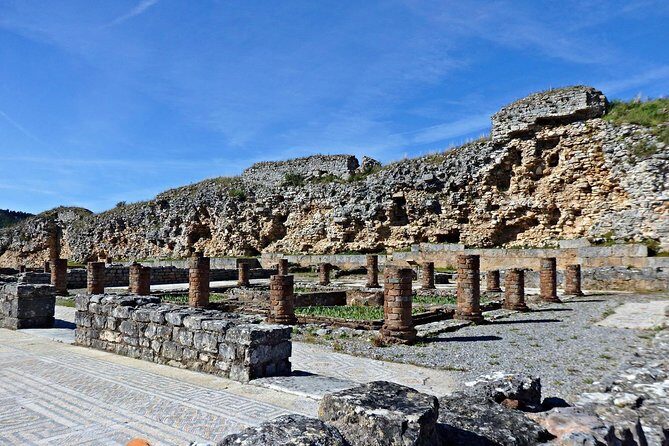
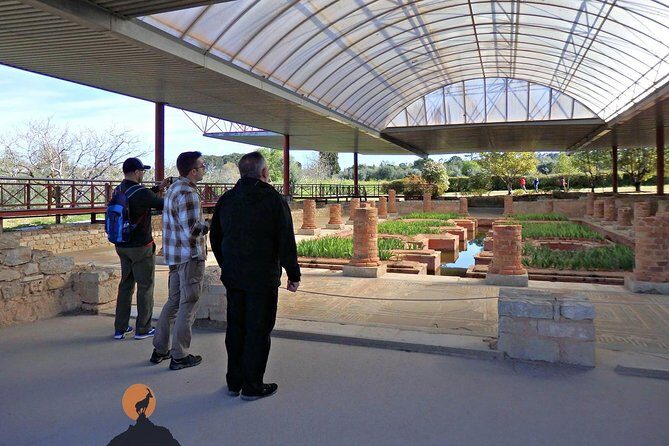
Your first stop centers on the Museu Monografico de Conimbriga – Museu Nacional, where the Roman site and museum are connected. This is the part that I think gives the whole experience its “aha” factor.
You’ll spend about two hours at this stop, and the admission ticket is included. That time isn’t only for wandering. It’s long enough to take in the museum context and then move into the ruins with a better sense of what you’re looking at.
Here’s what I like about this setup: the museum helps you connect names, rooms, and artwork to the bigger Roman picture. And when you step into the ruins afterward, you’re not just staring—you’re actually reading the place.
What makes Conímbriga worth your time
Conímbriga isn’t a tiny stop. One review described it as bigger than expected and with unique features. That checks out in the way the site feels designed for a longer look, not a quick photo break.
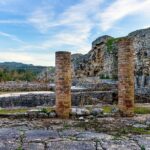
The preserved mosaics are the standout. Even if you’ve visited other Roman sites, Conímbriga’s mosaics can feel like a step closer to daily life in Roman times. In your time here, you’ll likely notice why people talk about mosaic preservation: it’s not only the image; it’s how well it holds up.
Tip for your visit: when mosaics come into view, slow down for a minute before you start walking again. If you rush, you miss the details that make the artwork feel less like decoration and more like a message.
Limestone Massif of Sicó: the switch from Roman stones to natural ones
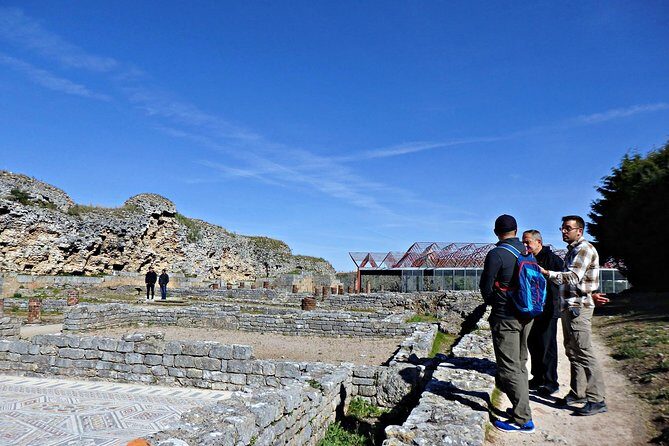
After Conímbriga, you shift into the limestone world of Sicó. This is where the tour becomes more than “history sightseeing.” The Sicó area is built for contrasts: Roman remains on one side, then rugged limestone character on the other.
The tour route includes the Sicó limestone massif, which is a big part of the appeal if you like seeing how geology and human history share the same space. Limestone doesn’t just make pretty rocks—it shapes caves, channels, and collapsed cavities you can actually walk up to.
If you’re someone who gets bored when everything is purely architectural, this change of scenery will work for you.




Moorish Waterfall: worth planning for, but only in winter
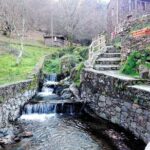
One of the most interesting schedule notes is the Moorish Waterfall, listed as winter-only. That means you may or may not see it depending on the season.
I like that the tour is honest about this. Instead of selling a guaranteed waterfall moment year-round, it signals that this stop is conditional. If you’re traveling outside winter, you can treat that component as a nice bonus rather than a must-see.
In practical terms: if waterfall viewing is a high priority for you, check what months are considered winter for your trip timing. Then keep your expectations flexible for the rest of the morning.
Casmilo Buracas: collapsed limestone caves up close
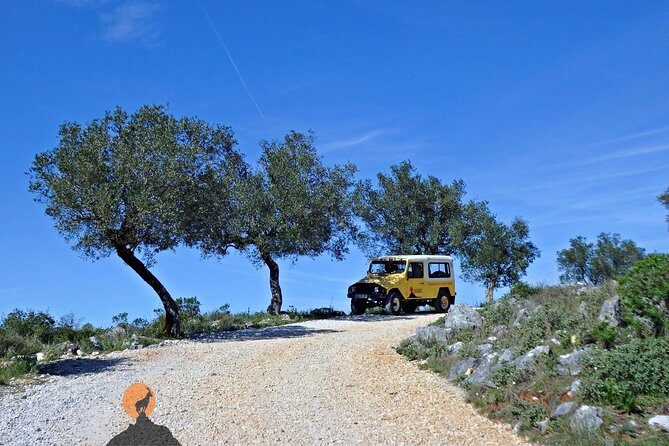
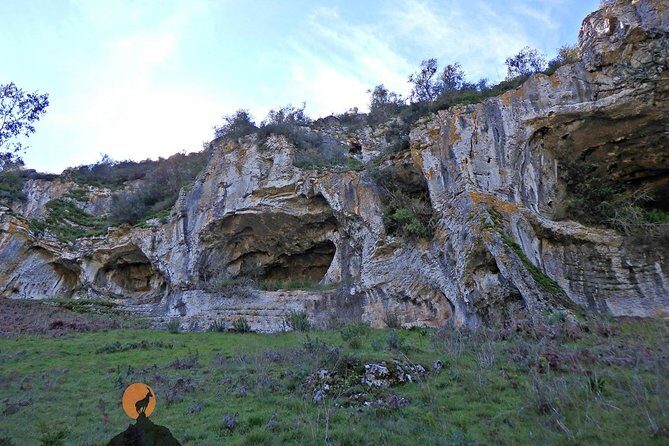
Next comes Casmilo Buracas, a stop that focuses on limestone caves that have collapsed over the years. This is not your typical “pretty grotto” experience. It’s more about scale, fractures, and the strange logic of nature over time.
You’ll spend time in this section as part of the broader first stretch. The setting adds a different kind of storytelling: the Roman era made structures from stone, but Sicó shows you what stone can do without human help.
One review noted that at the end of the morning, Sérgio guides you down rugged country lanes to the remains of some limestone caves. That detail matters because it tells you the experience won’t feel like a smooth boardwalk.
If you’re comfortable walking on uneven ground and you don’t mind a bit of rough countryside access, this is one of the most memorable parts of the tour.
Good to know: the tour depends on weather. Rain or slick conditions can affect how comfortable the ground feels, especially when you’re moving along uneven rural paths.
Buracas do Casmilo: a free stop with real cave pay-off
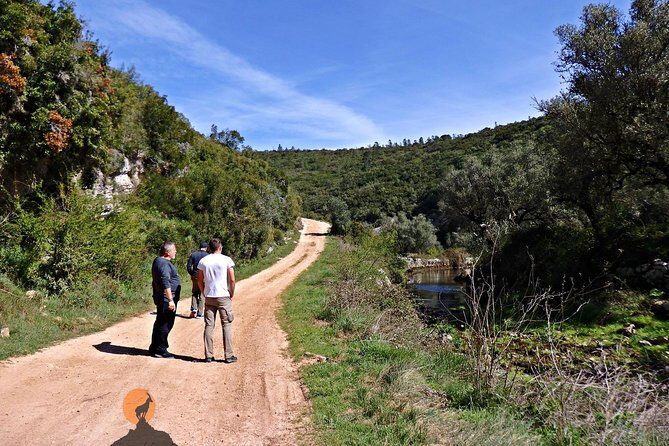
Then you move to Buracas do Casmilo, described as limestone caves that collapsed over time. This segment is shorter—about 30 minutes—and admission is free.
Even with the short time, this feels like a valuable add-on because it keeps the “caves theme” going without forcing you into an all-day hike. You get enough time to experience the cave setting, then you’re done before the tour energy drains.
This is also a nice way to balance your day. If you’re planning other Coimbra sights later, the timing leaves room.
Sérgio’s guiding style: what stands out from the reviews
Sérgio is repeatedly mentioned for being personable and for explaining things in a way that doesn’t feel robotic. One review specifically said he’s excellent—very knowledgeable, but also calm and friendly.
There’s also a very practical note: his driving put someone at ease, which tells me the transport side is handled with care. That’s not always guaranteed on day trips, so it’s worth valuing.
And yes, the photo detail is real. One review said Sérgio takes better photographs than the guest and sends them for download. I love little touches like this because it reduces the pressure to capture every moment perfectly. You can just watch, and later you get a usable set of images.
Price and value: what $90.11 buys you in real terms
At $90.11 per person for about 4 hours (approx.), you’re paying for a guided, private experience with meaningful inclusions—not just transportation.
Here’s how the value works:
- Museum and Roman ruins admission included for the main stop (you’re not paying extra on-site)
- Free admission for the Buracas do Casmilo segment keeps the overall cost fair
- Pickup in Coimbra/Condeixa (and hotel pickup) reduces your pre-planning time
- Private tour means the guide time isn’t diluted across strangers
In other words, you’re not only buying access to places. You’re buying the time and interpretation that help you get more out of those places.
If you’re the type who likes to do one strong outing instead of squeezing in three weak ones, this price makes more sense.
Timing, pacing, and what to do with the rest of your day
A roughly 4-hour tour is a sweet length for Coimbra. It’s long enough to feel like you escaped the city rhythm, but short enough that you still have energy for an afternoon walk, a café stop, or another small museum.
The morning start helps too. Roman ruins and caves are easier to enjoy when you’re not dealing with late-day fatigue. Plus, morning timing often means better natural light for stonework and mosaic colors.
Wear-wise, think countryside-first:
- You’ll likely be on uneven ground around the cave areas.
- Bring shoes that handle limestone surfaces and rugged lanes comfortably.
If you’re sensitive to cold, remember that the Moorish Waterfall is winter-only, so temperatures can be part of the deal depending on when you go.
Comfort and fit: who this tour suits best
This tour is marked as something most travelers can participate in, and service animals are allowed. It’s also near public transportation, which is handy if you’re not using pickup.
You’ll probably enjoy it most if:
- You like Roman sites but want more than just photos
- You also enjoy nature elements like caves and limestone formations
- You prefer a small, private-group feel
- You want a guide who can connect museum context to what you see outside
If you dislike walking on rugged countryside lanes or you need a perfectly smooth surface, you might feel challenged at the cave portions. The tour is not described as an all-paved experience, so plan around that.
Should you book the Conímbriga and Sicó caves tour?
Yes—if you want one well-paced morning that mixes Roman mosaics with limestone caves and you value a guide who makes the stones make sense. The included museum time, the private feel, and the fact that part of the cave program is free admission adds up to solid value.
Book it especially if:
- Your priority is Conímbriga’s preserved mosaics
- You like countryside stops that feel different from city sightseeing
- You appreciate hotel pickup and a calm, guided pace
Skip or delay it if your trip dates are very weather-sensitive for you. The experience requires good weather, and the Moorish Waterfall is winter-only, so timing matters.
FAQ
How long is the tour?
It runs for about 4 hours (approx.).
What language is the tour offered in?
The tour is offered in English.
Do they pick you up in Coimbra or Condeixa?
Yes. Pickup can be arranged anywhere in the region of Coimbra or Condeixa, and it can be done at your hotel in Coimbra or Condeixa.
Are tickets included for the stops?
Admission for the main museum and Roman ruins stop is included. The Buracas do Casmilo admission is free.
What about the Moorish Waterfall?
The Moorish Waterfall is listed as winter only, so it depends on the season.
What happens if the weather is bad?
The tour requires good weather. If it’s canceled due to poor weather, you’ll be offered a different date or a full refund.