REVIEW · PORTO
Porto: An Intimate Fado Show in a Historical Tavern
Book on GetYourGuide →Operated by Koutipons Companhia, Lda · Bookable on GetYourGuide
Want your fado close enough to hear breath?
This show is built for intimacy. In Porto’s Miragaia quarter, you sit in a historic stone tavern where the singers perform just meters away, with no microphones and no raised stage. The payoff is big: you get two Fado traditions in one hour—Coimbra and traditional Fado—from two distinct ensembles.
I especially like the way the room forces you to pay attention. When the music is that near, every shift in tone, story line, and guitar support lands fast. Also, the whole experience runs on spontaneity, so each set can feel a little different night to night.
One thing to plan for: the venue requires silence during the performance. If you want a casual chat fest or a loud, party-style night out, this isn’t that vibe.
In This Review
- Key Things That Make This Fado Show Worth It
- Inside A Historic Miragaia Tavern: What You’re Really Booking
- Finding the Fado Maior do Porto Meeting Point (Without Stress)
- The Show Format: Two Sets, Two Ensembles, One Hour of Fado
- What the room setup means for you
- Coimbra Fado: The Poetic, Youth-Heavy Start
- Traditional (Lisbon) Fado: The Rawer Second Half
- The Microphone-Free Magic: Why Silence Matters
- Port Wine Included: Small Pour, Right Timing
- Price and Value: Why $21 Can Feel Like a Deal
- Who Should Book This Fado Show (And Who Might Not)
- Should You Book It? My Straight Answer
- FAQ
- How long is the Fado show?
- What is included with the ticket?
- Do they perform two different types of Fado?
- Is the show in an outdoor venue?
- Where do I meet for the show?
- Is silence required during the performance?
- What language is used during the experience?
- Is the venue wheelchair accessible?
- Is it suitable for children?
- What items are not allowed?
Key Things That Make This Fado Show Worth It
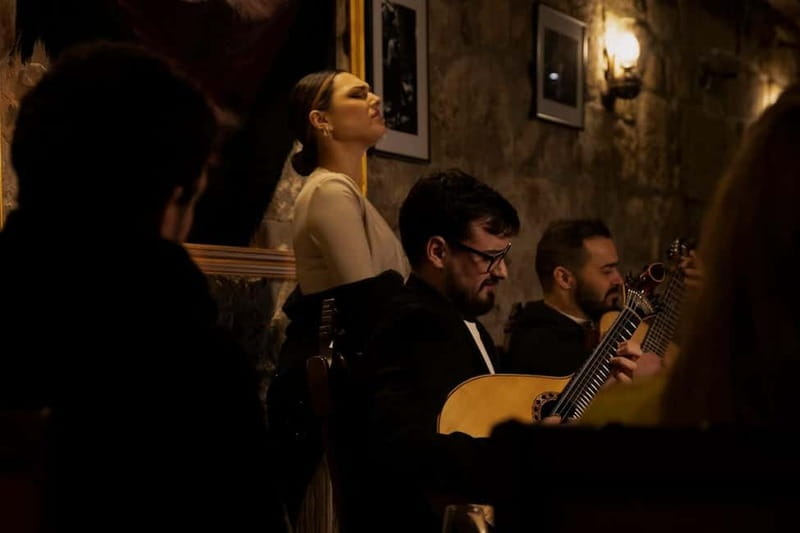
- Two Fado styles, one sitting: Coimbra Fado first, then traditional Fado
- Singers meters away, no microphones for a raw, close-up sound
- A small historic tavern (about 50 seats) in Miragaia, away from the main tourist drag
- Improvisation that changes the night—it’s not a copied, staged routine
- A complimentary glass of port (or water) to match the mood
Inside A Historic Miragaia Tavern: What You’re Really Booking
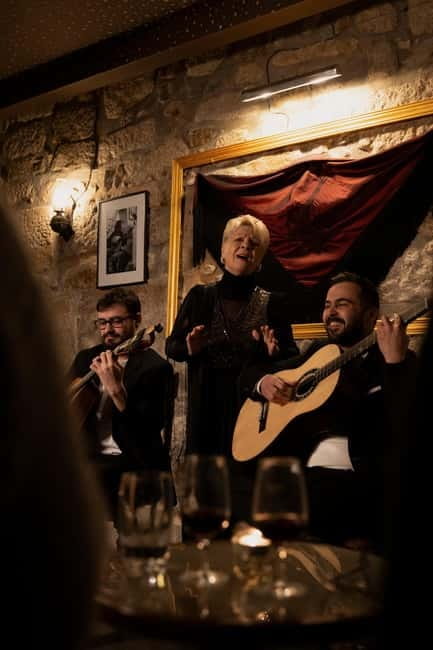
This is not the mega-concert model where you watch from far away. You’re paying for a specific kind of attention: small room, close voices, real storytelling, and musicians playing in the same space as the audience.
The format matters. You’ll hear Coimbra Fado in the first half, then traditional Fado in the second. Coimbra is the “student and poetry” side of the Fado world, tied to university culture and themes like youth, love, longing, and longing that still hasn’t resolved. Traditional Fado is the opposite mood swing: more direct, serious, and tied to a non-commercial style of singing and performance.
And here’s the practical reason people fall for this: without microphones, the performers have to control pitch, breath, and emotion in real time. That changes how the show feels. Instead of a sound system doing the work, you hear the human effort behind it. If you care about authenticity, this setup does a lot of heavy lifting.
You can also read our reviews of more tours and experiences in Porto.



Finding the Fado Maior do Porto Meeting Point (Without Stress)
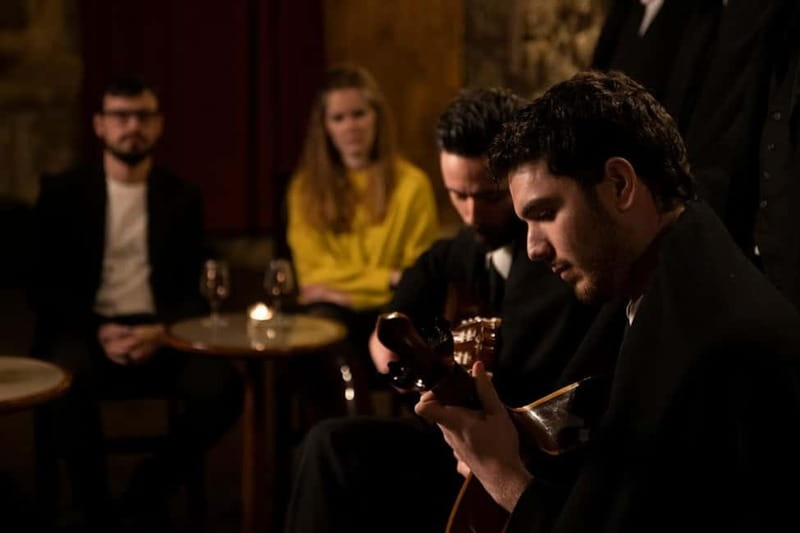
Your ticket is checked at the entrance to the Fado Maior do Porto concert hall. The show ends back at the meeting point, so you don’t have to navigate the area after it’s over.
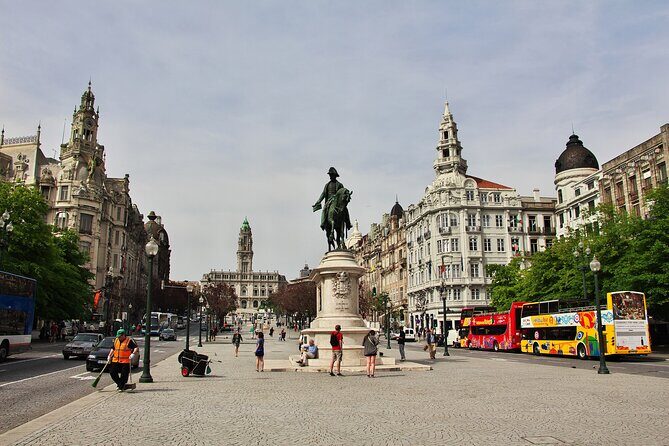
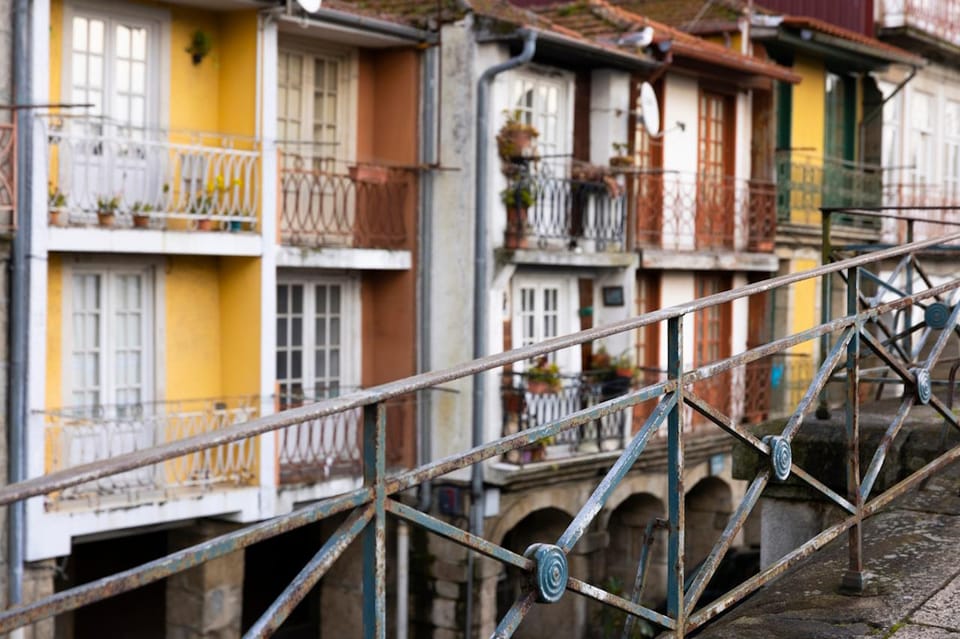
The setting is in Miragaia, Porto’s older quarter. It’s the kind of place where you’ll want to arrive a bit early so you’re not walking fast in the dark, trying to decode street names. Plan on being there 10 to 15 minutes before the performance. The tavern is cozy, and seats go fast when people want the best sight lines for singers so close.
One extra tip from what you’ll learn from firsthand experience patterns: the location has a “stone arches and old walls” feel. That sounds romantic, but it also means it can feel darker and narrower inside. Arriving early helps you settle in calmly.
The Show Format: Two Sets, Two Ensembles, One Hour of Fado
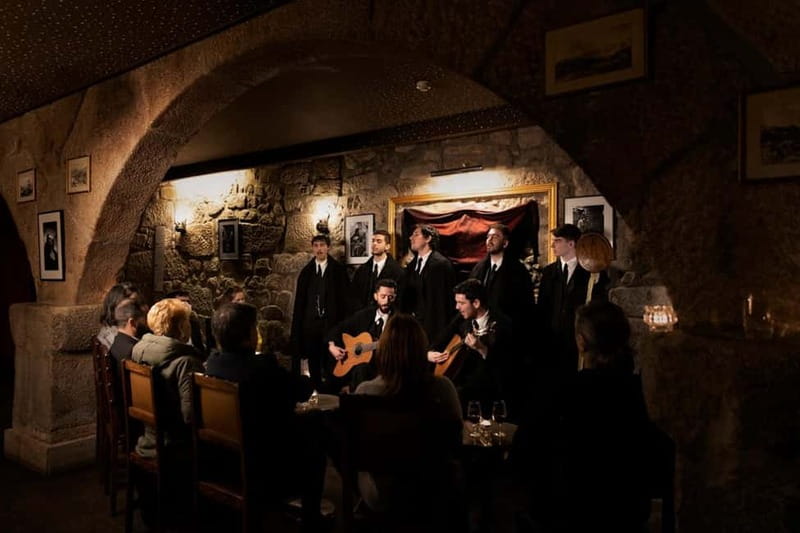
This experience is about rhythm and contrast. You’re not just buying one long performance; you’re getting two distinct Fado moods.
The runtime is about one hour, so it’s easy to fit into your Porto evening plans. And since the show tends to run in the late afternoon, it’s also a nice option when you’re done with daytime sightseeing but still want one cultural “anchor” moment before dinner.
What the room setup means for you
No raised stage. No microphone columns. That means:
- You’ll hear the guitars and voices as one connected sound.
- Performers can address the room directly.
- Even small expressions in the singing matter more.
From what people have described, the seating is around 50 people. That scale is the difference between feeling like you’re watching a show and feeling like you’re sitting inside the story.
Coimbra Fado: The Poetic, Youth-Heavy Start
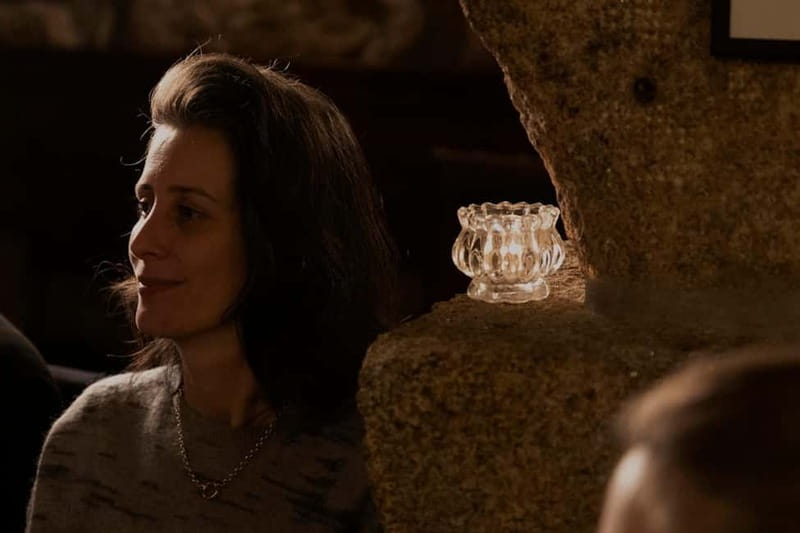
The first half is Coimbra Fado. This is the style described as a bridge between popular and classical traditions, shaped and preserved through university culture. Think themes of youth, poetry, love, and longing that sits close to the heart.
You’ll typically get:
- A singer (often described as a male voice in the Coimbra set)
- Instrumental support, usually with a mix of Portuguese guitar and classical guitar
Coimbra Fado can feel slightly more lyrical and narrative than some other versions of Fado. It’s the kind of set that rewards quiet attention. If you’re new to Fado, Coimbra is a smart entry point because it gives you emotional hooks without feeling purely austere.
Also, because the night is built on spontaneity, you might notice the pacing shift. Some performances can include short instrumental pieces between vocal moments. It keeps the story breathing instead of turning into one continuous sing-song.



Traditional (Lisbon) Fado: The Rawer Second Half
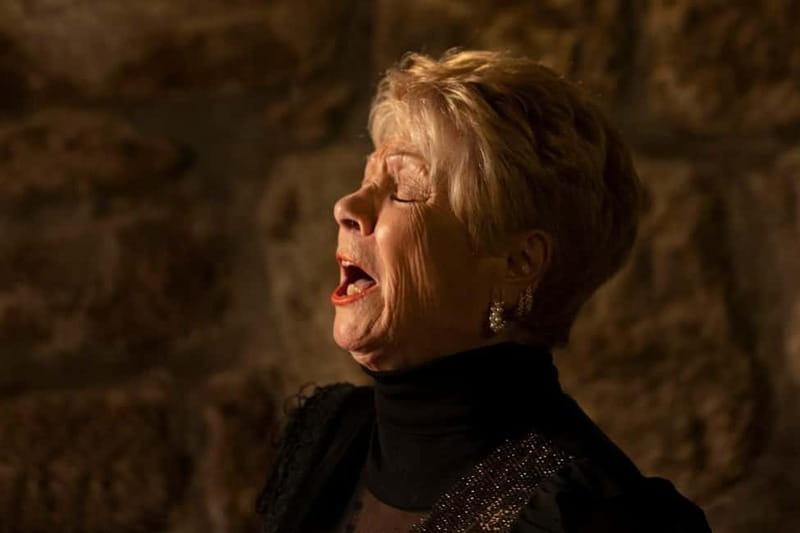
After Coimbra, the show moves into traditional Fado. This is presented as pure, authentic, and not commercial. In other words: less performance polish, more emotional delivery.
This second set often features a different vocal character (many performances describe a female singer here). The mood usually turns heavier, more intense, and more focused on the emotional weight of the lyrics.
If you’re hoping for “why people talk about Fado as Portuguese soul,” this is usually the section that does it. The close room amplifies the pain and restraint in the singing. With no microphones, you really feel how the singer rides volume changes and phrasing.
And even within a serious tradition, there can be moments of lighter energy. Some nights end the traditional side with a more joyful song and audience interaction, which makes the close feel human rather than formal.
The Microphone-Free Magic: Why Silence Matters
The show requires silence during the performance. That rule isn’t just for manners. It protects the whole point of the design: singers are close, sound carries differently, and the smallest interruptions break the emotional chain.
For you, silence means:
- You’ll hear more detail in guitar lines.
- You’ll pick up subtle changes in the singer’s tone.
- The atmosphere becomes part of the performance, not background noise.
Also, without microphones, the room can feel “alive” in a way big venues don’t. If you want the emotional realism of Fado, you’ll enjoy following the silence rule and letting the singers fill the space.
Port Wine Included: Small Pour, Right Timing
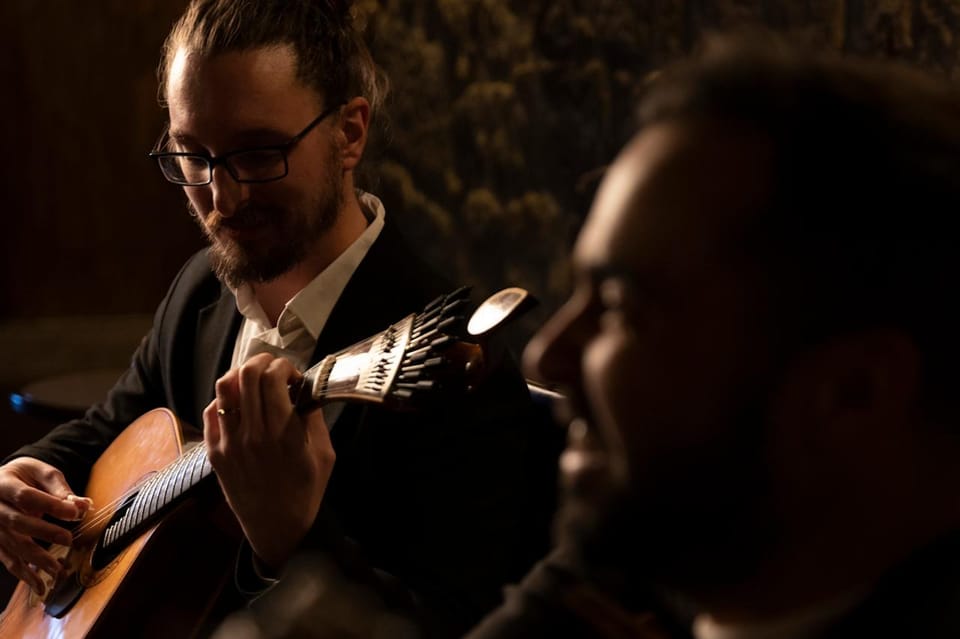
Your ticket includes a glass of port wine during the show (water is available as an alternative based on the show info). This is a smart match for Fado night because port is part of the Portuguese rhythm—slow sips while music builds a mood.
The drink is also practical. At about an hour long, you’re not waiting around for a long dinner plan. The port gives you a built-in “settle in” moment as the performance starts.
One more note: the show rules also forbid bringing in food and drinks, and they limit certain items like tripods. So treat the included glass as part of the show experience, not a snack break.
Price and Value: Why $21 Can Feel Like a Deal
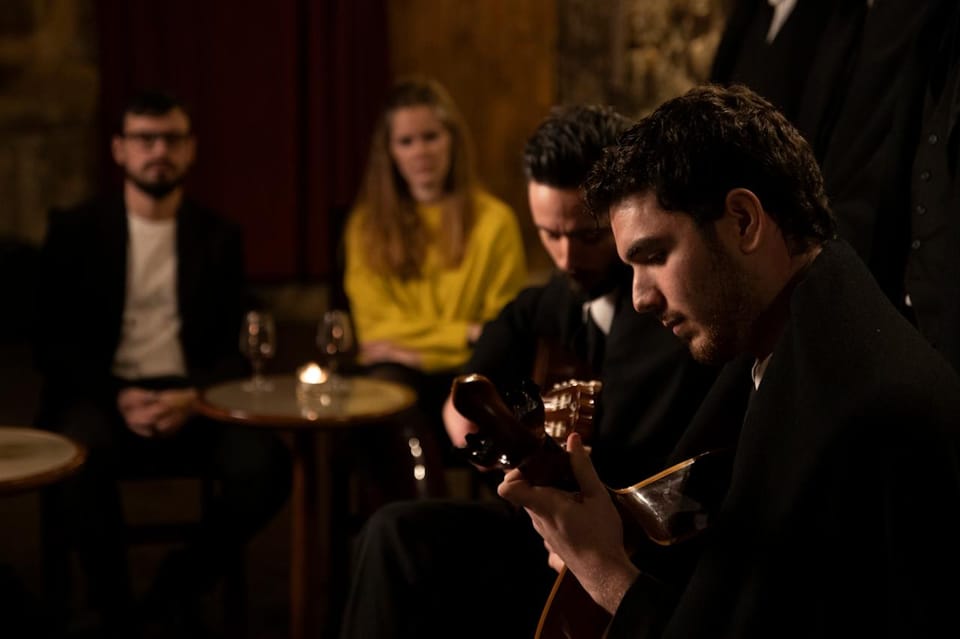
At about $21 per person, you’re not buying a giant production. You’re buying:
- A one-hour, two-style Fado program
- Live musicians in a small historic tavern
- A complimentary glass of port (or water)
- A close listening setup that doesn’t depend on amplification
That’s why it tends to feel good value. A big-ticket show can still disappoint if you’re far away. Here, the format is designed so that even newcomers can follow what’s happening: different styles, different voices, different emotional temperatures.
And the pricing makes it easier to justify as a “one-night cultural must” without blowing your whole Porto budget.
Who Should Book This Fado Show (And Who Might Not)
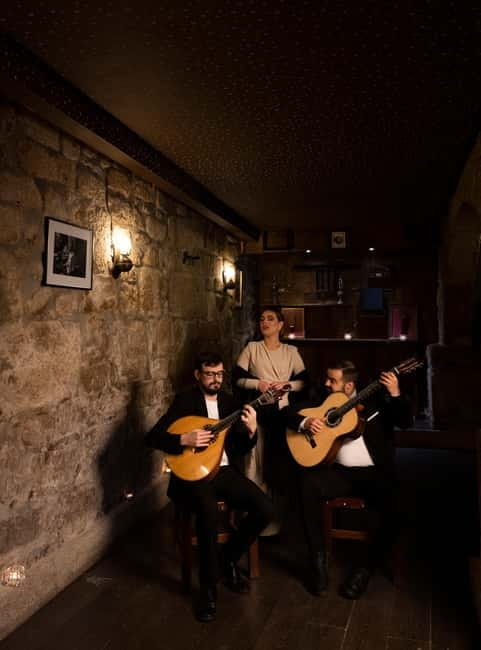
This is a great choice if you:
- Want authentic Fado rather than stagey entertainment
- Are curious about both Coimbra Fado and traditional Fado
- Prefer small-room experiences where you can actually listen
- Enjoy guitar-and-voice performances with minimal distractions
You might skip it if you:
- Want a long, party-like night with lots of talking
- Need a kid-friendly format (it’s not suitable for children under 12)
- Are expecting modern audio gear and a big show atmosphere
- Don’t like strict quiet rules during performance
Language-wise, the experience is Portuguese. Even if you don’t speak Portuguese, the emotional communication is still the main event, and the performers often handle audience connection naturally in a small space.
Should You Book It? My Straight Answer
Yes, I’d book it if your goal is real Portuguese music in a room that keeps you close to the artists. The two-style setup (Coimbra plus traditional), the microphone-free sound, and the small historic tavern setting are a rare mix. This is the kind of experience where you can leave feeling like you understood something, not just watched something.
Book it sooner rather than later if you’re in Porto around peak travel weeks, since you’re relying on specific show times. And do yourself a favor: arrive early, follow the silence rule, and treat that included glass of port as part of the ceremony. If you do that, you’ll get the best version of what this show is designed to be.
FAQ
How long is the Fado show?
It lasts about one hour.
What is included with the ticket?
The ticket includes the Fado performance and a glass of port wine.
Do they perform two different types of Fado?
Yes. You’ll experience Coimbra Fado first, then traditional Fado, with two distinct ensembles.
Is the show in an outdoor venue?
No. It takes place in a historical tavern.
Where do I meet for the show?
Show your ticket at the entrance to the Fado Maior do Porto concert hall.
Is silence required during the performance?
Yes. Silence during the performance is required.
What language is used during the experience?
The languages listed for the experience are Portuguese.
Is the venue wheelchair accessible?
Yes, it is wheelchair accessible.
Is it suitable for children?
It is not suitable for children under 12.
What items are not allowed?
Pets and baby strollers are not allowed, and the rules also state that tripods are not allowed. Food and drinks are not allowed either.