Porto reveals itself fast when you walk it. This tour strings together the city’s big story with your feet on the ground, from the Catedral area to the São Bento station finish. I especially like the port tasting with a light snack and the way the walk keeps the city’s power and politics tied to real streets and buildings, with guides like Nuno, Sid, and David bringing it to life.
One consideration: Porto is hilly, and the route uses steep, narrow streets with cobblestones, so good shoes matter and pace is important.
In This Review
- Key highlights you’ll care about
- Starting at São Filipe de Nery: how the walk sets your bearings
- Catedral to the old-core story: why the first stop works
- Jardim da Cordoaria and the Tribunal do Porto: politics you can point at
- Torre dos Clérigos: the city’s identity in one landmark
- Miradouro da Vitória: the viewpoint that explains the 1800s
- Avenida da Liberdade to São Bento: finishing in a former convent
- The port tasting and snack: why it’s a smart inclusion
- How hilly walking affects your comfort (and how to plan for it)
- Group size, guide energy, and the value of asking questions
- What the “logical route” does for your brain
- Who this Porto walking tour fits best
- Should you book this Porto Walking Tour?
- FAQ
- What time does the Porto Walking Tour start?
- How long is the tour?
- Where does the tour start and end?
- What language is the tour offered in?
- How big is the group?
- Is port tasting included?
- Is the tour suitable for most people?
- What if the weather is bad or I need to cancel?
Key highlights you’ll care about
- 3 hours, efficient route: You hit major sights without the day getting eaten up.
- Port tasting included: You get a glass of port plus a light snack as part of the experience.
- Big historical themes, placed in real locations: Salazar-era references, Napoleonic invasion, and 19th-century civil conflict are tied to what you see.
- Clérigos and viewpoints: The Torre dos Clérigos stop and the Miradouro da Vitória viewpoint give you context and angles.
- Small group size (max 15): More time to ask questions, not just follow a ribbon.
Starting at São Filipe de Nery: how the walk sets your bearings
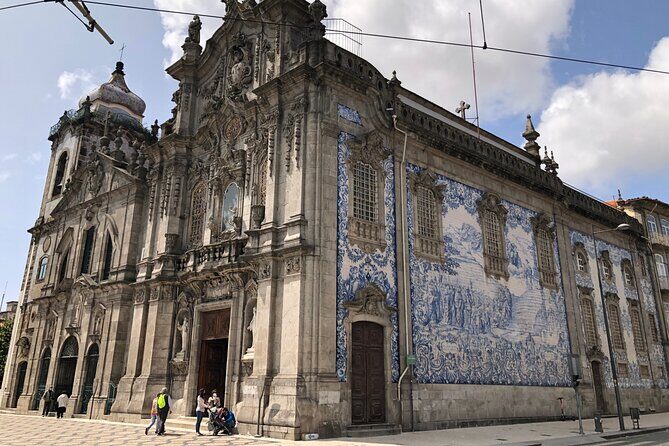
The tour starts at Rua de São Filipe de Nery in central Porto, and it ends near the Douro at Ribeira Square. Starting in this dense core is smart because you immediately get the layout of the city—where churches, courts, stations, and viewpoints sit relative to each other.
You also avoid the classic first-day problem: wandering around Porto without a thread. This route gives you a thread, so every stop feels like a chapter, not a random photo spot. And because it’s in English with a small group (up to 15), you can usually ask follow-ups without the guide shouting over everyone.
You can also read our reviews of more walking tours in Porto


Catedral to the old-core story: why the first stop works
The first stop is near Porto Cathedral, where the guide talks through the history of Portugal and the city itself. That opening matters because Porto can feel like it’s made mostly of churches and slopes—until someone explains why the city grew where it did and how the past shaped daily life.
From there, the walk shifts into Porto’s older layers, including the area framed as the city’s most traditional neighborhood. You’ll hear how traditions and customs survived waves of outside influence, going back to the Roman period and continuing through today. It’s the kind of context that makes a short stay feel longer, because you start noticing details instead of just passing them.
Practical note: don’t plan to sprint between stops. The city rewards slow attention, especially on narrow lanes where a single building façade tells you a lot about what happened there.
Jardim da Cordoaria and the Tribunal do Porto: politics you can point at
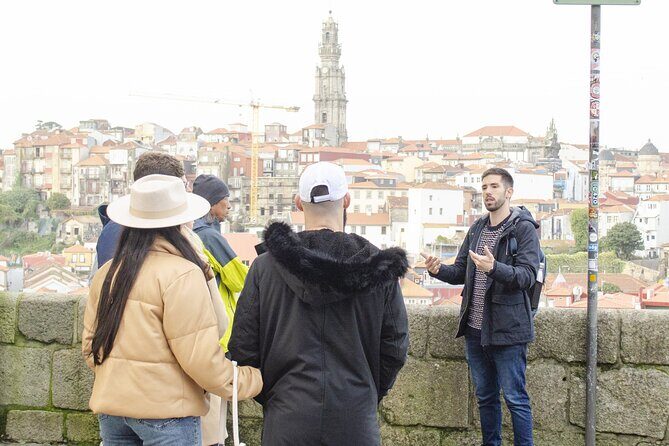
One of the most interesting parts is the stop through Jardim da Cordoaria and the Tribunal do Porto, with a focus on the dictatorship of Salazar. This is where the tour earns its keep: it turns a named historical period into something you can literally stand next to.
Instead of treating politics like a distant lecture, the guide connects it to structures and power—who governed, how decisions shaped public life, and what it meant for Porto as a city. If you like history that lives in buildings and streets (not just dates), this segment will click.
And if you’re the type who usually skips “serious history” on vacation, this is still worth your attention because the tone tends to stay human. You’re walking outside, looking around, and the guide keeps the story tied to what Porto looks like now.
Torre dos Clérigos: the city’s identity in one landmark
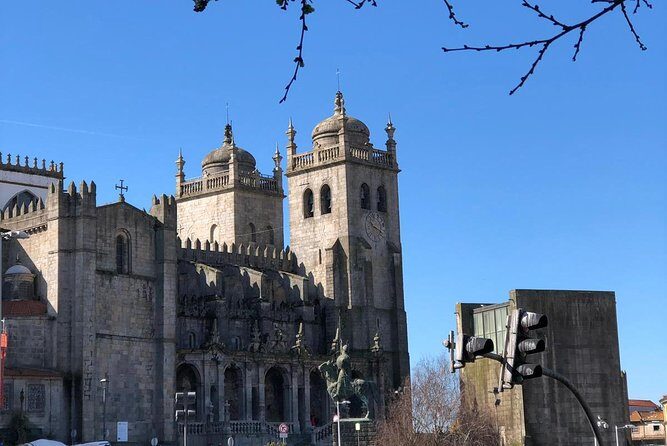
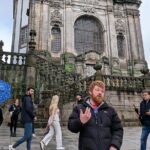
After that, you move toward Torre dos Clérigos, described as one of Porto’s signature icons. This stop isn’t only about admiring the tower—it’s about understanding why it became part of Porto’s visual identity.
If you’ve ever wondered why some cities seem to “collect” specific architectural styles around one neighborhood, this is where you get the answer. The guide’s job here is to connect a single landmark to the bigger logic of the city’s growth—religious influence, civic power, and how people organized their lives around major institutions.
Expect walking on uneven ground. This is classic Porto: narrow, steep, and full of textures under your shoes. It’s not a problem, but it is a reality.
Miradouro da Vitória: the viewpoint that explains the 1800s
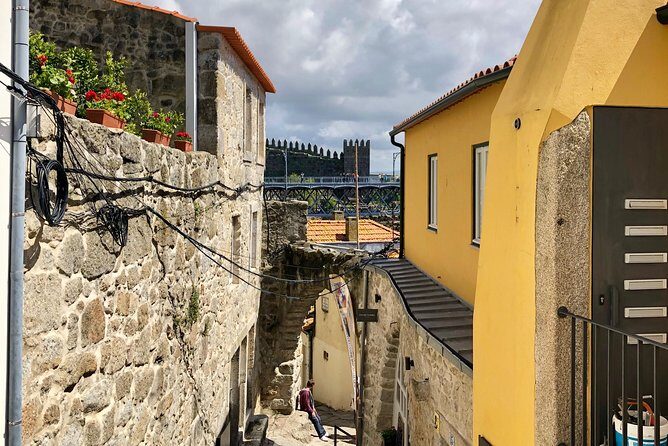
The route climbs up to Miradouro da Vitória, a viewpoint with a privileged look over Porto. Here, the guide ties the scenery to major 19th-century events, including the Napoleonic invasion and the Portuguese Civil War.
What makes this stop work is the timing. You’re not just seeing a postcard view—you’re looking while someone explains why the city mattered during conflict and how it shaped the modern Porto you’re standing in. Once you’ve heard the story, the geography feels more meaningful. You begin spotting why people would defend, fight, and negotiate from specific parts of town.
Also, viewpoints slow you down in a good way. You’ll likely take a minute to breathe, check your photos, and settle your legs before moving again.



Avenida da Liberdade to São Bento: finishing in a former convent
As you head along Avenida da Liberdade, the tour sets up its grand finale: ending inside Estação de São Bento. This station is described as an old convent and one of the most beautiful train stations in the world.
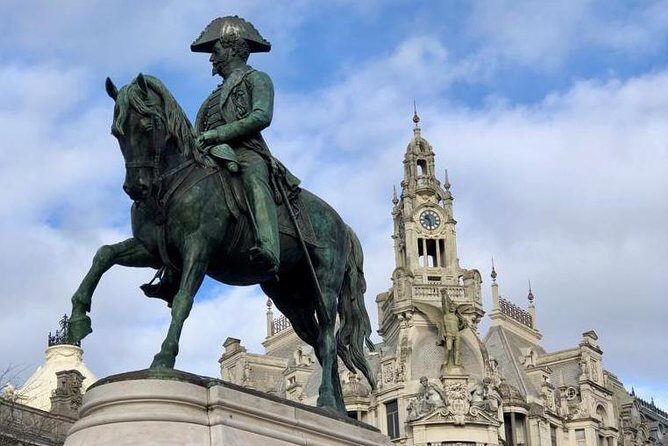
Even if you don’t use trains, this ending is worth it. São Bento feels like a cultural room inside a transportation hub. It’s a strong close because your eyes get something more than streets and churches: you get art, stonework, and the sense of Porto placing beauty where people move through daily life.
The station stop also connects well to the earlier parts of the tour. Porto’s story isn’t only about what happened long ago—it’s also about how the city functions now, and how old spaces get reused without being erased.
The port tasting and snack: why it’s a smart inclusion
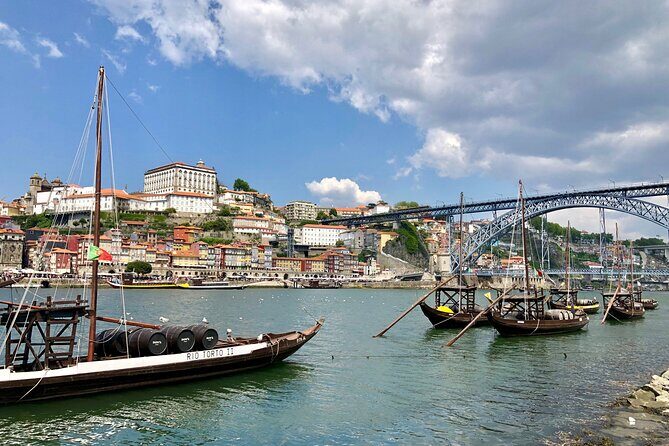
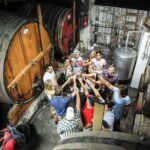
Many Porto tours stop at “look at this, next stop.” This one adds something you can actually do: a port tasting with a light snack. That simple inclusion gives the walk a break-and-reward rhythm, which matters on a 3-hour itinerary.
The tasting is also a history shortcut. You learn how port-making links to the city’s identity and, more importantly, how it connects to Porto’s past. You don’t need to be a wine expert; the point is to help you taste with curiosity.
If you care about buying the right bottle later, pay attention to how your guide talks about quality and provenance. One great thing about port tastings in Porto is that they can turn shopping from guesswork into informed choices. And yes, it makes the whole tour feel more like you’ve met Porto, not just photographed it.
How hilly walking affects your comfort (and how to plan for it)
This walk is about 3 hours and you’ll cover a lot of ground on streets that can be steep, narrow, and cobbled. Most people can join, but you’ll want a realistic game plan.
I recommend wearing shoes with grip and cushioning. If you bring sneakers that are too flexible or worn out, the cobbles can feel punishing. Also, plan your energy: the viewpoint climb to Miradouro da Vitória is the kind of moment where you’ll feel the difference between good pacing and rushing.
The upside is that the city’s slopes force you to experience Porto differently. You see angles you’d never catch from flat, bus-only routes, and the viewpoint stop lands harder because you’ve earned your elevation.
Group size, guide energy, and the value of asking questions
The tour caps at a maximum of 15 people. That size is big enough to be social, but small enough for the guide to keep attention on you rather than broadcasting to a crowd.
The standout in the reviews is how engaging the guides are. Names that show up repeatedly include Nuno, Sid, and David. More than that, they’re described as friendly, funny, and genuinely open to questions—so if something in the story puzzles you (and Porto has plenty of that), you can ask and get a real answer.
This is also a practical tour. You’ll get restaurant recommendations and advice for enjoying port without falling into the most obvious tourist traps. That kind of guidance can easily save you time later.
What the “logical route” does for your brain
A good walking tour doesn’t just list monuments. It links them so your understanding grows as you move. This one is designed so each stop sets up the next: church area context leads into power and institutions, then viewpoint perspective, then the grand cultural finish at São Bento.
You’ll also notice how the guide uses geography to explain political and religious influence. One theme that comes up in the storytelling is the relationship between the Roman Catholic Church and Porto’s political story. Even if you don’t care about politics on vacation, that connection helps you interpret why certain buildings look the way they do and why they were built as they were.
If you’ve ever left a city tour with 20 photos and zero clarity, this route aims to fix that. It’s a “get your bearings fast” kind of day.
Who this Porto walking tour fits best
This tour is a strong match if you:
- Want a first-day orientation to Porto with history you can see on the street
- Like short, guided stops that don’t drag
- Enjoy a small-group pace and time for questions
- Want included food and drink, not just sightseeing
It’s also a good choice if you’re staying only a couple days and want a single activity that helps you plan the rest. The route ends near Ribeira Square, so you’re positioned to keep exploring along the Douro area afterward.
Where it may not fit as well: if you hate hills, or if you need a very flat route with minimal stairs. The tour can be manageable for many people, but the terrain is not pretend-flat.
Should you book this Porto Walking Tour?
I’d book it if you want value, clarity, and a city introduction that feels grounded. For $24.14 per person, you’re getting a 3-hour guided walk through major Porto landmarks, plus port tasting and a light snack, and you finish at São Bento—a memorable place to end. That combination beats the usual “just walk and look” format because it gives you context and a taste of Porto’s culture.
Book it sooner rather than later if you can; it’s typically scheduled about 6 days in advance. Also, choose a day when the weather is good—this experience requires decent conditions, and if it’s canceled for weather you’ll be offered an alternate date or a full refund.
If you want Porto explained with humor and real street-level context, this is a smart way to start.
FAQ
What time does the Porto Walking Tour start?
It starts at 10:00 am.
How long is the tour?
The walking tour runs for about 3 hours.
Where does the tour start and end?
It starts on Rua de São Filipe de Nery and ends at Ribeira Square (Praça Ribeira) near the Douro River.
What language is the tour offered in?
The tour is offered in English.
How big is the group?
The tour has a maximum of 15 travelers.
Is port tasting included?
Yes. The experience includes a port tasting along with a light snack.
Is the tour suitable for most people?
Most people can participate, but expect lots of walking on steep, narrow, cobbled streets and varying gradients.
What if the weather is bad or I need to cancel?
The tour requires good weather. If it’s canceled due to poor weather, you’ll be offered a different date or a full refund. You can cancel for a full refund up to 24 hours before the experience starts.