REVIEW · PORTO
Authentic Douro Valley – small-Group Tour (Max 7)
Book on Viator →Operated by Oporto & Douro Moments · Bookable on Viator
One of Portugal’s prettiest drives starts here. This small-Group Douro Valley tour takes you out from Porto for a full day among terraced vineyards, small villages, and two wine stops led by a real local guide. I like the way the itinerary keeps moving without feeling rushed, and I also like that the group size is kept tiny so you can ask questions and get real context.
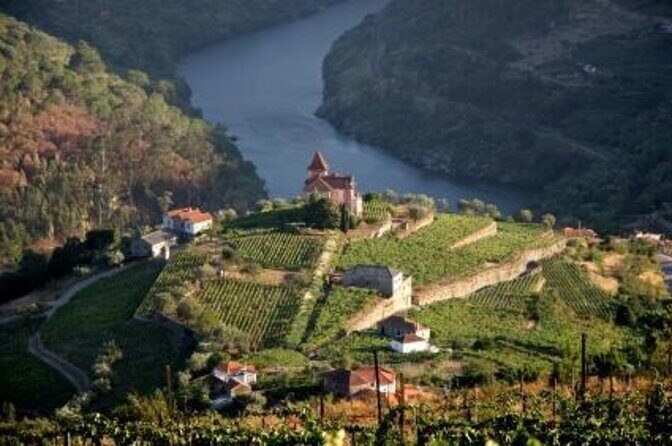
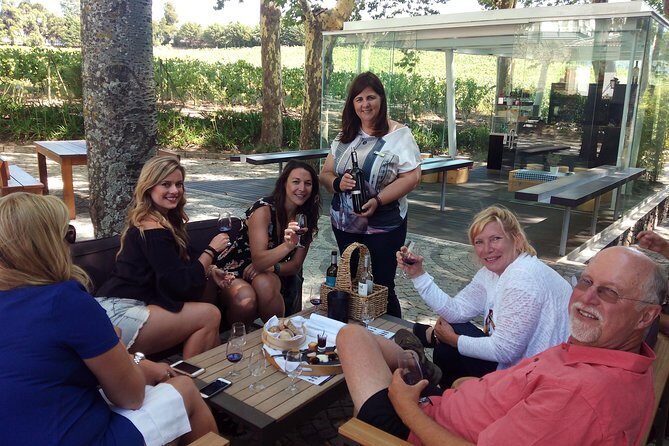
Two things I especially like: first, you get wine tastings at two local vineyards plus learning about how the region’s winemaking works (including Douro DOC), not just pouring glasses and moving on. Second, the day is built around viewpoints and classic Douro towns like Sabrosa and Pinhão, so the scenery actually supports the story—not the other way around.
One possible drawback to consider: it’s a long day (about 8–9 hours) and you’ll spend time in a car on steep, narrow roads. If you’re prone to motion sickness, pack something for that and plan to take it slow with the tastings.
In This Review
- Key highlights worth your attention
- Douro Valley from Porto: why it works as a full-day plan
- Price, group size, and what you’re really paying for
- The start in Porto: from the statue to the terraced hills
- Sabrosa and a Quinta: DOC tastings, olive oil, and the human side of wine
- Pinhão, village time, and the N222 drive that earns its fame
- Lunch at a winery (not included): how to make the meal part of your plan
- Second tasting in Peso da Régua: Douro DOC and Port, plus a real finish
- Guide impact and why the driver matters on Douro roads
- Who this tour fits best (and who might want a different plan)
- Should you book Authentic Douro Valley (Max 7)?
- FAQ
- How long is the Authentic Douro Valley small-group tour?
- Where does the tour start and end?
- What time does the tour begin?
- How large is the group?
- What language is the tour offered in?
- Are wine tastings included?
- Is lunch included?
- Is there a cancellation option?
Key highlights worth your attention
- Max 7 people keeps the experience personal and lets you get answers to your questions.
- Two vineyard tastings plus Port focus gives you a solid intro to Douro DOC style.
- UNESCO-listed Douro villages like Sabrosa and Pinhão add culture beyond wine.
- The N222 road drive is part scenic spectacle, part photo mission.
- Air-conditioned van and a professional driver help on a long, winding day.
Douro Valley from Porto: why it works as a full-day plan
Porto is a smart base, and the Douro Valley is the kind of place that rewards a day trip. The vineyards are spread across steep hillsides, so you really do need transport and local guidance to see the key viewpoints and villages in one go. This tour is designed for that: you’re not just driving around randomly; the stops are sequenced to give you variety and clear “why this matters” context.
You also get the best of both worlds. In Porto, your brain is still in city mode. Then the day shifts into terraced vineyards and small-town pace. The transition is part of the fun, especially if you’re the type who likes seeing how people live and work in a place, not just eating and checking photos off a list.
You can also read our reviews of more tours and experiences in Porto.


Price, group size, and what you’re really paying for
At $356.01 per person, this isn’t a budget excursion. But it also isn’t priced like a private driver-and-guide setup. The value comes from three places:
- The group size: up to 7 people means your guide can actually manage the day with flexibility, not just herd people through tastings.
- The guide + tastings: this is built around guided wine education and tasting time at local producers.
- Transportation for a hard-to-navigate region: Douro roads can be steep and narrow, and you don’t want to be doing that yourself after a few pours.
One extra detail that matters for planning: the activity lists a maximum of 30 travelers, but the tour itself is a small-group tour (up to 7). Practically, that usually means you’ll still experience the day with your small group and guide, while other groups may be running at the same time.
If you want to optimize your money, this is the type of tour that makes sense if you’re short on days in Porto and you want a focused Douro introduction without wasting hours on logistics.
The start in Porto: from the statue to the terraced hills
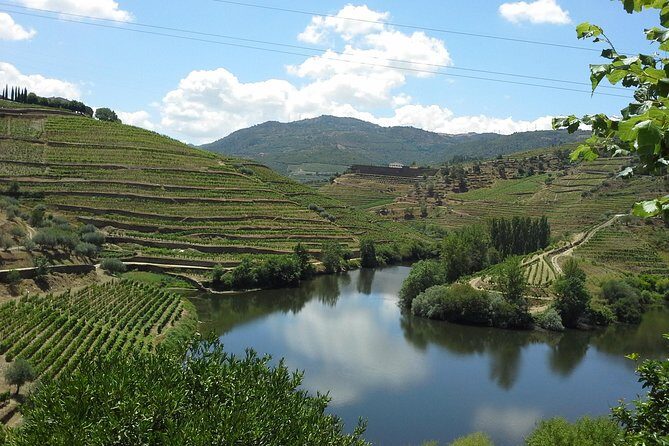
Your morning starts at Statue of Vímara Peres in Porto, meeting at Calçada de Vandoma, 4000-013. The tour begins at 9:30am and ends at Avenida dos Aliados. This matters because you’re not starting in some remote edge of town. You can also get there via public transportation since the meeting point is listed as near transport.
From the first stretch of the day, the plan is simple: get out to the Douro Valley and begin building a picture of the region. A good guide helps you read the scenery while you’re driving—where terraces start, how villages sit along slopes, and why the winemaking is shaped by that steep terrain.
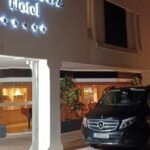
A small note on comfort: the van is air-conditioned, which is a big deal in warmer months since you’ll be traveling between viewpoints and towns for hours.
Sabrosa and a Quinta: DOC tastings, olive oil, and the human side of wine
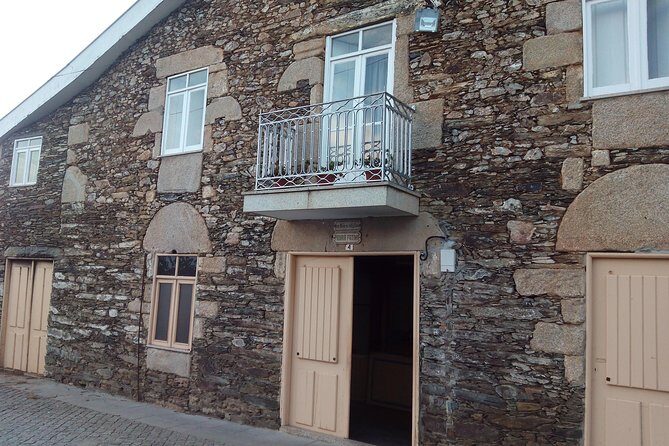
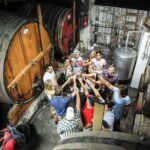
Sabrosa is one of those stops that makes the Douro feel real. Instead of only scenic pull-offs, you get a visit to a small Quinta / wine producer. The tasting here includes Douro DOC, and you also spend time learning about what makes Douro winemaking unique.
This is also where you get a taste of the food-and-farm side of the region. The tour includes an olive oil experience connected to the producer visit. In one of the guide-highlight moments, Quinta de Fonte do Milho shows up as an especially appreciated stop—so if you love the idea of meeting the people behind the wine, you’ll likely like what this kind of Quinta visit adds.
Why this stop is valuable for your day: it anchors the rest of the drive. After you see how a producer thinks, later viewpoints make more sense. You’re no longer just seeing terraces; you’re imagining grape rows, microclimates, and how families keep producing on slopes that most places would consider impractical.
A practical consideration: tastings add up over a full day. If you’re someone who likes to taste slowly and stay sharp, pacing yourself in Sabrosa helps you enjoy the rest of the tour without feeling like your brain is negotiating with the wine.
Pinhão, village time, and the N222 drive that earns its fame
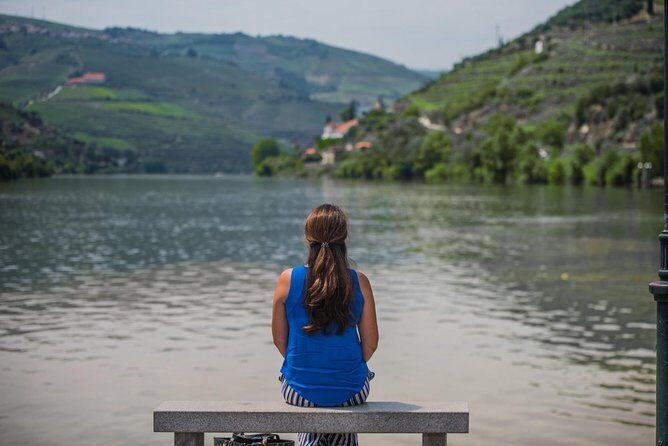
After Sabrosa, the tour moves through historic Douro Valley areas and viewpoints, with dedicated time built in for photos. There’s also a stop in Pinhão, where you get a short village visit plus time to have a drink while hearing about local history and culture.
Pinhão is a nice change of pace because it’s not only about wine production. You get a chance to “read” the place—streets, facades, and the daily life feel of a Douro town. The best advice here is to keep your eyes open. The tour description even hints at it: look beyond the front-of-building appearances and you’ll likely find more character than you expect.
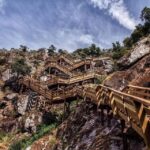
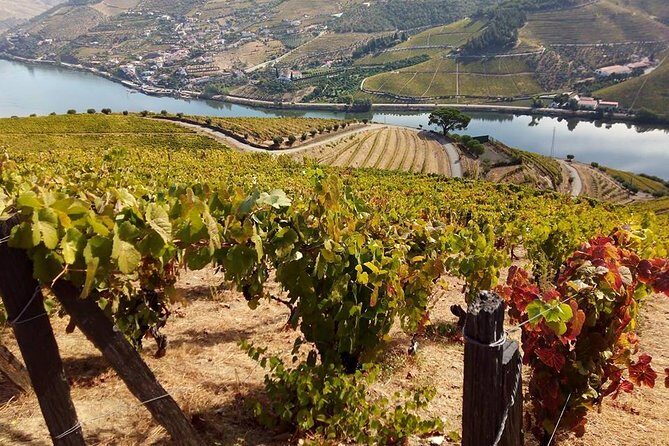
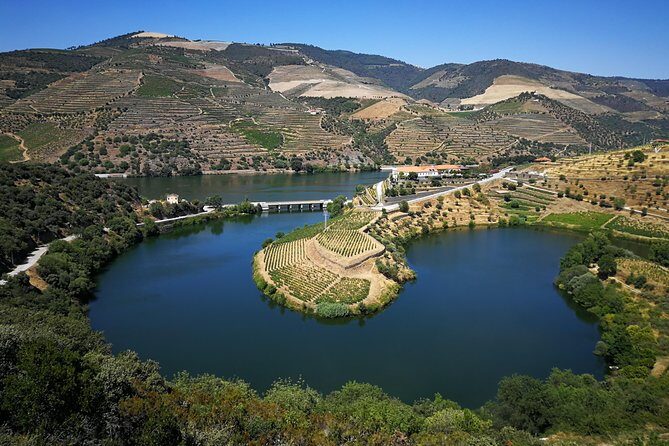
Then comes one of the big showpieces: a drive on the N222, described as one of the most iconic road stretches in the world. This is where the region looks like postcards because the terraced hillsides are laid out along your route. You’ll want to take photos, but I’d also suggest you do a few minutes just watching without shooting. The angles and scale are hard to fully capture.
If you’re sensitive to motion on winding roads, bring a plan for that day. The tour includes a professional driver, but the roads still twist, climb, and curve.

Lunch at a winery (not included): how to make the meal part of your plan
Lunch happens at a winery: the tour invites you to eat there, but lunch is not included. The day’s schedule gives you about 1 hour 30 minutes for lunch, plus the winery experience is positioned as a way to discover Portuguese wines and food in a contemporary presentation.
Because the meal isn’t included in the tour price, you should treat lunch as your chance to tailor the day. If you prefer to eat somewhere else, you’re asked to let the organizer know at reservation time. That flexibility can be helpful if you have dietary needs or you just want a different dining style than a winery restaurant.
Here’s how I’d think about it as value: this tour already covers guide time and tastings. So the lunch fee is your “choose-your-own-upgrade.” If you like winery dining, this structure makes sense because you’re staying in the wine world rather than breaking the flow. If you don’t care much about a plated lunch and prefer a lighter bite, you can plan accordingly within the time window.
Diet note: the tour asks you to advise specific dietary requirements at booking. Since lunch isn’t included, your exact options may depend on what the winery offers.
Second tasting in Peso da Régua: Douro DOC and Port, plus a real finish
After lunch, you head to Peso da Régua, where the tour continues with more wine time. You get another tasting focus on Douro DOC and Port—and the framing here is very practical: Port often pairs well after a solid meal. It’s a classic Douro move, and it also helps balance the day so you don’t feel like the wine is all you’ve been doing.
This portion is also where a good guide earns their keep. A strong host helps you understand what you’re tasting and why it differs from the earlier stop. Even if your palate is still getting used to Douro styles, you’ll likely appreciate the chance to compare.
Then the tour heads back toward Porto by van, with about 1 hour 15 minutes of return travel. You finish at Avenida dos Aliados, which is a convenient place to re-enter the city vibe and continue your evening plans.
Guide impact and why the driver matters on Douro roads
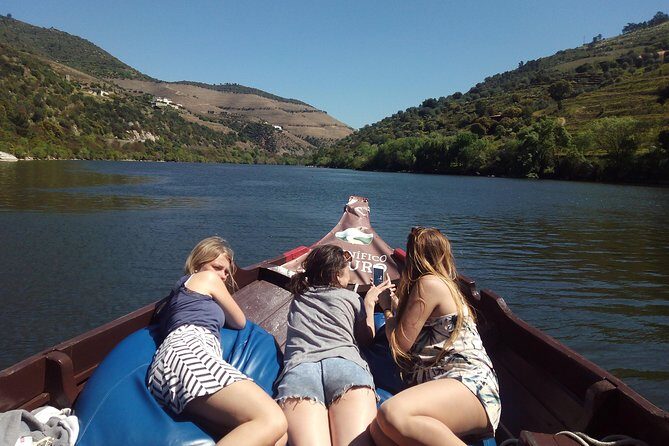
The reviews emphasize that the guide experience is a major reason people rate this tour so highly, and the names that come up include João, plus mentions of Roi and Rui as part of the team. While you can’t guarantee which individual guide you’ll get, the pattern is consistent: people value guides who can connect wine and place in a way that feels clear and not forced.
This matters because Douro Valley wine can sound technical fast. A good guide makes it usable. You learn the “why” behind terraces and DOC style, and you also learn how to talk about the wine without needing a chemistry degree.
Also, don’t ignore the driving context. One highlight in the feedback is that the roads are tricky, steep, and narrow. That’s not a reason to avoid the tour—it’s a reason to respect it. If you’re not used to European mountain roads, having the driver handle it is exactly what you’re buying.
If you tend to get carsick: take precautions. Water helps. Sitting toward the front can help. And yes, it’s smart to go easy with tastings if you’re still adjusting.
Who this tour fits best (and who might want a different plan)
This tour is a great fit if:
- You want a Douro introduction that includes tastings, villages, and viewpoints in one day.
- You like small groups where you can ask questions and get a guided explanation rather than just transportation.
- You’re traveling in English and want an English-language experience with a single-language guarantee.
- You’d rather spend the day in the Douro than do a “wine tasting only” version that skips most of the towns.
It may be less ideal if:
- You hate long drives and want a lighter day.
- You’re extremely sensitive to motion sickness.
- You don’t drink wine at all (the tour is built around tastings and wine-focused stops, so your value perception may drop).
If you’re a couple, this is especially appealing because the small group size keeps the day feeling personal without turning into a pricey private tour.
Should you book Authentic Douro Valley (Max 7)?
My take: yes, if you want a structured Douro day with real wine stops and minimal hassle. The small-group format is the key ingredient. The tastings at two vineyards and the added Port focus make it feel like more than a scenic drive. Add the guide-led context in places like Sabrosa and the photo-friendly N222 route, and you end up with a day that feels purposeful.
Before you book, check two things. First, make sure you’re comfortable with an 8–9 hour day and winding roads. Second, plan for lunch since it isn’t included—either budget for a winery meal or be ready to request an alternative lunch arrangement when you reserve.
If you do those two things, this is a strong way to see why Douro Valley wine isn’t just a drink. It’s a landscape shaped by effort, and this tour does a good job showing you that story in a single, satisfying day.
FAQ
How long is the Authentic Douro Valley small-group tour?
It runs about 8 to 9 hours.
Where does the tour start and end?
It starts at Statue of Vímara Peres in Porto and ends at Avenida dos Aliados in Porto.
What time does the tour begin?
The start time is 9:30am.
How large is the group?
It’s a small-group tour with a maximum of 7 people. The overall activity listing also shows a maximum of 30 travelers.
What language is the tour offered in?
The tour is offered in English with a one-language guarantee.
Are wine tastings included?
Yes. You get guiding plus wine tastings as part of the tour.
Is lunch included?
No. Lunch at the winery is not included (à la carte), and you can let the organizer know if you prefer lunch in another place.
Is there a cancellation option?
Yes. You can cancel for a full refund if you cancel at least 24 hours before the experience starts. Free cancellation is available up to that deadline.