REVIEW · PORTO
Porto: Port and Douro Wine Walking Tour With 9 Wine Tastings
Book on Viator →Operated by EFun Tours · Bookable on Viator
If wine could give you a shortcut to Porto’s soul.
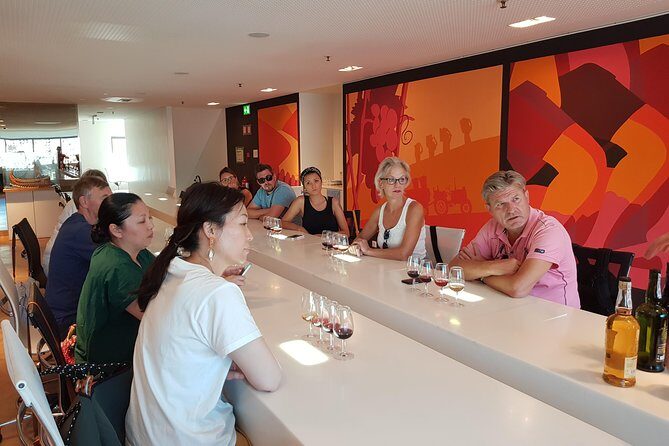
This 3-hour Porto and Douro Wine Walking Tour is a hands-on afternoon in Vila Nova de Gaia, built around 9 tastings at three different wine stops. You get a professional local guide speaking English, plus a focused way to understand the difference between styles from the Douro and classic port culture.
I like the way the tour mixes three distinct tasting venues instead of repeating the same selection in one place. The other thing I really value is the pacing: you walk, you learn, and you taste without turning the whole afternoon into a drinking contest. One drawback to consider: it’s a walking tour with an uphill start, so you’ll want comfortable shoes and a quick plan for moving slower if your legs aren’t feeling great.
In This Review
- Key Things to Know Before You Go
- Why Gaia’s Wine Stops Feel Different
- Price and What You Really Get for $59.26
- The 2:30 pm Meeting Point and How to Time Your Afternoon
- Your Walk: Pace, Uphill Start, and Weather Reality
- Stop 1: Vasques De Carvalho and the Port-Focused Lesson
- Stop 2: Solar dos Dragos and Douro Valley Comparisons
- Stop 3: Fonseca Porto and the Cellar Experience
- 9 Tastings in 3 Hours: How to Pace Yourself
- Guides Make (or Break) the Afternoon
- What to Eat Before You Go (So You Don’t Hate Wine)
- Getting the Most from Each Tasting
- Who This Porto Wine Walking Tour Suits Best
- Should You Book This Porto and Douro Wine Walking Tour?
- FAQ
- How long is the Porto: Port and Douro Wine Walking Tour with 9 Wine Tastings?
- What time does the tour start?
- Where do I meet the tour?
- How many wineries and tastings are included?
- Is lunch included?
- Is the tour offered in English, and can I do it privately?
- What is the minimum drinking age?
- Does the tour run in bad weather?
- What is the group size limit?
- Can I cancel for a full refund?
Key Things to Know Before You Go
- 9 wine tastings across 3 lodges means you actually compare styles, not just sample.
- English-speaking guide keeps the science and history clear, even if wine is new to you.
- Vila Nova de Gaia meeting point puts you in the heart of port cellars and riverside energy.
- All-weather operation: the tour runs rain or shine, so dress for the forecast.
- Max 20 travelers helps the experience stay relaxed and not like a factory line.
Why Gaia’s Wine Stops Feel Different
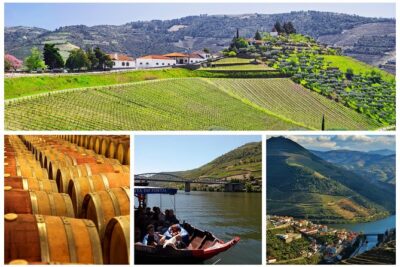
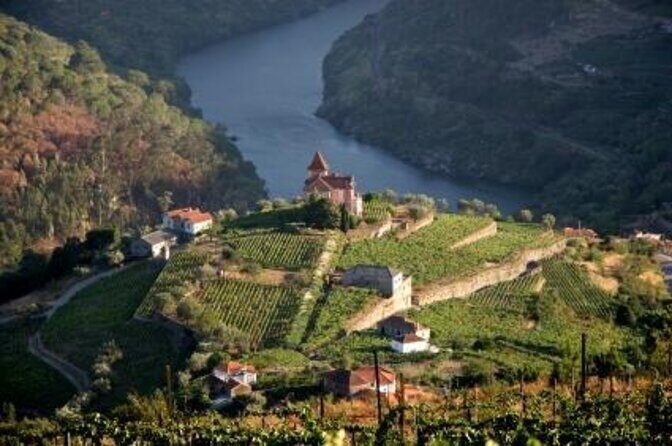
Port is easy to romanticize. Fortified wine. Douro valleys. Cellar walls. But this tour does something smarter than selling the vibe: it helps you connect what you taste to how it’s made and why each producer tastes different. That’s where a local guide matters. The tastings aren’t random pours. They’re meant to teach you what to look for.
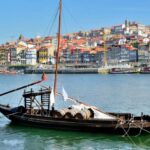
You’ll start in Gaia, not Porto proper. That’s a real plus. Most port brands live on the Gaia side because the business grew around shipping from the river. So your afternoon starts where the port story actually gets stored, aged, and sold.
You can also read our reviews of more walking tours in Porto


Price and What You Really Get for $59.26
At about $59.26 per person for roughly 3 hours, the value comes from bundling three big costs into one ticket: a guide, admission/fees at the wineries, and multiple scheduled tastings. Without a tour, you’d likely pay for those tastings one stop at a time, and you’d still have to figure out logistics and time.
This is also one of those deals where you’re paying for convenience, not just wine. The tour handles the transitions between lodges, and you don’t waste your time hunting for the right places in a neighborhood that can feel like a maze when you’re new.
The 2:30 pm Meeting Point and How to Time Your Afternoon
You meet at Posto de Turismo de Gaia (Av. de Diogo Leite 135, 4400 Vila Nova de Gaia). The tour starts at 2:30 pm and ends at Largo Miguel Bombarda 3, 4400-222, also in Gaia.
This timing is ideal if you want a late afternoon that doesn’t steamroll your whole day. It also means you should plan one thing carefully: you’ll be doing tastings before dinner. So go into the tour with a solid meal. The tour doesn’t include lunch, and the tastings add up faster than you might expect.
Practical tip: arrive a few minutes early, especially if your group is checking in for a mobile ticket.
Your Walk: Pace, Uphill Start, and Weather Reality
This is a walking tour, and one theme shows up in people’s experiences: the start can be a bit steep. It’s not described as extreme, but it’s enough that I’d treat it seriously. Wear shoes with grip and take it slow for the first stretch.
Good news: the tour is only about 3 hours total, and once you settle into the route, it typically feels more manageable.
Weather-wise, the tour runs in all conditions. If it’s raining hard, the guide may adjust how the walk is arranged so you’re not stuck out in the worst weather. Still, bring a light rain layer or umbrella so you’re comfortable between stops.
Stop 1: Vasques De Carvalho and the Port-Focused Lesson
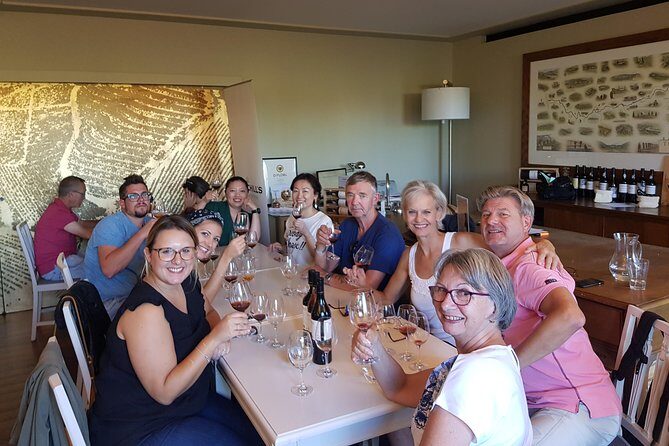
Your first stop is Vasques De Carvalho, where the emphasis is on Port. This is a smart opener because it sets your baseline early. Port wine isn’t one thing—it’s a family of styles with different aging methods and flavors. Starting with a dedicated port stop helps you build a mental comparison right away.
What I’d watch for here is how the flavors shift between styles as the afternoon goes on. Even if you don’t know the terms, pay attention to things like sweetness level, fruit intensity, and whether the wine tastes more fresh or more aged.
The tasting window is about 45 minutes, so you won’t feel rushed. You’ll have time to listen, ask questions, and actually taste instead of just standing there.
One more thought: some tours at the first stop may include small bites or extra items, depending on what’s available at the location. Don’t count on a meal replacement. Your best move is to eat earlier so the afternoon tastings don’t make you cranky.
You can also read our reviews of more wine tours in Porto
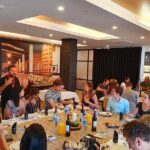



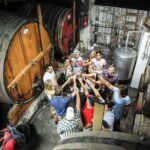
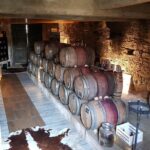
Stop 2: Solar dos Dragos and Douro Valley Comparisons
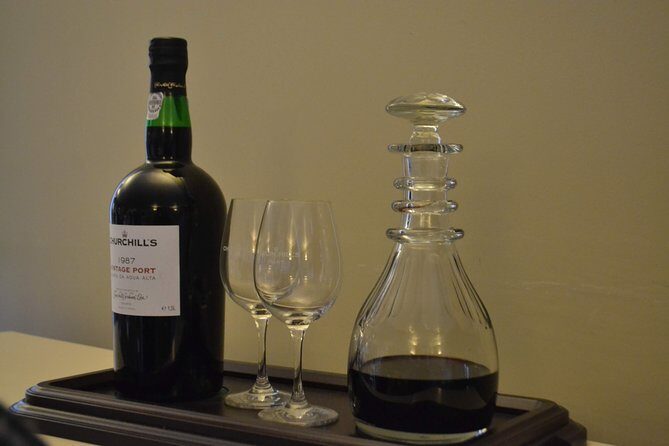
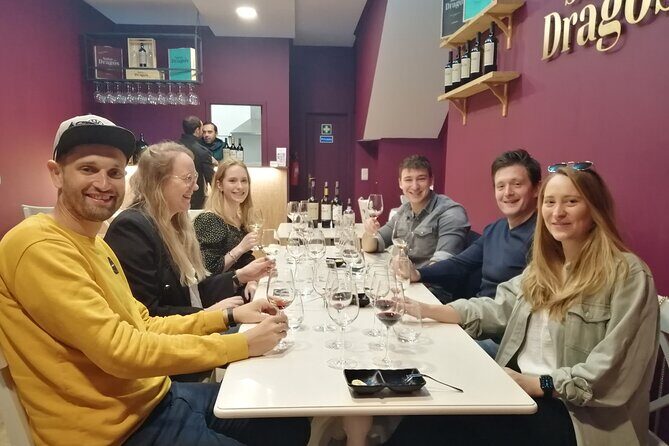
Next up is Solar dos Dragos Porto & Douro Wines. The promise here is a look at Douro Valley wines, and this stop is where the tour helps you understand the bigger picture behind port.
Douro wines matter because port comes from the Douro region. When you taste Douro styles alongside port, the learning clicks faster. You start noticing differences in body, structure, and how the fruit shows up.
This stop also helps you separate marketing language from what’s in the glass. You’ll taste more than one style, and the guide can help you connect that to production methods. That makes your later stop (the bigger brand cellar experience) feel less like sightseeing and more like a continuing lesson.
Again, you get about 45 minutes here. That’s long enough to slow down. If you rush tastings, you miss the comparison. This portion rewards patience.
Stop 3: Fonseca Porto and the Cellar Experience
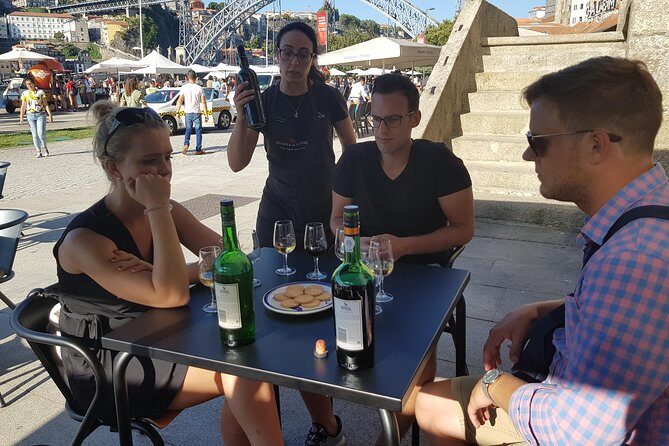
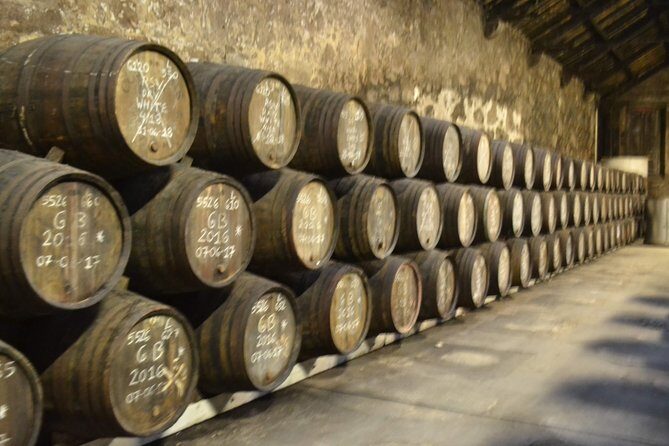
Your final stop is Fonseca Porto, with a visit to a wine cellar and tastings focused on port. This is the stop that often lands well because it feels like a true cellar visit, not just a tasting room.
There’s also something useful about ending with a larger, well-known producer. By this point, you’ve already tasted other styles and producers, so you can compare how a big name interprets port. Some people end up loving the clarity of the cellar explanations here, and others just appreciate the range in the wines.
Expect about 45 minutes for the stop. By the end, you’ll likely feel the difference between styles more clearly than at the beginning, because your palate has had time to adjust.
If you’re the type who wants to ask deeper questions, save a couple for this final cellar visit. Your guide will have seen you take in the basics already, so the explanations can land better.
9 Tastings in 3 Hours: How to Pace Yourself
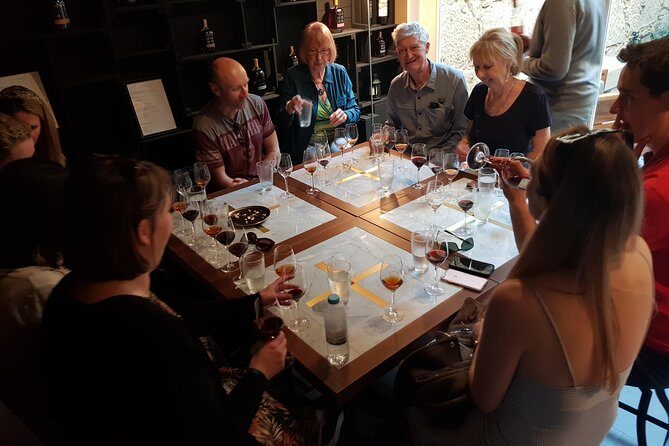
This is one of those tours where the number sounds intense—9 tastings—but the experience is designed around tasting portions, not full pours. Most people find the serving sizes manageable across the afternoon.
Still, I recommend treating it like a tasting marathon. Wine affects you cumulatively. Even small tastings add up, especially if you’re tasting multiple sweetness levels and strengths.
My practical advice:
- Sip, don’t chug, even if something tastes incredible.
- Take a breath between tastings so your brain can reset.
- Have water during the gaps between stops.
Also, think about your dinner plan. You’ll likely be ready for food, not more wine. If you eat late, you can end up feeling too full too fast. A light dinner right after the tour often feels best.
Guides Make (or Break) the Afternoon
This tour lives or dies by the guide. And in the experiences I see reflected in people’s feedback, the guide energy matters a lot.
You might meet guides like Pedro or Ricardo, and the key strength seems to be that they can explain port in a way that doesn’t feel like a lecture. People also mention guides having strong English and being flexible—like rerouting when rain hits hard early on.
That flexibility is underrated. If you’ve ever done a walking tour in bad weather, you know how quickly things go sour when the route doesn’t adapt. Here, you’re not just stuck. The guide can change the order or walking amount so you still get the tastings.
One more practical point: this tour runs with a maximum group size of 20 travelers, which helps keep the guide from getting swallowed by crowds. Smaller groups also make it easier to ask questions without shouting across a room.
What to Eat Before You Go (So You Don’t Hate Wine)
This is a wine tour without lunch. That means your biggest prep move is food timing.
I strongly suggest you eat a proper meal before 2:30 pm. Don’t rely on snacks from the road. Even if you see small bites offered at a winery, it’s not the same as a lunch you planned for.
If you show up hungry, you’ll feel the wine faster. You’ll also feel less patient with explanations. If you show up well-fed, you can take your time, taste thoughtfully, and enjoy the walking.
Getting the Most from Each Tasting
Here’s the simple method I use on wine tours, and it works for this one too:
- Taste for one thing: sweetness, fruit, or acidity.
- Listen for one key production term from the guide.
- Compare the next tasting to the first one you remember.
By stop three, you should be able to tell whether a port style tastes more fresh or more aged, and whether it leans lighter or heavier. Even if you never memorize every category, you’ll leave with a clearer gut-level sense of what you prefer.
If you want to buy wine later, that’s where the tour pays off. You’ll have references instead of guessing.
Who This Porto Wine Walking Tour Suits Best
This tour is a great match if you:
- Want a structured way to learn port and Douro wine without booking separate tours.
- Prefer walking + tastings over museum-style travel.
- Like meeting a small group and spending a relaxed afternoon in Gaia.
- Appreciate historic winery visits with professional guidance.
It might be less ideal if:
- You dislike walking with a steep start.
- You’re looking for a full meal experience during the tour (lunch isn’t included).
- You want a very slow, minimal-walking experience.
Should You Book This Porto and Douro Wine Walking Tour?
Yes—if you want real value for 9 tastings in about 3 hours, with a guide who can turn what’s in the glass into something you actually understand. The format is efficient: three winery stops, time to taste, and enough structure to keep it from feeling random.
Book it if you’re building your Porto wine game plan for the rest of your trip. You’ll know what styles you like, and that makes later shopping and restaurant ordering much easier.
Skip it only if the uphill walk stresses you out or if you’d rather do a longer, slower, food-centered wine day. Otherwise, this is one of the clearest ways to experience Porto’s wine world without wasting time.
FAQ
How long is the Porto: Port and Douro Wine Walking Tour with 9 Wine Tastings?
It lasts about 3 hours.
What time does the tour start?
The start time is 2:30 pm.
Where do I meet the tour?
You meet at Posto de Turismo de Gaia | Gaia Tourism Office, Av. de Diogo Leite 135, 4400 Vila Nova de Gaia, Portugal.
How many wineries and tastings are included?
You visit 3 different wine lodges and enjoy 9 wine tastings.
Is lunch included?
No. Lunch is not included, so you should eat beforehand.
Is the tour offered in English, and can I do it privately?
Yes. The tour is offered in English, with a professional local guide (English speaking). There is also an upgrade option for a completely private guided tour.
What is the minimum drinking age?
The minimum drinking age is 18 years.
Does the tour run in bad weather?
Yes, it operates in all weather conditions. Dress appropriately.
What is the group size limit?
The tour has a maximum of 20 travelers.
Can I cancel for a full refund?
Yes. Free cancellation is available up to 24 hours in advance for a full refund.