REVIEW · PORTO
Porto – Old Town Tour with an official guide
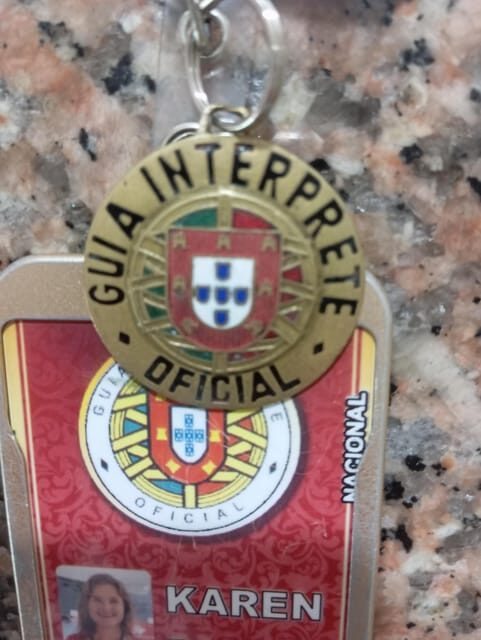
Book on GetYourGuide →Operated by Official Tours Porto Karen · Bookable on GetYourGuide
Porto gets personal fast on this walk. You start at São Bento and end with Clérigos and Livraria Lello, but the real win is how the guide threads the big sights through the lived-in streets UNESCO protects. I really like the mix of tourist stops and quieter neighborhoods, plus the way Karen brings the city to life with stories and practical local advice (including food and where to catch fado). One thing to plan for: it’s not an easy stroll for everyone, since it isn’t suitable for wheelchair users and you’ll be moving through uneven, old-street ground.
If you want Porto as it actually feels day to day—not just another photo lineup—this tour is a strong value. It’s also refreshingly clear that it’s led in French by an official certified local guide-interpreter, so you get context without the usual guessing game.
In This Review
- Key things that make this Porto tour worth your time
- Why this Porto walk feels more local than a checklist
- Meeting at São Bento and getting your bearings quickly
- Sé and Vitória: medieval streets plus an old Jewish quarter
- Cordoaria’s Garden to the University: Porto’s daily pulse
- Clérigos Church and Livraria Lello: two icons tied to a bigger story
- How Karen’s French commentary turns Porto into a story you can repeat
- What to watch for on your 4-hour route (and how to prepare)
- Who this Porto tour fits best
- Final verdict: should you book this Porto Old Town tour?
Key things that make this Porto tour worth your time
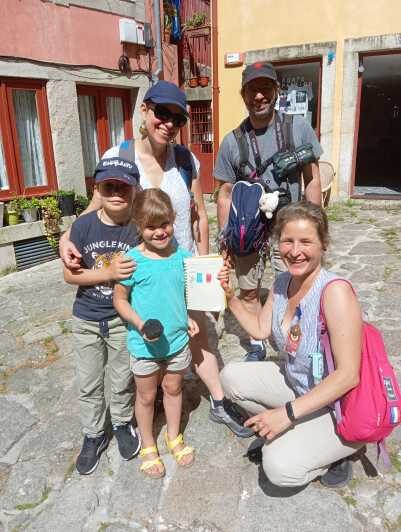
- São Bento Station first: you get grounded in the city right away.
- Sé and Vitória: medieval streets and the area’s Jewish history in the UNESCO heart.
- Real neighborhood walking: inhabited lanes instead of only fenced-off sights.
- University and Cordoaria’s Garden: Porto’s present-day rhythm, not only the postcard view.
- Clérigos and Livraria Lello: two iconic landmarks tied to a bigger story.
- Karen’s storytelling + practical tips: you leave with ideas for food and fado, not just landmarks.
Why this Porto walk feels more local than a checklist
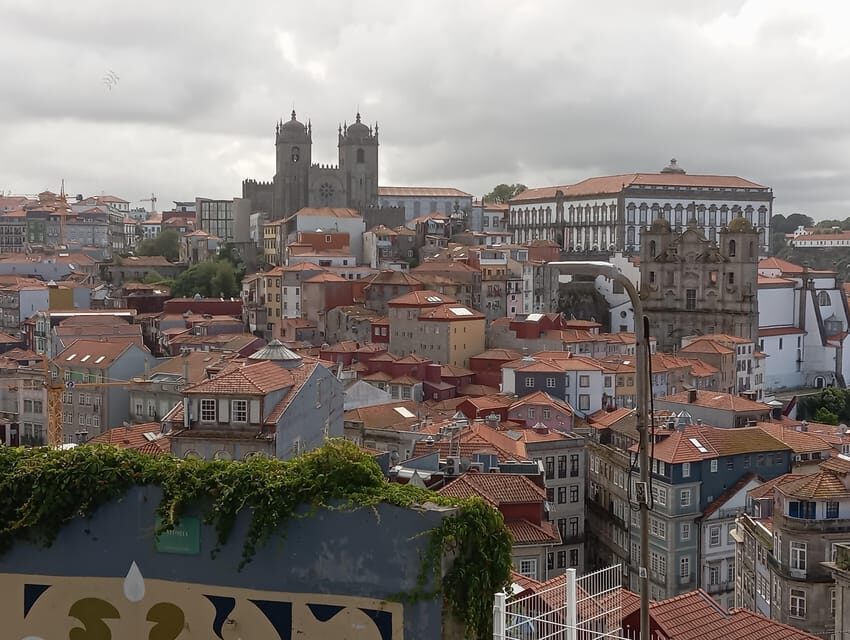
This tour is built around one idea: you shouldn’t only see what Porto looks like. You should see how it works—through its streets, its neighborhoods, and the everyday details locals notice. The route deliberately mixes famous stops with “this is where people actually go” parts of town, including narrow lanes and medieval streets inside the UNESCO-listed area.
I like that approach because it saves you time once you start wandering on your own. You don’t just collect monuments—you learn how neighborhoods connect, where the vibe shifts, and what to watch for as you walk.
Another practical plus: it’s led by an official guide-interpreter in French. That matters here because Porto’s history is layered. With a real guide, those layers stop being abstract and become something you can point at as you go.
You can also read our reviews of more guided tours in Porto



Meeting at São Bento and getting your bearings quickly
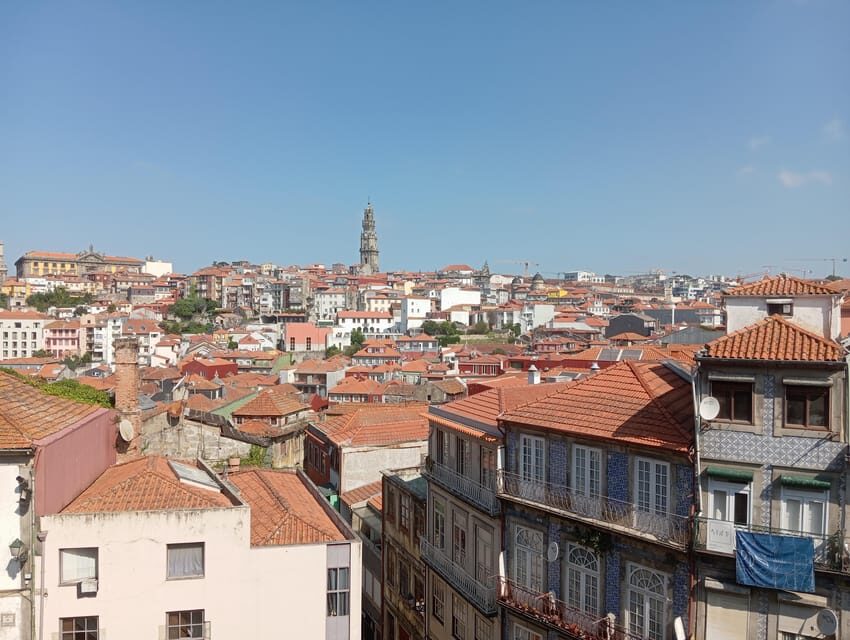
You meet at platform n1 at São Bento, where the guide holds up a Portuguese flag. That’s simple and helpful. It means you start the tour in the same place you’ll probably pass again later, and it also keeps the beginning straightforward: find the flag, match the group, go.
From there, you get a guided look at São Bento Station and then a short walking stretch with scenic views along the way. Even without getting stuck in long explanations, this opening does two good things for you:
- It gives you a visual “anchor” for Porto’s older core.
- It helps you understand the route direction before you hit the tighter medieval streets.
If you’re arriving in Porto that day, this is one of the better ways to get oriented fast. If you’ve been there for a day already, it still helps because São Bento isn’t just a transport hub—it’s a recognizable starting point for tracing the city outward.
Sé and Vitória: medieval streets plus an old Jewish quarter
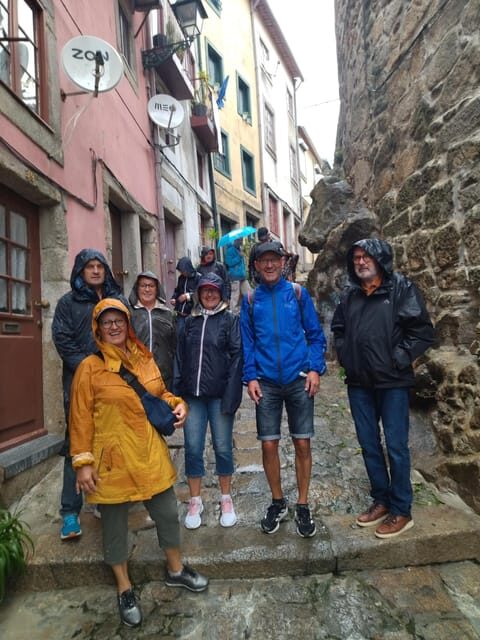
The tour moves into Porto’s older heart with stops around Sé (the cathedral area) and Vitória. Here’s the value: you’re not only standing at a monument. You’re walking through narrow streets in a way that shows you how Porto’s UNESCO-protected zone actually feels underfoot—cobbled lanes, tight corners, and the kind of facades that don’t show up well in a quick stop.
At Sé, you get a guided tour and time to take in the area as you walk. It’s a good moment to slow down, because cathedral-adjacent streets usually set the tone for the whole historic center: older, compact, and shaped around centuries of movement.
Then Vitória brings the story to another level. The itinerary highlights the old Jewish quarter of Vitória, which is exactly the kind of detail that turns a generic Old Town walk into something more meaningful. Instead of only thinking about Porto’s present, you start noticing how different communities shaped the city’s streets and identity.
One thing to keep in mind: the narrow medieval streets are part of the charm, but they also mean you’ll be closer to other walkers and you’ll have less room to pause. Your guide’s pacing helps you see more without turning the walk into a slow bottleneck.
Cordoaria’s Garden to the University: Porto’s daily pulse
After the denser historic lanes, the tour shifts to Cordoaria’s Garden and the University of Porto area. This part matters because Porto isn’t stuck in the past. The city’s energy also lives in education, public spaces, and the ways locals move through the center.
Cordoaria’s Garden offers a breather, both visually and practically. Gardens break up the walking rhythm and give you a chance to reset your eyes before you hit the next architectural showpieces.
Then you walk toward the University of Porto with a guided stop. Even if you don’t know much Portuguese history going in, this kind of stop gives context for how Porto functions today. It’s a reminder that Old Town isn’t only monuments—it’s surrounded by places where people study, work, and keep the city moving.
If you’re the kind of traveler who likes to understand cities as living places, this segment is a big reason to choose a guided tour instead of just using a map and hoping you pick the right streets.
Clérigos Church and Livraria Lello: two icons tied to a bigger story
Next comes Clérigos Church and then Livraria Lello & Irmão (Lello Bookstore). These are the stops most visitors recognize immediately, but the real advantage on a guided walk is how the guide connects them to the surrounding neighborhoods rather than treating them like isolated attractions.
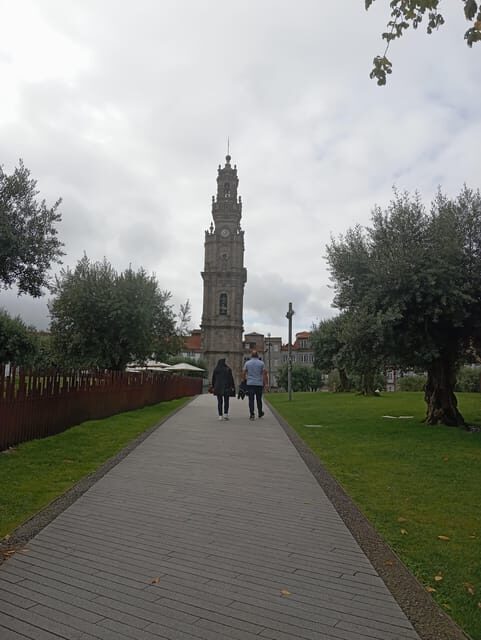
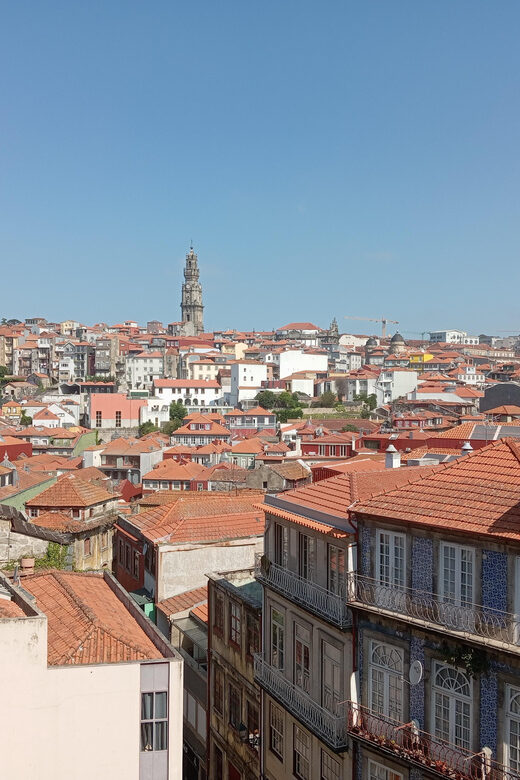
Clérigos is a landmark you can see from a distance, and the tour includes a guided visit and the walk through scenic viewpoints along the way. That’s where you’ll feel the difference between just photographing and actually learning what you’re looking at—how the city’s height, streets, and viewpoints line up, and why certain buildings became symbols.
Then you reach Livraria Lello & Irmão for a guided visit with time to walk through the area. The bookstore is well known, but your guide can help you look beyond the famous front. When you understand the context around it, it stops feeling like a stamp in your itinerary and starts feeling like part of Porto’s cultural engine.
One practical consideration: iconic places can bring crowds, so it helps that your guide keeps things moving and gives you direction about when to look, where to focus, and how to keep your time efficient.





How Karen’s French commentary turns Porto into a story you can repeat
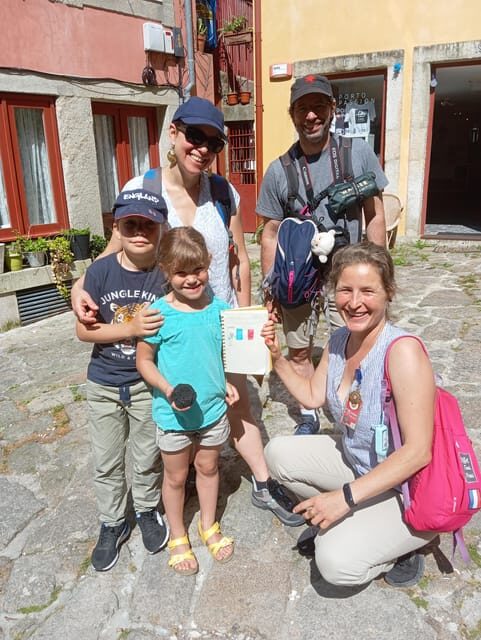
The tour is led by professionals who are French-speaking, and Karen is the name that comes up again and again. In practical terms, that means you don’t just get facts. You get anecdotes and explanations that help you understand Porto’s recent evolution, plus what locals are excited about for the future.
That matters because Porto can feel contradictory at first glance: old stone next to modern plans, historic quarters next to changing streetscapes. A good guide stitches those contradictions into something coherent.
Karen also shares advice that’s useful after the tour ends. She tends to include guidance on:
- where to eat, including spots that are outside the usual tourist traps
- how to find quality places to listen to fado
- small, concrete recommendations you can actually use within the next day or two
I like that because it turns a 4-hour tour into a longer trip upgrade. You’re not just “informed” while you’re walking; you’re better equipped to choose what to do next.
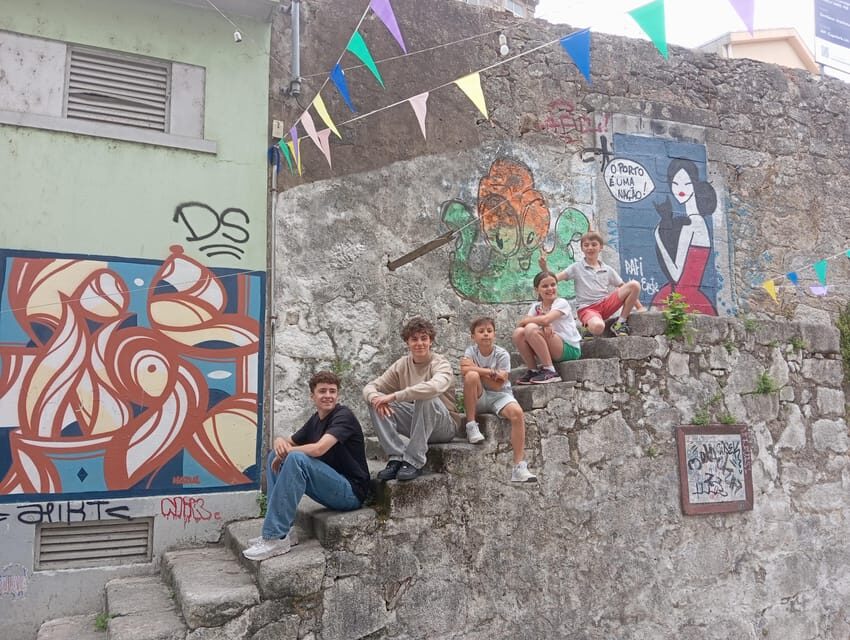
Also, the tour pacing is described as tranquil, and children are welcome. So if you’re traveling as a family, this is the kind of guided walk that can work without feeling like an endurance test.
What to watch for on your 4-hour route (and how to prepare)

This tour lasts about 4 hours, and that timeframe is about right for Porto’s Old Town: long enough to cover real neighborhoods and major landmarks, short enough that you don’t feel like you’ve been in a tour van your whole life.
A few practical notes from what’s built into the experience:
Bring an umbrella. Weather can change quickly, and the itinerary includes plenty of outdoor walking through narrow streets.
Plan for lots of walking on old ground. The tour goes through cobbled and medieval streets in the UNESCO area. Comfortable shoes aren’t optional.
No coffee break is included. If you want a stop for espresso or a pastry, you’ll need to build that into your own schedule. (That’s not a deal-breaker—it just keeps the tour tight and focused.)
And yes, it’s not suitable for wheelchair users, so if mobility is an issue, you’ll want to choose a different format.
Finally, some content may be shown in its original language. That’s normal for historic places and city references, and it’s usually where having a guide matters most—so you can follow along instead of guessing.
Who this Porto tour fits best
This is a good match if you:
- want Porto’s Old Town with context, not only a photo trail
- like learning why places matter, through stories and neighborhood connections
- would rather spend 4 hours with a guide than spend your first day figuring out what’s worth your time
It also makes sense for travelers who care about taste and culture, because you get suggestions for gastronomy and where to listen to fado—exactly the kind of planning help that’s hard to do from the internet.
If you dislike walking or have mobility limits, you should skip this one. If you’re very set on only seeing the biggest monuments with minimal street time, you might prefer a shorter “highlights only” tour. This one is designed to go deeper through the streets.
Final verdict: should you book this Porto Old Town tour?
I’d book it if you want Porto to feel like a place you understand, not just a place you visited. The price for a 4-hour guided tour at $29 per person is strong value when you compare it to what you’d pay for individual entrances plus the cost of trying to piece together the meaning of the streets by yourself.
The biggest reason to choose it is the balance: UNESCO Old Town sights like Sé and the area around Vitória, plus landmarks like Clérigos and Lello, all connected by the kind of inhabited street walking you can’t fake with a self-guided audio app.
If you can handle uneven, narrow streets and you’re okay with a French-led experience, this is one of the smarter ways to start—or reset—your Porto trip.