REVIEW · PORTO
Porto Highlights Small-Group Walking Tour
Book on Viator →Operated by Be My Guest In Porto · Bookable on Viator
Porto clicks fast when you get the stories. This 3-hour small-group walk helps you connect the dots between street corners, architecture, and art in a way a quick self-guided stroll can’t. I especially loved the insider context tied to the city’s buildings and how the guide brings those same sights to life with specifics like time periods, tile details, and why certain designers mattered. I also liked the small group size because it makes questions easy, and the pace feels steady rather than rushed.
One thing to consider: this is a walking tour, so expect some uneven pavement and city bustle. And if you’re visiting on a very hot day or during active construction, the experience still works, but you’ll want to bring water and keep your expectations flexible.
In This Review
- Key things you’ll get from this Porto highlights walk
- A 3-hour Porto walk that helps you read the city
- Your starting area and how the timing feels on the ground
- Stop 1: São Bento Station tiles that explain Porto’s identity
- Stop 2: A top Portuguese bookstore for a slower moment
- Stop 3: Fonte dos Leões and the power of public squares
- Stop 4: Praca da Ribeira and why Rome still echoes here
- The real value: art historian guidance you can use right away
- Who this tour is best for (and who should choose differently)
- Practical notes that help you get the most out of it
- Should you book Porto Highlights Small-Group Walking Tour?
- FAQ
- How long is the Porto Highlights Small-Group Walking Tour?
- How much does the tour cost?
- What’s included in the tour price?
- Are tickets included for the stops?
- How big is the group?
- Is the tour only for my group?
Key things you’ll get from this Porto highlights walk
- Tile spotting at São Bento with stories that turn a pretty station into a history lesson
- Art history + architecture context, not just surface-level sightseeing
- A short, efficient route that fits well if you have limited time in Porto
- Ribeira square context that explains why this area mattered long before modern tourism
- A guide who tailors on the fly, based on what you want to see more of
- A tight group limit (max 6) that keeps the tour interactive
A 3-hour Porto walk that helps you read the city
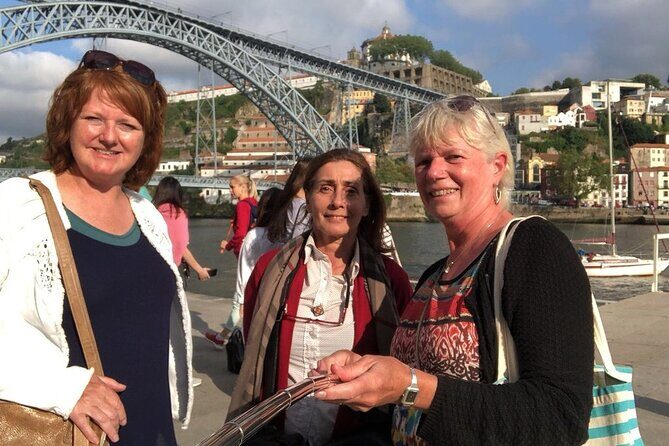
If you’ve ever looked at photos of Porto and thought, Okay, but where do I start, this tour is a good answer. It’s built around recognition: the big places you see in postcards, plus the meaning behind them—how they link to Porto’s growth, its design choices, and the cultural identity wrapped into everyday scenes.
You’ll be with a local guide and a professional art historian guide, so you get both the human “why do people do this” side and the “what exactly am I looking at” side. That combo matters. In Porto, the visuals are gorgeous, sure. But the real payoff is learning how details fit into the larger story: tile workshops, public squares, and the way major buildings shaped what the city became.
If you’re lucky, you’ll hear examples from guides such as Nuno and Ana, who clearly enjoy explaining how Porto works—especially when it comes to tiles and architecture. This isn’t a lecture that traps you in one spot. It’s a walk where the guide adjusts to your interests, and you’ll feel it when they ask what you’ve already seen and steer you toward the parts you might miss on your own.
You can also read our reviews of more walking tours in Porto



Your starting area and how the timing feels on the ground
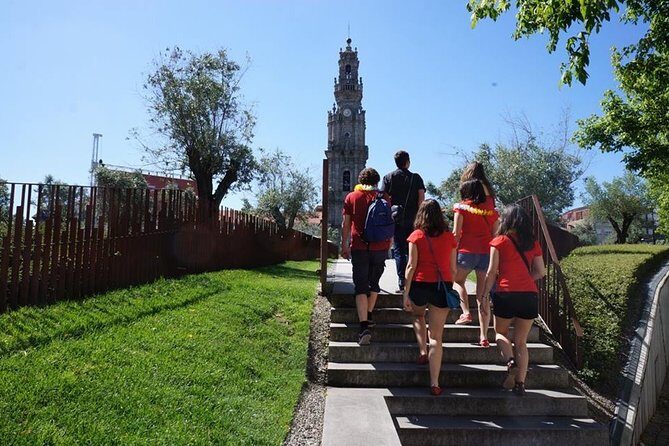
You meet at Praça de Gomes Teixeira and finish at Ribeira Square (Praça Ribeira). That route shape is practical: it gets you moving through central Porto and ends near the waterfront area that’s usually the heart of the “I’m here” feeling.
The tour runs about 3 hours. That’s long enough to learn something real, but short enough that you won’t end the day feeling like you crossed the city on foot for nothing. With a maximum group size of 6, you won’t get the “line of faces” vibe. Instead, you’ll have room for quick questions—whether it’s about a building detail, a symbol on tiles, or why a square is arranged the way it is.
Tip for your comfort: wear shoes you trust. Porto has plenty of nice stone streets, but they aren’t always kind to sore feet. Bring water, especially in warmer months. Some guides keep a steady pace even when the day is hot, but your body still sets the limits.
Stop 1: São Bento Station tiles that explain Porto’s identity
You start at São Bento Railway Station, where the tiles are the headline. But the best part isn’t just seeing them. It’s what the guide helps you notice: the artistry, the storytelling, and how the station turned into a public canvas.
This is where a specialist guide really earns their keep. You’ll spend about 15 minutes here, and those minutes can fly, because tile work often has layers—visual details that reward your attention once you know what to look for. The tiles can also connect to broader themes you’ll hear later in the walk, including the way Porto values craft and representation in public spaces.
The good news: admission is free. Also, you don’t need any special ticket beyond the tour itself; it’s part of the experience route.
Small drawback: São Bento is an active station. You’ll want to stay aware of foot traffic and keep your group together so you don’t get stuck behind random crowds. If the station is extra busy, it can feel slightly compressed around the most interesting spots. Still, it’s worth it.
Stop 2: A top Portuguese bookstore for a slower moment
Next you get a breather at one of Portugal’s notable bookstores. The vibe here is different from the station. Instead of a roar of commuters, this is a quiet curiosity stop—one that works well if you like the feel of browsing in a place that locals actually treat as part of culture.
You’ll have about 15 minutes, which is a sweet spot. Long enough to walk around, notice the selection, and possibly pick up a small souvenir. Short enough that you won’t lose your momentum for the rest of the walk.
Why this stop matters for your “Porto understanding” even if you don’t buy anything: it reinforces the city’s intellectual side. Porto isn’t only about facades and viewpoints. It’s also about collecting ideas, stories, and art in everyday spaces.
I’d treat it as your chance to step out of photo mode for a bit. If you enjoy typography, book design, or just the feeling of a good shop, you’ll likely linger a touch—then still make it to the next square without rushing.
Stop 3: Fonte dos Leões and the power of public squares
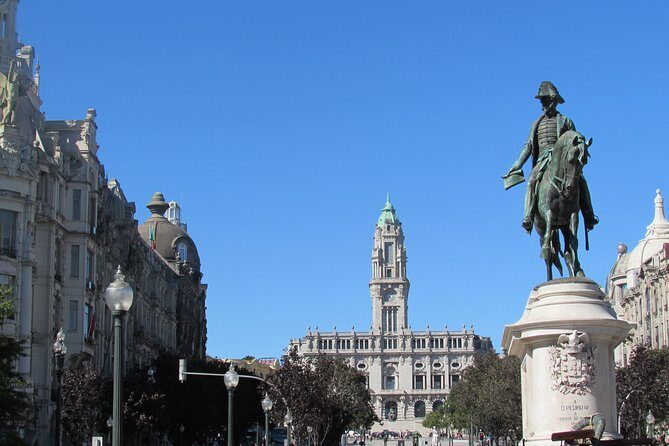
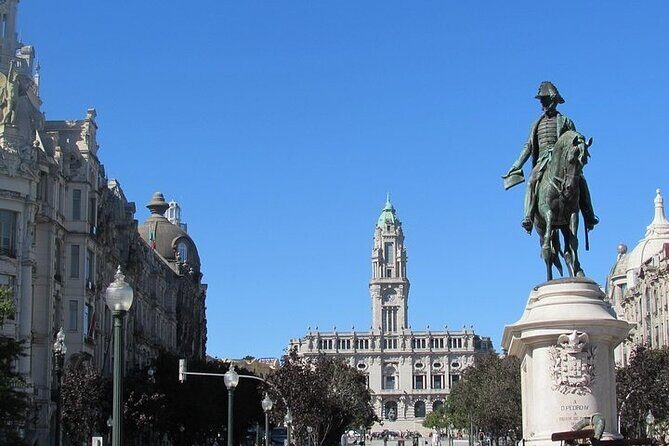
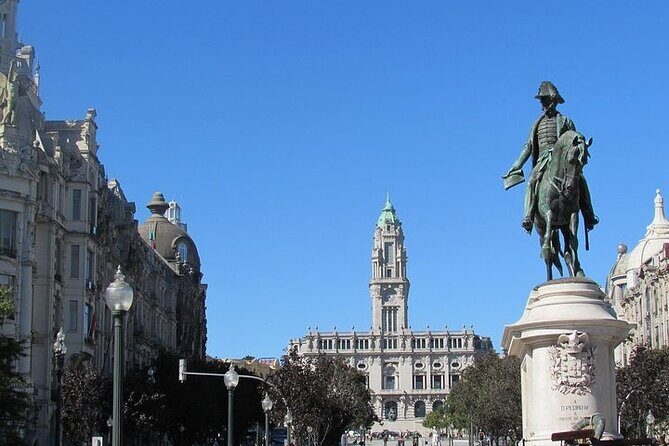
Then the walk shifts to Fonte dos Leões, set in a nice square surrounded by monuments. This is a great kind of stop for people who like architecture but don’t want a museum pace.
A fountain sounds simple. In Porto, fountains in public squares often act like landmarks that help you navigate and remember. The guide uses the setting to talk about how the city organizes space—what people likely used these squares for, how monuments crowd around the central idea, and why these locations stay important.
You’re here for about 15 minutes, and admission is free. The key payoff is learning to “read” the square rather than just looking at it. Once you get the context, you start noticing sight lines, the way buildings frame the open area, and why certain spots feel like natural meeting points.
Potential downside: if the square is crowded, you may have to stand farther back for a moment. But that’s still better than missing the stories entirely. The guide will point out what to watch for, so you’ll know where to focus even in a busy moment.






Stop 4: Praca da Ribeira and why Rome still echoes here
You end at Ribeira Square (Praça Ribeira). This is where Porto’s past feels close to the surface. The guide explains that Ribeira was a main square since the time of Rome—meaning this wasn’t just a pretty waterfront area that happened to become famous. It’s been a central meeting zone for a very long time.
You spend about 15 minutes here. That doesn’t sound huge, but it’s enough time to connect the square to everything you saw earlier: tiles and stations as culture in public space, fountains as landmarks, and architecture as a system that helps a city grow.
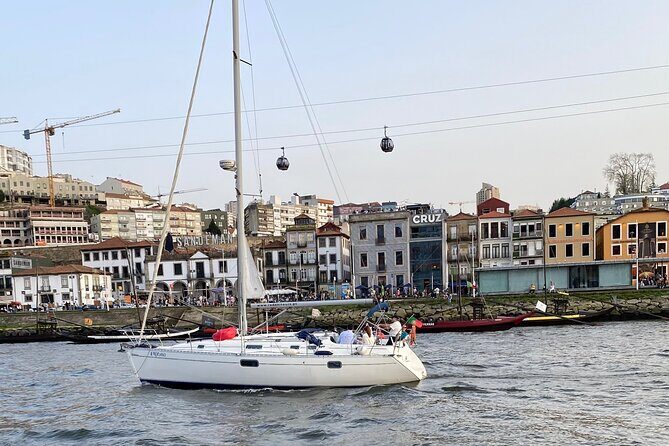
If you love river energy, this stop delivers. Ribeira is often where you finally feel that Porto “click” moment—after the guide gives you the historical and architectural context, the place hits harder. And because the tour ends here, you can easily continue on your own: grab a drink, walk the waterfront, or just sit and people-watch with your new context switched on.
One note: Ribeira can be lively, so if you’re sensitive to noise, choose a calm time to linger after the tour. The walk itself should feel organized, but your post-tour experience depends on the hour.
The real value: art historian guidance you can use right away
This tour costs $84.02 per person, and the value isn’t only the sights. It’s the interpretation. When you pay for a guide with a professional art historian background, you’re paying for speed to understanding.
Here’s what that means in practice:
- You’ll learn what details are worth your attention at each stop, especially with São Bento’s tiles.
- You’ll get architecture context that helps you notice patterns as you walk rather than forgetting everything the moment you turn a corner.
- You’ll hear stories that give meaning to the city’s design, so your photos look better and you actually remember what you saw.
Also, the small group matters. With up to 6 people, the guide can keep the flow while still answering questions. That’s one reason many people love the tour—it doesn’t feel like you’re stuck listening from the back row.
If you’re in Porto for a short time, this kind of orientation helps you plan the rest of your days. After this, you’ll be able to walk independently through central Porto with sharper instincts: what to stop for, what to ignore, and what to look at twice.
Who this tour is best for (and who should choose differently)
You’ll likely enjoy this tour if:
- You want a first-time Porto introduction that doesn’t stop at “pretty views”
- You care about art, architecture, and tiles and want the stories behind them
- You prefer smaller groups with time for questions
- You like walking tours that end in a great place to continue
You might choose something else if:
- You dislike walking and want a mostly seated experience
- You’re looking for a long, detailed museum-style visit (this is a highlights-style route)
- You’re extremely time-constrained and need something shorter than 3 hours
Practical notes that help you get the most out of it
A few details make the day smoother. You’ll use a mobile ticket, and the tour runs in English. It’s designed for most travelers, and it’s a private tour/activity, meaning only your group participates.
Service animals are allowed, and the meeting point is near public transportation. That matters in Porto because you’ll likely move around by tram, metro, or on foot anyway.
Also, since this is personalized, you can steer it. If you say you want more tile talk, more architecture, or more street-level history, the guide should shape the route to match your interests. Guides like Nuno and Ana are a strong sign of that approach, especially when they asked what you’d already seen and adjusted the walk to reduce overlap with the typical tourist route.
If the weather is rough, plan your clothing accordingly. The tour is active, so comfortable layers and good grip shoes will save your mood.
Should you book Porto Highlights Small-Group Walking Tour?
Yes—if you want a smart introduction to Porto that connects major sights to real meaning. For $84.02 and about 3 hours, you get a small group, a guide plus an art historian, and stops that are genuinely worth more than a quick photo.
I’d book this if you’re the type who likes learning why something looks the way it does—especially tiles at São Bento and the context around Fonte dos Leões and Ribeira. It’s also a good fit if you want a route that sets you up to explore afterward without feeling lost.
If you’re purely chasing views and would rather wander on your own, you might skip it. But if you want your Porto day to feel organized, explained, and memorable, this one earns its place.
FAQ
How long is the Porto Highlights Small-Group Walking Tour?
It runs for about 3 hours.
How much does the tour cost?
The price is $84.02 per person.
What’s included in the tour price?
The tour includes a local guide and a professional art historian guide.
Are tickets included for the stops?
Admission is free for the listed stops (such as São Bento Railway Station, Fonte dos Leões, and Ribeira Square).
How big is the group?
The tour is capped at 6 people per booking, and a minimum of 2 people is required.
Is the tour only for my group?
Yes. It’s a private tour/activity, so only your group participates.