REVIEW · PORTO
Porto and Gaia: Walking Tour of Douro’s Two Riversides
Book on Viator →Operated by Amsterdam Guías & Tours · Bookable on Viator
Porto feels like two cities in one—until you walk it twice. This 2-hour Porto and Gaia tour strings together classic landmarks on the riverfront and historic lanes, with a guide who connects the dots between Portuguese discoveries, religions, bridges, and the Port wine economy. It’s small enough to make it social, and practical enough that you’ll actually know where you are after.
What I like most is the chance to get clear, human-scale stories from guides such as Sofia, Susana, Michael, and Arturo—people who talk like locals and answer real questions. I also like the pacing: you start in central Porto, cross toward Gaia, then finish near Port wine cellars for an optional tasting you can choose to join (or skip). One thing to consider: the “finishing in a winery” part can mean different cellar experiences, so if you’re picky about where you taste, plan to shop around nearby.
In This Review
- Porto and Gaia in 2 Hours: What You Really Get
- Starting Smart: Jardim do Infante Dom Henrique and the Henry the Navigator Lead-In
- The Porto Highlights You’ll Actually Understand: Stock Exchange, St. Francis, and Casa do Infante
- Portugal’s first Stock Exchange Palace
- Igreja de São Francisco (Church of St. Francis)
- Casa do Infante (a UNESCO World Heritage House)
- Ribeira Square on the Douro
- The Bridge Story Stop: Alminhas da Ponte and Memory in Stone
- Crossing the Douro on Foot: Getting the Porto-to-Gaia Perspective
- Gaia’s Port Wine Focus: Birthplace Stories and Cellar Culture
- The Winery Finish in Gaia: Optional Port Tasting and How to Use It
- Guides Matter Here: The Human Advantage
- Price and Value: Why $36.74 Can Be a Good Deal
- When This Tour Works Best (and When It Might Not)
- Should You Book Porto and Gaia: Walking Tour of Douro’s Two Riversides?
- FAQ
- How long is the tour?
- What time does it start, and where do I meet?
- Where does the tour end?
- Is the tour offered in English?
- What’s included in the price?
- Are food, drinks, or port tastings included?
- Can I cancel for a full refund?
- FAQ
- How big is the group?
- Are tickets sent to my phone?
- Do I need hotel pickup?
- Is there anything I should pay for along the way?
- Is the tour near public transportation?
- Is it okay if I travel with a service animal?
- Is it suitable for most people?
Porto and Gaia in 2 Hours: What You Really Get
- A small group (max 15) so you’re not shouting over strangers.
- A confident guide team: English and Spanish support, with guides who explain architecture, not just names.
- Two sides of the Douro: you’ll see how Porto’s river life and Gaia’s wine life connect.
- Classic sights without the museum marathon: Henry the Navigator square, Stock Exchange Palace, St. Francis Church, and Casa do Infante.
- Port tasting as an option at the end, not forced as a must-do add-on.
- A finale near Gaia’s cellars so you’re set up to continue your evening your way.
Starting Smart: Jardim do Infante Dom Henrique and the Henry the Navigator Lead-In
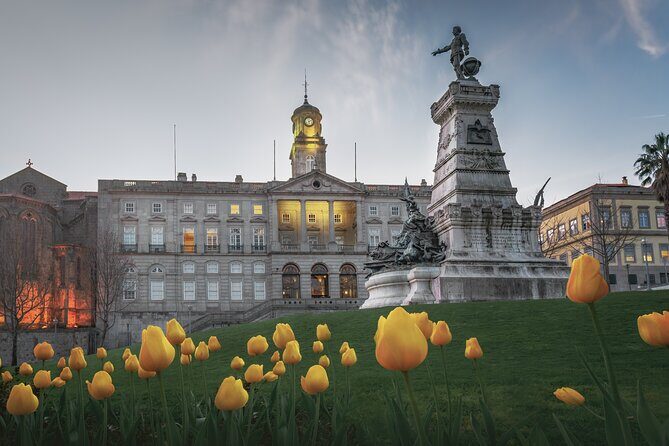
You meet at Jardim do Infante Dom Henrique on Rua do Infante Dom Henrique in Porto. It’s a good “feet-on-the-ground” start point because it’s tied to Henry the Navigator and the era when Portuguese exploration reshaped trade routes and coastal power.
This first stop matters because it gives you a theme for the whole walk. You’re not just hopping from photo spot to photo spot; you’re learning why Porto grew the way it did—through shipping, wealth, and the kinds of connections that later made wine export possible.
You can also read our reviews of more walking tours in Porto


The Porto Highlights You’ll Actually Understand: Stock Exchange, St. Francis, and Casa do Infante
After the square, the route moves into Porto’s historic core with a sequence of standout buildings.
Portugal’s first Stock Exchange Palace
You’ll see the palace tied to commerce, finance, and the city’s maritime muscle. Even if you’re not an architecture person, this stop works because your guide frames it as more than ornament. It’s a symbol of Porto’s rise through trade and networks, the kind that link directly to Port wine.
Igreja de São Francisco (Church of St. Francis)
Next is the church, and it’s a reminder that faith shaped more than church walls in Portugal. This stop is about how religious art and Portuguese identity got woven together over centuries. You’ll get a guided sense of what to look for, so it feels meaningful rather than just grand.
Casa do Infante (a UNESCO World Heritage House)
Then comes Casa do Infante, a must-see if you want your visit to connect to Porto’s deeper past. Your guide’s job here is to make the place understandable: why this house matters, what kind of story it tells about the city, and how you can spot the “Porto timeline” in what you see around you.





Ribeira Square on the Douro
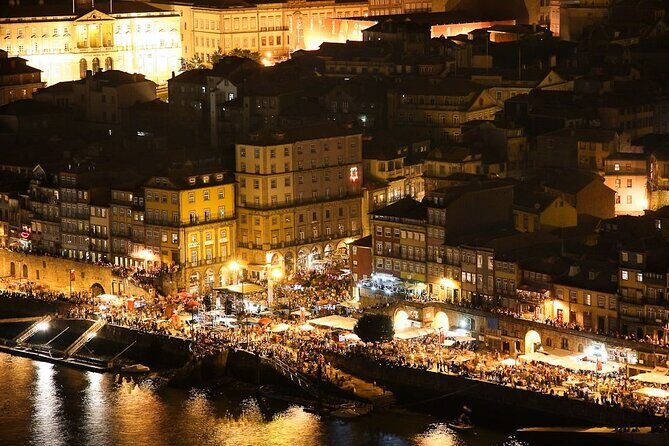
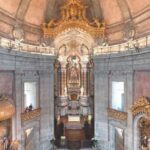
Rounding out the Porto side is Ribeira Square, one of Porto’s oldest and liveliest riverfront spots. This is where the talk starts to match the street scene: daily life along the water, old stone against the motion of the Douro, and the constant reminder that Porto’s identity is tied to the river.
The Bridge Story Stop: Alminhas da Ponte and Memory in Stone
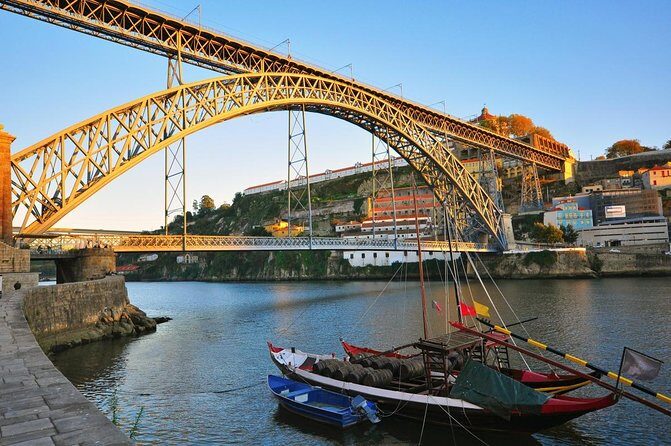
Then you reach Alminhas da Ponte, monuments connected to the tragic bridge collapse in 1809. This isn’t a “quick photo” stop—it’s a moment of remembrance, and your guide uses it to explain how bridges are never just infrastructure.
You’ll hear stories about bridges linking places and also linking legends, kings, and French invasions. That’s the kind of detail that turns a tourist stop into a real feeling for why the city is layered—some of it cheerful, some of it heavy, all of it human.
Crossing the Douro on Foot: Getting the Porto-to-Gaia Perspective
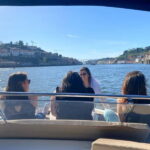
This tour’s structure is smart: after you understand Porto’s river role, you cross the Douro on foot. The walking element is part of the value because it forces you to slow down and look while moving, not while standing in one spot.
Your guide keeps the stories rolling as you move, which makes the crossing more than scenery. You’re learning how the river acts like a divider and a connector at the same time—Porto’s face to the Atlantic trade world, and Gaia’s face to the Port wine supply chain.
Practical tip: wear comfortable shoes. Porto’s streets are stone and uneven, and you’ll cover more ground than you might expect from a “short” tour.
Gaia’s Port Wine Focus: Birthplace Stories and Cellar Culture
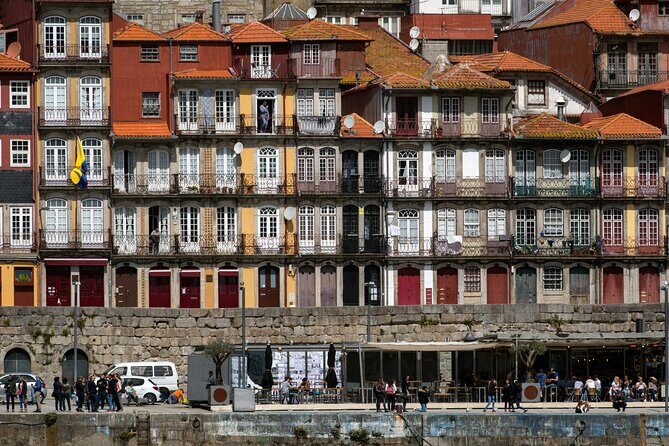
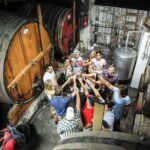
Once you’re on the Gaia side, the tour leans into Port wine in a way that feels logical, not random. You’ll be shown the birthplace of Port wine and its iconic cellars, with the long view taken on what it means to store and age wine through centuries of tradition.
This portion works best if you’re the type who likes context. You don’t just see barrels—you learn why the wine economy grew here, why cellars became essential, and how the city’s culture is tied to what goes on underground.
After that, you move to a former convent. The contrast is useful. Porto can be loud and busy; the walk builds toward a quieter moment where the architecture and religious heritage feel calmer and more reflective.
The Winery Finish in Gaia: Optional Port Tasting and How to Use It
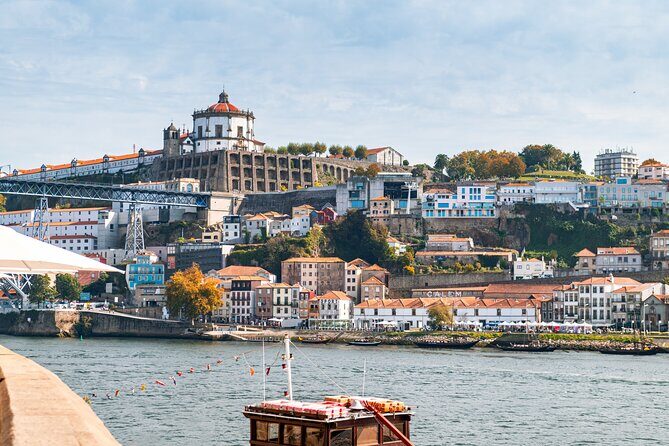
The tour ends at Largo Joaquim Magalhães 4 in Vila Nova de Gaia. That end location is set up to help you with the next step: you’re close to cellars, so if you want to taste, you can. The tasting itself is an extra expense, but it’s a clean way to decide based on your time and mood.
Here’s the practical mindset I’d use: treat the finish as a doorway. If you love the cellar option offered by the tour, join. If you want a different vibe or a larger tasting setup, you’re already in the right neighborhood to keep exploring.
This is also where the “small-group friend factor” can pay off. People tend to ask what to do next, and your guide can point you toward something that fits your schedule without pushing a hard sell.
Guides Matter Here: The Human Advantage
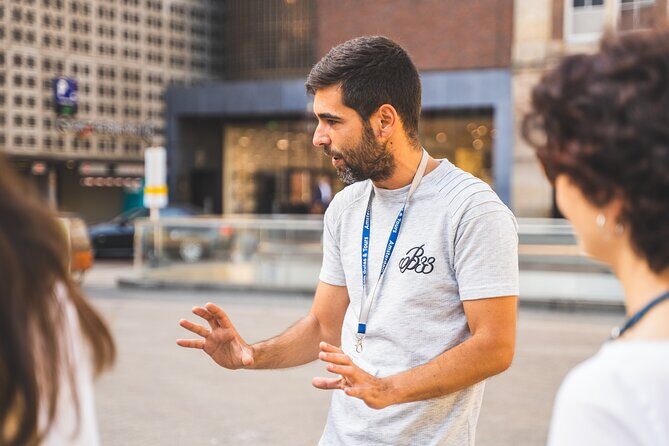
One of the strongest parts of this experience is the guide quality. Different names show up with the same pattern: Sofia, Susana, Michael, and Arturo each bring clear explanations and genuine pride in Porto and Gaia.
- Sofia is noted for strong English and lots of architectural context.
- Susana is upbeat and teaches you new areas, not just the obvious hits.
- Michael is praised for history that stays engaging.
- Arturo gives a clear picture of how Porto rises on both sides of the Douro.
This isn’t just “someone pointing and talking.” The format supports questions, and the guide helps you connect stops into one story.
Price and Value: Why $36.74 Can Be a Good Deal
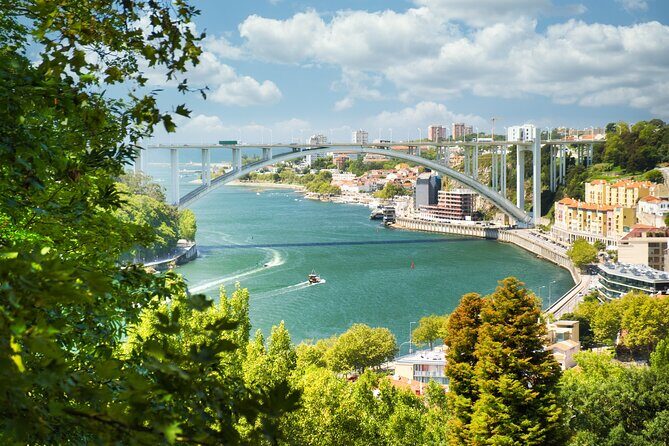
At $36.74 per person for about 2 hours, this tour is priced like a mid-range walking experience, but it earns its keep in three ways:
- Small group size (up to 15) means you’re not lost in the crowd.
- A guided loop through multiple major landmarks saves you time figuring out what’s worth seeing.
- The river crossing is built into the day, and the walk is paced so you actually absorb it.
Food isn’t included, and the port tasting is extra. But that’s a plus if you prefer to control your budget. You can taste if it sounds fun, then pick a dinner plan afterward without being stuck with preselected extras.
When This Tour Works Best (and When It Might Not)
This is a great choice if you want:
- a structured Porto + Gaia walking plan without getting overwhelmed
- a guide who explains why places matter
- a tour that sets you up for a Port cellar visit afterward
It may be less ideal if:
- you’re expecting one specific kind of water transport detail every time and only want that exact version
- you want a long, slow, museum-style itinerary (this is a walk-and-learn format)
Because Porto schedules and river conditions can affect certain options, I’d treat the crossing and riverfront plan as the core, and any optional segments as a bonus rather than the whole point.
Should You Book Porto and Gaia: Walking Tour of Douro’s Two Riversides?
I’d book it if you’re visiting Porto for the first time and you want a quick way to understand how the city connects to Port wine. The small group size and strong guide storytelling make it feel like a friend showing you the highlights—without leaving you with a head full of random facts.
Skip it (or choose carefully) if your ideal day is heavily dependent on a specific water-transport version, or if you already know you want a self-guided deep dive with zero structure. For most people, though, this hits a sweet spot: major sights, a real river perspective, and a practical finish near Gaia’s cellars.
FAQ
How long is the tour?
The tour runs about 2 hours.
What time does it start, and where do I meet?
It starts at 2:30 pm. The meeting point is Jardim do Infante Dom Henrique, R. do Infante Dom Henrique, 4050 Porto, Portugal.
Where does the tour end?
It ends at Largo Joaquim Magalhães 4, 4400-174 Vila Nova de Gaia, Portugal, near Port wine cellars.
Is the tour offered in English?
Yes, it’s offered in English.
What’s included in the price?
Included items are an expert local guide speaking English and Spanish, the walking tour through Porto and Gaia, personalized recommendations, and small group time (maximum 15 travelers). The Douro river crossing includes an admission ticket.
Are food, drinks, or port tastings included?
No food or drinks are included. Port tasting at the winery at the end is an extra expense.
Can I cancel for a full refund?
Yes. You can cancel up to 24 hours in advance for a full refund, based on the experience’s local time.
FAQ
How big is the group?
The tour has a maximum of 15 travelers, so it stays small and intimate.
Are tickets sent to my phone?
You get a mobile ticket.
Do I need hotel pickup?
No. Hotel pick-up and drop-off are not included.
Is there anything I should pay for along the way?
Some stops are listed as admission not included (for example, the first stop at Jardim do Infante Dom Henrique). Alminhas da Ponte is free, and the Douro river crossing has admission included.
Is the tour near public transportation?
Yes, the meeting point is described as near public transportation.
Is it okay if I travel with a service animal?
Service animals are allowed.
Is it suitable for most people?
The tour notes that most travelers can participate, and it involves a walking route through historic neighborhoods.