REVIEW · NORTHERN PORTUGAL
Moliceiro boat trip, with experience in bivalves harvesting
Book on Viator →Operated by Terra d'água · Bookable on Viator
If you like nature that also has a working job, this trip fits. You cruise the Ria de Aveiro aboard a classic Moliceiro boat, then slow down for a hands-on stop tied to one of the region’s main livelihoods: catching and learning about lagoon bivalves. It’s not just sightseeing; the goal is to discover, feel, and value how this ecosystem supports local life.
My favorite part is the way the scenery comes at you from water level—channels, small islands, and the shapes of the ria that you just don’t get from land. A second thing I really like is the bivalve experience itself: you get explanations that connect what you’re seeing (plants, animals, lagoon life) to what locals actually do. The one catch: you may end up with a little lagoon mud on you during the harvesting-style activity, so plan for shoes and clothes that can handle that.
The guides behind the experience—often Veronica and Manuel—keep things understandable and paced for real groups, including families. With a maximum of 22 people and English offered, it’s an easy way to get a focused, local nature lesson without turning it into a long day.
In This Review
- Key highlights to know before you go
- Ria de Aveiro by Moliceiro boat: what the 2 hours really feel like
- The bivalve harvesting experience: what you learn and what to wear
- Islands, channels, and the lagoon ecosystem you can actually see
- Guides that keep things understandable in English
- Price and value: why about $21.88 can be a smart buy
- Who should book this Moliceiro + bivalve trip?
- When weather matters on the Ria de Aveiro
- Should you book this Moliceiro bivalve trip?
- FAQ
- How long is the Moliceiro boat trip with bivalve harvesting?
- Where does the tour start?
- Is the tour offered in English?
- What’s included in the price?
- Do I need good weather for the experience?
- Is payment handled on site?
Key highlights to know before you go
- Moliceiro boat cruise through natural channels with plenty of time to look around
- Hands-on bivalve collecting stop that teaches how the lagoon works
- English explanations and local stories, shared in a patient, family-friendly way
- Flora and fauna you can actually notice, not just facts dumped at you
- Small group size (up to 22) for better attention from the crew
- Plan for a bit of mud if you join the practical harvesting activity
Ria de Aveiro by Moliceiro boat: what the 2 hours really feel like
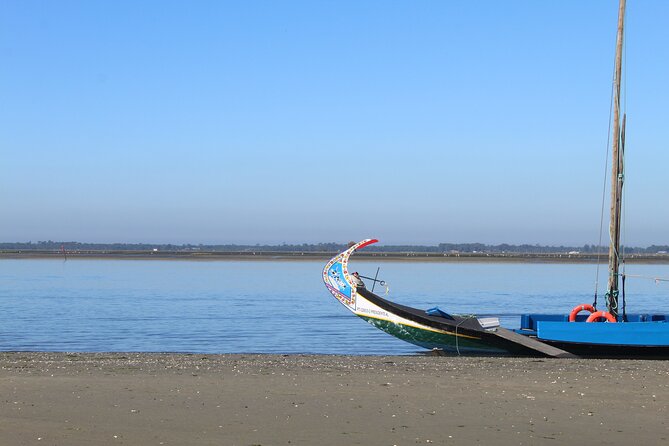
This is a 2-hour-15-minute experience built around movement and meaning. You start in Murtosa at the meeting point listed for the activity, and you return there at the end. That simple start-and-finish layout matters because it keeps the day from getting chopped up with extra transfers.
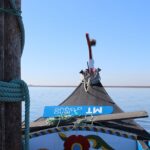
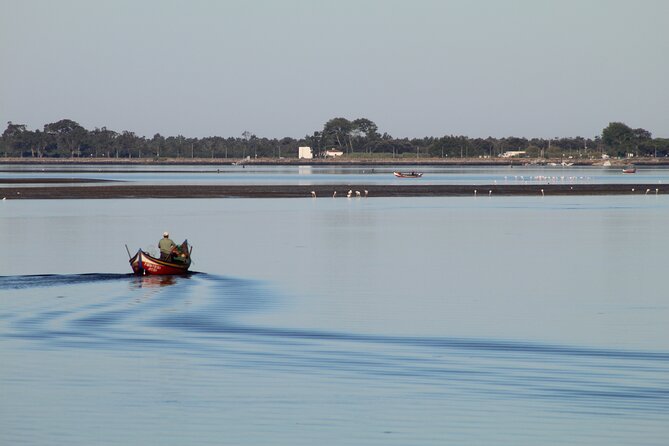
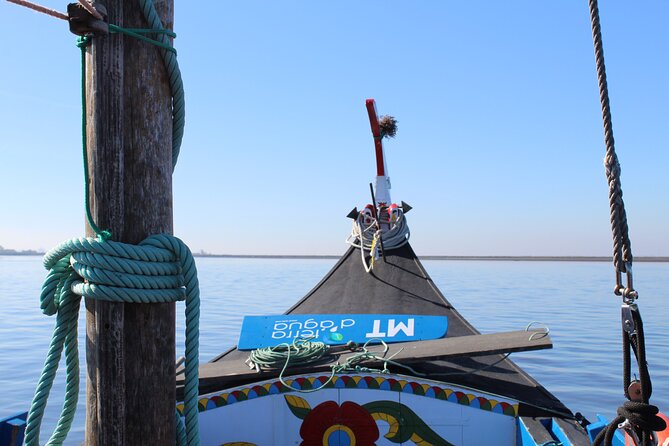
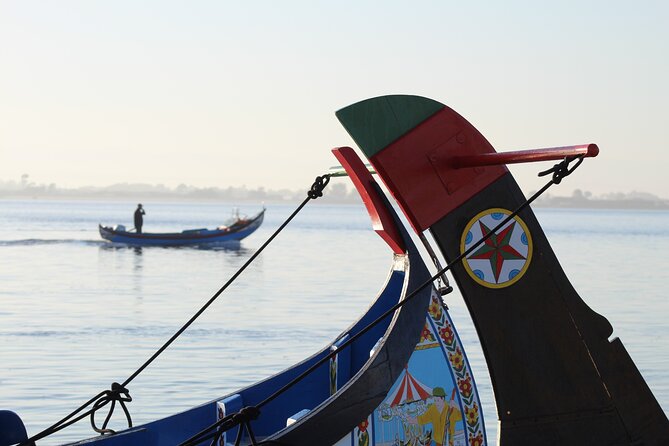
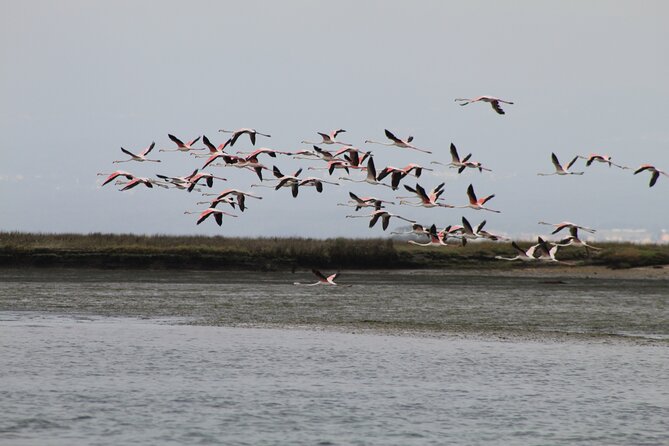
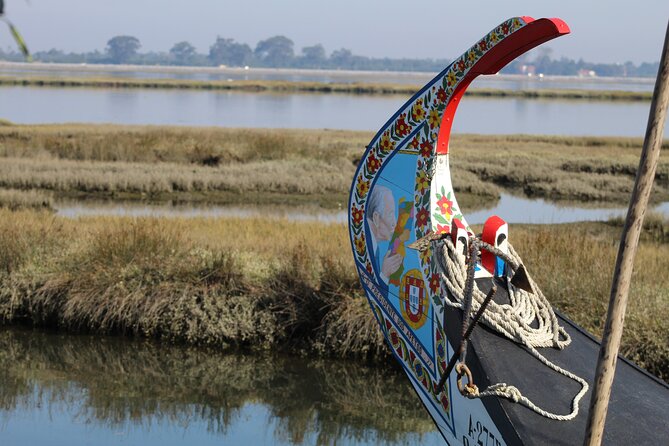
Once you board, you’re on a typical Moliceiro boat—one of those forms of local transport that instantly helps the ria feel less like a postcard and more like a working landscape. You sail between natural channels and islands, which is key. The ria isn’t one big open stretch; it’s a network of waterways and pockets of habitat. Being on the water means you can track those changes as you go: how channels narrow, how landforms break up views, and how the lagoon life seems to cluster where water and vegetation meet.
You’ll also be given stories and history tied to the Ria de Aveiro. The best part of these kinds of guided cruises is when the narrative matches what you’re looking at. Here, the explanations are meant to keep you oriented—why the channels matter, why the lagoon’s ecosystem matters, and how bivalves connect to that whole picture.
Practical note: because this is a water-based activity, good conditions matter. If weather is poor, the experience can be canceled and rescheduled or refunded, so keep an eye on your day’s outlook.
You can also read our reviews of more tours and experiences in Northern Portugal.

The bivalve harvesting experience: what you learn and what to wear
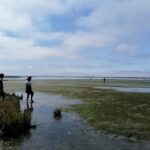
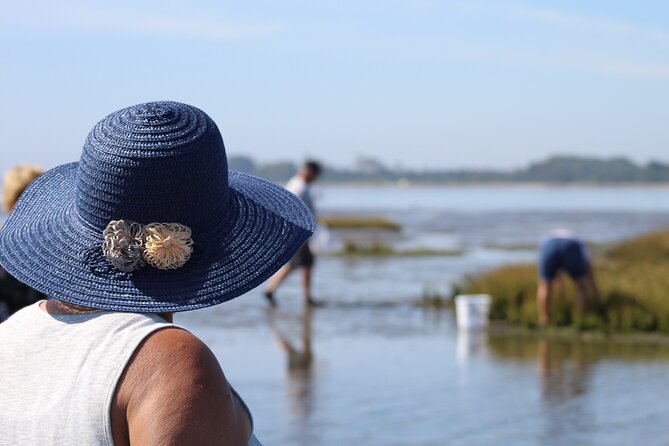
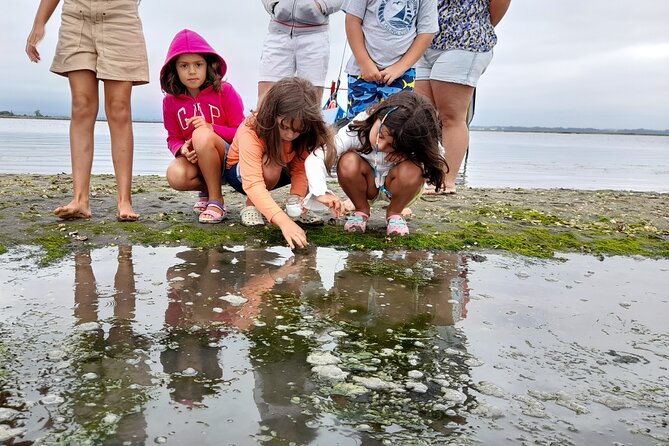
The signature moment is the stop focused on the lagoon’s bivalves—learning about them and then joining the harvesting-style activity. This is where the tour becomes more than just a boat ride. It’s aimed at helping you understand the ecosystem through a local lens: you’re not studying bivalves from a distance; you’re learning how they’re gathered and why that practice exists.
From what I can take from the experience descriptions and guide behavior, the instruction is both visual and practical:
- You get explanations that connect bivalves to the lagoon habitat.
- You also hear about related plants and animals you can spot during the stop.
- There’s an element of doing the work, not just watching.
And yes—expect some mess potential. One of the most helpful bits of advice you can take before you go is to assume you’ll get at least a little mud involved. Even if you don’t plan on getting fully coated, you’ll want clothes that won’t mind getting dirty and footwear you’re comfortable with if the ground is damp. If you’re traveling with kids, this is one of those rare activities where they can have fun and also learn, because the learning is tied to touching and trying.
A smart move: pack a small towel and consider wearing quick-dry clothing. You won’t need to overthink it, but being ready makes the experience more comfortable.
Islands, channels, and the lagoon ecosystem you can actually see
The route is designed to keep you in the ria’s “real” geography. Instead of just cruising in a straight line, the boat sails through areas of channels and islands. That means you get a sense for where water flows, how habitats separate, and how the lagoon creates different pockets of life.
What’s especially useful is that the tour doesn’t treat the landscape like background scenery. The explanations are tied to what you can observe—flora and fauna show up as part of the story, not just as random nature facts. If you’re the kind of traveler who likes to understand what you’re looking at, you’ll probably appreciate how the guide’s commentary stays connected to the ecosystems around you.
There may also be opportunities for getting off on an island during the bivalve part of the experience. That matters because stepping onto land changes your angle completely. You can compare what you noticed from the boat with what’s in front of you in the lagoon area.
Drawback to consider: because you’re moving through water and working areas, the overall comfort depends on conditions. If it’s chilly or windy, bring a layer. The tour’s focus is nature and practical learning, so it won’t feel like a luxury long lunch with perfect weather all the time.
Guides that keep things understandable in English
The quality of any guided nature experience comes down to the guide’s timing and clarity, and this one seems to do that well. Multiple names show up in connection with the trip—especially Veronica—along with Manuel. What stands out is not just friendliness, but patience. There’s mention of the crew being calm when someone arrived late and being available to accommodate a baby in the group, which is exactly the kind of flexibility you hope for on a family outing.
English is offered, and the way the explanation is delivered seems geared for mixed groups. That’s a big deal if you’re traveling with kids, grandparents, or anyone who gets bored with long lectures. The guide approach appears to balance:
- on-the-water storytelling,
- time to look around,
- and practical learning at the bivalve stop.
Also, the guided pace feels structured for a short overall duration. With a total time of 2h15, the crew has to keep things moving, but not rushed. You get enough time to feel like you did the experience, not just pass through it.
Price and value: why about $21.88 can be a smart buy
At $21.88 per person, you’re paying for a short, guided boat experience plus a hands-on learning component. That price point is important because it’s not positioned as a “premium sightseeing-only” product. It’s tied to a real local activity, and you’re supporting a service that includes equipment and staff time.
What you get for that cost is also fairly straightforward:
- all fees and taxes
- bottled water
- insurance
That insurance line matters more than it sounds. For a water-and-activity setting, it adds peace of mind. And bottled water is one less thing to carry during a short trip.
Group size is capped at 22 travelers, which is another value lever. Smaller groups tend to mean fewer people crowding the same points of instruction or hands-on area. In a practical activity like bivalves collecting, attention and space make the difference between you having a good time and you just trying to squeeze in.
If you’re deciding between options in the Aveiro area, this one stands out if you want more than a boat view. You’re paying for interpretation plus participation.



Who should book this Moliceiro + bivalve trip?
I think this tour fits best if you want one of these three things:
1) Families and mixed-age groups
This kind of hands-on learning works well with kids, especially when the guide is patient and the activity is simple enough to join. The mud factor actually helps some kids stay interested, because it feels like an event, not a museum lesson.
2) Nature lovers who also like human stories
The ria is more interesting when you learn how people interact with it. This experience connects the ecosystem to livelihood, tradition, and practical routines around lagoon bivalves.
3) Travelers who prefer short, focused outings
With a duration around 2 hours 15 minutes, it’s a good fit if you don’t want to lose your whole day. You still get boat time, guided explanations, and an activity stop.
You might skip it if you strongly dislike getting dirty, hate any touch-based or mud-adjacent activity, or you need a fully seated, no-mess experience. Even then, you can still enjoy the boat portion—you just might want to be selective about participating in the harvesting-style part.
When weather matters on the Ria de Aveiro
This is one of those tours where the weather isn’t just a comfort issue. The experience requires good weather, and if it’s canceled due to poor conditions, you’ll be offered a different date or a full refund.
In practice, that means you should plan this trip with some flexibility. If you’re the type who has zero wiggle room in your schedule, you might prefer a backup activity on your list. If your schedule can bend, you’re more likely to catch a day when the ria is comfortable and the crew can run as planned.
Should you book this Moliceiro bivalve trip?
I’d book it if you want a real-world way to understand the Ria de Aveiro, not just a pretty cruise. The biggest reason is the combination: boat time plus a bivalves stop where you learn by doing. The guide experience seems strong too, with named guides like Veronica and Manuel showing up in connection with attentive, patient instruction.
Skip it only if you can’t handle a bit of mess or you want a purely relaxing, dry outing. If you’re okay with mud and you like learning how local life ties into nature, this is a good-value experience for northern Portugal.
FAQ
How long is the Moliceiro boat trip with bivalve harvesting?
The experience lasts about 2 hours 15 minutes.
Where does the tour start?
The meeting point is listed as P9H3+93 in Murtosa, Portugal.
Is the tour offered in English?
Yes, English is available.
What’s included in the price?
The price includes all fees and taxes, bottled water, and insurance.
Do I need good weather for the experience?
Yes. The activity requires good weather, and if it’s canceled due to poor weather you’ll be offered a different date or a full refund.
Is payment handled on site?
Based on how the experience is described by participants, you mark your booking through a form and then you receive confirmation (including via WhatsApp), and payment is made on site.