REVIEW · VIANA DO CASTELO
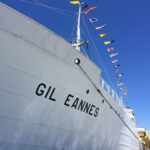
Visit to Gil Eannes hospital Ship Museum
Book on GetYourGuide →Operated by Fundação Gil Eannes, FP · Bookable on GetYourGuide
A hospital ship that worked on freezing seas is not a usual museum stop. The Gil Eannes Hospital Ship Museum lets you walk the spaces where cod-fishing crews depended on one floating lifeline. It is a ship with a job story: medicine, supplies, transport, and survival all under the same metal roof.
Two things I really like: the hands-on feel of the restored ship spaces and the clear way the museum connects medicine to the real risks of fishing. You will see how care had to happen fast, in cramped quarters, far from land.
One heads-up: it is not suitable for wheelchair users or people with mobility impairments, and ship interiors can feel tight and uneven underfoot. If you have balance or walking limits, plan carefully.
In This Review
- Key points you’ll care about
- Gil Eannes Hospital Ship: the floating clinic with multiple jobs
- The route on board: from bridge to radiology room
- The bridge: command in tight space
- Galley and bakery: food as survival
- Engine room: the power behind the mission
- Operating theatre: medicine under pressure
- Doctor’s surgery and treatment rooms: care close to the action
- Radiology room: a big clue to the ship’s capabilities
- Cabins and chapel: living with uncertainty
- Temporary exhibit rooms: added context
- Why the cod-fishing era story hits so hard
- The restoration rescue: why the ship is here at all
- Price, time, and making it fit your day
- Audio guide tip: how to get more from the rooms
- Who should book this museum ship
- Should you book the Gil Eannes Hospital Ship Museum?
- FAQ
- How much are the tickets for the Gil Eannes Hospital Ship Museum?
- How long does the visit take?
- What does the ticket include?
- Where do I check in before entering?
- Can I add children to my booking at a discount?
- Is the museum ship suitable for wheelchair users or mobility impairments?
- What kinds of rooms can I visit on board?
- Is there an audio guide available?
- Is booking flexible if my plans change?
Key points you’ll care about
- You’re touring a working-style ship layout, not just a static exhibit
- Medical spaces are part of the route, including operating and radiology areas
- The ship’s roles go way beyond hospital care, also supply, mail, and icebreaking work
- The story connects directly to cod fishing off Newfoundland and Greenland
- An audio guide option can make the history click faster
- It’s great value for about a day in Viana do Castelo’s old port area
Gil Eannes Hospital Ship: the floating clinic with multiple jobs
The Gil Eannes Hospital Ship was built in the Viana do Castelo shipyard in 1955. Its core mission was medical support for the cod-fishing fleet working off the banks of Newfoundland and Greenland. But the ship wasn’t just a hospital. It also acted as a flagship and did practical transport work: mail runs, tug help, icebreaking support, and supply delivery for nets, bait, and fuel.
That mix matters for how you experience the museum today. You’re not only learning about wartime-style medicine or a “medical museum theme.” You are seeing why medicine and logistics were tied together. Out on those cold routes, the ability to keep fishing operations moving also meant the ability to rescue, treat, and get people back on their feet.
Another thing I like about this ship’s story: it keeps changing jobs across decades. After its cod-fishing support role ended with its last voyage to assist the fishing fleet in 1973, it had a final run as a hospital ship in 1975, providing medical aid during the withdrawal of troops when Angola became independent. That timeline gives you a wider view of what a hospital ship can be, and why it has to be ready for different emergencies.
You can also read our reviews of more museum experiences in Viana Do Castelo
The route on board: from bridge to radiology room
Walking into a restored museum ship is different from walking into a standard building. The Gil Eannes is laid out like a real ship, with corridors, doors, and rooms that feel scaled to life at sea. Your pacing is part of the experience. If you rush, you’ll miss the quiet logic of how spaces connect.
Here’s the general order you’ll notice as you move through the restored areas:
The bridge: command in tight space
Start with the bridge, where ship operations are handled. Even if you’re not a maritime expert, the bridge helps you understand how decisions were made in a working environment, not a back-office museum setting. It sets the tone: this is a vessel designed to keep going in harsh conditions.
Galley and bakery: food as survival
Next, spend time in the galley and bakery. Food might sound like a side detail, but for a ship serving a fishing fleet, it’s part of the survival math. These rooms help you picture daily life in the 1950s and why routine mattered when everything else depended on weather, ice, and long hours away from land.
Engine room: the power behind the mission
The engine room connects the human story to the ship’s physical reality. This is where you see how the vessel could perform tough tasks like icebreaking support and long-distance operations. For me, it’s one of the most grounding stops, because it makes the museum feel less like a lecture and more like a machine you can sense.
Operating theatre: medicine under pressure
The operating theatre is the emotional center for many visitors. This is where you get the clearest sense of the ship’s hospital purpose. The key point isn’t just that surgeries happened. It’s that treatment had to work in a moving environment, with limited room and limited time.
As you move through the medical rooms, pay attention to the flow between spaces. The museum helps you see how diagnosis, treatment, and aftercare had to fit inside the ship’s architecture.
Doctor’s surgery and treatment rooms: care close to the action
You’ll also encounter the doctor’s surgery room and treatment room. Together, these spaces show the everyday reality of medical help—more than just dramatic emergency moments. Think of it as the practical layer of healthcare when you cannot wait for land.
Radiology room: a big clue to the ship’s capabilities
The radiology room is especially interesting because it signals the broader level of capability aboard. You’re not only picturing first-aid. You’re seeing that the ship was built to provide medical-hospital aid, with equipment and spaces organized for real clinical work.
Cabins and chapel: living with uncertainty
Then the museum shifts from work rooms to lived-in spaces. Various cabins show the conditions of life on a ship, and the chaplain’s chapel brings in the human need for spiritual guidance. That inclusion matters. Out at sea—especially on dangerous fishing routes—people relied on more than medicine. They relied on community, routine, and meaning.
Temporary exhibit rooms: added context
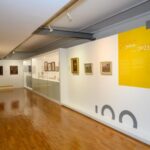
Temporary exhibit rooms round out the visit by adding more context. These areas can help you connect the ship to the broader maritime heritage of the city and region. If you like learning, take a minute to read slowly here. It’s often where the museum adds the extra story pieces that don’t fit in the fixed rooms.
Why the cod-fishing era story hits so hard
The Gil Eannes exists because cod-fishing was risky business in the mid-20th century. The ship was built to assist the fleet off Newfoundland and Greenland, which meant dealing with cold seas, isolation, and a constant need for medical readiness. In the 1950s context, the hardships weren’t abstract. They were daily realities for fishermen and crew.
What I love about how this museum frames the story is the link between labor and care. This is not a ship floating in clean neutrality. It is a ship tied to work that could get people injured, sick, or worse. When you walk from the supply and ship-function spaces toward the medical rooms, it becomes obvious why the “hospital ship” idea had to be practical and mobile.
You’ll also get a sense of the ship’s life-saving purpose through the atmosphere of the former operating spaces. Even if you don’t know maritime history, the layout helps you picture how help would reach crews when they needed it most.
The restoration rescue: why the ship is here at all
A big part of your visit is understanding that this ship almost disappeared. The Gil Eannes was decommissioned in 1984. It was docked on the Lisbon port, then moved from pier to pier. In 1997 it was sold to a scrap dealer, and it was in a degraded condition with much of its equipment ransacked. Plans were made to dismantle it.
Then the story turns. The Vianense community united to bring the ship back home, to where it was built. After major restoration works at the Viana do Castelo shipyard, the ship returned on January 31st, 1998. It then reopened for public visits when it was docked on the city’s old commercial port.
That rescue story matters because it changes the museum from a “look at the past” activity into something closer to civic heritage. You’re walking through a preservation effort that kept a specific chapter of maritime history from vanishing.
Price, time, and making it fit your day
This is a short, realistic visit: about 1 day, with entry tickets costing $6 per person. For the price, you’re getting a whole ship’s worth of rooms—bridge, engine spaces, multiple medical areas, and living quarters. That’s strong value compared to ticketed attractions that only use a single exhibit hall.
A simple way to plan your time:
- If you like reading and photos, give yourself more time in the medical rooms and chapel.
- If you prefer a quicker scan, focus on bridge, operating theatre, radiology, and engine room for the big story anchors.
Remember the meeting point detail: you must present your voucher at the ticket counter before your visit begins. If you’re arriving in a busy time window, this is your moment to slow down, grab a ticket, and then start your route.
Audio guide tip: how to get more from the rooms
I strongly recommend using the audio guide if you like having extra context while you walk room to room. The ship is full of details, and the audio option helps connect each space to what the ship was doing when it was working.
Even if you’re not an audio person, consider this approach: use audio during the transitions between major zones—bridge to engine, engine to medical, medical to chapel. That’s where the story can otherwise feel like separate rooms. With the audio guidance, the ship’s purpose stays coherent.
Who should book this museum ship
This museum ship is a great fit if you like:
- Maritime history with real-world stakes, not just ships as objects
- Medical history told through environment and design
- Family-friendly sightseeing that doesn’t require a long day, since the ship is a compact experience
It also works well as a contrast stop if you’ve already done classic city sights in northern Portugal. This is a change of scale: instead of streets and viewpoints, you get a full internal world—cold-weather work spaces, treatment rooms, and the rhythm of ship life.
Should you book the Gil Eannes Hospital Ship Museum?
If you’re choosing between the easiest option and the memorable one, this is the easy call. The $6 price feels fair for the amount of ship you can explore, and the mix of bridge, engine, and hospital spaces makes the visit more than a story panel crawl. You’ll leave with a clearer sense of what cod-fishing life demanded—and how a medical ship had to be ready for everything.
Book it if you can handle tight interiors and lots of walking inside a ship structure. If mobility is a concern, skip it and look for a more accessible option elsewhere. Otherwise, I’d put Gil Eannes high on your Viana do Castelo list.
FAQ
How much are the tickets for the Gil Eannes Hospital Ship Museum?
Tickets cost $6 per person.
How long does the visit take?
The activity is valid for 1 day. Check available starting times before you go.
What does the ticket include?
Your entry ticket to the ship is included.
Where do I check in before entering?
You must present your voucher at the ticket counter before the visit begins.
Can I add children to my booking at a discount?
Yes. If you buy 2 tickets, you can add up to 4 children aged 7 to 16 for an extra 2€. This is paid directly at the ship entrance upon arrival.
Is the museum ship suitable for wheelchair users or mobility impairments?
No. It is not suitable for people with mobility impairments or wheelchair users.
What kinds of rooms can I visit on board?
You can visit multiple restored spaces, including the bridge, galley, bakery, engine room, operating theatre, doctor’s surgery room, treatment room, radiology room, various cabins, chapel, and temporary exhibit rooms.
Is there an audio guide available?
An audio guide is available as an option, and it’s useful if you want more information while you walk through the ship.
Is booking flexible if my plans change?
You can cancel up to 24 hours in advance for a full refund. You can also reserve now and pay later, keeping plans flexible.
If you want, tell me what else you’re doing in the Viana do Castelo area, and I’ll help you stitch this into a smooth day plan.