REVIEW · PORTO
Private Tour Santiago de Compostela & Viana do Castelo from Porto
Book on Viator →Operated by Touch Tours · Bookable on Viator
Santiago de Compostela is the real draw. This private full-day route strings together the cathedral at noon (including the famous Botafumeiro incense censer) and a guided walk through Santiago’s historic quarter on cobbled lanes built for pilgrims. I like that you get a one-on-one setup with a guide who can tailor the day, not just a bus drop-off. The one thing to consider is timing: if you’re hoping for long, slow hangs in one city, you’ll be moving most of the day, not lingering.
You’ll also like the way this tour mixes Spain and northern Portugal in one go. I particularly like the stop(s) around Viana do Castelo, where shipbuilding history and gold filigree craftsmanship explain what you’re seeing, plus the viewpoints from Santa Luzia hill. A possible drawback: lunch isn’t included, so you’ll want a plan before your stomach starts negotiating with your schedule.
In This Review
- Key points worth knowing before you go
- Porto to Galicia in one day: why this route feels efficient
- Pickup at 8:00 AM: how the timing affects what you’ll actually see
- Cathedral of Santiago de Compostela: noon mass and the Botafumeiro spectacle
- A small drawback to plan for
- Santiago casco histórico with a guide: Gothic streets you can follow
- Interaction level is worth a quick check
- Viana do Castelo essentials: shipbuilding, gold filigree, and the view from above
- A naming oddity you should clarify
- Museu do Traje and República Square: why identity matters on a short visit
- Santuario de Santa Luzia: the scenic payoff for a packed day
- Valença as an optional swap: smaller pace, same day trip
- Food reality check: no lunch included, so you’ll plan your own rhythm
- Price and value: $456.60 for up to 4, plus what you get
- Who this private tour suits best (and who should think twice)
- Quick guide to making the day smoother
- Should you book this Porto-to-Santiago-and-Viana private day trip?
- FAQ
- What time does the tour start?
- Do you get pickup from your hotel?
- How long is the private tour?
- What’s the group size?
- What language is the tour in?
- What attractions are included in Santiago de Compostela?
- Is lunch included?
- Are tickets included for the listed stops?
- What’s included in the tour price besides the guide?
- Is cancellation free if plans change?
Key points worth knowing before you go
- Private guide from Porto means you’re not stuck with a rigid group pace.
- Santiago cathedral at the high altar plus the Botafumeiro show is the centerpiece.
- Historic quarter walking time keeps you oriented in the Gothic lanes and church-adjacent sights.
- Viana do Castelo’s ship-and-silver story adds meaning to the architecture and museums.
- Santa Luzia hill and sanctuary gives you a built-in scenic break.
- Valença can replace a stop if you’d rather slow down somewhere smaller.
Porto to Galicia in one day: why this route feels efficient
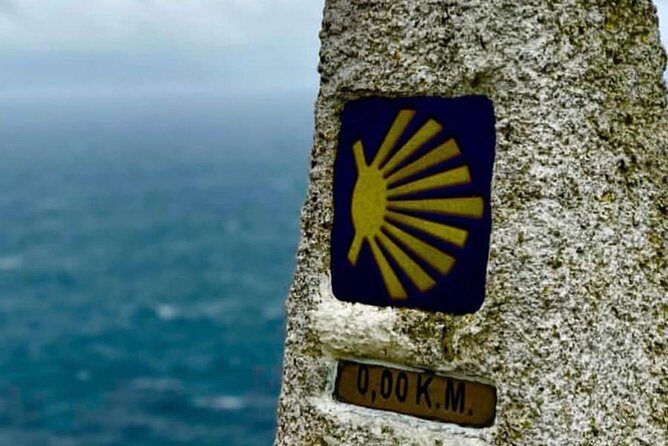
This is the kind of day trip that makes sense when you’re based in Porto and want something big without adding an overnight. You’re covering a whole pilgrimage destination in Spain, then crossing back into Portugal for Viana do Castelo, a coastal city with strong maritime roots.
The private format matters here. You’re not just buying transport; you’re buying someone to connect dots—what you’re looking at, what it meant, and what to prioritize when the day gets full. And because you start around 8:00 AM with pickup from your accommodation, you’re not wasting your morning trying to find the right place to begin.
At the end of the day, you should come away with two distinct “worlds”: Santiago’s sacred momentum, and Viana’s maritime identity.
You can also read our reviews of more private tours in Porto


Pickup at 8:00 AM: how the timing affects what you’ll actually see
Your day starts early, with pickup arranged around 8:00 AM from your accommodation (you share the name and place). The tour runs about 9 to 10 hours, which is plenty for the main highlights, but it does mean you’ll be making choices inside each stop instead of wandering for hours.
A practical note: the itinerary includes several one-hour blocks. That’s a good structure for first-timers because it forces key sights into the day. Just be aware that one-hour visits can feel short if a place grabs you, especially Santiago, where the cathedral experience can easily take over your attention.
Also, one review experience described a guide who drove fast and the group asked for a slower pace. If you prefer a calmer travel rhythm, say so at the start and ask your driver/guide to keep things comfortable.
Cathedral of Santiago de Compostela: noon mass and the Botafumeiro spectacle
This is the moment most people are really here for. You’ll spend time at the Cathedral of Santiago de Compostela, built around the ritual life of the pilgrimage. The plan centers on the pilgrim mass held at the high altar every day at noon, which means your visit isn’t just sightseeing—it’s part of a living tradition.
Then comes the Botafumeiro, the famous swinging incense censer. The details are the fun part: it’s huge (about 1.5 metres tall) and heavy (around 53 kilograms). It hangs from the cathedral’s central cupola and gets swung toward the side aisles using a system of pulleys. Even if you don’t know the first thing about church mechanics, it’s impressive to see something so controlled, so dramatic, and so old-school.
One practical timing wrinkle: one group reported arriving for a mass that started at 11:00 local time and still felt it was a good fit. That suggests the exact schedule can vary day to day, so don’t assume noon is the only possibility. When your guide is confirming the plan, ask what time the mass is expected that day and build your photos around it.
A small drawback to plan for
Cathedral time can feel intense in a good way. But it can also mean you’ll want to decide fast: do you want more listening, more photos, or more soaking in the architecture? You won’t get every option at a slow pace—private helps, but time is still time.
Santiago casco histórico with a guide: Gothic streets you can follow
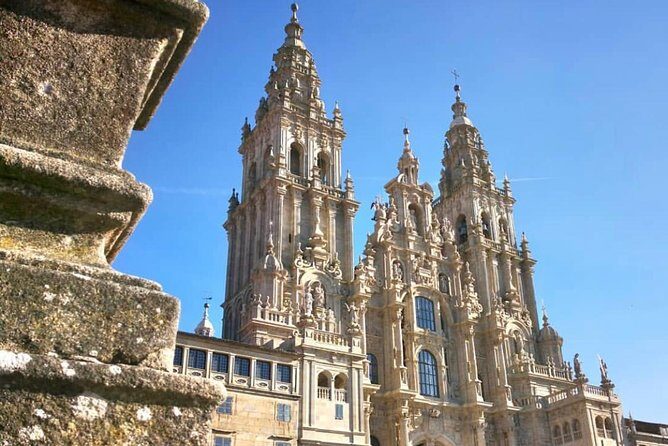
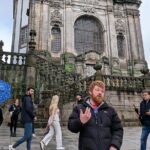
After the cathedral, you move into Santiago de Compostela’s Casco Histórico, guided through the historic quarter. This is where having a guide earns its keep. The streets are cobbled, and the area is packed with churches and monasteries—easy to enjoy, easier to understand with a route that makes sense.
The emphasis here is on the Gothic architecture and on finding your bearings quickly. In plain terms: Santiago can feel like a maze if you wander with no plan. Your guide’s job is to help you connect the dots so you’re not just passing doorways that look similar.
One helpful way to think about it: the cathedral gives you the ritual center, and the casco histórico gives you the “why does this place look like this” context. You’ll likely leave with a clearer sense of how the city grew around pilgrimage life.




Interaction level is worth a quick check
In one experience, the guide was described as kind but leaving the group more on their own, with less info than hoped. That doesn’t mean guides are all like that, but it’s a reminder: if you want commentary as you walk, ask for it early. A simple request—more walking explanations, slower pauses for questions—can change the whole feel of the stroll.
Viana do Castelo essentials: shipbuilding, gold filigree, and the view from above
Once you’re back in Portugal, Viana do Castelo becomes the second big storyline. This stop is built around how the city relates to Portugal’s sea discoveries and its craft traditions—especially filigree gold work. You’re not just looking at buildings; you’re being told what made the city prosperous and how that wealth showed up in objects and design.
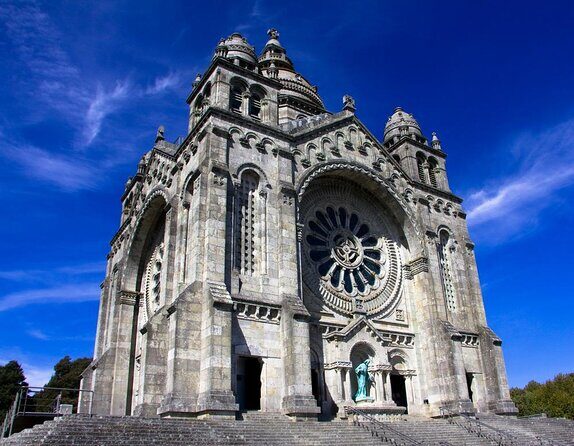
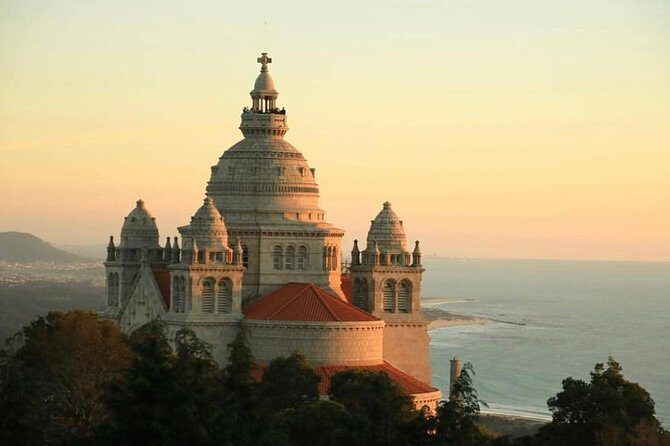
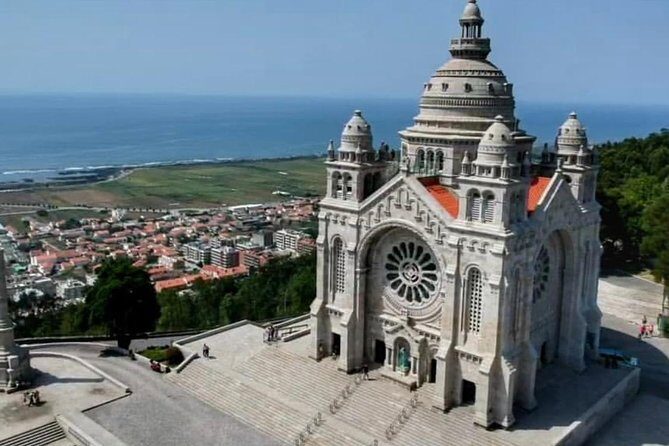
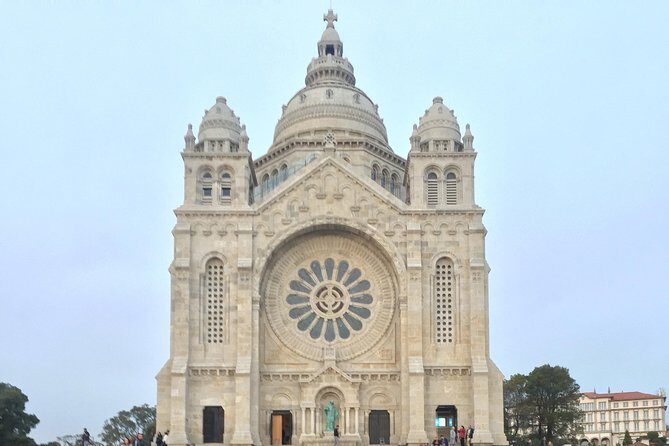
Your itinerary includes multiple Viana-focused stops, with one block centered on the cathedral area and another on Santa Luzia hill and its sanctuary. Santa Luzia is one of those places that gives you a built-in reason to look around. The hill viewpoint helps you understand the coastline and the city’s layout without needing a separate lookout plan.
There’s also a Traje museum mentioned as part of the time in Viana do Castelo. That’s the kind of stop that pays off if you like culture that’s still visible in daily life. Even in an hour, it can help you connect traditional clothing and identity to the maritime prosperity story you’re hearing.
A naming oddity you should clarify
One section of the itinerary lists a stop as Castle of Viana do Alentejo, but the descriptions around it clearly focus on Viana do Castelo (cathedral, República Square, and Santa Luzia hill). Before you go, I’d ask the operator to confirm the exact sites they’ll visit in the Viana block, just so you’re not surprised by a label.
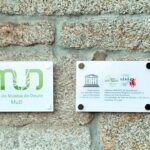
Museu do Traje and República Square: why identity matters on a short visit
If you’re the type who likes your sightseeing to explain itself, the museum time is a good use of a limited day. The Museu do Traje (costume/museum focus) is listed as part of the route, and it pairs nicely with the earlier talk about gold filigree and maritime-era wealth.
Then you’re guided around República Square and toward the Cathedral of Viana do Castelo. Taken together, these stops help you understand how a city looks when it has both religious center and civic center—plus a strong artisan streak tied to its history.
Even if you don’t spend long inside any one location, you’ll leave with more than photos. You’ll have a sense of what people here valued enough to build and keep.
Santuario de Santa Luzia: the scenic payoff for a packed day
Santa Luzia isn’t just another church stop. The itinerary treats it as a key experience, with the hill and sanctuary mentioned explicitly as part of the plan. This is the moment where you get a change of pace: you climb, you look out, and you take in the view.
If Santiago was your emotional peak, Santa Luzia can be your breathing space. It helps break up the morning’s ritual and the afternoon’s walking so the day doesn’t turn into nonstop motion.
And if the sky is clear, you’ll likely appreciate it even more, because the whole point is to see the region from above. If it’s cloudy or windy, you’ll still get the historical and religious setting, just with fewer photo opportunities.
Valença as an optional swap: smaller pace, same day trip
The itinerary offers a flexibility option: if there’s still time, the tour can adjust and include Valença, described as a small village. This can be a smart choice if you want fewer crowds and more charm per minute.
Valença works best when you’ve already seen what you want in the main sights and you’d rather keep your feet moving at a gentler speed than squeeze in one more big location. The tour notes that this depends on remaining time, so the guide’s judgment matters.
If you hate last-minute changes, it can help to decide your preference ahead of time—Valença yes or no—so you don’t have to think about it while you’re tired.
Food reality check: no lunch included, so you’ll plan your own rhythm
Lunch is not included. That’s totally normal for private tours, but it’s worth treating as a real scheduling factor. You’ll likely want to eat either after your Santiago walking time or later in the afternoon once you know how long the cathedral and museum parts actually take.
One review example included a recommendation for Tapas do Cardeal, with seafood tapas that the group enjoyed. The takeaway for you: ask your guide for a practical meal recommendation that matches your pace and tastes, especially since your day includes religious sites and museum time, which can make hunger hit at odd moments.
If you have dietary needs, mention them early. You’re on a tight schedule, and your guide can steer you toward options you can actually handle comfortably.
Price and value: $456.60 for up to 4, plus what you get
The price is $456.60 per group (up to 4 people). For a private day that covers cross-border travel, fuel and tolls, and a local guide, it can be good value if you’re traveling with at least one other person or a small family.
Here’s what you’re paying for:
- Private guide time in both Santiago and Viana do Castelo.
- Transport time that would be hard to coordinate yourself in one day.
- Admission tickets listed as free for the cathedral and the walking/city segments on the schedule you were given.
- Small extras like bottled water and coffee and/or tea.
What’s not included:
- Lunch.
If you’re one person traveling solo, the per-person cost can feel steep compared with group buses. But if you can split the group price, it often becomes a smart way to get a high-impact day without the stress of managing timing and route details on your own.
Who this private tour suits best (and who should think twice)
This tour fits best if you want a structured day with a guide, and you’re comfortable moving between countries in one long outing. It’s ideal if you care about the pilgrimage story behind Santiago, and you also want the maritime culture context of Viana.
You should think twice if:
- You want lots of unhurried time in one place, since the schedule uses short focused blocks.
- You’re picky about interaction. If you like deep commentary, ask for it from the start and request a pace that lets you ask questions.
- You don’t handle early starts well.
Good news: the tour notes that most people can participate, and children must be with an adult.
Quick guide to making the day smoother
A private tour is only as good as the expectations you set. Before you start, tell your guide what matters most: Botafumeiro timing, extra time in the cathedral, museum focus, or viewpoints from Santa Luzia.
Wear comfortable shoes for cobbled streets in Santiago. You’ll be walking in historic areas and then doing enough movement to make foot comfort a real factor by mid-afternoon.
And don’t be shy about pace. One experience included a request for slower driving, which tells me you can speak up if you prefer a calmer rhythm.
Should you book this Porto-to-Santiago-and-Viana private day trip?
I’d book this if you want one day that hits the headline sacred site in Spain and then gives you a second identity-rich city back in Portugal. The cathedral mass and Botafumeiro experience are the kind of things you can’t easily recreate alone without planning, and the guide helps you get more from the walking portions than you’d get just wandering.
I’d skip or rethink it if you’re chasing a slow itinerary or if you’d rather spend an entire day in Santiago to go deeper in the casco histórico. This tour is built for highlights and meaning, not for long lingering.
If you do book it, your best move is simple: decide what you’d regret not seeing, and tell the guide up front. Then let the schedule do what it does best—pack in the big moments without the stress.
FAQ
What time does the tour start?
The tour starts at 8:00 AM.
Do you get pickup from your hotel?
Yes. Pickup is offered, and you’ll meet your guide at your accommodation around 08:00 AM.
How long is the private tour?
It runs about 9 to 10 hours.
What’s the group size?
This is a private tour for your group only, and the price is listed per group up to 4 people.
What language is the tour in?
The tour is offered in English.
What attractions are included in Santiago de Compostela?
You’ll visit the Cathedral of Santiago de Compostela, including time for the pilgrim mass at the high altar and the Botafumeiro, plus a guided walk through the Casco Histórico.
Is lunch included?
No. Lunch is not included.
Are tickets included for the listed stops?
The itinerary states admission tickets are free for the included stops.
What’s included in the tour price besides the guide?
Included items are fuel surcharge and tolls, bottled water, local guide, private tour, and coffee and/or tea.
Is cancellation free if plans change?
Yes. You can cancel for a full refund up to 24 hours before the experience starts, and free cancellation is offered.