REVIEW · VIANA DO CASTELO
Visit to Gil Eannes hospital Ship Museum
Book on GetYourGuide →Operated by Fundação Gil Eannes, FP · Bookable on GetYourGuide
Cold seas, real life.
This museum ship turns the spotlight on a hospital vessel that had to work in ice and storms, not just treat patients. I love how the restored spaces make you feel what daily work meant in the 1950s, and I also love the scale of what this ship did beyond medicine. One heads-up: the ship is not set up for people who need mobility help, and the layout can be tough for anyone with vision challenges.
You’ll “navigate” through the bridge, galley, bakery, engine room, operating theatre, doctor’s surgery, treatment and radiology rooms, cabins, and even a chapel. It’s a small ticket price for a lot of physical storytelling, especially if you enjoy maritime life and practical design. For me, the best part is the contrast: a place built for care, powered like a working vessel, and staffed to keep people going on brutal North Atlantic schedules.
Plan on about a day, and check your voucher at the ticket counter before you start. If you’re coming with kids, double-check the child add-on rule at the entrance, because the details can be easy to misunderstand when you’re just trying to buy quickly online. The visit is offered in Portuguese, Spanish, and English, so you can follow the story without guessing.
In This Review
- Key things to know before you go
- Gil Eannes Hospital Ship: the “floating clinic” that had to keep working
- Ticket value for a full ship walk-through
- Entering the museum ship: how to make the route feel manageable
- Bridge, galley, bakery, and cabins: seeing the ship as home and workplace
- Engine room and winter work: why an icebreaker matters
- Medical spaces you can walk through: operating theatre, radiology, and treatment rooms
- Chaplain and chapel: spiritual care in a hard working world
- The rescue and restoration story that powers the museum today
- Who this visit fits best (and who should rethink it)
- Should you book the Gil Eannes Hospital Ship Museum?
- FAQ
- How much does the Gil Eannes Hospital Ship Museum cost?
- How long is the visit?
- Where do I present my voucher?
- What’s included in the ticket?
- Can I reserve now and pay later?
- Is free cancellation available?
- What languages are available during the visit?
- What if I’m traveling with children aged 7 to 16?
- Is the museum ship suitable for mobility impairments?
- Is it suitable for visually impaired visitors?
Key things to know before you go
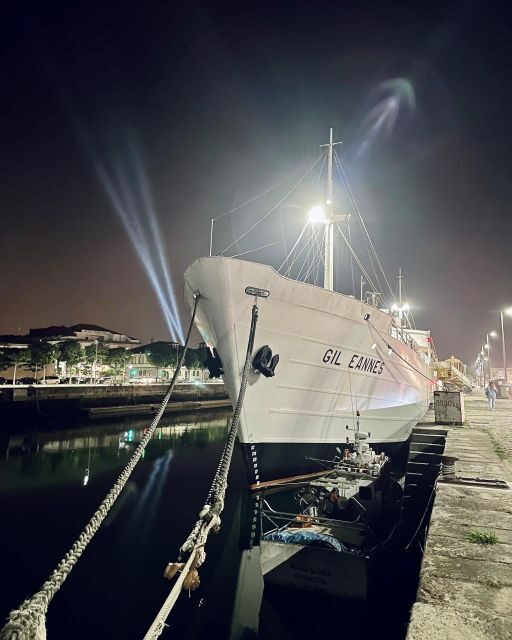
- One ship, many jobs: hospital ship plus flagship, mail ship, tugboat, icebreaker, and supply support.
- Built for cod-fishing winters: designed for medical help for crews off Newfoundland and Greenland.
- Restored rooms you can actually walk through: bridge, engine room, operating theatre, treatment and radiology areas.
- Community rescue story: saved from scrapyard and brought back to where it was built.
- Not an easy physical route: not suitable for mobility impairments or visually impaired visitors.
Gil Eannes Hospital Ship: the “floating clinic” that had to keep working
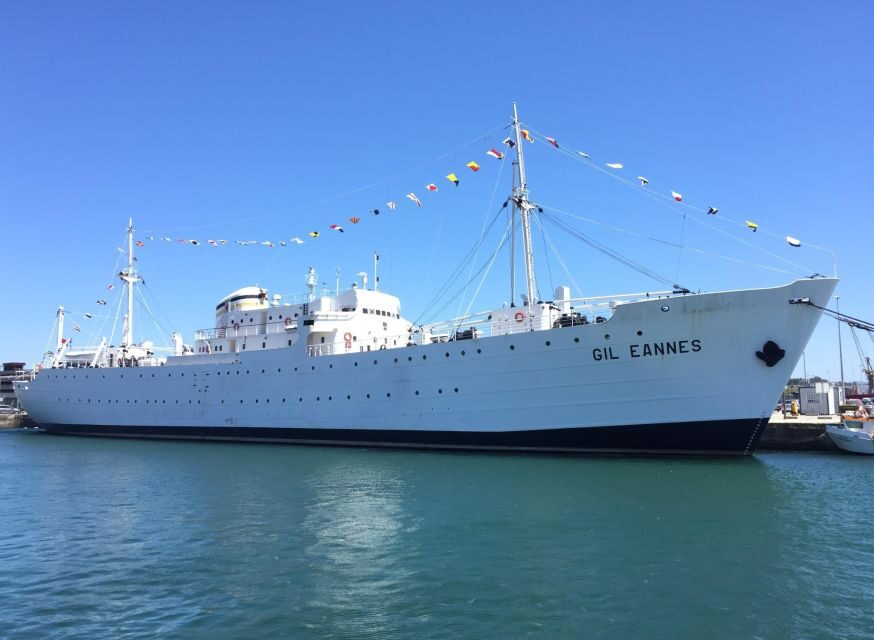
The Gil Eannes was built in 1955 in the Viana do Castelo shipyard to support the cod-fishing fleet working out in the cold North Atlantic waters near Newfoundland and Greenland. The straightforward mission was medical help: doctors and care for fishermen and crew who were living and working far from home. But the ship had to do far more than that, because survival at sea depends on logistics, power, and timing.
Here’s the part that makes the museum click fast: this is a hospital ship that also functioned like a shipyard-and-service center. It served as a flagship and a supply hub, and it could also take on roles like mail and towing. It even had icebreaking capability, which matters if you think about what winter conditions mean for the fishing fleet. In other words, medicine was only one piece of the puzzle. Keeping the fleet supplied with provisions, nets, bait, and fuel was also part of the care.
Then you get the timeline that makes the ship feel even more real. Its last voyage to support the cod-fishing fleet was completed in 1973. Two years later, it made a final journey in 1975 as a hospital ship during the withdrawal of troops when Angola became independent. Later, it was decommissioned in 1984 and ended up sitting in Lisbon, moved between piers, and eventually slated for dismantling.
That’s where the museum’s emotional pull starts to show. The ship didn’t vanish quietly. The local community united to bring it back home to Viana do Castelo, where it had been built. After major restoration at the shipyard, the ship returned on January 31, 1998, and opened for visitors in the city’s old commercial port.
You can also read our reviews of more museum experiences in Viana Do Castelo
Ticket value for a full ship walk-through
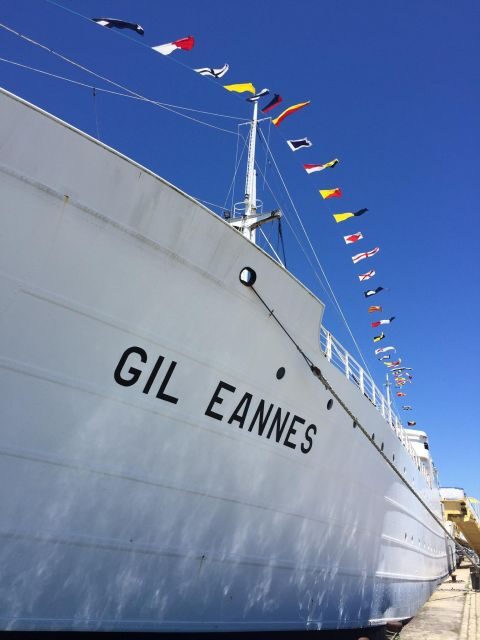
At about $6 per person, the Gil Eannes visit is strong value for what you get: access to a real vessel and multiple restored rooms, not just a small display. And because the ship is a physical place, you aren’t only seeing objects behind glass. You’re moving through the same kinds of spaces where crews ate, worked, treated patients, and slept.
One practical note for your planning: you’ll present your voucher at the ticket counter before the visit begins. That means arrive ready to exchange your paperwork for entry so you don’t end up waiting when your start time comes up. Also, the visit is listed as valid for one day—so if you’re juggling other stops in Viana, you can fit it in without feeling trapped.
If you’re thinking about whether it’s worth it with kids, I’ll say this plainly: the physical environment is the point, so come with expectations that kids will have to move through corridors and rooms. The child ticket rule is also something you should handle carefully, because one online comment I’ve seen was basically a frustration about how the child add-on doesn’t feel as clear as it should. The rule itself is straightforward: if you buy 2 tickets, you can add up to 4 children (ages 7–16) for only 2€ extra, and that should be paid directly at the ship entrance upon arrival. If you’re traveling with kids, I’d count adults and children ahead of time and then confirm the setup at the entrance before you settle.
Entering the museum ship: how to make the route feel manageable
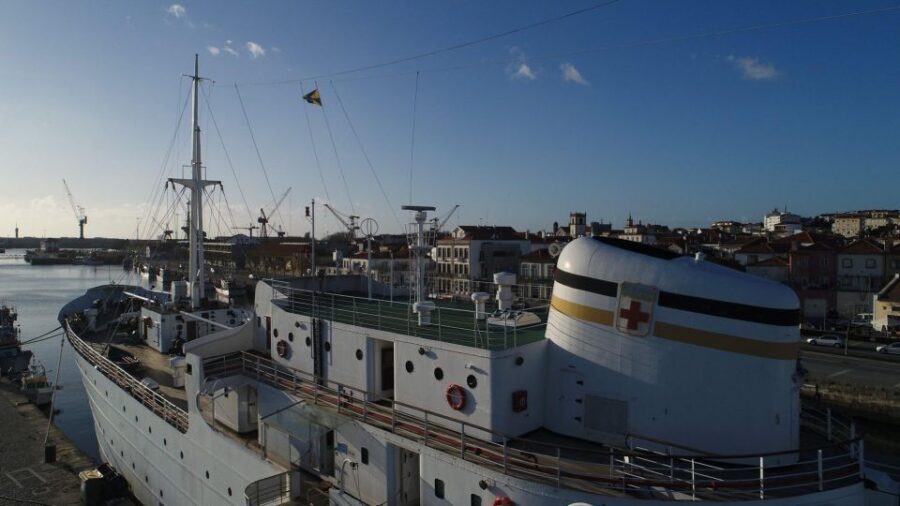
This isn’t a one-room museum. The Gil Eannes is laid out like a ship, which means you’ll be going from space to space with real doors, real stairs or steps in a vessel-like way, and tight movement that feels different from a land-based building.
The “good news” is that you can treat it like a self-guided circuit. You’ll start with the ship’s operational and leadership areas and work your way toward the medical spaces, then finish in the living and spiritual zones. You don’t need to rush to get the big picture, but I do recommend you give yourself time to slow down in the engine-related parts and again in the medical areas. Those are where the details show the most.
A simple strategy:
- Spend your first section understanding how the ship worked (bridge and working areas).
- Then switch gears when you reach the medical rooms and look for how the ship design supports care.
- Finish with the cabins and chapel to connect the everyday life side to the harsh sea side.
If you get just one thing from this visit, make it this: the ship is telling two stories at once—sea work and sea care—and the museum lets you see how they fit together.
Bridge, galley, bakery, and cabins: seeing the ship as home and workplace
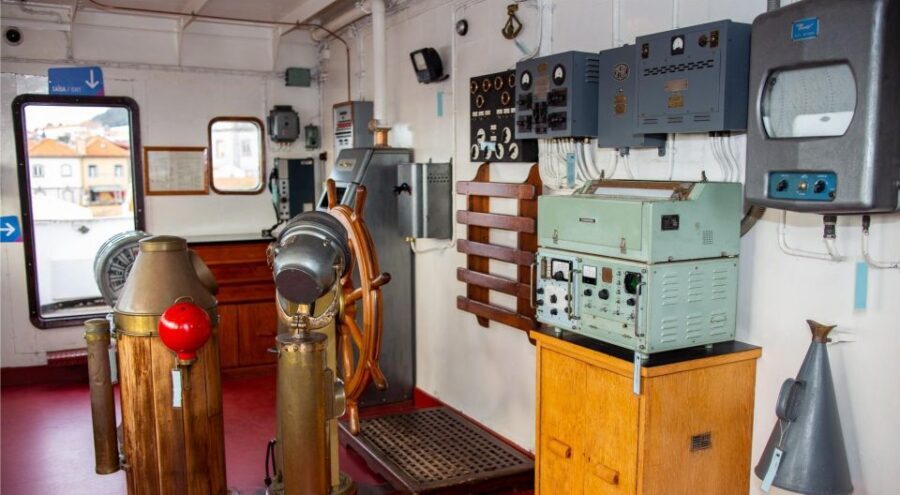
The bridge is where you get your bearings quickly. Even if you aren’t a maritime person, you’ll understand why this matters: this ship had to handle cold water conditions, navigation challenges, and coordination with the fishing fleet. Standing in a ship’s command area helps you picture the operational pressure. It’s not abstract.
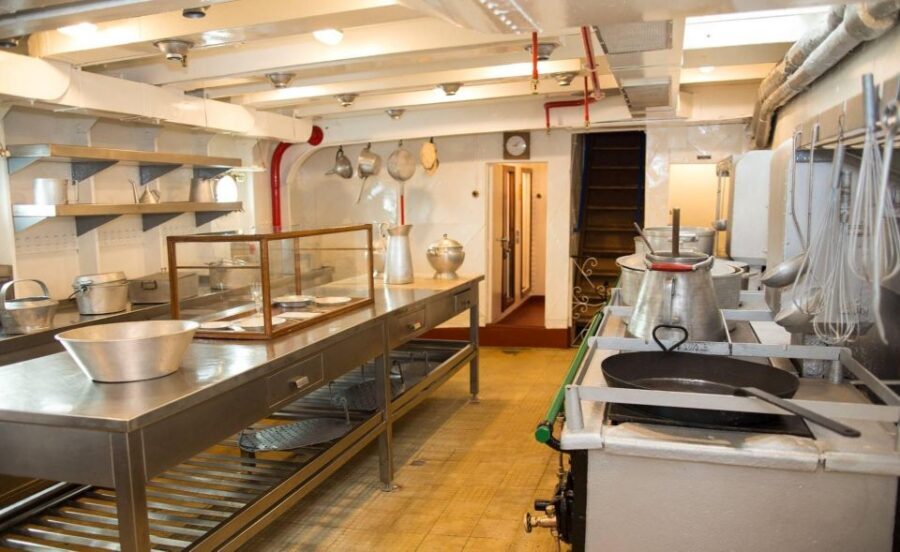
Then comes the galley and bakery areas. This is where I like to pause, because “feeding people at sea” sounds simple until you picture how many meals have to happen under real constraints. The presence of a bakery area makes the ship feel less like a hospital set and more like an actual floating community. You can almost feel the routines behind the walls.
Cabins and other living spaces round out the realism. This is where the 1950s hard living conditions stop being a vague concept. On a hospital ship, comfort is not the priority. The priorities are function, safety, and keeping the operation running long enough for the fleet to get by and for patients to receive care.
One reason this part is so effective is that it keeps the museum from feeling like a history display. It feels like a working ship preserved—because that’s what it is.
Engine room and winter work: why an icebreaker matters
The ship’s engine room section is one of the best places to understand what “ice conditions” really means. If you’ve only seen ships in calm weather, it’s easy to forget how much power changes everything. Here, the museum lets you connect propulsion and operational roles—especially the icebreaker function.
You also get the big-picture “why”: a cod-fishing fleet can’t just wait around for help. If the ship has to reach vessels, deliver supplies like fuel and provisions, and keep contact via mail or other support roles, then the ship’s ability to move in harsh conditions isn’t optional. The engine room helps you feel that chain of needs.
I’d suggest taking a slow look here and not treating it like a quick stop. Even without being technical, the engine room shows you that this was built for the real North Atlantic job, not for calm harbor tourism.
Medical spaces you can walk through: operating theatre, radiology, and treatment rooms
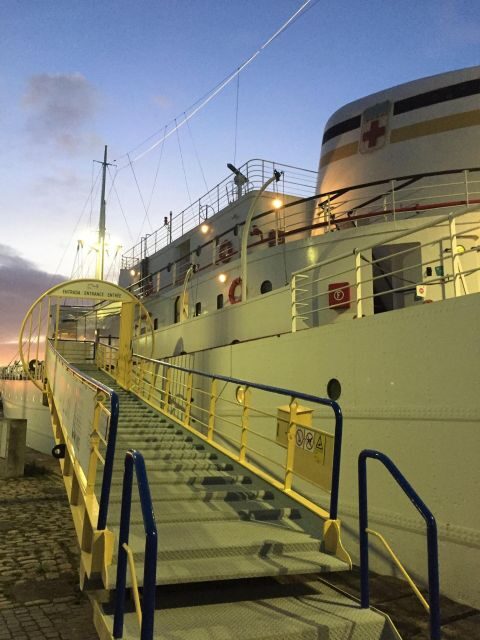
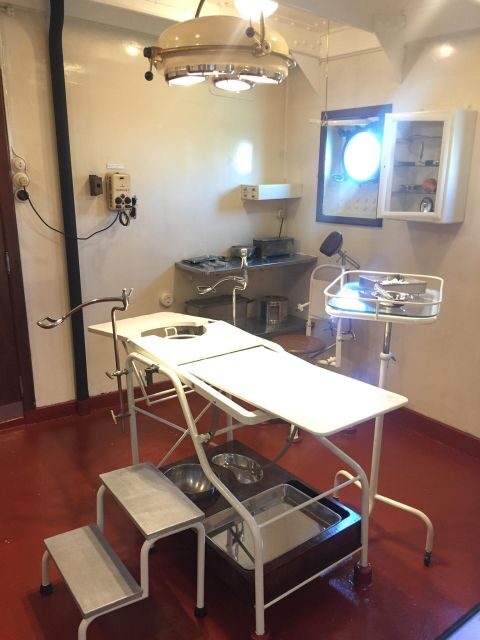
This is the “hospital” part of the ship, and it’s where the museum earns its name. You’ll be able to see the operating theatre, the doctor’s surgery room, and treatment and radiology rooms. For me, the strongest impact comes from how close these spaces are to the ship’s working and living areas. You can sense the shift from routine to emergency without the modern separation you might expect on land.
Even if you don’t read every label, you’ll get the logic: in remote fishing work, injuries and illness aren’t scheduled. Care has to happen efficiently, and the ship has to bring the medical capability to where people are. That’s why “medical assistance” was the core purpose, but also why the ship needed to be a functioning vessel at the same time.
The operating theatre and the radiology areas help you understand how serious the care could be in that era. The museum does a good job making medical roles feel integrated into the ship’s life—not like an add-on room placed for show.
Chaplain and chapel: spiritual care in a hard working world
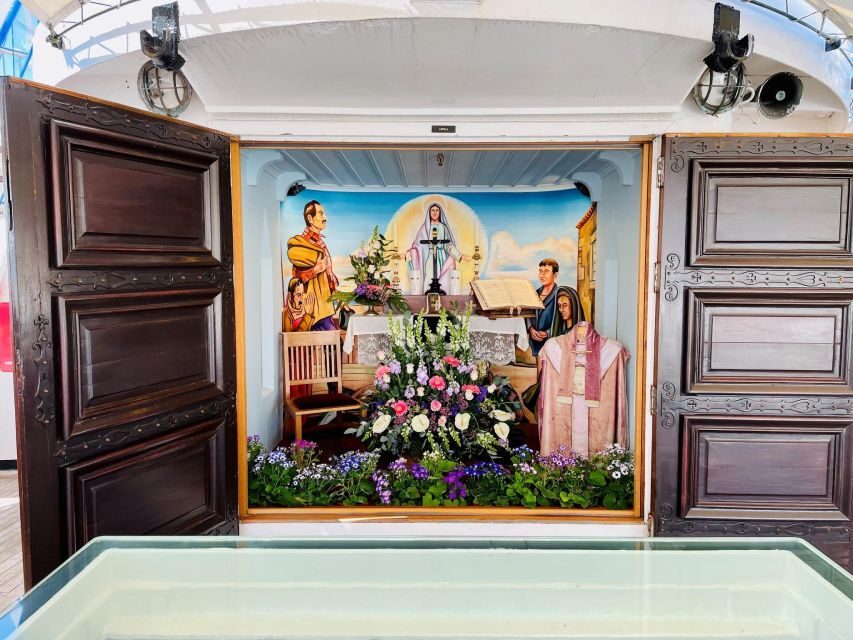
A surprising element you should not skip is the chapel. The ship had a chaplain on board to provide spiritual and religious guidance. It makes sense, honestly. When life is cold, exhausting, and risky, people look for comfort and meaning as much as they look for food or rest.
This part of the visit adds balance. The medical rooms tell you about physical care. The chapel helps you understand emotional and spiritual care, too. It’s one of those details that makes the ship feel more human, not just historical.
The rescue and restoration story that powers the museum today
If you’re wondering why the museum feels well kept and not like a sad hulk, the answer is the community rescue. After the ship was scheduled to be scrapped—once in a degraded state with equipment ransacked—it wasn’t left to disappear.
Vianense community support brought it back home from the scrap fate. It returned to Viana do Castelo on January 31, 1998, and then went through major restoration works at the Viana do Castelo shipyard. The result is a museum ship now under the custody of the Gil Eannes Foundation, a non-profit organization that owns the ship and supports visitor services.
That matters because you’re not just seeing artifacts. You’re walking through a vessel preserved because someone decided it deserved to be remembered.
Who this visit fits best (and who should rethink it)
I think the Gil Eannes museum ship is a great match if you like maritime history, practical design, and real-world constraints—like how people lived, worked, and got care in a sea environment. It also fits well if you want a “one day” stop that feels substantial without being overly complicated.
It’s especially worth it if you enjoy seeing how one project can combine multiple roles. This ship did medicine, supplies, towing, mail, and icebreaking support. That multi-role identity is a big part of what makes the visit satisfying.
On the other hand, it’s not suitable for people with mobility impairments, and it’s also not suitable for visually impaired visitors. Plan accordingly.
If you’re coming as a family, the experience can be great for curious kids who like ships and real spaces. Just be ready for the physical nature of a ship museum.
Should you book the Gil Eannes Hospital Ship Museum?
If you want a meaningful slice of Portuguese maritime life for a small price, I’d book it. The ship offers a rare combination: operational ship spaces plus serious medical rooms, all tied to the cod-fishing world that shaped the region. The best value is how the museum makes the ship’s purpose feel practical, not just symbolic.
Book it if you like:
- walking through real working spaces (bridge, engine room, galley)
- understanding how medical care worked at sea
- connecting daily life with emergency care
Skip or rethink it if:
- you need step-free, accessible routes
- you rely heavily on visual cues and need an adapted environment
FAQ
How much does the Gil Eannes Hospital Ship Museum cost?
The price is listed as $6 per person.
How long is the visit?
The experience is valid for 1 day.
Where do I present my voucher?
You must present your voucher at the ticket counter before the visit begins.
What’s included in the ticket?
Entry tickets to the ship are included.
Can I reserve now and pay later?
Yes. You can reserve now and pay later to keep your plans flexible.
Is free cancellation available?
Yes. You can cancel up to 24 hours in advance for a full refund.
What languages are available during the visit?
Languages include Portuguese, Spanish, and English.
What if I’m traveling with children aged 7 to 16?
If you buy 2 tickets, you may add up to 4 children (ages 7 to 16) for only 2€ extra. This extra payment is made directly at the ship entrance upon arrival.
Is the museum ship suitable for mobility impairments?
No. It is not suitable for people with mobility impairments.
Is it suitable for visually impaired visitors?
No. It is not suitable for visually impaired people.