REVIEW · VIANA DO CASTELO
Museum of Decorative Arts – Viana do Castelo
Book on GetYourGuide →Operated by Museu de Artes Decorativas - Município de Viana do Castelo · Bookable on GetYourGuide
If you love art that you can actually see at arm’s length, this museum delivers. The National Faience collection is a standout in Portugal, and the building itself is treated like a showcase, not just a storage room. I also like that the displays connect the ceramics boom to Viana’s own story, including its maritime vocation.
Two things I especially enjoy are the 18th-century Lisbon tiles on the main floor and the chapel’s biblical mosaics-in-tile form. One practical drawback to keep in mind: food and drinks aren’t allowed, so plan to eat before or after and treat your visit as a focused, gallery-only hour.
In This Review
- Key highlights you’ll want to target
- Why the Museu de Artes Decorativas is a smart one-day choice
- Getting your bearings at Largo de S. Domingos
- National Faience: what makes this collection matter
- The Lisbon tiles by Valentim de Almeida (and why the scenes are so specific)
- Three Baroque tile rooms: four continents, gardens, and drama
- The museum chapel: biblical tiles signed by Policarpo de Oliveira Bernardes
- How the museum tells Viana’s story through the sea
- Costume Museum: old weddings, dowries, and courtship culture
- Audio guides and museum rules that affect your visit
- Price, timing, and practical value for your schedule
- Who should book and who might skip it
- FAQ
- FAQ
- How long should I plan for the Museu de Artes Decorativas?
- What is included with the ticket?
- What are the main highlights of the museum?
- Are food and drinks allowed inside?
- Can I take photos with flash?
- What languages are available?
- Is the museum wheelchair accessible?
- Is the museum suitable for families?
Key highlights you’ll want to target
- National Faience collection: one of Portugal’s most important ceramics displays
- Three Baroque tile rooms plus the chapel: the museum’s best “wow” factor
- Valentim de Almeida-attributed tiles: Lisbon-made 18th-century scenes, including the four continents
- Chapel work signed by Policarpo de Oliveira Bernardes (1695–1778): biblical themes with serious craftsmanship
- Rooms that connect Viana to the sea: maritime vocation shows up in how the museum tells local history
- Ticket includes the Costume Museum: a separate layer of culture and daily life
Why the Museu de Artes Decorativas is a smart one-day choice
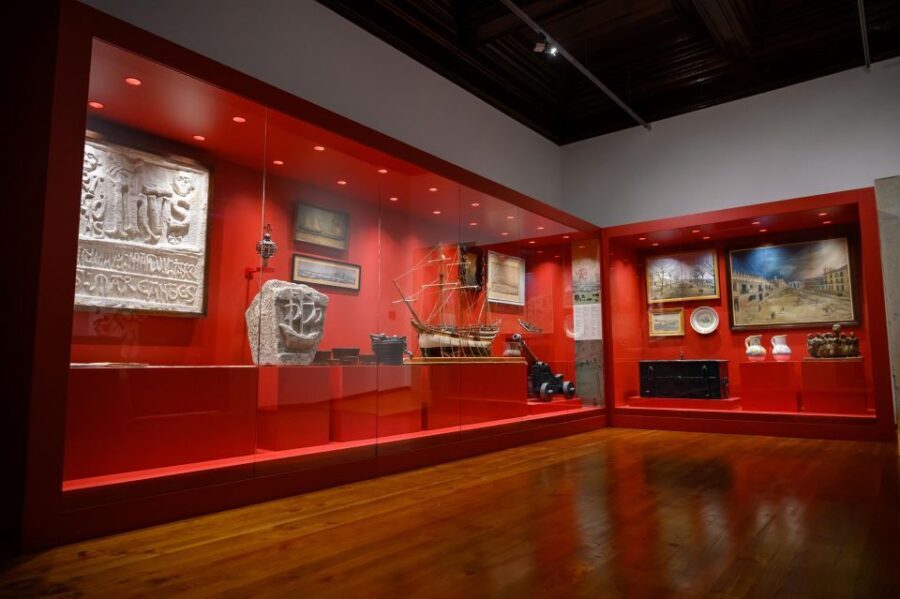
This museum works great when you want more than a quick look at pretty objects. You’re not just passing time with ceramics—you’re stepping into a kind of visual storytelling. The tiles cover multiple rooms and the chapel, so the experience builds like chapters instead of one long hallway.
It’s also a strong value for how much you get. The listed price is $2.83 per person, and that buys you access not only to the decorative arts galleries, but also the Costume Museum. For the time you spend, you’d be hard-pressed to find a ceramics-focused museum with this level of historic material that’s this easy to fit into a day.
And don’t sleep on the museum’s smaller comforts. There’s a nursery, plus access for people with reduced mobility, and descriptive audios to help you follow the collection.
You can also read our reviews of more museum experiences in Viana Do Castelo

Getting your bearings at Largo de S. Domingos
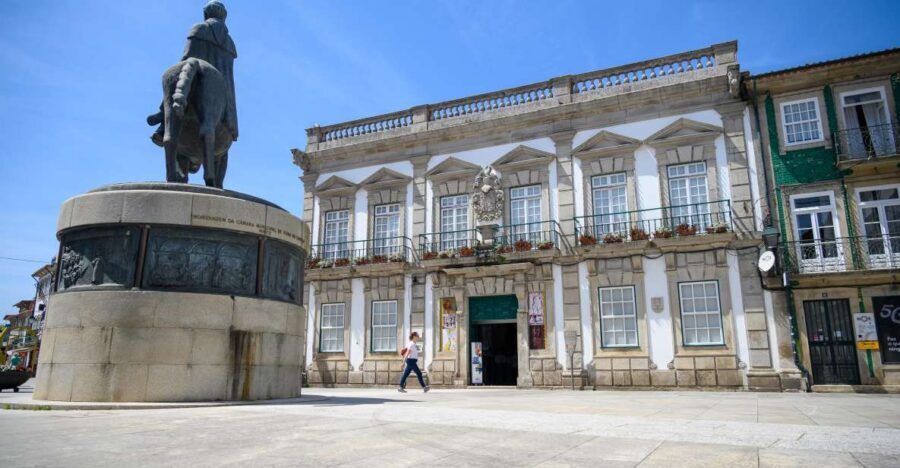
Start by orienting yourself around Largo de S. Domingos. The main floor facing that square is where a lot of the museum’s “big picture” tile display sits. The key detail here: those first rooms are filled with 18th-century tiles made in Lisbon, and many are attributed to Valentim de Almeida.
That matters because it changes how you look. You’ll see these works as part of a wider manufacturing story, not just as local decoration. It’s a museum that helps you read materials like evidence.
If you’re visiting with limited time, the museum’s layout also supports a practical plan: focus on the main-floor tile scenes first, then move to the Baroque rooms and finally the chapel.
National Faience: what makes this collection matter
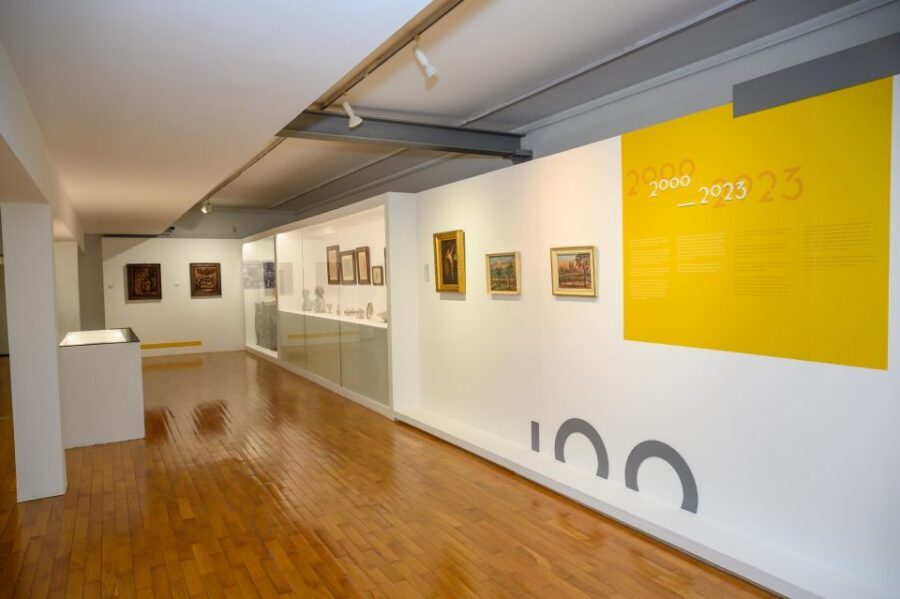
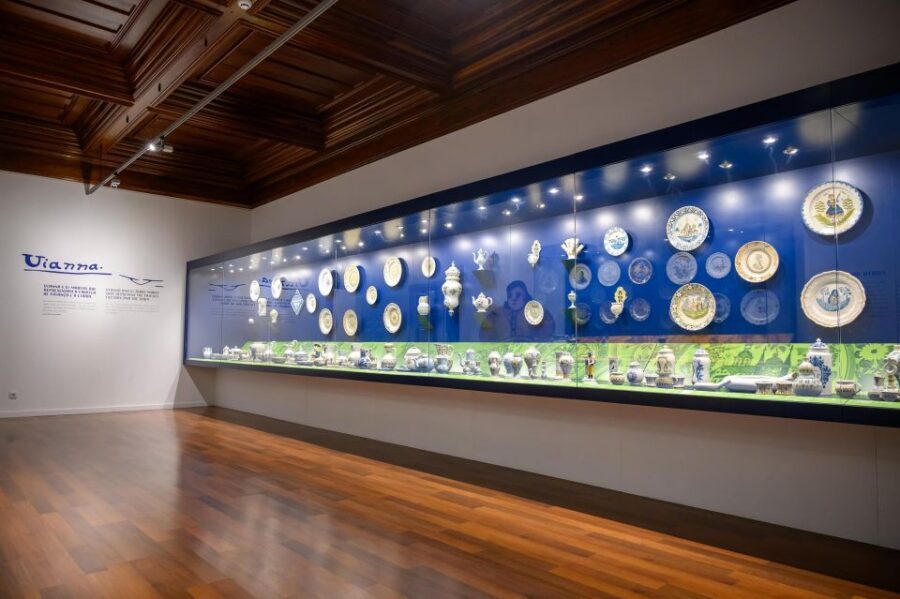
The museum’s heart is its National Faience collection. In practical terms, that means you’re seeing ceramics that were central to Portugal’s production culture—not hobby pieces, not crafts behind glass. The collection reflects how reformist ideas in the second half of the 18th century pushed industries forward, including ceramics.
Here’s the useful context: reformist momentum helped increase production and encouraged ceramics manufacturing centers to emerge across multiple locations. So when you see tiles, it’s not only about artistry. It also hints at trade networks, workshops, and changing demand.
I like this museum because it doesn’t treat the tiles as decoration alone. The rooms help you connect the artworks to the broader “how did this get made and why?” story.
The Lisbon tiles by Valentim de Almeida (and why the scenes are so specific)
On the main floor, you’ll find 18th-century Lisbon tiles with a clear Baroque flavor. Many are attributed to Valentim de Almeida, and the scenes are not generic. They’re structured and symbolic.
Look for the sets that show:
- the four continents
- hunting scenes
- garden scenes
This is where your viewing time pays off. When you stop treating the tiles as wallpaper and start reading them as a designed program, the museum gets way more interesting. The four-continents theme, in particular, turns decoration into a map of worldview—Baroque art often carried ideas about order, reach, and knowledge.
If you like art history but hate long, dry lectures, this is a nice compromise. The museum gives you visuals you can interpret without needing a textbook beside you.
Three Baroque tile rooms: four continents, gardens, and drama
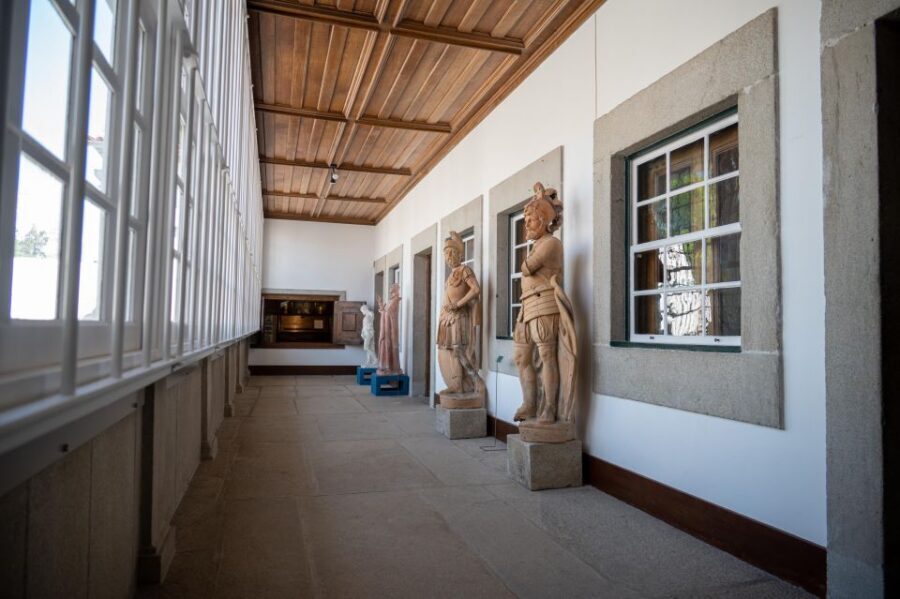
Beyond the main-floor display, the museum highlights the Baroque theme again through three rooms dedicated to tiles. These rooms keep the focus on ornament, but the iconography gives you something to track.
You’ll see hunting and garden scenes repeated across the tile programs, and you’ll likely notice how the art makes nature feel staged and “composed.” The overall effect is theater-like: these aren’t quiet decorations. They’re built to be looked at closely and often.
If you’re the type who likes to take photos, here’s the rule that will affect your pace: flash photography isn’t allowed. That pushes you toward natural light and slower looking, which is honestly how these tiles deserve to be seen.



The museum chapel: biblical tiles signed by Policarpo de Oliveira Bernardes
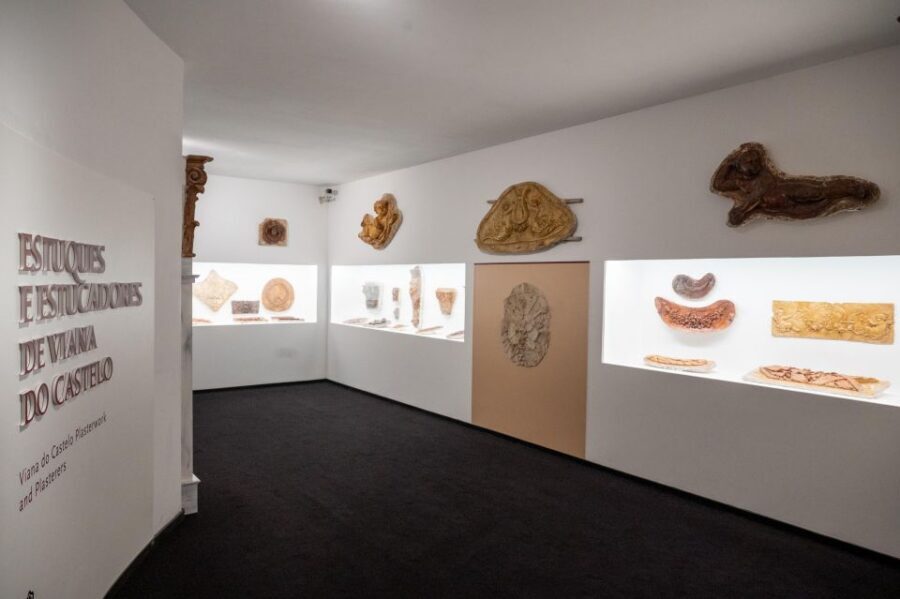
The most concentrated wow moment is the chapel. The interior is covered with excellent historic tiles that use biblical themes. Even better, the tiles are signed by Policarpo de Oliveira Bernardes (1695–1778).
That signature detail changes how you experience the chapel. You’re not just seeing a style—you’re seeing an identifiable creative hand attached to specific work. If you enjoy the feeling of standing in front of something that can be traced to a real person and era, this is the place to slow down.
Chapel tile programs are also meant to do more than instruct. They set a mood. Even if you don’t go for religious art, you’ll still feel the craftsmanship and the deliberate composition. Expect a tight, focused area where the art has room to hit you all at once.
How the museum tells Viana’s story through the sea
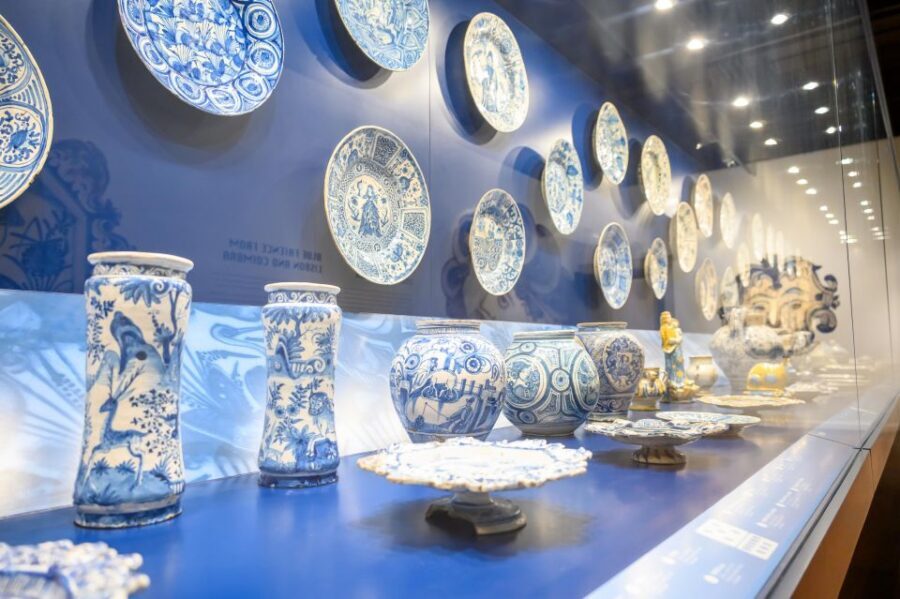
One of the museum’s strengths is that it doesn’t treat Viana as just a mailing address. The rooms help explain the city’s history and its maritime vocation.
I like this framing because it stops the ceramics from feeling isolated. Tiles may be “inland” objects, but they were produced in a national network and consumed in social and civic life. Viana’s sea connection ties that material culture to movement—trade, ports, and the kind of outlook a port city develops.
So as you move between tile rooms, keep an eye on the bigger theme: the museum uses ceramics to help you understand how Viana fit into Portugal’s wider world.
Costume Museum: old weddings, dowries, and courtship culture
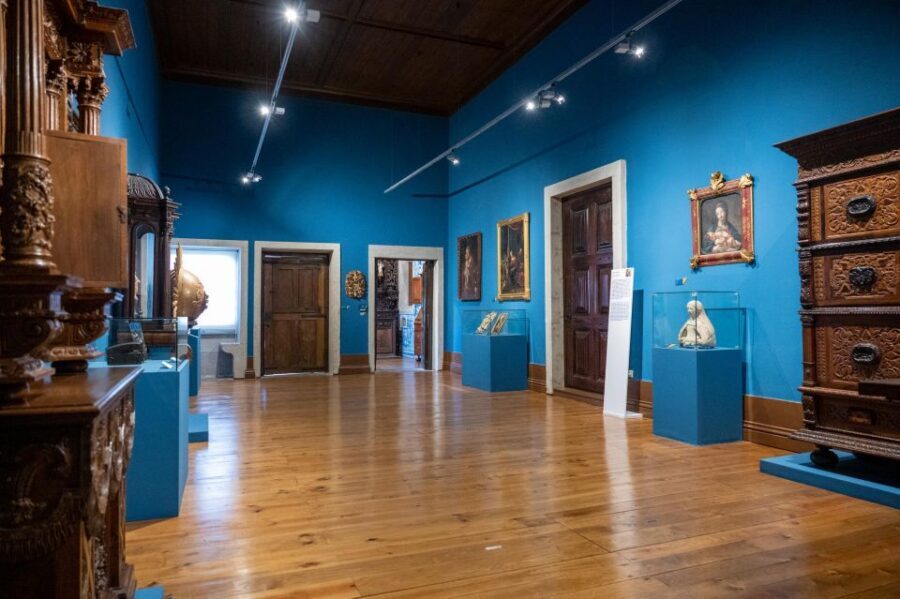
Your ticket includes access to the Costume Museum, which adds a second lens to the day. Decorative arts show you material style. Costumes show you how people wore culture—literally.
One display that stood out in a loved highlight involves old weddings, dowries, and the way courtship worked when there wasn’t physical contact. That’s the sort of detail that makes a history museum feel human instead of purely academic.
This is also a smart pairing because costumes and tiles often reflect the same social values: class signals, ceremony, and how art communicates identity. If you like cultural history more than pure technique, the costume portion can bring a nice balance.
Audio guides and museum rules that affect your visit
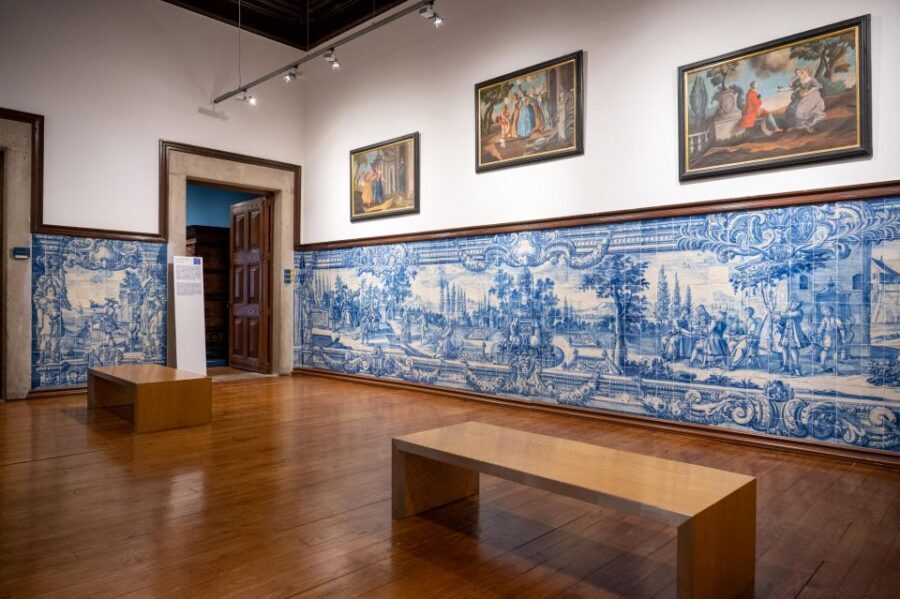
The museum offers descriptive audios, and the language listed is Portuguese. If you don’t speak Portuguese, you might still be able to enjoy the visual parts, but you’ll want to read the room labels carefully and plan for a slightly more self-guided experience.
Two house rules to note before you walk in:
- Food and drinks aren’t allowed
- Flash photography isn’t allowed
These rules shape pacing. You’ll likely spend more time looking and less time “snacking through galleries,” which can be a good thing. Treat the museum like an art stop, not a park picnic.
Price, timing, and practical value for your schedule
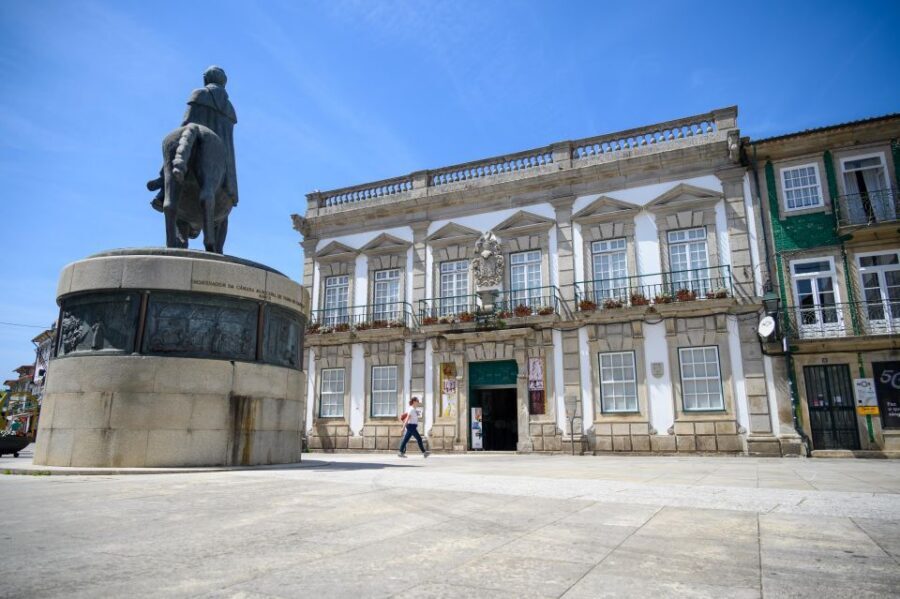
This experience is listed as 1 day with a price of $2.83 per person. For value, I look for three things: how much you can see, whether it covers different interests, and whether you’re spending your time effectively.
Here’s why it scores well:
- You get multiple galleries focused on major tile programs, including three Baroque rooms and the chapel.
- You also get the Costume Museum, which adds culture and daily-life context.
- The museum includes services like access for reduced mobility, nursery, and descriptive audios—small items that make a visit smoother.
A good fit if:
- You’re doing the Norte Region and want an arts-and-culture stop that doesn’t require an all-day commitment.
- You like visual art with clear themes: continents, hunting, gardens, biblical scenes.
- You want a museum day that includes both decorative arts and people-focused history.
A less ideal fit if:
- You’re only interested in modern art.
- You need to bring your own snacks or you hate rules around photography.
- You strongly rely on guided tours in English (the listed language is Portuguese).
If you need direct contact, the museum lists:
- Telephone: 258 809 305
- Email: [email protected]
- Address: Largo de S. Domingos, 4900-330 Viana do Castelo
Who should book and who might skip it
Book it if you want a compact, high-impact museum day focused on faience and Baroque tile art—and you’re curious about how ceramics connect to Viana’s local identity.
Skip it only if tile art just doesn’t grab you, or if you’re not comfortable with a Portuguese-language experience and a gallery-only visit without snacks.
In terms of the “should I bother?” question: the answer is yes if you like details you can actually see—especially the chapel’s Policarpo de Oliveira Bernardes signed tiles and the main-floor Valentim de Almeida-attributed Lisbon works.
FAQ
FAQ
How long should I plan for the Museu de Artes Decorativas?
The experience is listed as valid for 1 day, so plan on using a day visit to cover the main galleries, the Baroque tile rooms, and the chapel.
What is included with the ticket?
Your ticket includes access to the Costume Museum and the museum’s decorative arts exhibitions, with descriptive audios available.
What are the main highlights of the museum?
The top highlights are the museum’s National Faience collection, Baroque tiles shown in multiple rooms and the chapel, and rooms that describe Viana’s history and its maritime vocation.
Are food and drinks allowed inside?
No. Food and drinks are not allowed.
Can I take photos with flash?
No. Flash photography isn’t allowed.
What languages are available?
The listed language is Portuguese.
Is the museum wheelchair accessible?
Yes. The museum has access for people with reduced mobility and is wheelchair accessible.
Is the museum suitable for families?
It lists a nursery, which suggests it can work for families.
If you want, tell me your travel month and what else you’re doing in Viana do Castelo, and I’ll suggest a tight order for your one-day plan.