REVIEW · PORTO
Porto to Santiago Compostela with Braga-Guimarães-Barcelos-Viana
Book on Viator →Operated by WONDERS TOURS · Bookable on Viator
One road, many old cities. This trip turns a long drive into a custom route across Northern Portugal and into Galicia, with optional city stops that break up the journey. You start with hotel pickup in Porto and end with drop-off in Santiago, so you’re not juggling trains, taxis, and transfers while you’re tired.
I especially like the way the day can be shaped around your pace. You get a friendly English-speaking driver who can steer you toward the best time and place to stop, like Mario guiding one couple to the Santuario de Bom Jesus do Monte in Braga. I also love the practical value: all fees and taxes are handled, and the itinerary’s sights are listed as free admission for the time included.
One possible drawback: this is a long, multi-stop route, so if you pick too many stops you can end up with a day that feels more like “driving with pit stops” than slow sightseeing. Add rain into the mix and you’ll want to keep your expectations flexible.
In This Review
- Key highlights worth planning around
- Turning a transfer into a slow-travel road trip
- Porto pickup and the 8:30 start time
- Braga stop: choose the religious highlight and the cathedral core
- Viana do Castelo, Barcelos, and Ponte de Lima: quick stops that add texture
- Vigo and Tui: your Spain-facing pivot
- Pontevedra and Valença do Minho: closing chapters with strong walk options
- Santiago de Compostela: how to use your last 30 minutes well
- Comfort, group size, and what “private” really means here
- Price and value: what $199.88 gets you, and what to watch
- Practical tips to make the day feel easier
- Should you book the Porto to Santiago Compostela route with these stops?
- FAQ
- How long is the Porto to Santiago Compostela transfer?
- What time does the pickup happen in Porto?
- Are there optional stops along the way?
- Is the tour round-trip?
- Is lunch included?
- What’s included in the sightseeing stops?
- Can I cancel for a full refund?
Key highlights worth planning around
- Hotel-to-hotel flow: pickup in Porto, drop-off in Santiago de Compostela
- English-fluent driver: practical help on routing and what to see in each stop
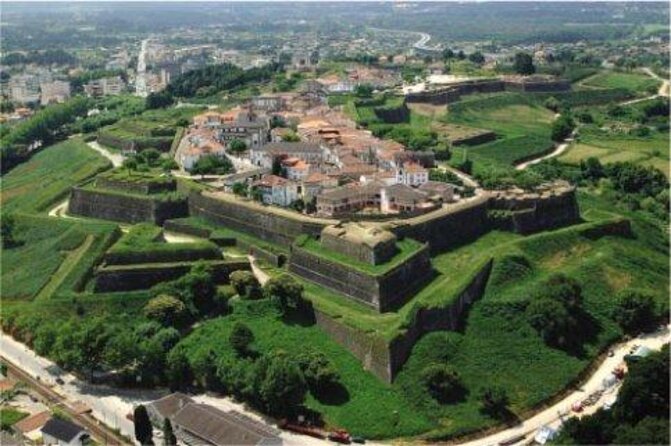
- Pick your stops: Braga, Vigo, Tui, Pontevedra, Valença do Minho, plus more
- Free-entry sights listed: the included stops are marked as admission-ticket free
- Comfort matched to your group: sedan for 1–3, van for 4–8
- Time-flexible day: around 1 hour per city stop, with optional add-ons if you want more
Turning a transfer into a slow-travel road trip
This is one-way Porto to Santiago de Compostela transportation, but it’s designed like a guided route, not just a shuttle. You choose which cities you want along the way, and the driver builds the day around those choices. If you’re the type who hates spending vacation time on logistics, this format is a big win.
The strongest part of the concept is how it breaks up the distance. Instead of doing one huge stretch and arriving exhausted, you add old-city walks and viewpoints across Northern Portugal and Galicia. It’s also private—your group rides together—so you’re not stuck waiting on strangers at every stop.
There’s also a helpful reality-check built into the design: each stop is time-limited. That means you see the main feel of each place without trying to “win” the day by packing in everything.
You can also read our reviews of more tours and experiences in Porto.



Porto pickup and the 8:30 start time
Your day begins at 8:30 am, with pickup at your accommodation in Porto. The timing is flexible in the sense that you can adjust the start time to what works best for your journey, but the day still has a clock running. Because the trip is unidirectional, you’re doing one long push toward Santiago (or you can request the reverse direction in the details).
Here’s a detail I’d treat like a rule: there’s a time difference between Porto and Santiago. It’s worth double-checking local time when you plan your arrival and any cathedral entry times you might care about. Even if you’re not visiting on a tight schedule, it helps you keep your sense of morning and afternoon from getting scrambled.
Also note what you’re actually buying: private transportation with an English-speaking driver plus included sightseeing stop durations. Lunch isn’t included, so you’ll want to plan food stops around your route choices.
Braga stop: choose the religious highlight and the cathedral core
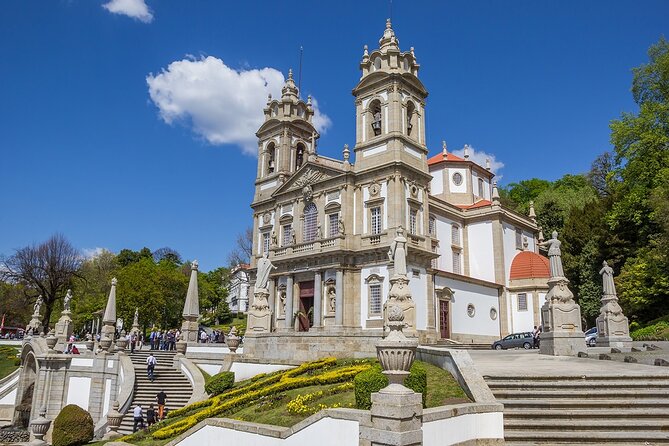
Braga is one of the best “first taste” cities on the route because it’s close enough to feel like you’re still in Portugal, yet it changes the mood fast once you start walking. The itinerary includes an optional Braga center stop of about an hour, with two specific sights called out: Sanctuary of Bom Jesus and Braga Cathedral.
The Santuario of Bom Jesus do Monte is the kind of place you can’t really replace with photos. You’re going for atmosphere and views as much as architecture, and that’s exactly why the driver suggestion matters. In one ride, Mario pushed the itinerary toward Bom Jesus do Monte and the results sounded like pure payoff: it was the kind of stop you might otherwise miss if you were just “passing through.”
With only about an hour, don’t try to do everything. Your best bet is to decide what matters most—views and the sanctuary setting, or the cathedral area—and let the driver’s timing keep you from sprinting. The good news: the listed admissions are marked as ticket-free in the plan.
If your group wants a little breathing room, this is the city where an extra 30–60 minutes can pay off. But if you’re building a tighter day, Braga gives you strong returns without eating the whole schedule.
Viana do Castelo, Barcelos, and Ponte de Lima: quick stops that add texture
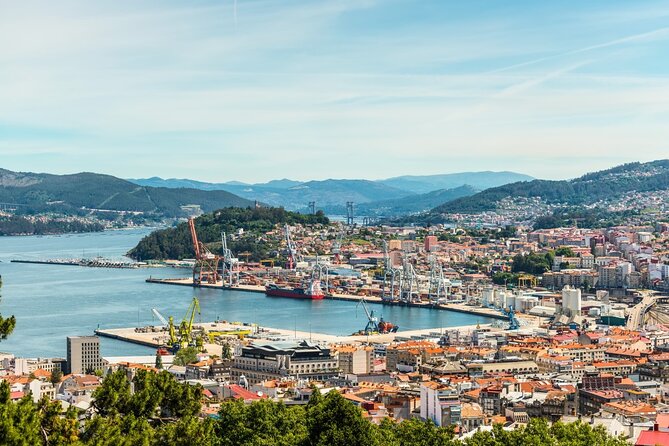
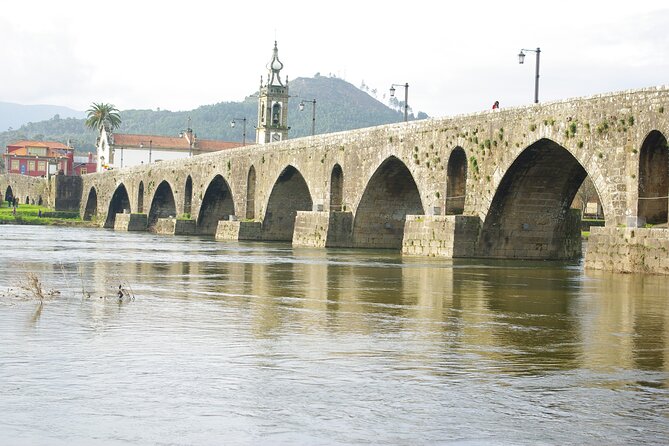
After Braga, you can add smaller stops that change the scenery and make the drive feel like a route with personality, not just a corridor. Viana do Castelo is one optional center stop of about an hour, and Barcelos and Ponte de Lima are also optional one-hour stops in their historic centers.
These are good choices if you like streets that feel lived-in and you want a short walk without major museum planning. You’re not committing to a full day in each place. Instead, you’re getting just enough to notice regional differences in buildings, plazas, and the pace of daily life.
The tradeoff is obvious: short stops mean you have to pick your focus. If it’s a rainy day, it helps to aim for the most compact walk route possible. If the weather is good, you’ll enjoy these stops more because they’re easier to “taste” through wandering.
If you’re unsure which optional cities to choose, start with Braga and Santiago, then add just one intermediate stop. That balance keeps the day from turning into a checklist.
Vigo and Tui: your Spain-facing pivot
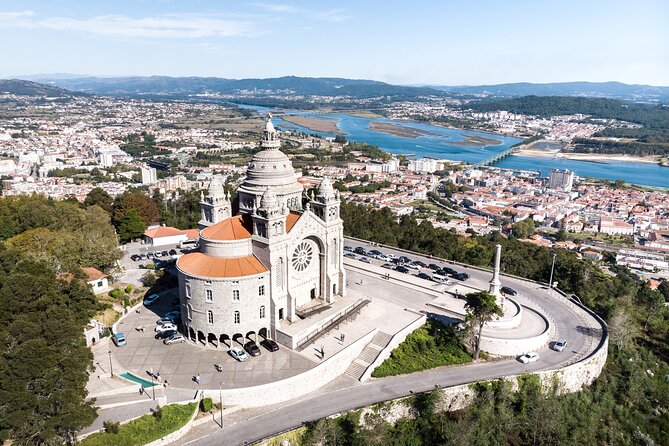
Crossing into Galicia-style stops is where the itinerary starts to feel like a border shift, even if you’re not doing an official crossing ceremony. Vigo is optional and runs about an hour in the historic center. The listed points include several anchors that make the city feel multi-dimensional.
You’ll see options like the Quiñones de León Municipal Park and Monte de A Guia, plus museums such as the Vigo Museum of Contemporary Art and the Galician Sea Museum. There’s also the Hermitage of Nosa Señora da Guía and the Co-cathedral of Santa María de Vigo.
With only an hour, Vigo works best as a “choose-your-vibe” stop. If your group likes sea views and coastal viewpoints, Monte de A Guia and the cathedral area may be the easiest wins. If museums are your priority, pick one and keep expectations realistic.
The ride can also include a practical reality: since lunch isn’t included, Vigo is a sensible place to grab it while you’re already on-site. In one experience, the plan included a lunch stop in Vigo before continuing to Santiago, which made the day feel smoother.
Then there’s Tui, another optional center stop around an hour. The points listed are the Convent of Santo Domingo and Tui Cathedral. One helpful note from a real-world experience: a driver named Luis recommended the Tui stop, and it landed as a favorite. That’s a good example of how small choices matter on routes like this.
If you’re trying to keep your energy up, consider making Tui your “final stretch reset” before Santiago. It’s close enough to feel connected to your arrival plans, but still gives you a distinct walk.





Pontevedra and Valença do Minho: closing chapters with strong walk options
As you move toward the Santiago finish, Pontevedra is another optional one-hour stop. The plan calls out places that make it feel like you’re reading the story of pilgrimage and local devotion on foot: Pilgrim’s Church, the Basilica of Santa María La Mayor, Church of San Francisco, plus ruins of the Convent of Santo Domingo. There’s also a Pontevedra Museum if your group wants an indoor break.
Pontevedra is worth considering if you want your final Portugal-to-Galicia leg to feel calmer and more centered. It’s also a good option if your group enjoys walking old lanes with a sense of rhythm. Still, remember the time limit: pick a route that hits the most important sights for your group rather than trying to do everything.
Then there’s Valença do Minho, an optional one-hour center stop. The plan lists the center stop without additional named sights, but it can work well as a quick, scenic pause—especially if you’re using the itinerary to break the drive into more manageable segments.
A useful tip here: if you tend to get car-sick, these extra breaks aren’t just sightseeing. They give your body a chance to reset between long stretches of road.
Santiago de Compostela: how to use your last 30 minutes well
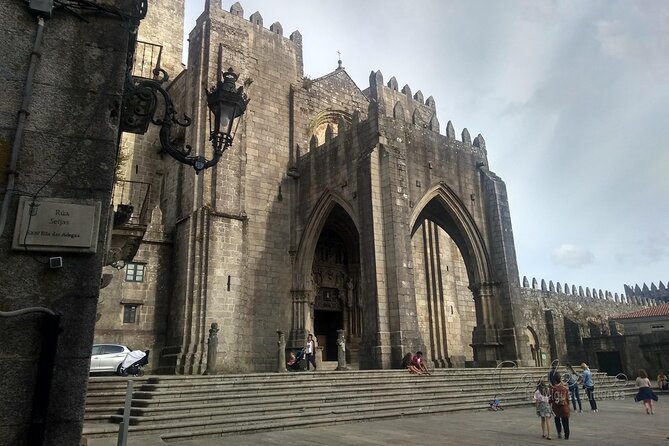
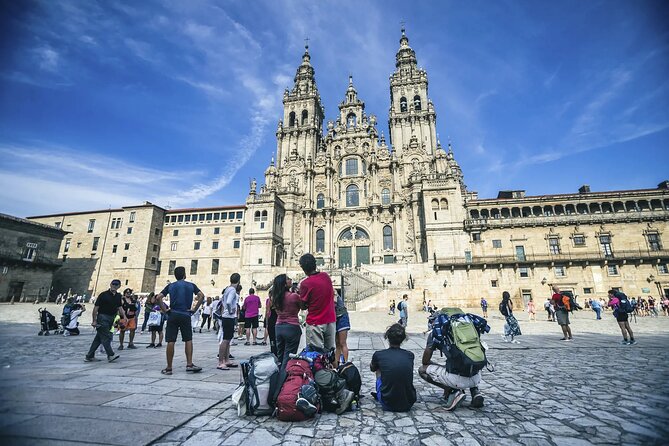
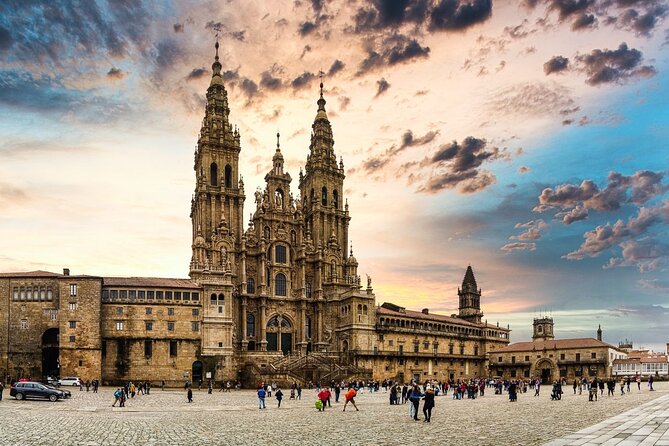
Your final step is Santiago de Compostela drop-off at your accommodation, with about 30 minutes of included time for highlights around the cathedral area. The plan lists a strong set of points: Santiago de Compostela Cathedral, Hostal dos Reis Católicos, Casa do Cabildo, and several museum options such as the Galician Center for Contemporary Art (CGAC) and the Museum of the Galician People.
You also get time-marked references like the Cathedral Museum, San Lorenzo de Trasouto, and Raxoi Palace. That’s a lot of material to see in a short window, so the smart move is to treat this as orientation plus one or two must-sees.
If your priority is the classic cathedral experience, make that the center of your 30 minutes. If your priority is art or museum time, pick one museum option and don’t feel pressured to “cross off” everything near the cathedral. In short stays, momentum matters more than coverage.
The benefit of a driver drop-off at your hotel is simple: once you arrive, you don’t have to figure out the last mile. You can step out, grab a meal, and then decide when you want a slower second visit later.
Comfort, group size, and what “private” really means here
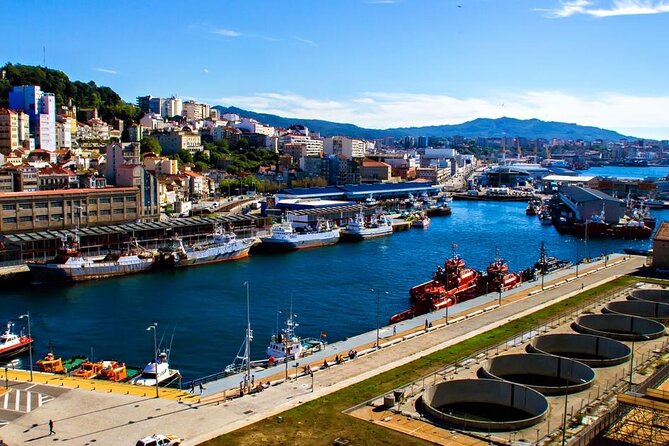
This is a private tour/activity, so only your group rides. That’s a big difference from shared shuttles—no waiting on other parties, and fewer surprises when it’s time to leave a stop. It’s also air-conditioned vehicle transportation, which matters when your schedule is locked and the day is long.
Vehicle assignment is based on group size:
- 1 to 3 passengers: sedan
- 4 to 8 passengers: van
There’s also a practical note about luggage: if you’re 1 to 3 but have many bags, they may treat you like a 4-person group for space, so expect the vehicle type to align with real-world packing.
You’re with an English-fluent driver, and that’s not just about language. It’s about making good stop decisions so your time doesn’t get wasted. In one ride, Mario’s suggestions helped turn Braga into a standout day. In another, Luis’s recommendation made Tui land better than expected. That kind of steering is the hidden value in private transfers.
One more important note: this trip is not accessible to wheelchairs, and pets aren’t suitable. Child seats are available upon request, and children need a ticket like adults.
Price and value: what $199.88 gets you, and what to watch
At $199.88 per person, you’re paying for a one-way, private, hotel-to-hotel route with an English-speaking driver plus included stop times. It’s not the cheapest option if you compare it to basic buses, but it’s often strong value versus renting a car and dealing with tolls, fuel, and one-way return issues.
The real value is time. A shared-transport day can turn into wasted waiting. This format keeps the day moving and gives you real choices about where to stop. And because lunch isn’t included, you still control that budget part of the day, rather than having a bundled lunch you might not want.
If you’re traveling as a small group (like 1–3 people), it can feel like a premium, but the convenience often offsets it—especially if you don’t want to deal with parking in old city centers. If you’re traveling as 4–8, the van option can make the cost per person feel more comfortable.
The main “watch out” is your stop selection. More stops can mean a longer day (the trip is listed as roughly 3 to 9 hours, depending on the number of stops). If you want an easy day, keep it to two or three stops besides Santiago.
Practical tips to make the day feel easier
Bring the mindset of a road-trip planner, not a museum curator. With multiple cities on the route, you’ll have the best experience when you pick a few priorities and let the driver handle the timing.
Here are the practical things that help most:
- Decide your must-do stops early: Braga and Santiago are the anchors
- If you want a longer day, use the 1-hour stop rule as your guide, then add extra time only where it matters
- Remember it’s weather-sensitive: one ride included heavy rain, and the driver still tried to make stops enjoyable—so pack accordingly
- Plan for lunch: it’s not included, so decide where you’ll eat in Vigo or another stop you choose
And don’t forget the time difference between Porto and Santiago when you’re thinking about arrival flow and how you’ll schedule your first evening plan.
Should you book the Porto to Santiago Compostela route with these stops?
Book it if you want a private, one-way travel day that gives you real sightseeing options without the stress of driving. It’s especially smart for couples, friends, and small families who want to see Braga (including Bom Jesus do Monte), maybe add a Vigo or Tui break, then arrive in Santiago ready to explore.
Skip it if you know you hate long car time or you prefer independent travel where you control every minute. Also skip or simplify stops if you’re hoping for deep, slow museum time in multiple cities—this route is built for short, efficient city hits.
If you want the easiest path to a good day, aim for a “two-stop plus Santiago” plan. Let the driver steer you, keep a cushion for rain, and use Santiago’s 30 minutes for orientation so you can return at your pace later.
FAQ
How long is the Porto to Santiago Compostela transfer?
The duration is listed as approximately 3 to 9 hours, and it depends on how many optional stops you choose.
What time does the pickup happen in Porto?
The start time is 8:30 am. Pickup is at your accommodation in Porto, and you can adjust the pickup time for convenience.
Are there optional stops along the way?
Yes. Optional stops include Braga, Viana do Castelo, Barcelos, Ponte de Lima, Vigo, Tui, Pontevedra, and Valença do Minho. You can decide which ones to include.
Is the tour round-trip?
No. It’s unidirectional travel from Porto to Santiago de Compostela. You can also start in Santiago and end in Porto by mentioning that option in the details.
Is lunch included?
No. Lunch is not included in the experience.
What’s included in the sightseeing stops?
The itinerary lists admission ticket free for the stops and points of interest mentioned. You still only have the included time per stop (about an hour for most city stops, and about 30 minutes in Santiago).
Can I cancel for a full refund?
Yes. You can cancel up to 24 hours in advance for a full refund, and cancellations made less than 24 hours before the start time are not refunded.