REVIEW · PORTO
Porto Region Across the Ages Museum: History and Heritage
Book on Viator →Operated by WOW Porto – The Cultural District · Bookable on Viator
Porto doesn’t start with the river. It starts with time. This museum uses video mapping, film, and a life-sized tram replica to give you a fast route through Porto and the surrounding region’s big moments.
I like how it’s built for short visits. In about 1–2 hours, you get a chronological walk that goes back to early eras and moves toward modern Porto, without needing a guidebook the size of a suitcase.
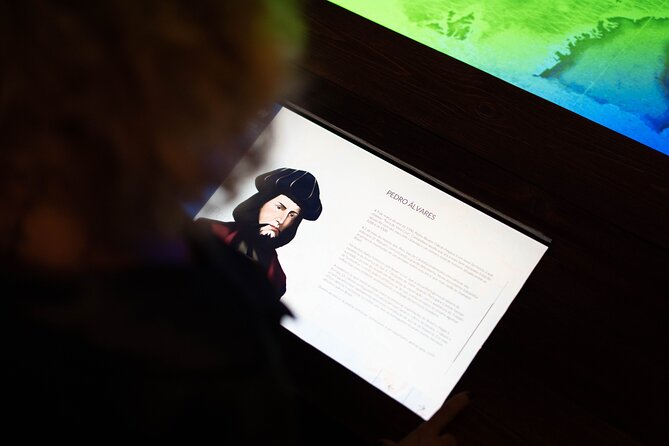
My favorite part is the mix of media and objects: you’re not only staring at walls. Still, there’s one catch: some rooms can feel text-heavy and more screen-based than hands-on, so it helps to have an audio track ready and skim selectively if you don’t love reading.
In This Review
- The Big Pitch: A 1–2 Hour “Get Your Bearings” Museum
- Entering the Story: What You’ll See in Each Time Zone
- Video Mapping and Cinema: Watching Porto’s Past Take Shape
- The Life-Sized Tram Replica: Small Object, Big Atmosphere
- Audio Guide in English: The Secret to Enjoying the Text Rooms
- Price and Value: What You’re Paying For (and What You Might Not Get)
- Best Time to Go and How to Pair It with a Porto Day
- Who Should Book This Museum (and Who Might Skip It)
- Should You Book Porto Region Across the Ages?
- FAQ
- How long does Porto Region Across the Ages take?
- What’s the price per person?
- Is admission included?
- What’s included in the experience?
- Is hotel pickup included?
- What language is available?
- What are the opening hours?
- Do I get a mobile ticket?
- Can I cancel and get a full refund?
- Is it easy to reach with public transportation?
The Big Pitch: A 1–2 Hour “Get Your Bearings” Museum
This is one of those places that can act like your mental map for Porto. You’re walking through the story of the city and the region—prehistoric roots, major shifts over time, and the route to what you see today. If you’re the type who likes to understand what you’re looking at before you go wandering, this works.
It also feels practical. You can do it early in your trip so the rest of Porto makes more sense. A ticket price of $24.08 per person may sound steep at first, but you’re paying for a designed experience: shows, multiple rooms, and an audio guide that keeps things moving.
Entering the Story: What You’ll See in Each Time Zone
The museum runs as a self-guided path through separate time periods. Each room is meant to represent a chapter, with visuals and explanations that connect the past to the present cityscape you’ll recognize outside.
Here’s the helpful way to think about it:
- Expect a chronology rather than one topic.
- Plan for a “walk, watch, listen, repeat” rhythm.
- Some sections rely on written explanations, while others use film or screen displays.
What I like about this layout is that you don’t have to choose “the right room.” Even if you’re not a history buff, the structure helps you stay oriented. And if you are a history buff, you’ll likely appreciate how the museum ties together long-term change rather than giving you isolated facts.
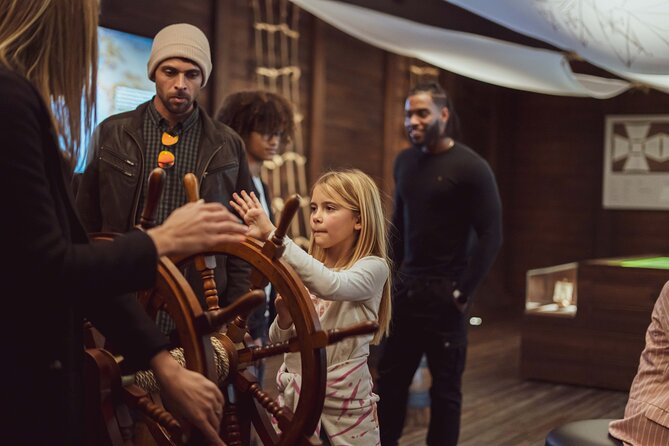
The main drawback is the one you should plan for: if you want lots of real artifacts and physical objects in every room, you might feel a bit under-stimulated. One visitor experience included the feeling that there weren’t many tangible items to look at up close, with walls of text doing much of the work. If that’s your preference too, go in with the right expectation: this is designed more like a guided multimedia timeline than a classic cabinet-of-curiosities museum.
You can also read our reviews of more tours and experiences in Porto.



Video Mapping and Cinema: Watching Porto’s Past Take Shape
This museum’s headline tools are video mapping and cinema-style storytelling. The point isn’t just to show pretty visuals. The point is to make time feel like it’s moving—so the city story doesn’t come off as a list of dates.
In practical terms, you’ll get:
- Projection-based storytelling that turns surfaces into scene-setting backdrops
- Film segments that give context, especially for larger historical shifts
- A pace that alternates between active viewing and quieter, explanatory space
If you learn better from visuals than from dense text, these sections are where you’ll likely feel the most payoff. Even for visitors who already know something about Porto, the setup can still feel useful because it connects events into a story arc.
A small tip: don’t try to “read everything” in the same way you would a museum textbook. Treat the screens like your anchor, and use the text as support.
The Life-Sized Tram Replica: Small Object, Big Atmosphere

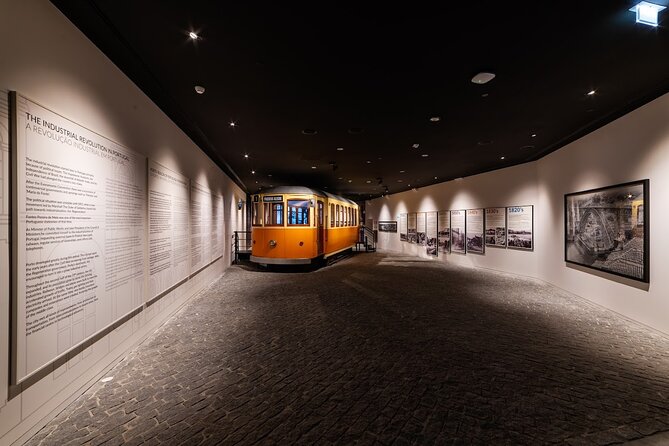
You’ll also meet a life-sized replica of a traditional Porto tram. That’s a big deal for two reasons.
First, it gives you a physical reference point. When you’re learning about a city’s development, symbols matter. A tram isn’t just transportation—it’s how neighborhoods, work, and daily movement connect.
Second, a life-sized prop helps break the “only screens and text” problem. It’s an easy moment to pause, look closely, and let the story shift from abstract to concrete.
If you like taking photos, this is likely the type of moment you’ll naturally want to linger with. If you prefer quiet viewing, it’s still a nice reset between heavier rooms.
Audio Guide in English: The Secret to Enjoying the Text Rooms
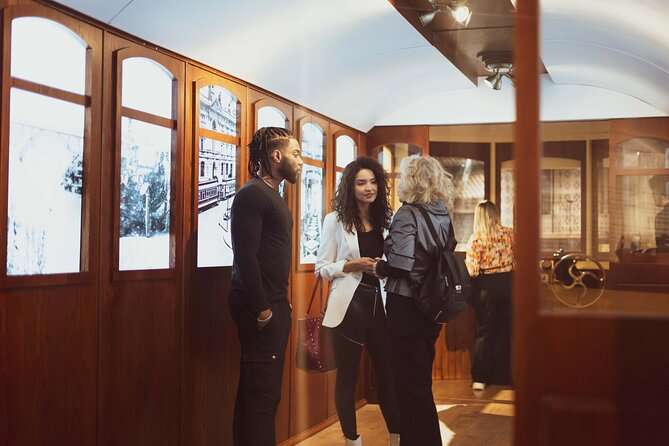
This is a self-guided tour with a multilingual audio guide, and English is offered. That matters more than it sounds, because this museum includes lots of written explanation in certain areas.
Here’s how to make the audio guide work for you:
- Put on the audio early and keep it running through text-heavy rooms.
- If you feel yourself getting stuck, switch to listening for the key idea, not every detail.
- Let the timeline be your structure: if you know what chapter you’re in, it’s easier to filter what you can skim.
One visitor experience praised the value of having a guide who could answer questions patiently. While your visit is self-guided, the museum’s presentation style does seem designed to support questions and engagement when staff or guided explanation is part of the day.
If you’re someone who loves reading every word, you might enjoy the wall text more than others. But if reading can wear you down, audio is your best friend here.
Price and Value: What You’re Paying For (and What You Might Not Get)
At $24.08, you’re paying for an organized, media-driven museum experience: cinema, video mapping, the tram replica, and access to the full self-guided path for about 1–2 hours.
So when does it feel like good value?
- When you like multimedia storytelling more than artifact-heavy galleries
- When you want a structured overview of Porto and the region in a limited time window
- When you want a “first stop” orientation so you can connect ideas later in the city
When might it feel less worth it?
- If you want lots of hands-on interaction every step of the way
- If you dislike text walls and prefer real objects and guided conversation
- If you’re bringing kids who need constant physical activity, this may not be the easiest sell, since one experience suggested it wouldn’t be ideal for children due to how much is explained through screens and reading
A balanced way to decide: if your goal is understanding Porto’s story quickly, this museum is designed for that. If your goal is a hands-on, object-focused collection, you may want to pair it with other types of stops that fit that style better.






Best Time to Go and How to Pair It with a Porto Day
The museum is open 10:00 AM to 7:00 PM, Monday through Sunday. With the total visit time of 1–2 hours, it fits neatly into most days.
I’d plan it like this:
- If it’s your first day, come earlier so the city feels more meaningful afterward.
- If it’s later in your trip, use it as a “wrap your head around it” checkpoint before you move on.
Also, being near public transportation helps. Porto can involve lots of walking and hills, so having an easy-to-reach museum makes scheduling smoother.
One more practical note: some visits can feel calmer depending on the day and time. If you want a slower pace, aim for off-peak hours within the open window, not right after lunch.
Who Should Book This Museum (and Who Might Skip It)
This is a good fit for:
- Adults who want a clear timeline of Porto and the surrounding region
- People who learn well from visuals, film, and audio
- Visitors who prefer a short museum stop with a defined route
You may want to adjust expectations or consider pairing plans if:
- You’re very focused on real artifacts and hands-on exhibits
- You dislike reading a lot of text on walls
- You’re traveling with young kids who need constant interactive play (this is more media and explanation than playground-style museum fun)
If you’re planning a trip around Porto’s neighborhoods, viewpoints, and architecture, this museum can work like the pre-ride briefing. It helps you see later sights as chapters in a longer story.
Should You Book Porto Region Across the Ages?
Yes, if you want a fast, structured overview of Porto and the region using video mapping, cinema, audio, and a tram prop that makes the story feel less abstract. The $24-ish price starts to make sense when you see it as a designed experience that’s meant to be finished in about 1–2 hours.
Skip or rethink it if you know you strongly prefer classic, artifact-heavy museums over screen-and-text storytelling. In that case, you might get more satisfaction from a different kind of stop.
If you’re on the fence, here’s the simplest decision rule: choose it if you want context and direction for the rest of your Porto trip. Choose something else if your main joy is handling objects, not watching them on screens.
FAQ
How long does Porto Region Across the Ages take?
The experience lasts about 1 to 2 hours.
What’s the price per person?
The listed price is $24.08 per person.
Is admission included?
Yes. Admission Ticket Included.
What’s included in the experience?
You’ll get immersive shows (including cinema and video mapping), a life-sized traditional Porto tram replica, a self-guided tour with a multilingual audio guide, and an interactive journey through time.
Is hotel pickup included?
No. Hotel pick-up and drop-off is not included.
What language is available?
English is offered.
What are the opening hours?
The museum is open 10:00 AM to 7:00 PM, Monday through Sunday (for the date range shown).
Do I get a mobile ticket?
Yes, it’s a mobile ticket.
Can I cancel and get a full refund?
Yes. Free cancellation is available, and you can cancel up to 24 hours in advance for a full refund.
Is it easy to reach with public transportation?
The site is near public transportation, and most people can participate. Service animals are allowed.