REVIEW · PORTO
Port Wine Lodges Tour Including 7 Port Wine Tastings (English)
Book on Viator →Operated by Porto Walkers · Bookable on Viator
Seven tastings in a single afternoon.
This is a Port wine lodges walking tour that mixes city orientation in Porto with real cellar time in Vila Nova de Gaia—plus guided tastings that help you tell styles apart. What I like most is the 7 tastings across multiple stops, and the way the guide ties production details to what you’re actually drinking. One thing to consider: there’s no lunch or snacks included, so plan ahead if you’re prone to getting hungry between tastings.
You meet by the pillars of the old Pensil bridge on Porto’s side (look for the red jacket that says porto walkers), then cross the wine world with an English-speaking guide who brings the place to life. I’ve seen this tour led by friendly pros like Alex, Kevin, Cyril, and Seral, and the common thread is clear: you’re not just tasting—you’re learning how Port works, from barrels to cork production, ending with views from a terrace.
In This Review
- Key Things I’d Watch For
- From Porto’s Pensil Bridge to Gaia’s Port Houses
- The Walk Through Vila Nova de Gaia (Where Port Life Happens)
- Reserve White and Reserve Tawny: The Big-Producer Stop
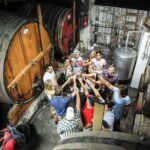
- An Old Cellar Turned Interactive: Ruby Port, Barrels, and Cork
- Douro Valley Interpretation Center and the Pairing Workshop
- The 7 Tastings: How You’ll Learn Port Styles Fast
- Pacing, Group Size, and What to Bring (Yes, Snacks Matter)
- Price and Value: Why $62.88 Can Make Sense
- Who This Tour Is Best For (And Who Might Want Another Option)
- Should You Book This Port Wine Lodges Tour?
- FAQ
- How long is the Port wine lodges tour?
- How many Port tastings are included?
- Where do I meet the tour guide?
- What time does the tour start?
- Where does the tour end?
- Is lunch or food included during the tour?
- Is the tour all walking?
- What is the minimum drinking age?
- How big is the group?
- Can I get a full refund if I cancel?
Key Things I’d Watch For
Seven tastings across three Port houses so you’re not stuck with one brand’s idea of Port.
Gaia cellars plus museum-style stops give you context fast, even if you’re new to Port.
Reserve Port tastings and a young Ruby make it easier to compare styles side by side.
Interactive Douro Valley interpretation adds structure without feeling like a classroom.
Small-group feel (max 18) helps the guide keep things moving and keep you included.
No food included means you’ll want to time a snack or meal before you start.
From Porto’s Pensil Bridge to Gaia’s Port Houses
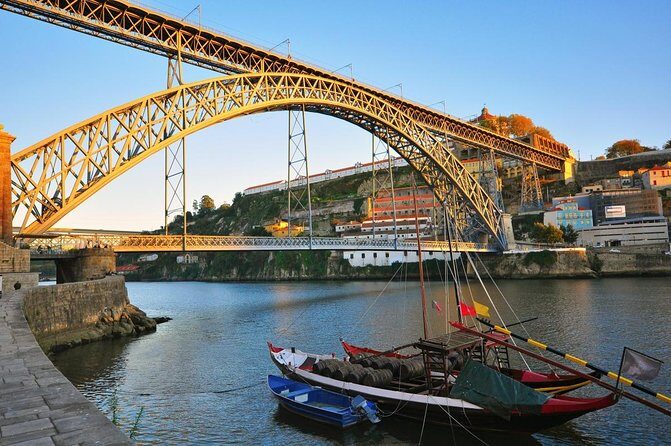
The tour starts at 3:00 pm on the Porto side, by the pillars of the old Pensil bridge near the lower level of the D. Luis Bridge. It’s easy to miss if you arrive late or drift away from the bridge area, so I’d set aside a few extra minutes just to orient yourself. The meeting point note matters: you’re looking for the guide in a red jacket that says porto walkers.
Then the whole experience moves on foot. You’ll walk through Porto’s edge before landing in Vila Nova de Gaia, the historic home base for so many Port lodges. This is one reason the tour works well: you get a sense of how Porto and Gaia relate to each other—city energy on one side, wine industry and cellars on the other.
The furthest walk is listed at 800m, and it’s described as all walking. That’s a good sign if you don’t want a tour bus crammed with waiting time. It also means you can keep your energy for tastings rather than “transport naps.”
You can also read our reviews of more wine tours in Porto

The Walk Through Vila Nova de Gaia (Where Port Life Happens)
Once you reach Gaia, the vibe shifts fast. Instead of street views only, you get shady cellar spaces, museum rooms, and guided access to production-minded areas. This matters even if you’re not a “wine nerd.” Seeing barrels, storage rooms, and interpretation spaces helps you understand what you’re smelling and tasting.
During the walk, your guide gives you orientation about Port’s history and background, including how the Douro Valley connects to what’s bottled in Gaia. The best part is the pace: you’re not hearing a lecture while your feet are still cold. You’re being primed for each tastings stop, then you hit the cellars and museum experiences while it’s still fresh.
One practical note: this is still a city walk. Wear shoes you’d wear for a long afternoon. Even if the route is fairly contained, you’re moving for roughly 3 hours 30 minutes to about 4 hours total.
Reserve White and Reserve Tawny: The Big-Producer Stop
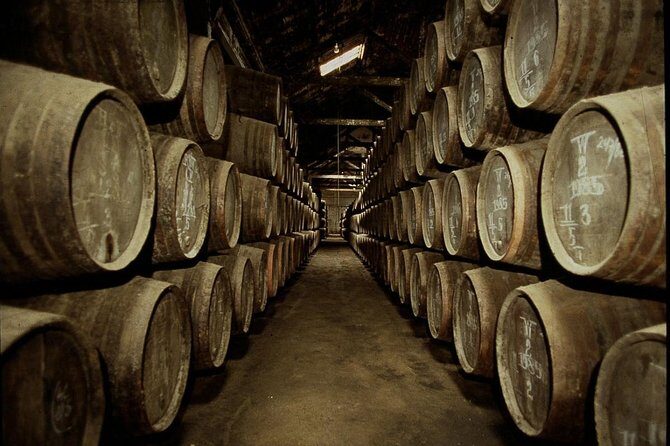
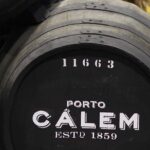
A major highlight is the guided museum and cellar tour at a prestigious Port producer. Based on what I’ve seen reflected in past tours, this stop may be at Calém—one of the names that comes up repeatedly in guide chatter and experience write-ups. You’ll tour a museum space and the cellar, then move directly into tastings.
The tasting focus here includes:
- Reserve White Port
- Reserve Tawny Port
This is where the tour earns its keep for first-timers. White Port and Tawny Port can feel confusing at the start because they don’t behave like “one style fits all.” Your guide helps you understand how Port families work and why the taste shifts. Reserve versions add another layer—your guide is there to explain what “Reserve” is trying to signal in the bottle, not just the label on the front.
And if you’re more experienced, this stop still helps. Seeing a well-run cellar and museum setup makes it easier to connect production choices to the glass. You stop guessing and start noticing: sweetness level, nutty or caramel notes, oxidation cues, and the general feel in the finish.
An Old Cellar Turned Interactive: Ruby Port, Barrels, and Cork
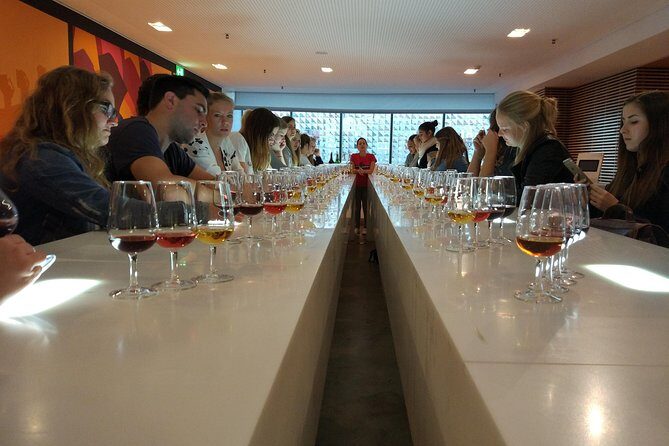
After the main producer stop, you head to an old cellar that’s been transformed into an interactive visitor center. This is a nice shift from museum-and-cellar formality into hands-on learning. Instead of only listening, you’re hearing the story of storage and materials in a way that’s easier to remember later.
This center includes information on:
- the barrels where Port is stored
- how cork production works
Then you taste young Ruby Port. This is smart positioning in the lineup. Ruby is usually the Port style that many people expect when they think of Port—fruity, straightforward, and often sweet. Tasting it after White and Tawny makes the contrasts click faster.
In plain terms, you learn how Port can move from fresh, fruit-forward style profiles (like young Ruby) to more aged, oxidized styles (like Tawny) through the choices made along the way. It’s not just “try three wines.” It’s “see how different styles get built.”
One thing to keep your expectations realistic: at some stops, you may encounter more museum-style interpretation (not every minute is a pour in your hand). That’s still part of the value, but if you’re hoping for constant tasting right up to the end, you might find a few quiet stretches.
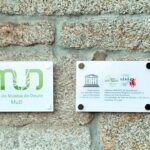
Douro Valley Interpretation Center and the Pairing Workshop
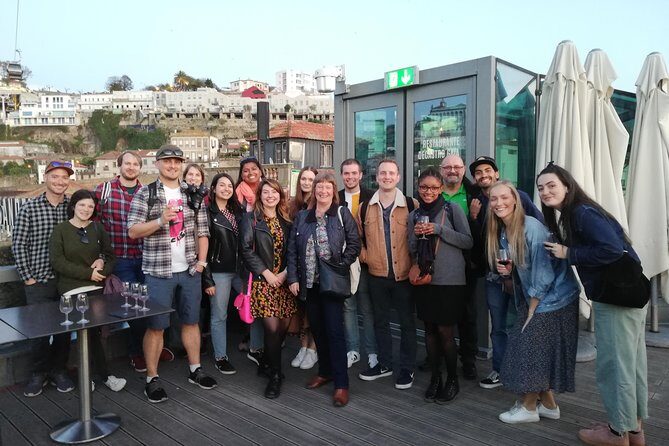
The last big learning stop is an interactive Port interpretation center dedicated to teaching about the Douro Valley, described as the oldest wine region in the world. Even if you’ve read about the Douro before, the interpretation center approach helps you reframe it so it connects to your glass.
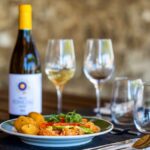
A key part of this section is an exclusive wine tasting workshop featuring different wines. You’re guided through a way to think about pairing Port with food, so you leave with practical ideas instead of just flavors in your memory.
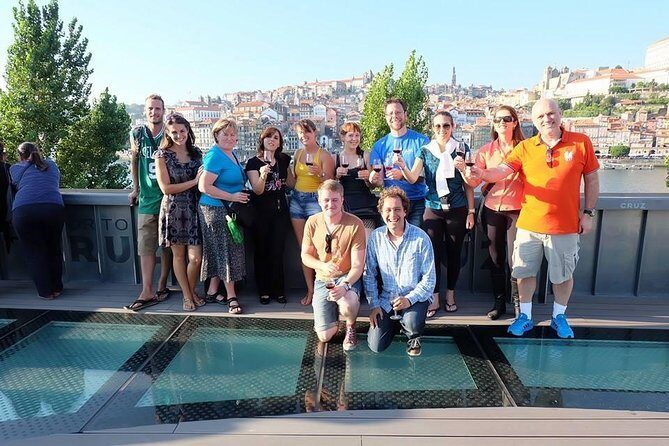
Then you finish with scenic views over Porto from the center’s terrace. That terrace time is worth treating like a breather. After multiple tastings and a fair bit of walking, it gives you a chance to settle your thoughts, compare what you liked earlier, and spot where the city sits in relation to the river.
Also, the tour ends on the Gaia side at Av. de Diogo Leite 135. Since you’ll be on that side of the water, you can plan dinner without racing back right away.



The 7 Tastings: How You’ll Learn Port Styles Fast
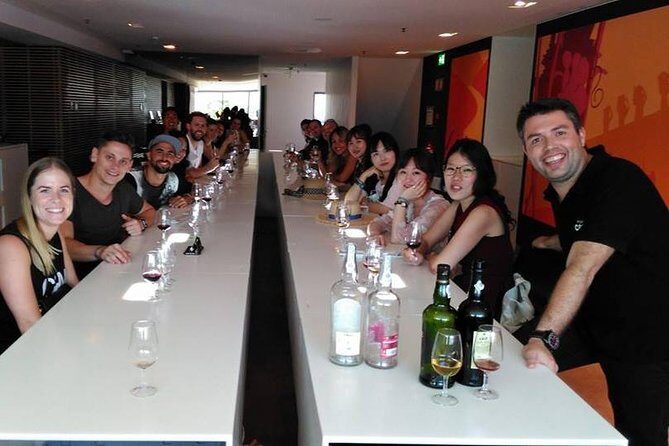
The headline promise here is 7 Port wine tastings, and they’re spaced across three Port houses plus interpretation stops. You don’t just sample randomly. The tastings are arranged so you can compare styles and recognize patterns.
Here are the styles you know you’ll taste because they’re explicitly part of the tour:
- Reserve White Port
- Reserve Tawny Port
- young Ruby Port
Then the workshop adds additional wines (so your total climbs to the full seven). What makes this valuable is how your guide teaches you to distinguish Port “families.” If you’ve ever had a Port flight and thought, I like one glass but I can’t explain why, this tour is built to fix that.
What you’ll likely be working on during the walk and tastings:
- how aging influences flavor direction (fruit vs nutty/caramel notes)
- how sweetness level and balance show up in each style
- how Port can be “a wine” but still behaves differently from many table wines
And the best guides—people like Alex, Kevin, Cyril, and Seral—tend to do two things well: they keep the mood light, and they repeat the key takeaways in a way you can remember later. One guide-led tour I saw described it as turning the learning into friendly conversation, not just a scripted talk. That’s the ideal mode for a tour like this.
Pacing, Group Size, and What to Bring (Yes, Snacks Matter)
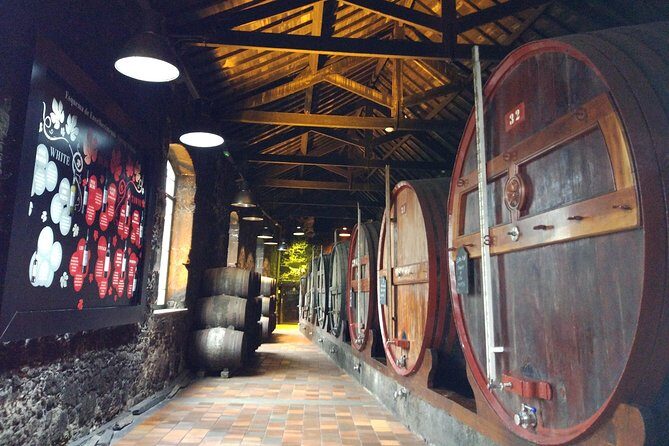
The group cap is 18 travelers, and that small size is one reason this tour often feels fun rather than rushed. With a smaller group, your guide can manage the flow between cellars and tasting rooms.
Still, there’s a balance. You’re walking, entering multiple spaces, and listening for context. Some people love museum-style explanation. Others prefer more time with the glass. A few experiences in past guidance mention stretches where the learning part took over more than expected, including indoor presentations. So go in with the mindset that not every minute ends in a pour.
What you can control:
- Bring water if you’re sensitive to long afternoons.
- If you’re the kind of person who gets hungry, eat before you go. Lunch and food are not included.
- Wear comfortable shoes. Even if the farthest walk is listed as 800m, it’s still real walking time.
One more practical tip: Port tastings mean you’re tasting more than once. You’re also required to be at least 18 to participate in the tasting portion, so plan for who in your group is drinking.
Price and Value: Why $62.88 Can Make Sense
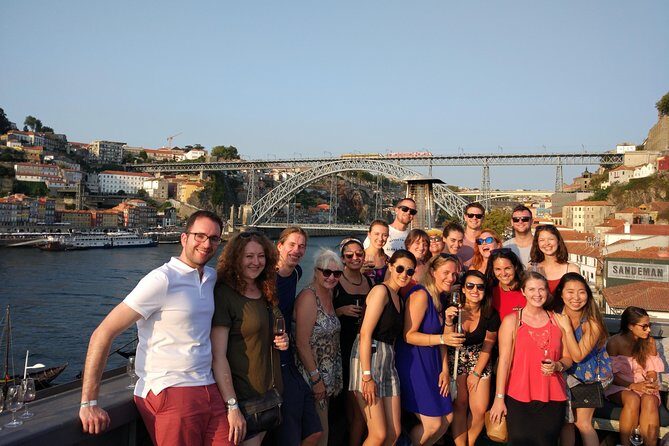
At $62.88 per person for a half-day tour that runs about 3h 30m, the value comes from three things you don’t have to line up yourself:
- access to multiple Port houses
- 7 included tastings
- guided interpretation in English, including museum/cellar visits
You’re also paying for less-than-trivial work on the logistics side: meeting at a specific point on Porto’s side, walking the route to Gaia, and getting you into the right places with entry tickets handled.
The main “cost” you should account for is personal timing. Since lunch, snacks, and food aren’t included, you’ll likely want to budget for a meal either before starting or after finishing on the Gaia side. That’s normal for this kind of tasting tour, but it’s still the biggest difference between feeling comfortable and feeling rushed.
Who This Tour Is Best For (And Who Might Want Another Option)
This works especially well if:
- you want to understand Port quickly, not just drink it
- you like guided tastings where the guide explains what you’re noticing
- you’re visiting Porto for a few days and want a practical, high-impact afternoon plan
- you want variety: big producer cellars plus smaller, specialty-style experiences
It may be less ideal if:
- you’re expecting nonstop tasting without any indoor explanation
- you need lots of time for questions at each stop (some formats move quickly)
- you hate tours where some portions feel like guided presentation rather than hands-on wine time
Should You Book This Port Wine Lodges Tour?
If you like your Porto plans to feel both social and structured, I’d book it. The combination of cellar access, museum-style interpretation, and 7 tastings is a strong value package for a single afternoon. Add the fact that the experience is led in English by guides who often inject humor and city knowledge (names like Alex, Kevin, Cyril, and Seral come up), and it’s the kind of tour that tends to leave you with more than a few sips—you leave with a clearer sense of Port styles.
Book it especially if you’re a beginner. The pacing helps you learn while you taste. If you’re an experienced Port fan, you’ll still appreciate the structured comparison between White, Tawny, and Ruby, plus the workshop pairing ideas.
Just do two things to make it smooth: eat beforehand and show up at the exact meeting spot by D. Luis Bridge. The rest is a very enjoyable walk from Porto into Port country.
FAQ
How long is the Port wine lodges tour?
It lasts about 3 hours 30 minutes.
How many Port tastings are included?
You get 7 Port wine tastings.
Where do I meet the tour guide?
Meet by the pillars of the old Pensil bridge on Porto’s side, near the D. Luis Bridge (lower level). Look for the red jacket that says porto walkers.
What time does the tour start?
The start time is 3:00 pm.
Where does the tour end?
It ends on the Gaia side at Av. de Diogo Leite 135, Vila Nova de Gaia.
Is lunch or food included during the tour?
No. Lunch, food, and snacks aren’t included.
Is the tour all walking?
Yes. It’s described as 4 hours of walking, with the farthest walk listed as 800m.
What is the minimum drinking age?
The minimum drinking age is 18.
How big is the group?
The maximum group size is 18 travelers.
Can I get a full refund if I cancel?
Yes. You can cancel up to 24 hours in advance for a full refund. If you cancel less than 24 hours before, you don’t get a refund.