REVIEW · PORTO
Porto Half Day Private Tuk Tuk Tour
Book on Viator →Operated by Portuk · Bookable on Viator
Porto moves fast, and this tour moves faster. In about 3.5 hours, you’ll roll through tight old streets in a tuk-tuk with a driver/guide and live commentary, plus the flexibility to focus on what you care about most. It’s a smart way to get your bearings fast on your first visit, especially when guides like Ana or Fabio bring the city to life with practical, on-the-ground stories.
I love two things most: the serious views from places like Mosteiro da Serra do Pilar (UNESCO) and the included wine tasting that gives you a tasty anchor point in the middle of all that architecture. One thing to keep in mind is timing—on some days, pickup and pacing can run tight—so if you want specific indoor tickets or a very unhurried experience, plan to be flexible.
In This Review
- Key things to know before you go
- Porto Tuk-Tuk in 3.5 Hours: why this is a great first-day plan
- Meeting at R. de Augusto Rosa and staying comfy in a covered tuk-tuk
- São João Theatre and 12th-century Romanesque walls: the old-core starter course
- Serra do Pilar (UNESCO) and Dom Luís I: the river view payoff
- São Francisco Church, Palácio da Bolsa, and the golden interiors
- Gardens, markets, and museum buildings that make the day feel like Porto
- Churches, towers, and photo stops: what you see in the final stretch
- Wine tasting and how to make sure it actually happens
- Price and logistics: is $83.48 per person worth it?
- Should you book this Porto Half Day Private Tuk-Tuk Tour?
- FAQ
- How long is the Porto Half Day Private Tuk Tuk Tour?
- Is this tour private?
- What languages are offered?
- What’s included in the price?
- Does the tour include a wine tasting?
- Are entrance tickets included for all stops?
- Where do I meet the guide?
- How many people fit in each tuk-tuk?
- What should I do if the weather is bad?
Key things to know before you go
- Serra do Pilar viewpoints: Circular cloister, dome-and-balcony design, and big river panoramas.
- Dom Luís I Bridge quick hits: Two iron decks and a skyline view that’s hard to get on foot.
- Church interiors that earn their hype: Gilded woodwork, catacombs, and tile-covered façades.
- Guides who steer the day: The best tours feel tailored, not scripted.
- Rainy-day workable route: Short stops, quick photo moments, and a tuk-tuk that saves your feet.
- Wine tasting included (ask when): Make sure it happens during your specific schedule.
Porto Tuk-Tuk in 3.5 Hours: why this is a great first-day plan
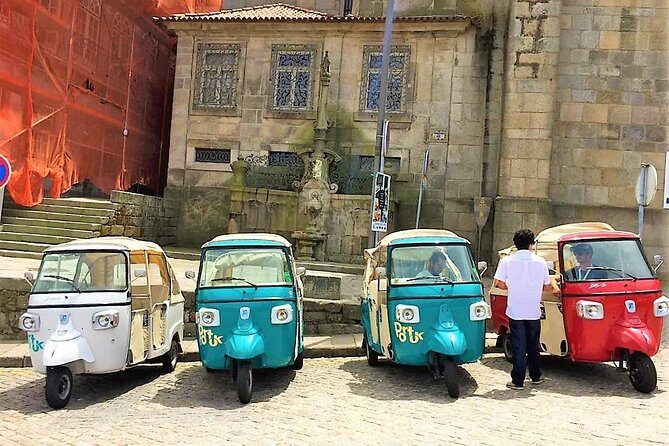
If you’re short on time, Porto is the kind of city that punishes slow planning. Hills, stairs, and winding streets can drain you before you’ve even reached the riverfront. This private half-day tuk-tuk is designed to solve that problem: you get movement without the constant climbing, and you see a lot of major sights in a compact loop.
What makes the experience work is the way it blends three styles of sightseeing. You’ll get exterior photo moments at big landmarks, quick culture stops at iconic churches and historic buildings, and then real payoff viewpoints where you can finally zoom out and understand how Porto fits together. Many guides also bring practical suggestions—where to wander next or what area makes sense for your remaining time.
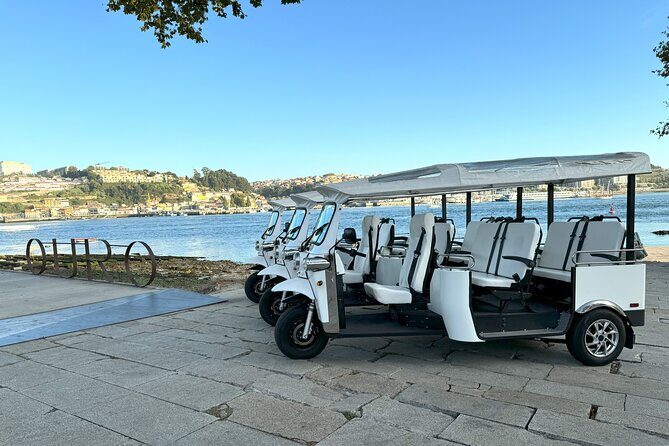
You also benefit from the private setup. Each tuk-tuk seats a small number of adults, and in a bigger group you’ll travel with multiple vehicles while still making the same key stops around the same time. That keeps the day feeling human, not like a cattle-car city tour.
You can also read our reviews of more private tours in Porto


Meeting at R. de Augusto Rosa and staying comfy in a covered tuk-tuk
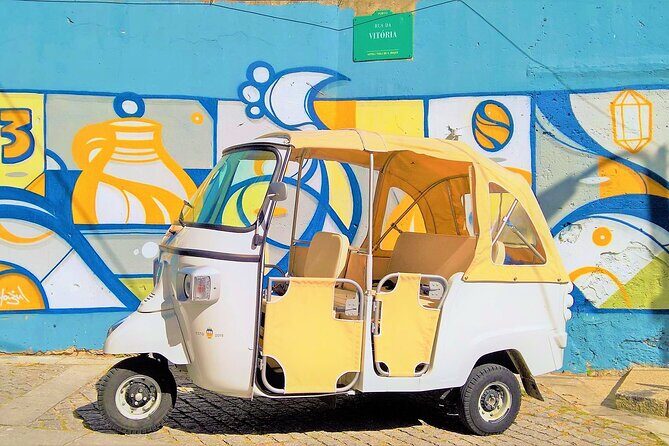
Your tour starts and ends at R. de Augusto Rosa 180, 4000-528 Porto. For the smoothest day, I’d treat pickup like a hotel check-in: arrive a little early and keep your phone handy. Some people have reported late arrivals or communication issues during the ride, and a quick early presence helps prevent that stress.
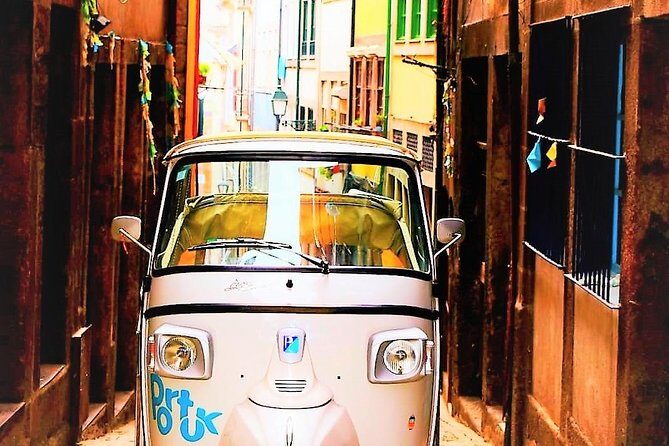
Porto tuk-tuks often have a cover. The good news: it can help when the weather turns. The tradeoff: it can limit your view for photos and skyline shots. If views matter most to you, ask your driver/guide where to sit so you can see out toward the river and viewpoints.
Also, this is a short-format tour. You’ll be hopping in and out for brief stops, then rolling to the next spot. That’s a plus for first-time orientation, but it means you should treat this like a sampler. If you’re the type who wants to spend 45 minutes inside every church, you’ll likely want follow-up visits on a different day.
São João Theatre and 12th-century Romanesque walls: the old-core starter course
You’ll start hitting the layered Porto story right away. One of the early stops is a landmark tied to the evolution of the city’s performing arts: a façade built in 1910 after older theatre structures were destroyed by fire in 1908. The design references 18th-century French influences associated with Luís XVI style, and the building sits in a network that connects the theatre story with nearby historic institutions.
The vibe here is not just pretty architecture. It’s Porto showing you how it rebuilt after disruption—fire, politics, and changing tastes—then kept going. A good guide will point out details you’d miss if you were just walking by, like the symbolic program on the façade and the way the site connects to other historic areas.
From there, you’ll see remnants of a Romanesque wall from the 12th century, originally marking the administrative and urban boundary when Porto was still growing out from more dispersed living patterns. Even when only sections remain, this kind of stop helps you understand why Porto feels “contained” in the historic center and why neighborhoods have distinct identities.
The practical takeaway: this first stretch is about context. By the time you reach the river views, you’ll recognize the city’s shape and why certain areas cluster the way they do.
Serra do Pilar (UNESCO) and Dom Luís I: the river view payoff
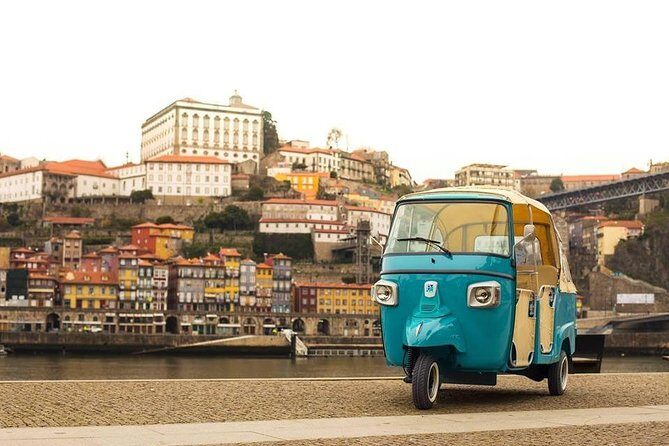
This is where the tour often wins people over—because Porto is a river city, and you need a high vantage point to fully grasp it.
Mosteiro da Serra do Pilar is a UNESCO site begun in 1538 and finished around 1670. It started for Augustinian friars, but Porto’s later political storms left their mark. During the Civil War (1832–1834), liberal forces used the monastery, and it deteriorated until restoration efforts later helped bring it back.
Architecturally, the church is circular, with the dome and a balcony that wraps the space. The cloister is also circular, with 36 Ionic columns—a notable design feature within Portugal. If you like details, this is one of the stops where the guide’s explanation genuinely makes the building easier to appreciate.
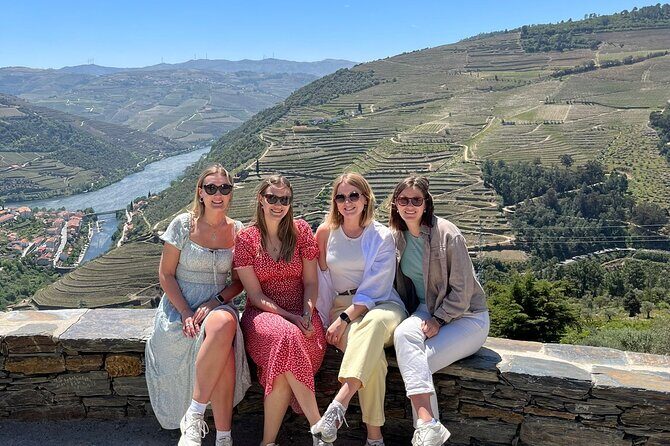
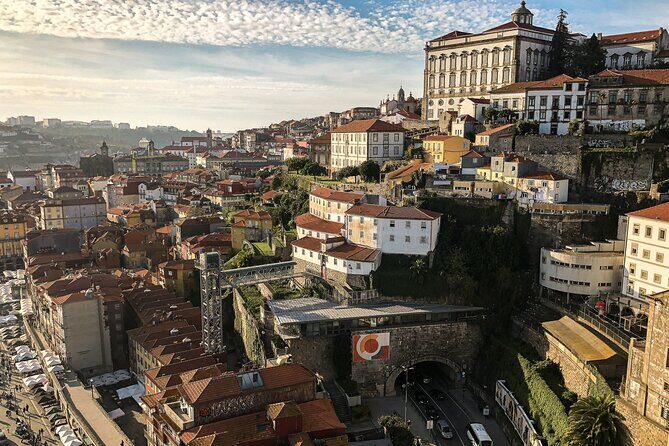
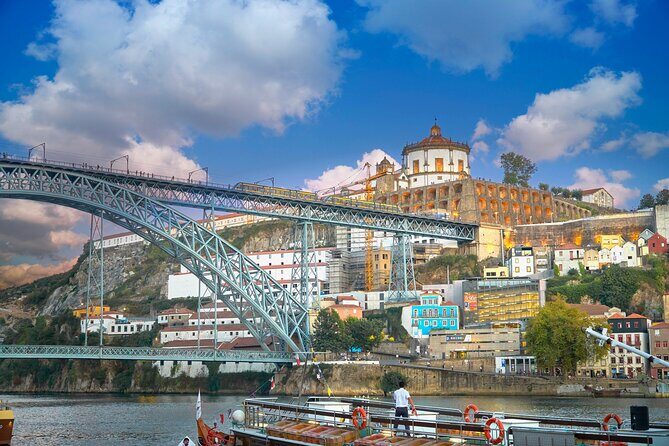
Then comes the view: from the terrace you can see across to Gaia and along the riverside, with the historic center and key bridges in sight. It’s not a “look and move on” moment. It’s a chance to orient yourself—Porto’s viewpoints make more sense once you see the city in layers.
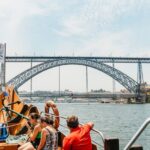
Right after, you’ll roll toward Dom Luís I Bridge. Built with overlapping iron decks and inaugurated in 1886, it’s a signature of Porto’s industrial-era ambition. The upper deck connects by Metro, which you’ll often be able to spot from the viewing perspective. You get the history without having to plan a whole separate transportation route.
São Francisco Church, Palácio da Bolsa, and the golden interiors
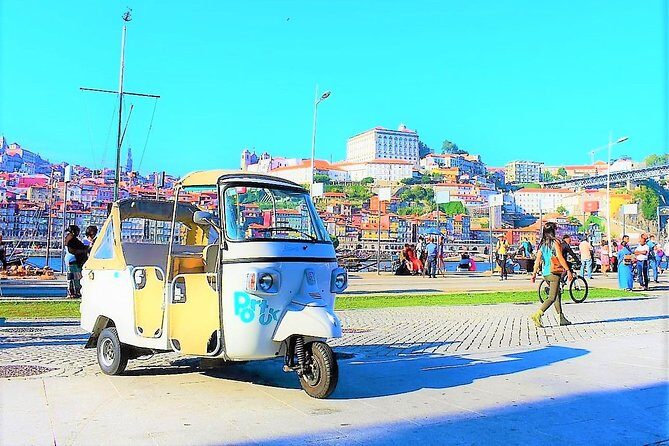
Porto’s churches can feel like a separate category of sightseeing—because the façades are often just the “cover,” and the real story is inside.
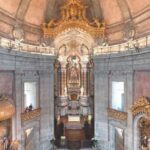
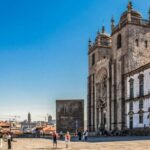
One stop centers on the city’s major Gothic church begun in the 14th century, with Baroque gilding dominating the interior later on. People describe it as the Church of Gold for good reason: carved gilded woodwork makes a powerful visual statement. Two details are worth your attention while you’re there: the Tree of Jesse and the catacombs.
Then you’ll shift from church grandeur to civic grandeur with Palácio da Bolsa, the Stock Exchange Palace. This neoclassical building dates to 1842, and it’s tied to the Commercial Association of Porto. The highlight is famous for the kind of room that turns a quick visit into a memorable one—the Arabian Room is typically the draw. Even if you don’t go deep into every space, the point is that Porto’s wealth and trading identity shaped the city’s art and architecture.
This stretch matters because it shows you Porto isn’t just scenic. It’s skilled at turning power—faith, commerce, craftsmanship—into public buildings you can still stand in.
If you’re short on time, these stops are efficient. If you’re detail-obsessed, budget for one or two slower returns later, because this tour moves you along.



Gardens, markets, and museum buildings that make the day feel like Porto
After the big historic hits, the itinerary often swings toward livelier variety: greenery, iron architecture, and modern uses of older spaces.
Jardins do Palácio de Cristal is the classic “exhale” moment. It’s made up of smaller garden sections that unfold as you wander—lawns, fountains, sculpture, and plantings like giant magnolias and olive trees. The views over Porto and toward the Douro add the payoff. Even if it’s cloudy, it still works because the gardens are meant for walking, not just looking.
Then you’ll likely pass through or stop near Mercado do Bolhão, built in 1885 as a replacement for an older market. This is a great example of Porto’s iron-era architecture later reused for entertainment. The key is not just what’s there today, but how the city keeps repurposing its industrial bones.
You may also stop at Alfândega Nova do Porto, a neoclassical building planned with a mix of materials and iron structural solutions. The building has housed ideas for transport and communications museums and also functions as a congress center. Even if museums aren’t the main focus, seeing how the city uses older structures is part of the Porto puzzle.
If you’re planning your own follow-up walks, these sections help you map what you want to return to: garden time, market time, and the river-adjacent neighborhoods where Porto feels most “lived in.”
Churches, towers, and photo stops: what you see in the final stretch
The later part of the day tends to pack more recognizable Porto symbols, plus a few spots that make great photos when the light hits.
You may visit Igreja dos Carmelitas, known for its classical façade dating to the 1850s and its Porto rococo altarpiece. The stop is short, but it’s a good “style contrast” moment after the gilded church.
Next comes the green-and-statue pause at Jardim de João Chagas (also known as Cordoaria Garden). The rope makers are part of the story here, with a long period of rope-making activity tied to the area, and you’ll find statues and later additions like sculptures.
Two of the major vertical icons—Torre dos Clérigos and Igreja do Carmo—can be on the schedule. Their admissions are not included, so if you want to go inside, plan on adding tickets separately. The tower is one of Porto’s signature silhouettes, and the Carmo church is notable for its rococo interior and the tile-covered side façade added in 1912, designed by Silvestre Silvestri.
Then come the smaller but charming “pause and point your camera” moments:
- Fonte dos Leões, a 19th-century fountain shaped as a copy of a fountain in Leicester.
- Antiga Cadeia da Relação, a polygonal granite building with a window count detail you can’t forget: 103 windows. It’s now the Portuguese Centre for Photography, which gives the space a contemporary purpose.
- Livraria Lello, with its Art Nouveau façade and a dramatic interior staircase and skylight. Admission is not included, so it’s a look-out-and-possible-add-on kind of stop, not a guaranteed inside visit on the spot.
This final stretch is where communication matters. In a moving tuk-tuk, it can be hard to hear every explanation. If you care about the stories, ask your guide to pause briefly when you want more detail, especially near the churches and big landmark exteriors.
Wine tasting and how to make sure it actually happens
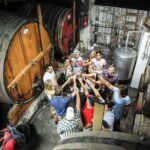
Wine tasting is listed as included. In practice, I’d treat it as your “anchor moment” in the day: once you’re seated and your guide starts the route, ask when the tasting will happen and what form it takes during your specific schedule.
Porto is a city where wine shows up everywhere, but this is valuable because it’s timed into your sightseeing flow. You’ll likely get a quick break that gives your brain a rest from architecture and viewpoints. It also pairs well with the neighborhoods you’re touring, since many of Porto’s historic sites connect to the trading and cultural wealth that also supported wine production.
On some days, people have reported that the tasting wasn’t delivered as expected. That’s not something you can fully eliminate, but you can reduce risk by asking early in the tour and confirming you’re still on track for that included stop.
Price and logistics: is $83.48 per person worth it?
At $83.48 per person for roughly 3 hours 30 minutes, this tour sits in the middle-to-upper range for tuk-tuk sightseeing. The value comes from the combination of:
- a licensed guide/driver with live commentary,
- a private vehicle setup for your group,
- a route that hits both Porto and Gaia viewpoints,
- and wine tasting included.
You’re paying for efficiency. If you have the energy to navigate on foot and you already know which sights you want most, you could build a self-guided route cheaper. But if you want a single morning or afternoon that covers a lot of big-name places with minimal walking uphill, this is one of the easiest ways to do it.
Where value can feel weaker is when the day runs short or if you get less time at key places than you expected. Also, the tuk-tuk’s covered design can reduce your view at certain moments, which can affect photo satisfaction. If you care about towers or interior entrances, remember some admissions are not included, so you may want to budget for those separately.
Should you book this Porto Half Day Private Tuk-Tuk Tour?
Book it if you want an efficient Porto orientation with standout viewpoint time, you like learning from a guide, and you’d rather spend your energy on routes and photos instead of stairs. It’s especially good for first-timers, families who don’t want long walks, and travelers who prefer “see a lot, then return” planning.
Skip it or upgrade your expectations if you need a slow museum-style pace, you’re very sensitive to delays, or you have a short list of indoor must-sees like specific towers and libraries. In that case, ask ahead which entrances are realistic on your schedule, and be ready to add tickets for stops where admission is not included.
If you do book, I’d go in with one simple strategy: tell your guide what you want most right at the start, and ask how they’ll handle the wine tasting and any paid admissions. That turns a good half day into a great one.
FAQ
How long is the Porto Half Day Private Tuk Tuk Tour?
The tour lasts about 3 hours 30 minutes.
Is this tour private?
It’s described as private, meaning only your group participates. For larger groups, multiple tuk-tuks may be used while still keeping the same stops and timing.
What languages are offered?
The tour includes live commentary in English.
What’s included in the price?
Included are the driver/guide, live commentary on board, local guide, and wine tasting.
Does the tour include a wine tasting?
Yes, wine tasting is listed as included.
Are entrance tickets included for all stops?
Admission varies. Some stops are free, while several major entrances are listed as not included—such as Torre dos Clérigos, Igreja do Carmo, and Livraria Lello.
Where do I meet the guide?
The meeting point is R. de Augusto Rosa 180, 4000-528 Porto, Portugal, and the tour ends back at the same location.
How many people fit in each tuk-tuk?
Each tuk-tuk accommodates 2, 3, or 4 adults of average height (up to 75 kg each). Larger groups use multiple vehicles.
What should I do if the weather is bad?
This experience requires good weather. If it’s canceled due to poor weather, you’ll be offered a different date or a full refund.