REVIEW · PORTO
Porto: Entry Ticket at WOW The Chocolate Experience by 20|20
Book on GetYourGuide →Operated by The World of Wine (WOW) · Bookable on GetYourGuide
Chocolate has never taught history like this. I love how WOW The Chocolate Experience by 20|20 turns facts into sensory stops with stations built around seeing, smelling, and tasting cacao in different forms. I also like the clear bean-to-bar production story, from harvesting and fermentation to roasting and conching. One drawback to keep in mind: the museum includes a lot of text, so if you prefer mostly hands-on activity, bring a flexible pace and be ready to skim.
This ticket gets you into The Chocolate Story in Porto’s Norte Region for about 1.5 hours of guided learning through an audio system in English, Portuguese, French, and Spanish. If you want to avoid stress, treat it like a self-paced visit where you can stop often for tastings without feeling like you’re late for a schedule.
In This Review
- Key points before you go
- A 5,000-year chocolate timeline you can taste in Porto
- What happens during the 1.5-hour WOW The Chocolate Experience
- Cacao plants, sustainable farming, and why the fruit matters
- The bean-to-bar process: harvesting to fermentation to conching
- Tastings at multiple stages: raw cacao and 100% samples
- The live chocolate factory: when you can actually see it
- Audio guide in four languages: use it to control the pace
- Value for $20: why this ticket can be a smart use of time
- Who should book WOW The Chocolate Experience by 20|20
- Timing and practical tips for a smooth visit
- Should you book this Porto chocolate experience?
- FAQ
- How long is the WOW The Chocolate Experience by 20|20?
- What is included with the entry ticket?
- What chocolate tastings can I expect?
- Does the ticket include access to a working chocolate factory?
- What are the opening hours?
- Where do I show my ticket?
- Is transportation included?
- Are unaccompanied minors allowed?
Key points before you go
- A 5,000-year timeline linking sacred cacao to today’s chocolate bars
- Raw cacao and stage-by-stage tasting so you taste chocolate as it transforms
- Bean-to-bar process, step by step from harvesting to conching
- Vinte Vinte tasting included as part of the museum entry
- Live factory ending where beans become chocolate, with a Sunday caveat
A 5,000-year chocolate timeline you can taste in Porto
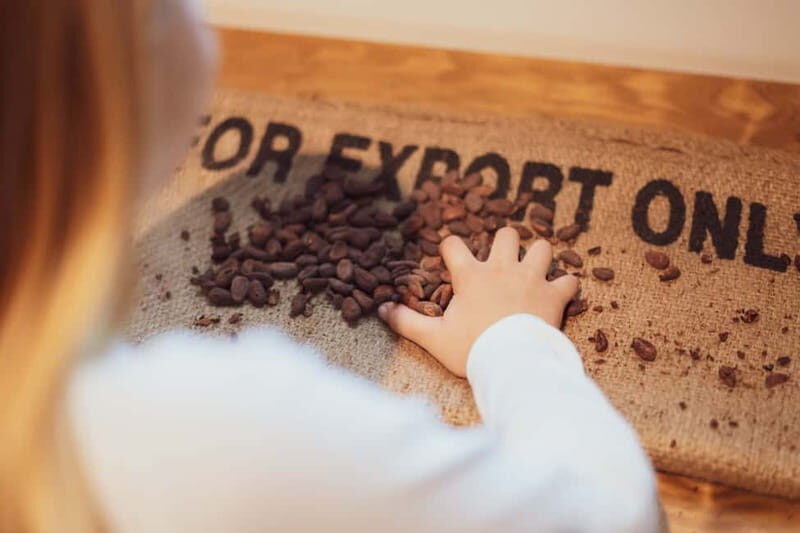
WOW The Chocolate Experience by 20|20 is built like a story you can read with your nose and your taste buds. The core idea is simple: chocolate didn’t start as candy. It started as cacao, a sacred drink tied to gods and royalty in ancient Central America. From there, the experience traces how cacao traveled across oceans and slowly changed—first as a ritual beverage, then as chocolate that made sense in solid form for everyday life.
What makes this work well for real visitors is that the history isn’t just dates on walls. You’re guided through chocolate’s cultural journey alongside the physical journey of beans. That means the story doesn’t feel stuck in the past. When you’re learning how cacao became a global symbol of indulgence and celebration, you’re also learning why the flavor changes as the process changes.
And yes, you should expect tastings. Not one tiny taste, but multiple samples across different moments in the chocolate-making chain. That’s a big part of the value of this ticket: it’s not just a museum, it’s a flavor course.
You can also read our reviews of more tours and experiences in Porto


What happens during the 1.5-hour WOW The Chocolate Experience
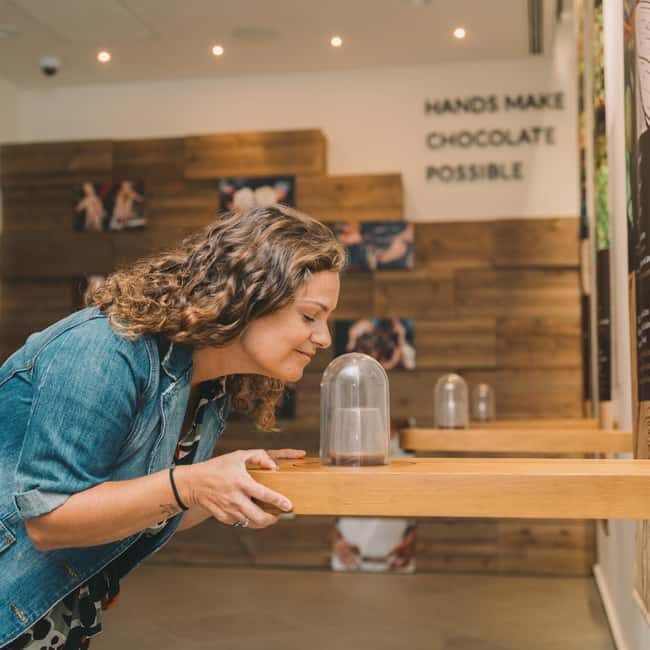
This visit is designed to be about 1.5 hours. That’s long enough to take your time, but short enough that it won’t hijack your whole day. Since it’s museum-style, you can move at your own speed, then slow down at the tasting points and any interactive areas.
Here’s the flow you can expect, in plain terms:
You start with the story of cacao—what it was, who used it, and how it shifted over centuries. Then you move into the production side: how cacao is grown and processed, and why the final bar tastes the way it does. Along the way, you’ll have sensory moments where you can smell and taste cacao or chocolate at different stages.
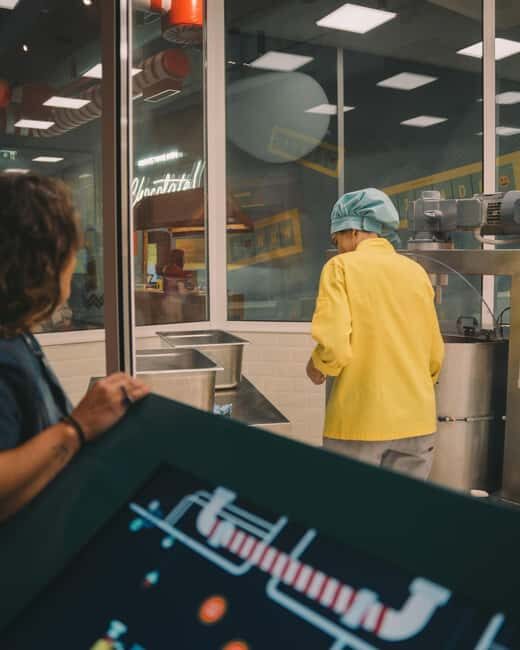
Finally, the experience ends at an operating chocolate factory where you can see the live transformation of cacao beans into award-winning chocolate. The point isn’t to watch machinery for the sake of it. It’s to connect the earlier steps you learned (fermentation, drying, roasting, conching) to what the machine turns into.
Cacao plants, sustainable farming, and why the fruit matters
One of the most useful parts of this experience is the focus on the cacao plant itself—because the biggest chocolate myths start when people only think about bars. Here, you’re guided through the cacao plantation concept and sustainability, with time spent on sustainable cocoa farming methods.
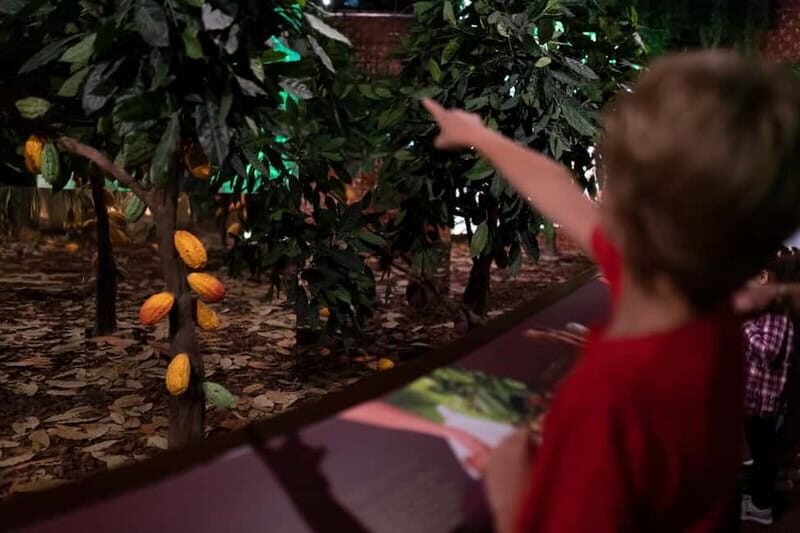
You’ll also get up close with the cacao plant and the cacao fruit. The practical value is that you learn cacao is an agricultural product with varieties, not one single ingredient. You’re encouraged to distinguish between different varieties and to understand that the work behind each bar is careful and labor-intensive.
This is the kind of information that helps when you’re traveling and later shopping for chocolate. You start noticing that different bars can have different flavor directions, and you’re less likely to treat them as interchangeable “sweet stuff.”
The bean-to-bar process: harvesting to fermentation to conching
The production section is where this ticket earns its keep. Instead of only telling you that chocolate is made in factories, the experience walks you through the real chain of steps.
You can expect explanations and visual learning tied to:
- Harvesting the cacao
- Fermentation, which strongly shapes flavor development
- Drying, which stabilizes the process
- Roasting, which creates deeper chocolate aromas
- Conching, which refines texture and finish
Why this matters for you: these steps explain why chocolate tastes different even when the bar looks similar. Fermentation isn’t just a technical step—it’s where flavor can develop in very specific directions. Roasting and conching then fine-tune what you end up tasting.
In other words, you’re learning the “why,” not only the “what.” That makes the tastings more meaningful, because you can connect each flavor you try to a stage you just learned.
Tastings at multiple stages: raw cacao and 100% samples
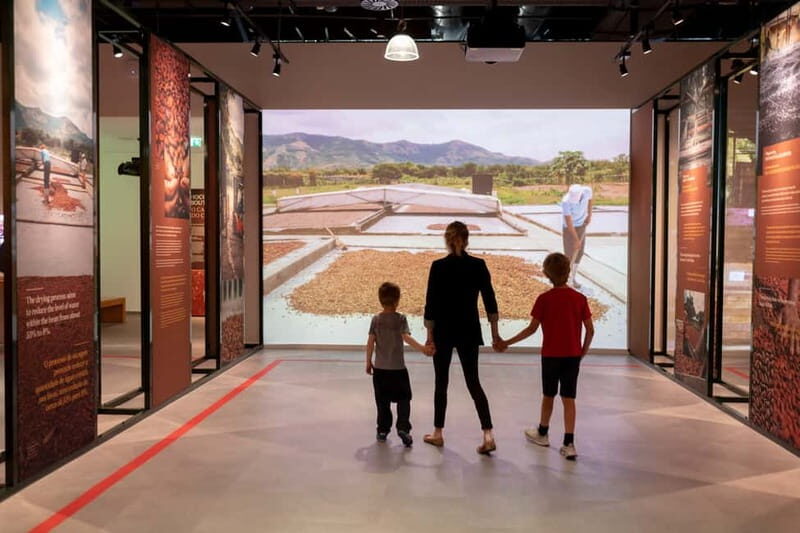
Tasting is woven into the experience, not stuck at the end. You’ll find chocolate samples tied to different stages of development, including raw cacao.
That’s a big deal if you’ve mostly only tried sweet chocolate bars. Raw cacao has a different flavor profile—more intense and sometimes more bitter—so you get a sense of what the ingredient tastes like before it becomes dessert.
If you want a clear, memorable benchmark, look out for the 100% cacao option. One of the strongest review-based takeaways is that visitors get to try cacao in very high cacao content, not just milk chocolate. That helps you understand the chocolate spectrum quickly.
Also, keep an eye out for tasting stations sprinkled throughout. This is one of the reasons people rate the experience so highly: you’re not waiting around for a single “moment of chocolate.” You’re sampling as you go, which keeps energy up and makes the visit feel like a guided food experience rather than a lecture.
You can also read our reviews of more tours and experiences in Porto

The live chocolate factory: when you can actually see it
The experience finishes in an operating chocolate factory. The concept is straightforward: you witness the live transformation of cacao beans into award-winning chocolate, and then you get to taste the final product made with care.
This is the part of the visit that turns learning into “oh, that’s how it becomes real.” You’re watching the end result of those earlier steps, so your brain can connect process to product.
One practical heads-up: if your main goal is to see the in-house chocolate factory at work, plan your visit to avoid Sundays. The experience can still be worthwhile on other days, but you’ll have better odds of seeing the factory side active when you’re there.
Audio guide in four languages: use it to control the pace
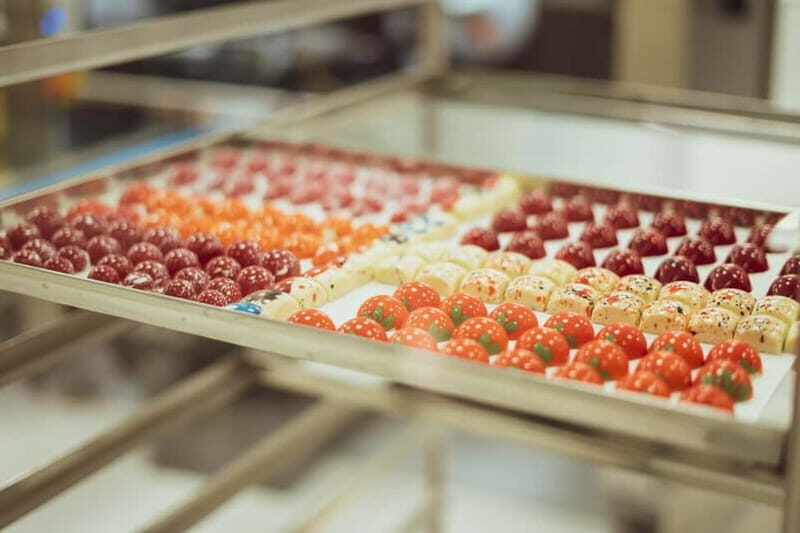
The museum includes an audio guide, available in Portuguese, English, French, and Spanish. This is useful if you’re traveling with limited time and you want the facts without stopping to read every panel.
I like audio guides for visits like this because you can control the rhythm. You can walk ahead during heavier storytelling sections, then slow down when you reach tasting areas. The ability to switch languages also makes this a better group choice for mixed-language travel parties.
If you’re a “read everything” person, you can do that too. Just know there’s a lot of text in the space, and the tempo can feel slower if you try to absorb everything at once.
Value for $20: why this ticket can be a smart use of time
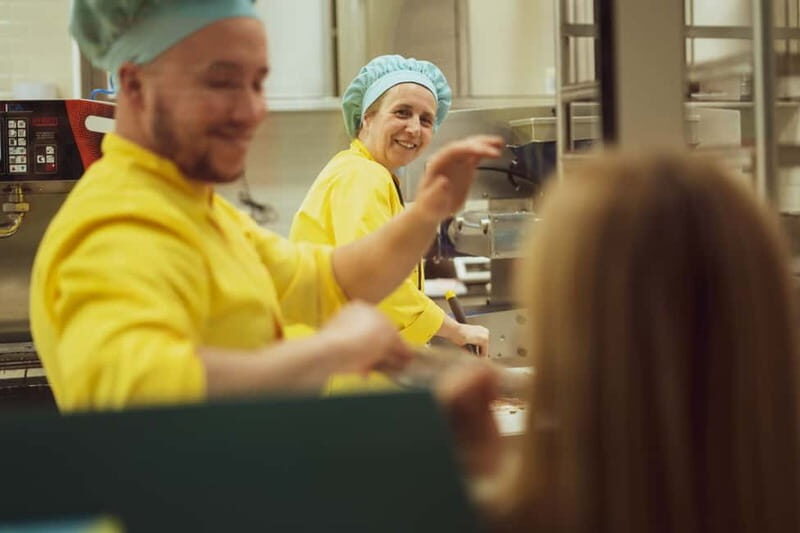
At about $20 per person, this is not free, and it’s not just a quick photo stop either. So the value question is fair.
Here’s why it can feel like good value:
- You get museum entry tied to a structured story about cacao and chocolate history.
- Tastings are included, including raw cacao and other samples across stages.
- The audio guide is included, which saves you from paying extra for guided explanations.
- The visit is about 1.5 hours, which is a manageable time commitment.
- The experience ends with a working factory moment and a final tasting.
If you’re the type of traveler who enjoys food learning, tastings, and the “how it’s made” angle, $20 is easier to justify. If you mainly want a relax-and-snack stop, you might prefer a simpler chocolate shop. For most people, though, the combination of history + process + tastings is where the ticket wins.
Who should book WOW The Chocolate Experience by 20|20
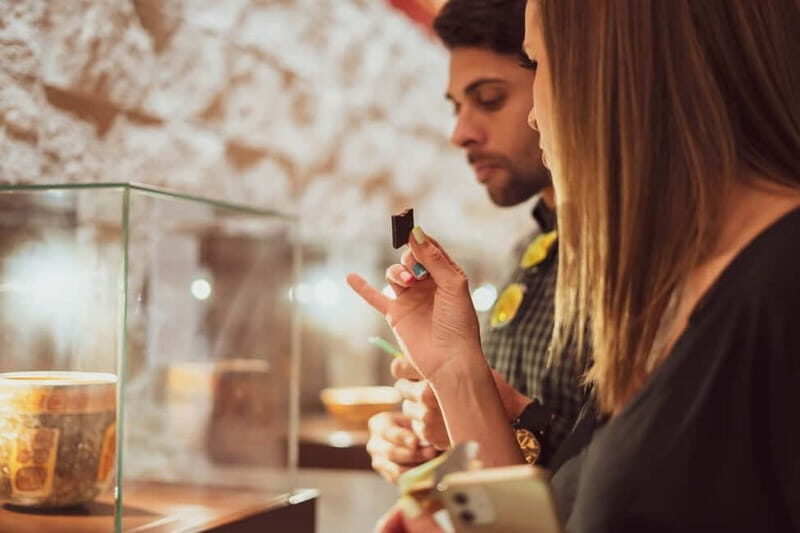
This is a great fit if you want something that’s:
- Food-focused but not just eating
- More educational than a standard chocolate counter
- Sensory, with smells and samples as part of the route
It’s also a strong choice for couples and friends because you can share tastings and compare what you notice at each stage. If you’re visiting Porto and you like rainy-day plans, this kind of indoor museum experience often hits the sweet spot.
Where it may not be the best match:
- If you hate reading in museums, you may feel the pacing is heavy at the start.
- If you only want the absolute shortest experience with no learning component, this might feel like too much structure.
Also note the rules on minors: unaccompanied minors are not allowed. If you’re planning family time, make sure kids are accompanied.
Timing and practical tips for a smooth visit
Keep it simple with timing. The museum is open daily from 10:00 AM until 07:00 PM, with the last entrance at closing time. If you show up late, you can end up racing through the tastings, which is honestly the best part.
I’d also plan to arrive ready to slow down. The experience works best when you pause at tasting points and let the audio guide do its job. If you try to sprint through everything, the history and process blur together fast.
One more practical tip: bring a mindset of tasting with questions. Ask yourself what you’re noticing—aroma, sweetness level, bitterness, texture. Then connect it to the steps you just learned. That turns a fun chocolate moment into real learning you can remember later when you’re comparing bars in shops.
And if you love souvenirs, budget a little for the shop. There’s a chocolate-filled gift shop, and that’s often where people end up bringing home what they liked most during the tastings.
Should you book this Porto chocolate experience?
Book WOW The Chocolate Experience by 20|20 if you want a single ticket that mixes history, cacao science, and tastings in about 1.5 hours. It’s a smart pick when you’re curious about how cacao becomes chocolate and you enjoy learning through taste, not just reading.
Skip it or rethink if you’re mostly craving a quick sugar fix with minimal learning. And if your top goal is to see the in-house factory working, avoid Sundays for better chances of catching that live production moment.
If you do go, I think the best way to get your money’s worth is to treat it like a guided tasting walk: follow the story, but let the tastings drive your pace. That’s when the experience feels most satisfying.
FAQ
How long is the WOW The Chocolate Experience by 20|20?
The experience is listed as about 1.5 hours.
What is included with the entry ticket?
The ticket includes Museum Entry to The Chocolate Experience by 20|20 Museum, a Vinte Vinte chocolate tasting, and an audio guide available in Portuguese, English, Spanish, and French.
What chocolate tastings can I expect?
You can taste raw cacao and other artisan chocolate samples, plus the tasting at Vinte Vinte included with entry. The experience also includes sampling chocolate at different stages of development.
Does the ticket include access to a working chocolate factory?
Yes. The experience ends at an operating chocolate factory where you can witness the live transformation of cacao beans into award-winning chocolate. For seeing the in-house factory at work, avoid visiting on a Sunday.
What are the opening hours?
It is open daily from 10:00 AM until 07:00 PM, with last entrance at 07:00 PM. Bank holiday hours may vary, so check the official website.
Where do I show my ticket?
Show your ticket directly at The Chocolate Story. The activity ends back at the meeting point.
Is transportation included?
No. Transportation is not included.
Are unaccompanied minors allowed?
No. Unaccompanied minors are not allowed.