REVIEW · PORTO
Private Boat Tour 6 Bridges and Ribeira option Sunset up to 6px
Book on Viator →Operated by NAUGIT · Bookable on Viator
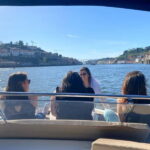
Six bridges from one relaxed boat ride. I like how the private setup keeps it calm while you watch Porto and Vila Nova de Gaia line up in layers. Two things I especially love: the sunset timing and the way the guides pace the ride so you can actually enjoy the views, not just hear facts at full speed. The one thing to know upfront is that this isn’t a thrill ride, so if you want speed and big adrenaline, you may find the pace a bit on the gentle side.
You’ll spend about 1 hour 30 minutes on the Douro, moving between standout bridges and riverfront spots. For $209.99 per group (up to 6), it often feels like good value compared with bigger boat tours that cram people in.
The crew, including captains and hosts like João, Manuel, and Sara, tend to strike a smart balance: enough talk to help you understand what you’re seeing, then plenty of time to sit, sip, and take photos. Small touches like sparkling wine, snacks, and even blankets when the river air cools down make it feel like a real experience, not just a transfer.
In This Review
- Key things to know before you go
- Six Bridges From One Board: The Real Point of This Tour
- Price and Value: What $209.99 Means for a Group of Six
- Marina da Afurada: Getting There Without Losing Your Afternoon
- Your 90 Minutes on the Douro: The Flow of the Route
- Ponte da Arrábida to Ponte do Infante: Modern Bridges With Big Views
- Dom Luís Bridge and Serra do Pilar: The Two-Deck Signature Moment
- Rail Giants: D. Maria Pia Bridge and São João Bridge
- Ponte do Freixo and the Riverfront: Cais de Gaia Meets Cais da Ribeira
- Ribeira Option Extras: Crystal Palace Gardens, Congress Views, and Foz
- The Crew Matters: João, Manuel, Sara, and the Right Amount of Talk
- Comfort and Timing: Sunset, Wind, and Boat Pace
- Who This Tour Is Best For
- Should You Book This Sunset Boat Tour in Porto?
- FAQ
- FAQ
- Where does the tour start?
- How long is the private tour?
- How many people are in each private group?
- What is included with the booking?
- Is the tour actually private?
- Is this tour good for families?
- Are service animals allowed?
- What’s the best time to go if I want sunset?
- Is the tour dependent on weather?
- What if I need to cancel?
Key things to know before you go
- Private boat for up to 6 means you control the vibe more than you would on crowded cruises.
- Six bridges in one loop gives you the big Porto-and-Gaia wow factor without changing plans all afternoon.
- Sunset on the way back turns the river into a softer, slower-moving version of the city.
- Guides set the information level so you get context without feeling lectured.
- Comfort touches like sparkling wine, snacks, and blankets help if the wind picks up.
Six Bridges From One Board: The Real Point of This Tour
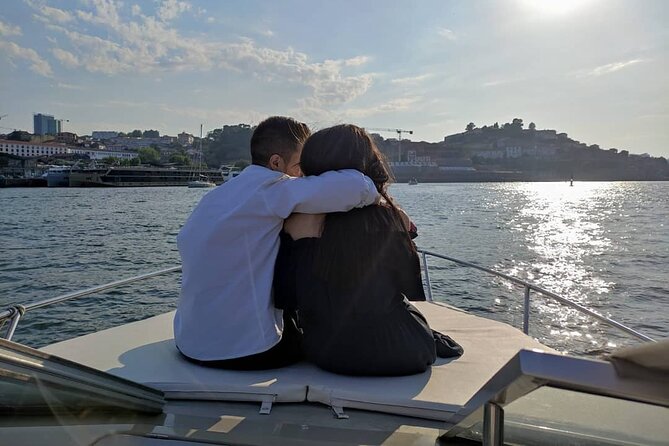
This is a simple idea done well: point a boat at the Douro and let you watch Porto and Gaia from the water, bridge by bridge. From street level, you can miss how the city sits in the valley and how the river shapes where everything goes. From the water, the connections become obvious fast.
The “6 bridges” part matters because it’s not random sightseeing. Each crossing tells a different chapter of how the two sides grew together, including rail bridges from the 1800s, modern road links, and the big iron icon that many people first learn to recognize from postcards.
If you’re doing Porto for a few days and you want one ticket that gives a ton of payoff, this is one of the best ways to do it. You get variety in a single 90-minute window: bridges, terraces, riverfront districts, and even the mouth of the river.
You can also read our reviews of more tours and experiences in Porto.


Price and Value: What $209.99 Means for a Group of Six
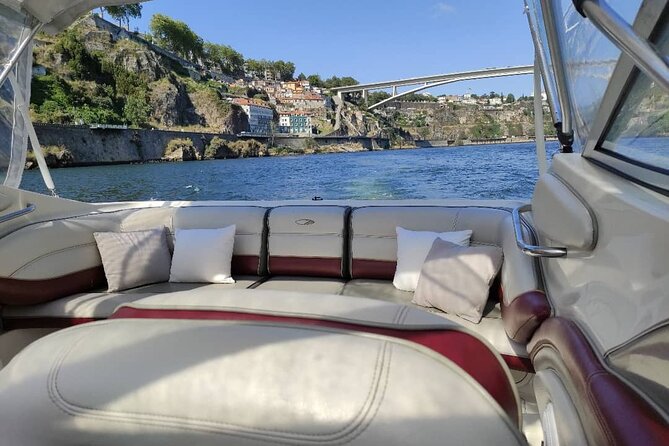
At $209.99 per group up to 6, the math usually lands around the mid-$30s per person if you split it evenly. That’s often why people like this format: you’re not paying “private” prices for just two people.
It’s also good value because the time is focused. You’re not spending hours between far-flung stops. You’re on the Douro for about 1.5 hours, and the route is built around specific bridge moments and riverfront views.
One more practical point: if your group has mixed ages or different comfort levels with long walking, this can be easier than trying to hit all these viewpoints on foot across Porto and Gaia.
Marina da Afurada: Getting There Without Losing Your Afternoon
The tour meets at Marina da Afurada in Vila Nova de Gaia. That’s a helpful detail because you avoid some of the chaos of central Porto, especially when traffic builds along the river.
Do plan ahead for timing near the marina. One useful tip from actual experience: Uber drivers can sometimes drop you on the wrong side of the river area where roads are blocked, which can turn into an annoying extra walk. The safer move is to tell the driver to drop you above the marina area, or plan a quick metro + cab/Uber combo to save time on traffic.
There can also be short-term road disruptions for local events. On at least one weekend, a celebration around the marina area can affect road access, but the crew has handled delays by keeping communication clear and working with late arrivals.
Your 90 Minutes on the Douro: The Flow of the Route
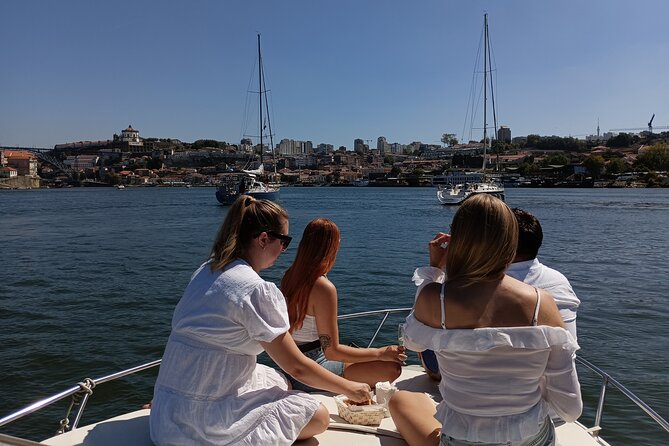
The core experience is the Douro River cruise running between the river’s mouth and the Infante D. Henrique Bridge area. The timing is about 1 hour 30 minutes, and the route is designed around seeing the cities and the main crossings in sequence.
Think of it like this: the boat moves you from modern connections back toward older engineering and then forward again to the places where the river widens out near the Atlantic. You’ll also pass key riverfront areas like Cais de Gaia and Cais da Ribeira, which helps tie the bridges to how people actually live, eat, and stroll along the water.
The “Ribeira option” is the part that adds more of the Porto postcard feeling—more time aligned with the historic riverbank and its scenic terraces and viewpoints.
Ponte da Arrábida to Ponte do Infante: Modern Bridges With Big Views
You start getting into the bridge rhythm with Ponte da Arrábida, an arch bridge that connects Porto (via the Arrábida area) and Vila Nova de Gaia (via the Candal junction). This bridge exists because the earlier crossings couldn’t handle growing road traffic, so a new alternative became necessary.
At its construction in 1963, Ponte da Arrábida was noted for having the largest reinforced concrete arch of any bridge worldwide. On the water, you can see why that matters: the structure reads differently from a boat because you view it in full proportion against the river space.
Next comes Ponte Infante Dom Henrique (often called Ponte do Infante). It opened in 2003 and it’s the most recent bridge connection between Porto and Gaia. It’s one of those modern anchors that helps you understand the river isn’t just a scenery backdrop. It’s the working link between two sides of the same city.



Dom Luís Bridge and Serra do Pilar: The Two-Deck Signature Moment
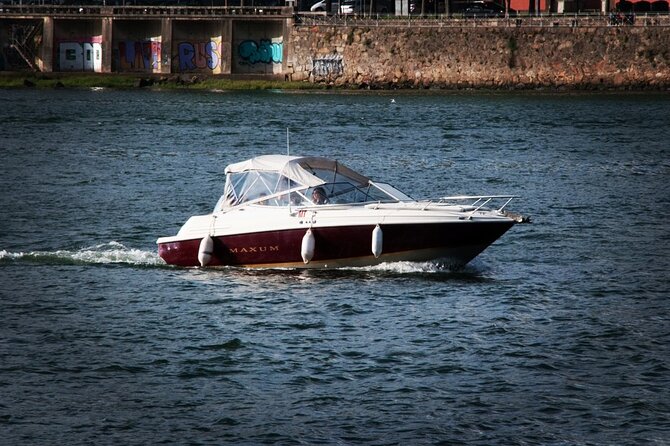
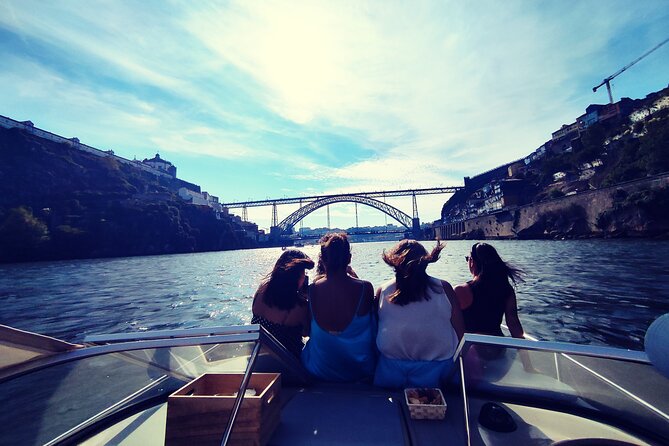
This is the “mythical” bridge moment people talk about, and the boat setup makes it easy to appreciate why. You’ll see the engineering that gives the bridge its famous look: a 19th-century iron bridge with two metallic decks at different levels, built so you can access different points on both banks.
On the water, Dom Luís Bridge isn’t just a landmark. It’s a visual timeline: old and new modes of crossing stacked in one structure, spanning the deep valley the river carved.
Then you pivot toward the view from Serra do Pilar, the elevation in Vila Nova de Gaia where the Serra do Pilar Monastery sits. This hilltop area frames the river in a way you can’t get from the street easily. From the boat, it’s a quick way to understand the geography that makes Porto feel dramatic even when you’re just standing still.
Rail Giants: D. Maria Pia Bridge and São João Bridge
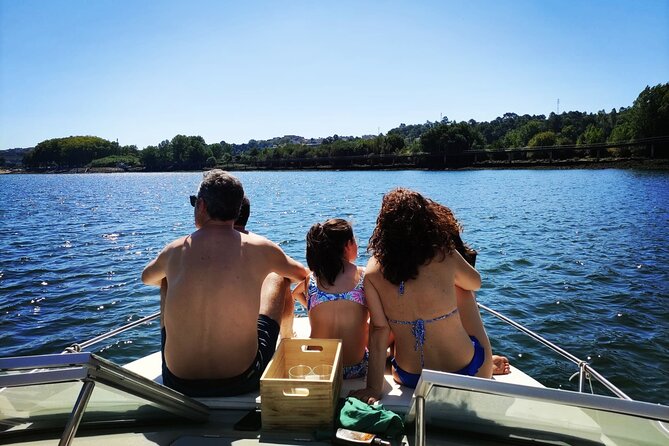
If you like infrastructure details, this part is satisfying. Ponte D. Maria Pia is a railway infrastructure that carried the Northern Line between Porto and Gaia. It opened on November 4, 1877, and it closed on June 24, 1991, after which it was replaced by the newer connection.
That replacement is São João Bridge, also tied to the Northern Line. It entered service on June 24, 1991, stepping in after the older bridge aged out of use.
From a visitor standpoint, the value here isn’t trivia for trivia’s sake. It’s perspective. When you see older rail bridges and newer replacements from the same water vantage point, you start to grasp how Porto’s growth pushed engineering forward over time.
Ponte do Freixo and the Riverfront: Cais de Gaia Meets Cais da Ribeira
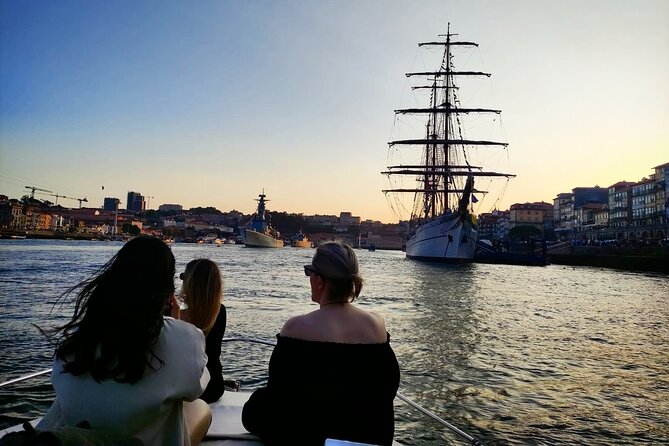
Upstream comes Ponte do Freixo, which is a road bridge connecting Porto and Gaia and is the furthest upstream among the crossings. The boat route gives you a sense of the river’s changing width and current without you needing to hike between neighborhoods.
Then you move into the feeling of being right across from the historic core. Cais de Gaia is a terrace-lined tourist area on the left bank in Vila Nova de Gaia, opposite Porto’s UNESCO-listed historic area. From the water, you get a cleaner comparison of “this is where you enjoy the city” versus “this is where you move through it.”
You’ll also come past Cais da Ribeira, one of Porto’s postcard riversides, running alongside the Douro next to Dom Luís Bridge. If you’ve walked Ribeira before, you already know it’s pretty. The boat version makes it easier to see how the riverbank shapes the street layout and why these places always feel close to the action.
Ribeira Option Extras: Crystal Palace Gardens, Congress Views, and Foz
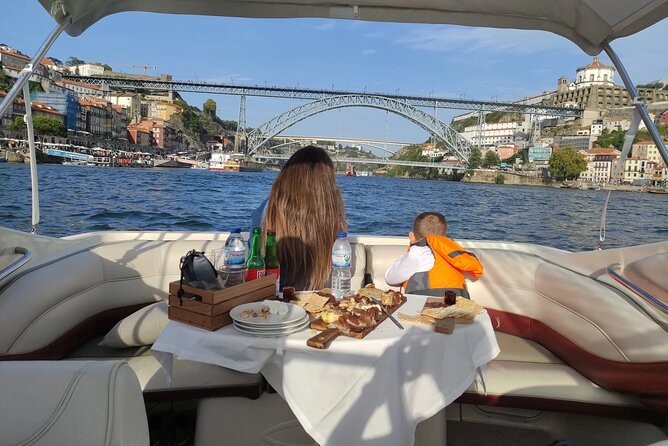
The “Ribeira option” adds more of the scenic sweep along the Porto side. You’ll see the Crystal Palace Gardens from the river, which is a pleasant green space in Porto’s Massarelos area. It’s also a great viewpoint moment because it gives you an obvious “pause” area above the waterline.
You’ll also pass the Alfândega do Porto Congress Center, which is part of an association connected to transport and communications museum culture. Even if you don’t stop, it’s a useful landmark to orient yourself because it reads like a modern civic building sitting right on the water.
As the route goes farther toward where the river opens up, you reach Foz do Douro, where the Douro meets the Atlantic Ocean. This shift in setting is a big part of why the ride doesn’t feel repetitive. The city vibe softens as the water looks more ocean-like.
Finally, you may pass by the Douro Estuary Local Natural Reserve, created in 2018 and known for being a resting, feeding, and shelter area for migratory birds. You’re not going to turn this into a birdwatching expedition from the boat, but it gives the river a different angle: not just city views, but a living ecosystem.
The Crew Matters: João, Manuel, Sara, and the Right Amount of Talk
The biggest “quality signal” from this tour is how the crew handles attention. Captains and hosts like João, Manuel, and Sara have a pattern: they’re friendly, they help you settle on board smoothly, and they time their explanations to match the moment.
You’ll get the kind of information that makes the bridges click. It’s not just names. It’s why the bridge exists, what changed over time, and how the crossing affected life between Porto and Gaia.
At the same time, they don’t drown you in narration. One of the most common themes is that you get your info, then you get space to enjoy your private time with drinks and snacks. If your group likes conversation, there’s room. If you just want to relax and watch, that works too.
There’s also a practical “stress reducer” element. Communication before the tour can be handled via WhatsApp, and the crew can be flexible if you’re delayed due to traffic or festival crowds.
Comfort and Timing: Sunset, Wind, and Boat Pace
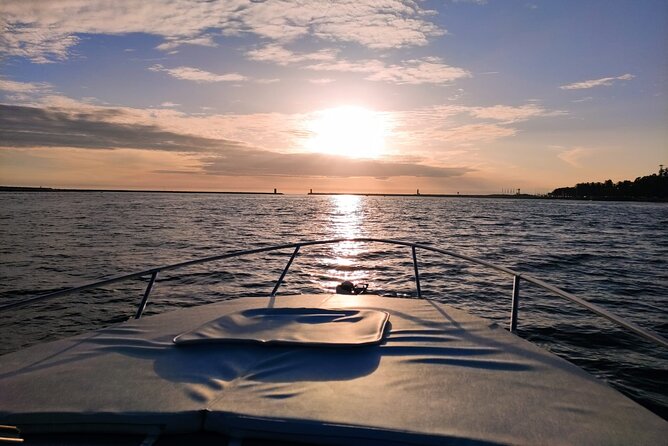
Sunset is the highlight logic here, and it’s not just a marketing line. The ride is set up so you catch the sun on the return segment, and Porto’s river edges tend to look softer and more cinematic from the water at that hour.
You should still plan for river wind. Blankets have been provided on trips when the temperature dropped, and that’s a genuinely smart touch because the difference between “sunny afternoon” and “breeze after sunset” can be bigger on the water than you expect.
About pace: the boat is designed to let you watch closely. That’s the tradeoff. It’s relaxing, and sometimes that’s exactly what you want. But if you hoped for a faster, more sporty ride, you might find it slower than expected.
Who This Tour Is Best For
I’d book this if you want a high-impact Porto experience with minimal effort. It fits well for first-timers who want the big city landmarks (bridges and riverside districts) without turning the day into a long walking itinerary.
It’s also a good pick for mixed-age groups. The private format keeps it easier for families and for people who don’t want to manage stairs and long uphill strolls across Porto and Gaia.
If you’re the type who likes engineering details, rail history, and how cities connect, you’ll appreciate how each bridge is explained in plain terms.
Should You Book This Sunset Boat Tour in Porto?
Yes, if you want one 90-minute plan that gives you the core Porto-and-Gaia story from the best seat in the city: on the Douro. The private group size, sparkling wine and snacks, and the sunset timing all point in the direction of an easy win.
Skip it (or adjust expectations) if you’re craving speed and nonstop action. This is a calm viewing experience where the payoff comes from seeing the bridges in sequence, not from adrenaline.
FAQ
FAQ
Where does the tour start?
It starts at Marina da Afurada, R. da Praia 430, 4400-554 Vila Nova de Gaia, Portugal.
How long is the private tour?
The duration is about 1 hour 30 minutes.
How many people are in each private group?
It’s private, with up to 6 people per group.
What is included with the booking?
The experience uses a mobile ticket, and it includes the boat tour with the bridge-and-river route. Refreshments like sparkling wine and snacks are provided.
Is the tour actually private?
Yes. Only your group participates.
Is this tour good for families?
Most travelers can participate, and the tour setup is generally friendly for families, including trips with children.
Are service animals allowed?
Yes, service animals are allowed.
What’s the best time to go if I want sunset?
Choose the departure that is timed so you catch the sunset on the way back, since sunset is a key highlight of this experience.
Is the tour dependent on weather?
Yes. It requires good weather, and if it’s canceled due to poor weather, you’ll be offered a different date or a full refund.
What if I need to cancel?
You can cancel for free up to 24 hours in advance for a full refund.