REVIEW · PINHAO
Pinhão: Quinta do Bomfim Visit and Tasting
Book on GetYourGuide →Operated by Qta do Bomfim · Bookable on GetYourGuide
Port wine has a whole backstory.
Quinta do Bomfim in Pinhão turns that backstory into a guided, on-site visit you can actually follow. I like how the tour starts with a small museum that explains the Symington family and the Douro property, then carries you out into the vines.
My second favorite part is the choice built into the experience: you pick a tasting style and finish on the terrace with views over the Douro. One possible drawback: it involves walking on uneven paths, so it’s not the best fit for anyone with mobility limitations or wheelchair use.
In This Review
- What You’ll Remember Most at Quinta do Bomfim
- Quinta do Bomfim in Pinhão: a museum-first start you’ll thank yourself for
- The vineyard walks: dry stone terraces and real mountain vines
- The 1896 lodge, vat room, and barrel cellar where harvest waits
- Harvest season vs. off-season explanations
- Tasting time: choose your flight and taste 3 glasses
- Dow’s connection: why these bottles matter
- The pacing at your table
- The terrace tasting: views over the Douro River
- Guides make the difference: clear explanations and good energy
- Price and time: is $47 worth it?
- Who should book this Douro tasting?
- Practical tips before you go
- Should you book Quinta do Bomfim?
- FAQ
- Where do I meet for the Quinta do Bomfim tour?
- How long is the visit?
- What tasting options can I choose from?
- How many drinks are included in the tasting?
- What happens during the museum part of the tour?
- Is the tour suitable for wheelchair users or mobility impairments?
- Can I cancel or pay later?
What You’ll Remember Most at Quinta do Bomfim
- Symington family context first, so you understand what you’re tasting
- Three different vineyard walks, with dry stone terraces and mountain views
- The old lodge and cellar (built in 1896), where harvest ports are held before they move downriver
- Port-making explained with real tools and locations, including lagares when harvest is happening
- Tasting choice: Douro DOC, port styles, premium vintage picks, or Dow’s Old Tawnies
- Small-group feel with a maximum of 10 participants, keeping the pacing calm
Quinta do Bomfim in Pinhão: a museum-first start you’ll thank yourself for
The Upper Douro Valley can feel like one long string of views and vineyards. Quinta do Bomfim gives you the map in your head before you start looking around. The tour begins at the visitor center and then moves into the on-site museum, which focuses on the property and the Symington family that has owned it for five generations.
In that museum, you’re not just looking at bottles. You’re seeing early 20th century photographs of the Douro and reading documents that connect the Quinta’s past to what you’ll see later in the cellar and vineyards. It’s the kind of start that makes the rest of the visit click, because you can place the buildings and techniques in time.
I also appreciate that the guide doesn’t treat port like magic. They explain production in a way that stays practical, so even if you’re not a wine nerd, you can follow what’s happening and why it matters.
You can also read our reviews of more tours and experiences in Pinhao.
The vineyard walks: dry stone terraces and real mountain vines
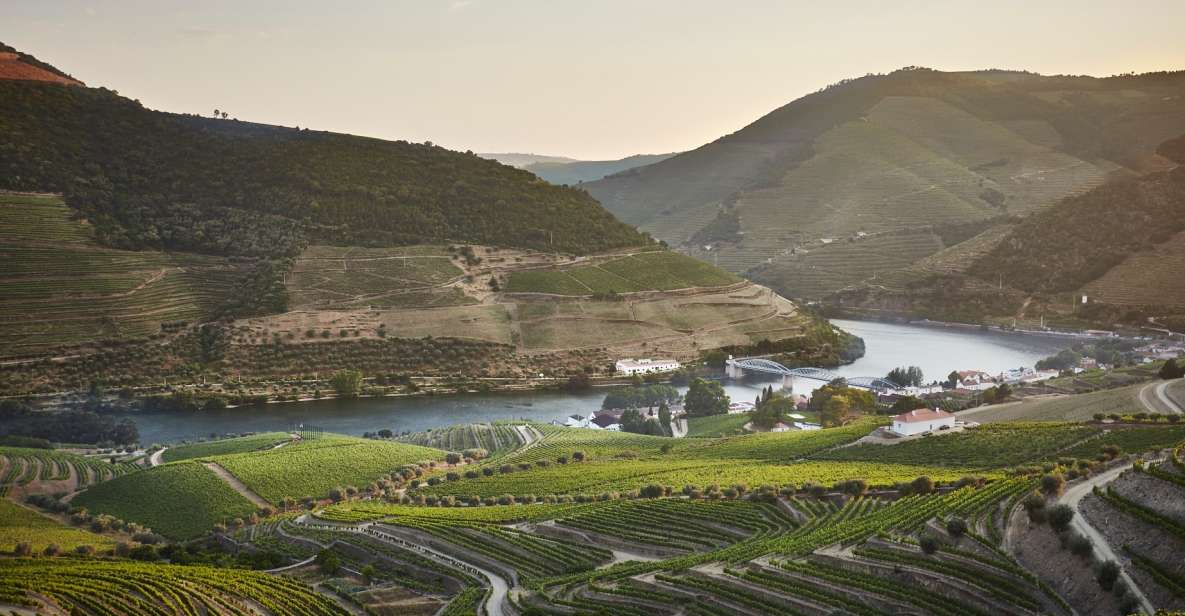
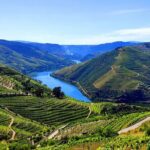
After the museum, the tour shifts outdoors. You’ll walk through the estate’s vineyard area, and you’ll have a choice of three walks. Each one is designed around viewpoints over the surrounding mountain vineyards. Some routes also highlight dry stone terraces that were built by hand in the 18th and 19th centuries.
This is where your eyes start understanding what your guide is talking about. Douro terraces aren’t just pretty; they’re part of how the slopes are worked and how vineyards survive tough terrain. On these walks, you get to see the results of that long work—stone lines, slope angles, and the way vines are arranged on the hills.
A heads-up: comfy shoes matter. Even with careful guiding, you’ll be on foot for an active stretch, and the terrain is not flat. If you’re hoping for a stroll that stays perfectly level, this may feel more like a gentle hike.
The 1896 lodge, vat room, and barrel cellar where harvest waits
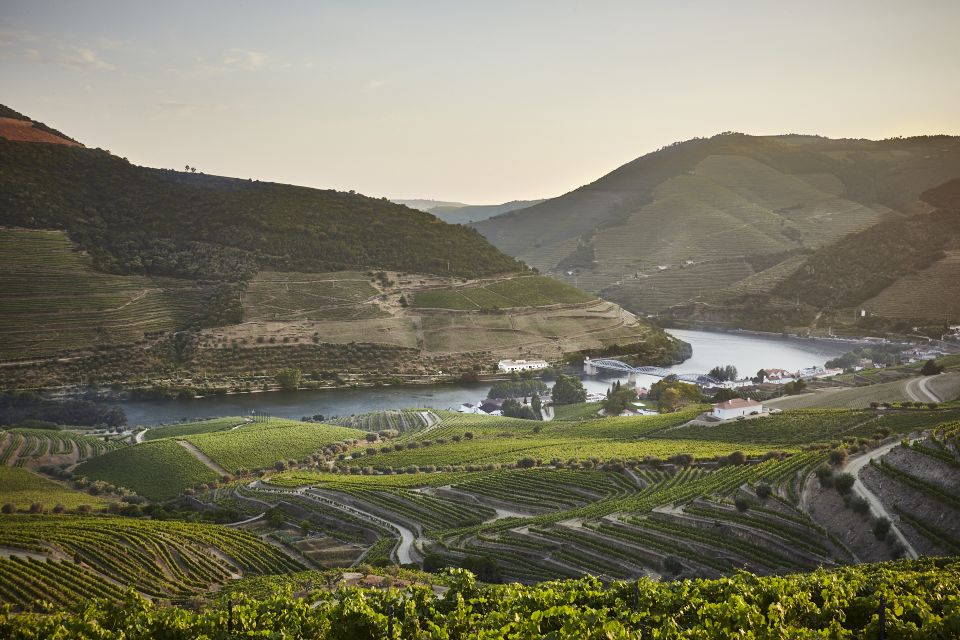
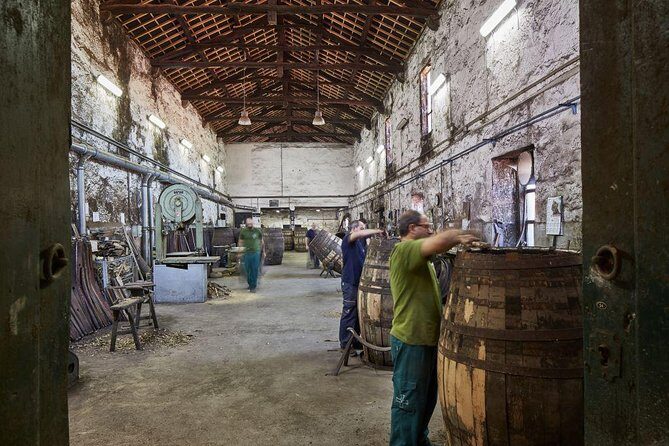
One of the most striking stops is the old lodge built in 1896. This is one of the important structures in the Douro Valley, and the visit helps you understand why it mattered long before modern logistics.
Inside, you’ll see the old vat and barrel cellar setup, including a complex roof structure that has been used for over 100 years to hold the ports from each harvest at the estate. The timing logic is simple: port needs time and controlled conditions before it’s taken downriver to Vila Nova de Gaia for further maturing.
Even if you’re only visiting for about an hour or so, this building gives the tour weight. It makes port production feel less like a final product in a shop and more like a seasonal process tied to place.
Harvest season vs. off-season explanations
Depending on when you visit, you may get different kinds of production details. During harvest, you can see grapes being received at the winery and port being made in the lagares, the traditional troughs.
When it’s not harvest season, the tour still keeps things moving with a short film showing how the winery operates. There’s also mention of traditional treading shown via content from other Symington family vineyards. So you still leave understanding the steps, even if you can’t watch everyone at work in real time.
Tasting time: choose your flight and taste 3 glasses
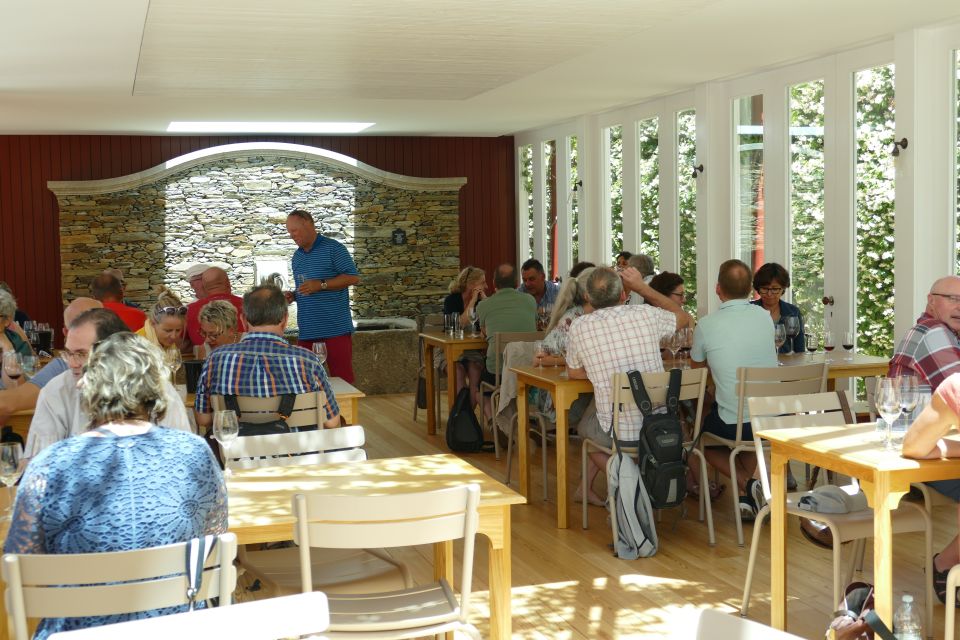
Later in the experience, you’ll get to taste. The tasting portion uses a choice system, with four different options available:
- Douro DOC tasting
- Port tasting
- Premium vintage tasting
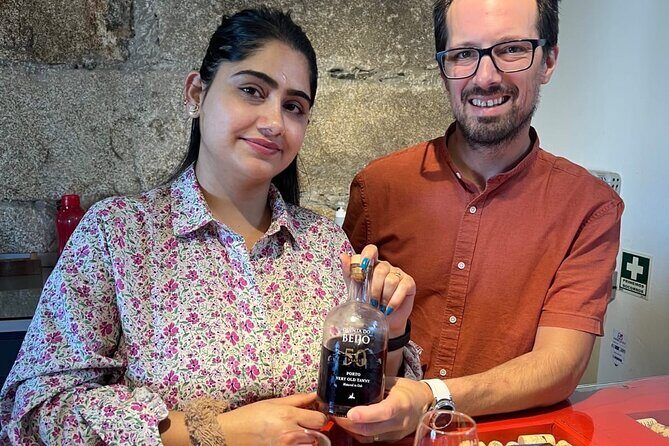
- Dow’s Old Tawnies tasting
Each option leads to a different set of wines to taste. What stays consistent is the format: you receive 3 glasses of wine as part of the activity. For many people, that’s the sweet spot. It’s enough to compare styles, but it doesn’t turn into a marathon.
Dow’s connection: why these bottles matter
Quinta do Bomfim is tied to major Dow’s releases in the 21st century. Two stand out in the story you’ll hear on the tour.
First is Dow’s 2007 Vintage Port. It’s noted as the only vintage port made this century to earn a perfect 100 points from Wine Spectator. Second is Dow’s 2011 Vintage Port, which was nominated as N°1 wine in the world in 2014 by Wine Spectator.
Even if you’re not memorizing scores, I like how this gives you something concrete to connect to. It turns a tasting flight into a reason to care.
The pacing at your table
Small-group pacing is usually a plus, but one practical note from real experiences: guides sometimes move between tables during tasting, which can feel a bit rushed if you want longer back-and-forth questions. If you care about detailed answers, ask your guide early when you can get extra time, especially if your tasting notes or questions are specific.
Also, if you’re the type who likes writing down aromas and impressions, bring a pen and don’t assume you’ll get tasting notes right at the start.
The terrace tasting: views over the Douro River
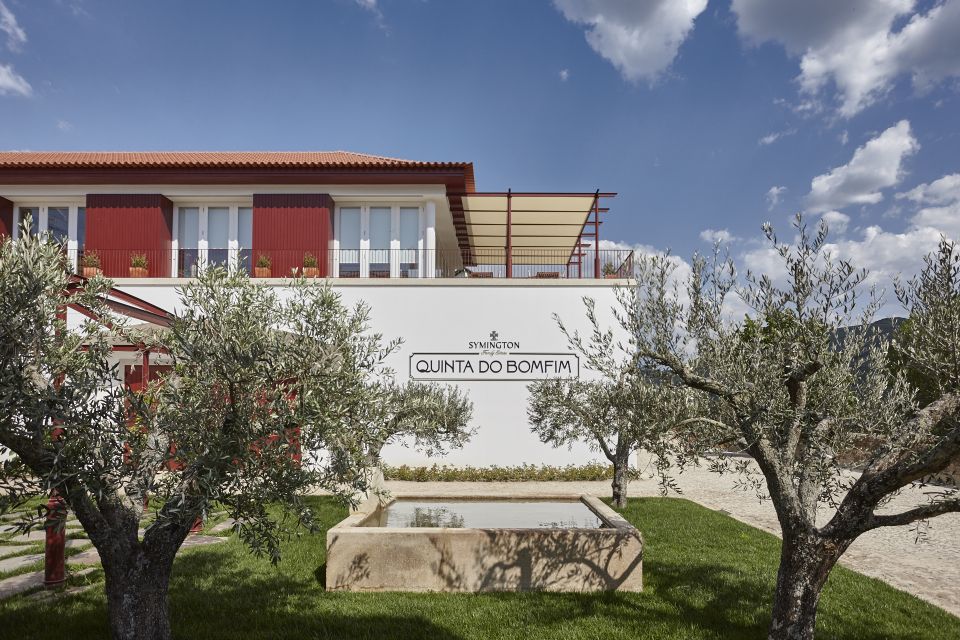
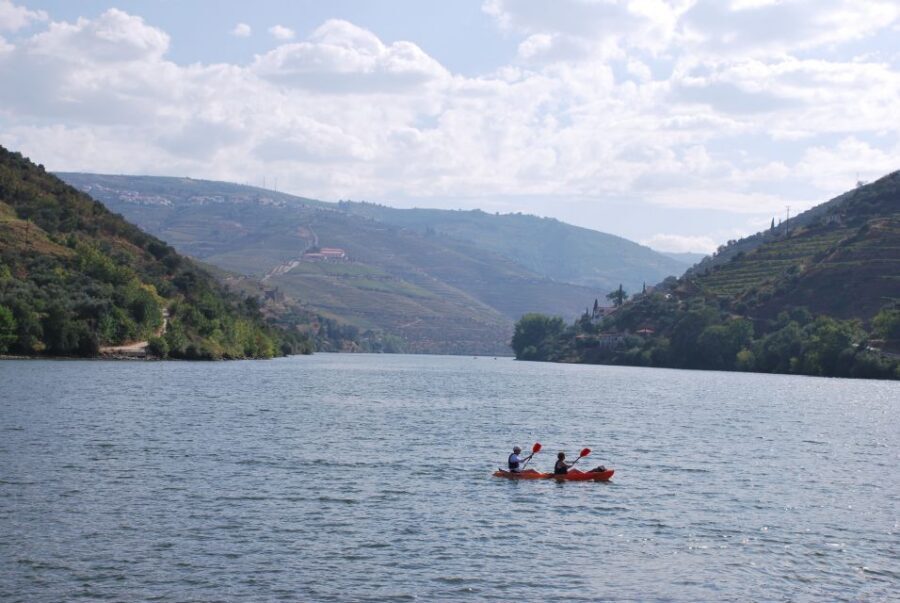
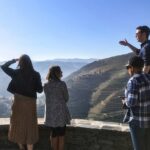
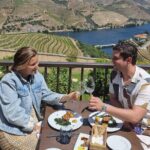
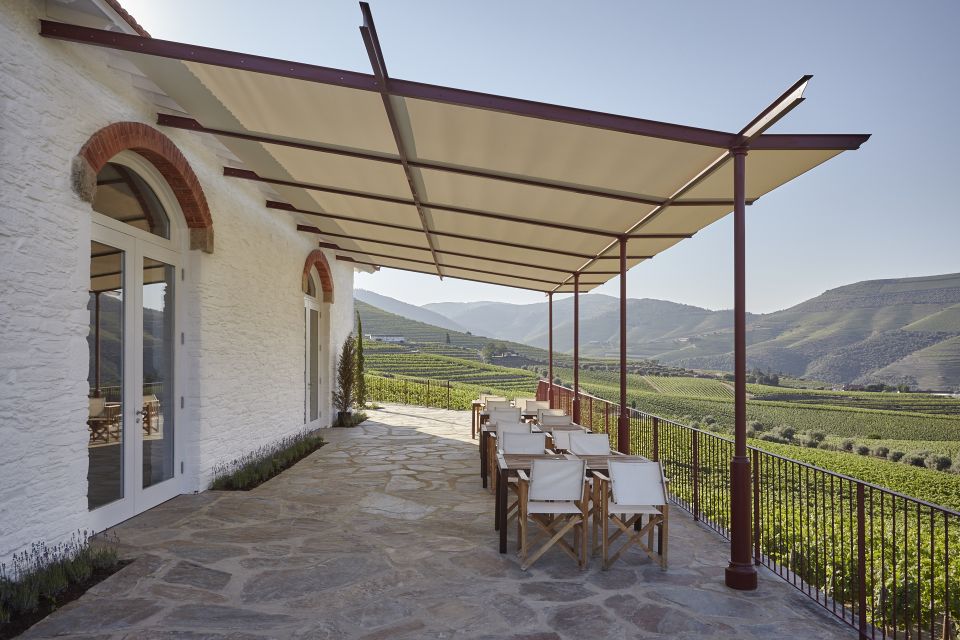
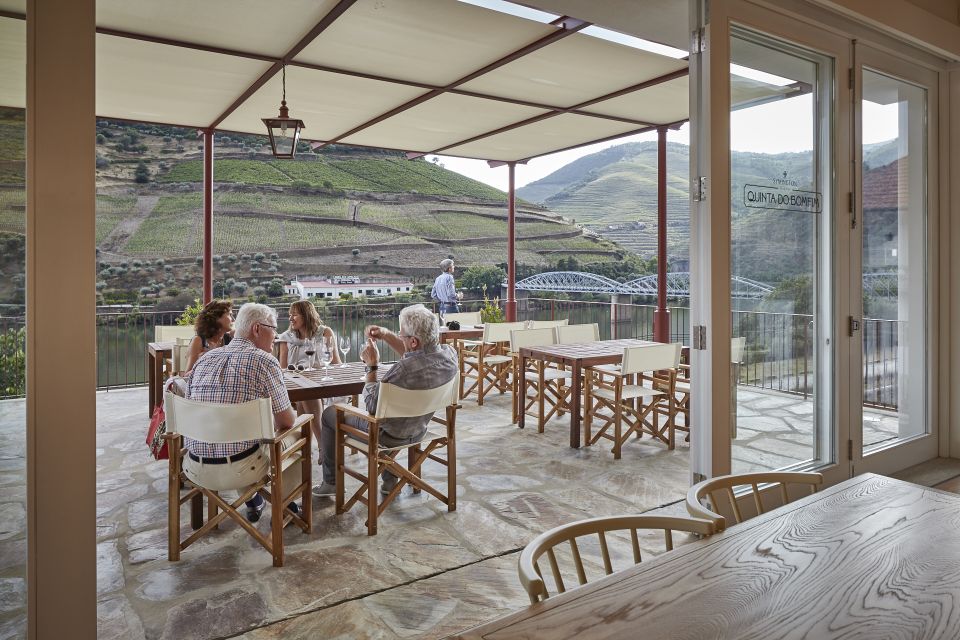
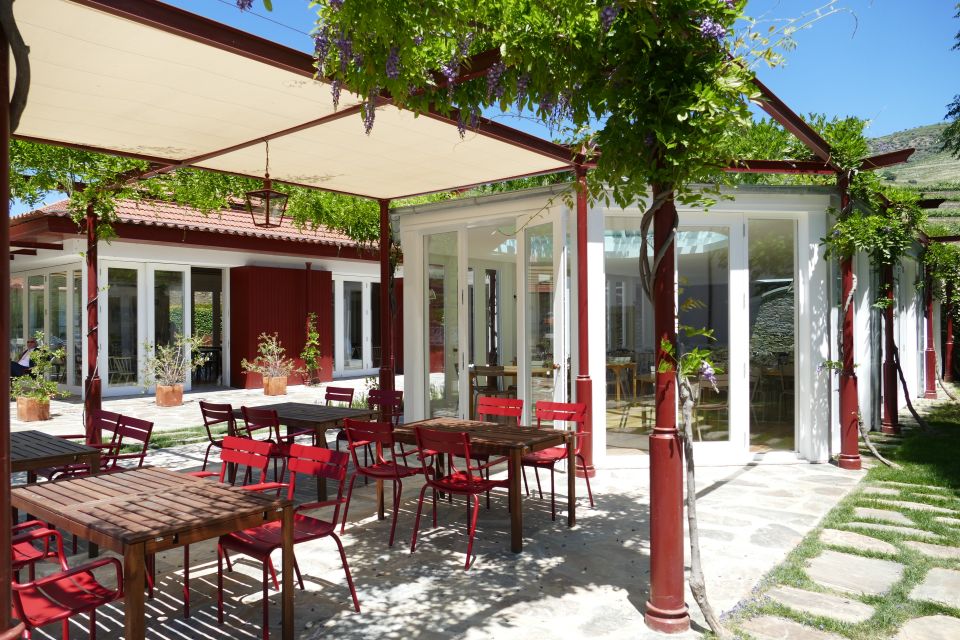
After the vineyard and cellar stops, the tour ends in a calmer setting: the terrace. This is where the tasting shifts from explanation to atmosphere. You’ll sit while enjoying your selected wines with scenic views over the Douro River and surrounding vineyards.
This is a big deal because it changes how port feels in your body. In a tasting room, wine can seem like a product. On the terrace, it’s tied to the geography—river bends, slopes, and the vineyards you just walked through.
If you’re visiting on a day with decent light, this is also the time to slow down and actually look. Don’t just drink and snap photos—take a minute to connect what you’re seeing to what the guide said in the museum and cellar.
Guides make the difference: clear explanations and good energy
What separates a good winery tour from a great one is the guide’s ability to keep the story straight while making it fun to listen to. In this experience, names like Rodrigues, Mariana, Andre, Gabriel, and Leonor show up as guides who deliver clear explanations and keep the visit interesting.
The consistent theme from these guide styles is clarity: port-making steps are explained in a way you can follow, and questions aren’t treated like a nuisance. One common praise is that the guide helps connect the process to what’s in your glass.
If you want that kind of storytelling, aim to ask at least one question during the museum stop. It’s the easiest place to get your bearings fast, before you start walking and tasting.
Price and time: is $47 worth it?
At about $47 per person for roughly 1 to 1.5 hours, Quinta do Bomfim sits in the category of tours that cost more than a basic tasting but less than full-day production adventures. The value comes from what’s included.
You get:
- A guided tour that covers the museum, vineyard walks, and the old lodge/cellar
- A wine tasting with 3 glasses
That combination matters. A quick tasting alone might teach you tastes. Here, the tour adds context so your tasting has meaning. You’re paying for guided interpretation plus access to the estate’s key spaces.
So if your goal is to understand Douro and port beyond flavor alone, this price feels fair. If your goal is simply sampling without much walking or explanation, you might find you want a shorter or more casual option.
Who should book this Douro tasting?
This is a strong match if you want:
- A first-time Douro orientation that connects vineyards to cellar work
- A small-group experience capped at 10 participants
- A tasting with real choice (DOC, port styles, premium vintage, or Dow’s Old Tawnies)
- A scenic finish that’s not rushed
It’s less ideal if you:
- Need a wheelchair-friendly itinerary (the tour isn’t suitable for wheelchair users or mobility impairments)
- Prefer fully flat routes or minimal walking
It also suits people who like family-run wineries and the sense of staying with one estate long enough to understand how it works.
Practical tips before you go
- Wear comfortable shoes. Even “walking routes” can include uneven ground.
- Dress for the weather. The terrace time makes you feel the conditions.
- Bring a passport or ID card.
- If you want to extend the day, consider adding a meal nearby. One person specifically recommended combining the visit with lunch or dinner at Bomfim 1896.
If you arrive early, there’s at least one reported instance where tastings may start before the formal tour begins. So if timing allows, arriving a bit ahead can make the experience feel less tight.
Should you book Quinta do Bomfim?
Yes—if you want a guided, on-site Douro and port education that ends with a proper tasting in a place tied to history. The museum start, the vineyard walks with terrace views, and the old lodge cellar stop together create a logical flow. Then the terrace tasting gives you time to enjoy what you learned.
If you’re fragile on your feet or need wheelchair access, skip this one. Otherwise, book it and spend the time asking questions during the museum and cellar portion. That’s where the biggest payoff usually happens.
FAQ
Where do I meet for the Quinta do Bomfim tour?
Meet at the Quinta do Bomfim Visitor Center. Plan to arrive 15 minutes before the activity starts.
How long is the visit?
The activity lasts about 1 to 1.5 hours.
What tasting options can I choose from?
You can choose from four tasting options: a Douro DOC tasting, port tasting, premium vintage tasting, or Dow’s Old Tawnies tasting.
How many drinks are included in the tasting?
The tasting includes 3 glasses of wine.
What happens during the museum part of the tour?
You’ll visit the on-site museum to learn the story of the property, the Symington family, and the wines, including early 20th century photographs of the Douro and related documents.
Is the tour suitable for wheelchair users or mobility impairments?
No. The tour is not suitable for people with mobility impairments or wheelchair users.
Can I cancel or pay later?
Yes. You can cancel up to 24 hours in advance for a full refund, and you can reserve now and pay later.