REVIEW · PINHAO
Private Douro Valley Wine Tour + Lunch and Boat Cruise
Book on Viator →Operated by Brunotheguide · Bookable on Viator
Terraces, wine, and river views. That’s the feel of this private Douro Valley day. You start in Pinhão and move through the kinds of stops that made Port famous: tastings at family wineries, a scenic river cruise, and a couple of big-view moments that connect the dots between grapes, shipping, and daily village life. It’s built to feel local, with Bruno keeping the day flowing and making sure you’re not stuck in the usual tourist rush.
I especially like how the tastings are framed around both unfortified wines and Port. It helps you understand the region instead of just collecting a few sips. The other standout for me is Bruno’s historical commentary and how he keeps it practical, not lecture-mode. In the same spirit, the lunch is described as a genuinely Portuguese meal, not a generic refill.
One consideration: this is a long day (about 8 to 10 hours), and drive time can stretch depending on traffic. Also, pickup has city-center restrictions, so you’ll want to confirm where you can be picked up based on your location.
In This Review
- Key things to know before you go
- Why Pinhão is the smart start for Douro Valley wine days
- The Douro Valley tastings: what you’re really paying for
- Miradouro Torguiano: the view that explains the Port shipping path
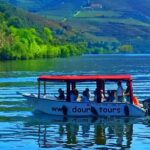
- Douro River boat cruise: the 50-minute terrace show
- Lunch included: when local flavors actually show up
- The day’s second vineyard stop: more time for comparison
- Pinhão’s 1880 railway station and its 1937 tile panels
- Price and logistics: does $434 feel worth it?
- Who this private Douro Valley tour fits best
- Should you book this Douro Valley Wine Tour?
- FAQ
- What does the tour include?
- Is the boat cruise guaranteed?
- What time does the tour start, and how long is it?
- Where in the Douro Valley does the tour focus?
- What will I taste during the winery visits?
- Is pickup available from anywhere in Porto?
Key things to know before you go
- Private, group-only experience with Bruno from start to finish
- Port plus table wine tastings at family wineries, designed to avoid crowds
- Scenic Douro River boat cruise (around 50 minutes), with the option to decide on the spot
- Miradouro viewpoint stop for views over Pinhão and the Port shipping story
- Lunch included, described as authentically Portuguese
- Iconic 1880 Pinhão railway station and its famous 1937 tile panels
Why Pinhão is the smart start for Douro Valley wine days
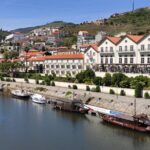
If you’re aiming for the classic Douro feel, Pinhão is a strong choice because it sits right where wine routes became real. Port didn’t get famous by accident. The shipping story starts with rivers, terminals, and timing, and this area is built around those connections.
This tour leans into that. You spend time in the Douro Valley, a region famous for terraced vineyards that are tough to farm because the terrain is hard and the climate can run hot. That combination matters. The Douro’s grapes and wines are shaped by those growing conditions, not by luck. When Bruno talks you through what you’re seeing, it clicks faster than if you’re just driving around.
The value here isn’t just that you visit wineries. It’s that the day explains the “why” behind what you taste and where you’re standing. You’ll also have the kind of pacing that keeps you from feeling rushed—important on a day that’s already long.
You can also read our reviews of more tours and experiences in Pinhao.
The Douro Valley tastings: what you’re really paying for
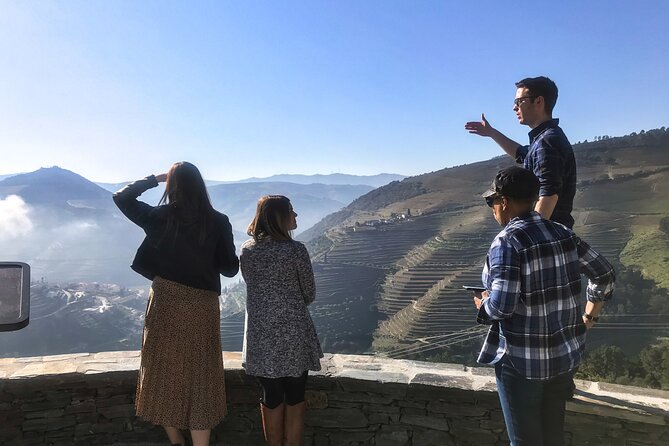
Your first major stop is the Douro Valley itself, presented as the birthplace of Port and the first demarcated wine region in the world. That’s a big claim, and the tour handles it in a useful way: you’re not just hearing trivia. You’re getting a sense of how the region works—terraces, heat, and grapes that produce distinctive Douro wines.
Then come the tastings at a family winery. This is where the experience becomes more than sightseeing. The tasting includes unfortified wines and Port wine, which is key because it gives you a cleaner comparison. Unfortified Douro wines (often the table wines people think of as “regular wine”) show one side of the region, while Port shows the other side—how style, process, and aging culture developed.
What I like about this setup is that it’s not the typical “three-minute pour, move along” routine. Because it’s private, Bruno can adapt the flow to your pace. That means you can ask the simple questions that make wine tasting more fun, like what differences you should notice between the categories you’re tasting.
Practical note: pace yourself. Even if the tastings sound small, Port can add up fast. Take water breaks when Bruno suggests them and don’t feel shy about asking for a slower rhythm.
Miradouro Torguiano: the view that explains the Port shipping path
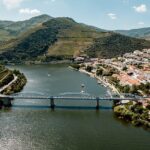
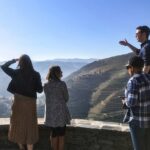
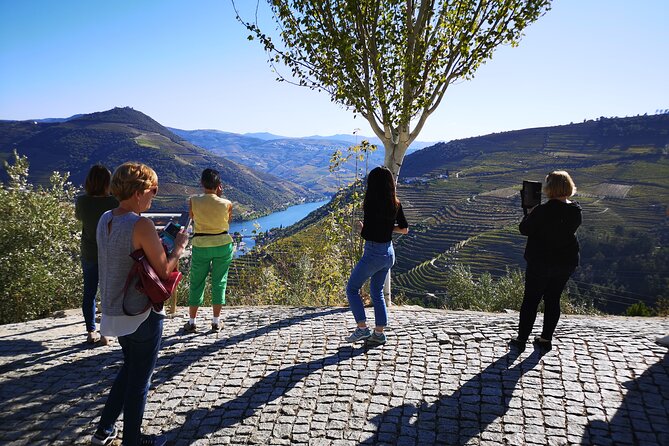
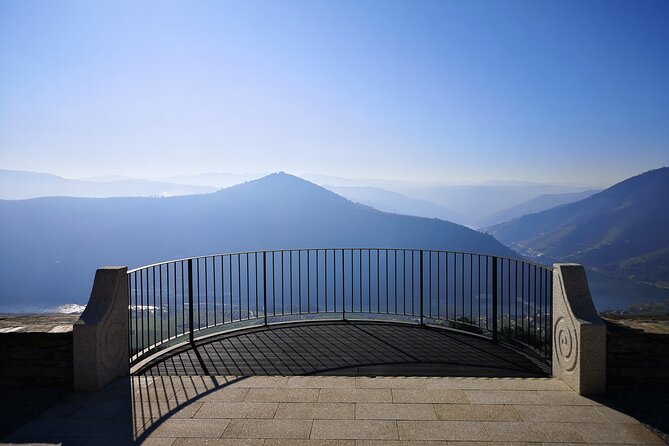
Next you hit a viewpoint: Miradouro Torguiano de São Cristóvão do Douro. The tour frames it as the first viewpoint of the Douro Valley center, so it’s a quick way to orient your bearings.
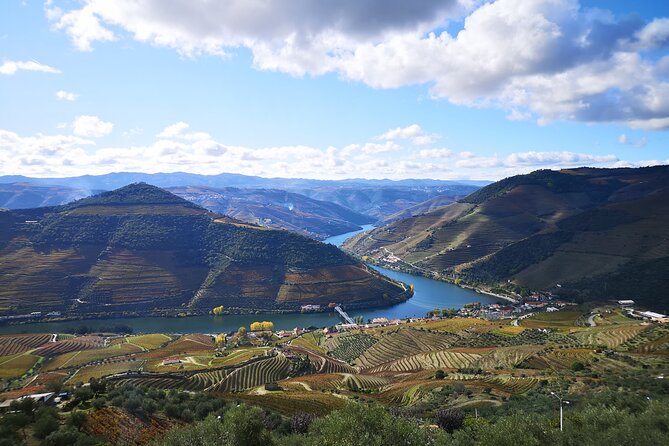
From here, you get that classic picture of Pinhão and what the river corridor looks like from above. But the better part is the context: this area is linked to how Porto wine moved toward England. You’ll also hear the piece that many people miss—after wine left the Douro, it stopped first at Vila Nova de Gaia for aging before continuing onward.
Why does a viewpoint matter on a wine tour? Because it turns the day from a list into a story. When you later see vineyards stretching up terraces, or you’re on the river, the view helps your brain map what you’re seeing to what Bruno is explaining.
One small win: the miradouro stop has free admission, so you’re not losing time or money to add-on entry fees.
Douro River boat cruise: the 50-minute terrace show
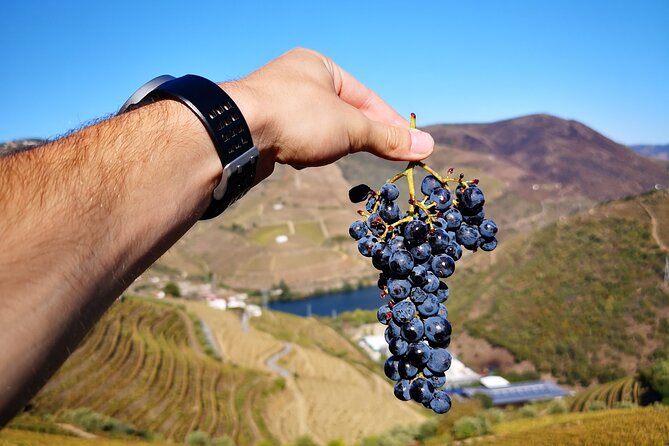
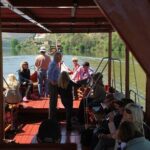
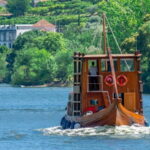
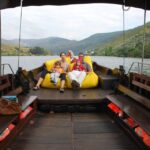
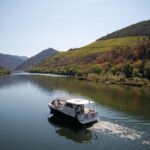
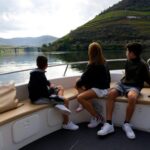
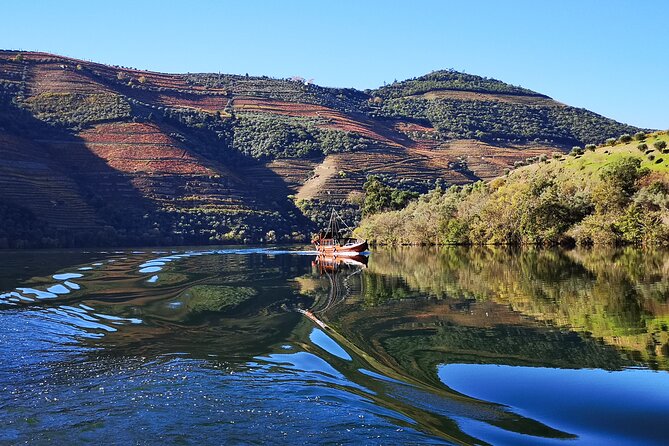
Now for the river segment. The Douro River cruise runs for about 50 minutes, typically from Pinhão. This is the part of the day where the scenery stops being “backdrop” and starts being information.
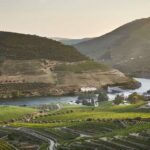
You’ll see vineyards planted on steep terraces rising away from the water. That visual is the fastest way to understand why Douro farming is hard and why the wines have the character they do. It’s also where the day feels most like Portugal, not just a wine tasting circuit.
You can decide on the spot if you want to go, depending on how the day’s pacing feels. If you’re on the fence, I’d lean toward doing it. Even if you’re not a boat person, the terraces you’ll view from the water are the payoff.
What to watch for: bring sunglasses and something light for sun. It can feel cooler near the river, but the sun can still hit hard. Also, if you’re drinking tastings earlier, this cruise is a good time to slow down and reset.
Lunch included: when local flavors actually show up
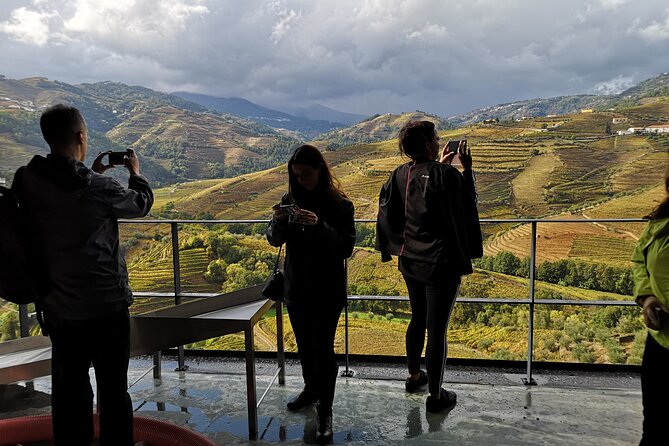
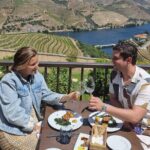
Lunch is part of the deal. And unlike some tours where the meal is an afterthought, this one is described as an authentic Portuguese lunch with local flavors. That’s a big deal because it shapes your whole day.
After tastings and viewpoints, you’re ready for something that doesn’t feel like it was chosen for convenience. This lunch is positioned as a real meal, not just a box-check on your itinerary.
What I suggest: eat like you have a second half to enjoy. Don’t overdo it, but do take the meal seriously. It helps you taste better later, especially if you continue the day with more vineyard time and additional tastings.
The day’s second vineyard stop: more time for comparison
After lunch, you visit another vineyard. The goal here is less about ticking another box and more about comparison. Once you’ve had Port and unfortified wine in one place, the next winery gives you a second lens on the region.
This is also where a private guide earns his keep. Bruno can connect what you’re tasting to what you saw earlier: terraces, river location, the Port story, and how family wineries work at their own pace.
There’s also a practical benefit. Because this is private, you can fit your questions around the day. You’re not doing wine while thinking, “Wait, what am I supposed to be noticing?”
Pinhão’s 1880 railway station and its 1937 tile panels
One of the most memorable non-wine stops is the railway station in Pinhão dating to 1880. It was the connection that linked the village to Porto. Before that, villagers relied on boats, which took much longer to reach the big city.
This station also has 24 tile panels from 1937 showing different aspects of village life. And importantly, it’s still active. That’s the kind of living history that feels more real than a museum photo-op.
Why I like including this: it reminds you that wine history is human history. Wine becomes a global product through shipping, labor, and infrastructure. The station gives you that context without turning the day into paperwork.
If you like small cultural details, this stop is a win.
Price and logistics: does $434 feel worth it?
At $434, this isn’t a cheap casual outing. But it also isn’t priced like a cookie-cutter group bus day. You’re paying for a private experience, hotel pickup and drop-off, and a day that includes wine tastings, lunch, and transportation.
Here’s how I think about value on a tour like this:
- Private guide time matters. Bruno’s historical commentary and the way the day is paced can make tastings more meaningful.
- Wine and Port tastings are included. If you were to plan this yourself, tastings plus guided time plus transport tend to add up fast.
- Lunch is included. You avoid the “tour meal tax,” where your budget quietly disappears.
- Boat cruise is included if selected. If you do the cruise, that’s another cost and another chunk of your day handled for you.
One logistics note: traffic can push the day beyond the estimated timing, since you’re driving from Porto. Also, pickup is available with city-center restrictions, so the meeting point and pickup feasibility can affect convenience.
If you want a Douro day that feels arranged for you, not thrown together, the price starts to make sense.
Who this private Douro Valley tour fits best
This works best if you:
- Want family winery tastings rather than a crowd schedule
- Like to pair wine with place-based history
- Prefer a private day where you can set your own pace
- Care about logistics and don’t want to coordinate transport and multiple ticket types yourself
It might be less ideal if you:
- Want a short, low-effort outing (this is a full day)
- Need guaranteed city-center pickup no matter what (pickup restrictions apply)
- Don’t want any time spent on viewpoints or cultural stops (this day includes them)
Should you book this Douro Valley Wine Tour?
I’d book it if you want a Douro day that mixes Port + table wine tasting, a river cruise, and an authentic lunch, all guided by Bruno with clear historical context. The reviews you’ve got here point to the same theme: Bruno helps the day feel real, not scripted.
If you’re on the fence, use these quick checks:
- Can you live with an 8 to 10 hour day and possible traffic variation?
- Are you okay confirming a pickup point that fits the city-center restrictions?
- Do you want a more personal wine experience with private pacing?
If you said yes to those, this is the kind of tour that turns the Douro Valley from “I saw it” into “I understood it.”
FAQ
What does the tour include?
The tour includes hotel pick-up and drop-off at the same pickup point, wine and Port wine tastings, lunch, transportation, and a Douro Valley boat cruise if selected.
Is the boat cruise guaranteed?
It depends on your selection for the boat cruise. The plan also notes that you can decide on the spot if you want to go on the river ride.
What time does the tour start, and how long is it?
It starts at 8:10 am and runs about 8 to 10 hours. Total time can vary depending on traffic.
Where in the Douro Valley does the tour focus?
You’re based around Pinhão and spend time in the Douro Valley area, with a viewpoint stop at Miradouro Torguiano de São Cristóvão do Douro and a Douro River boat cruise from Pinhão.
What will I taste during the winery visits?
The tasting includes both unfortified wines and Port wine.
Is pickup available from anywhere in Porto?
Pickup is offered, but there are restrictions for pickup on the city center. You’ll need to confirm if your location falls within the allowed pickup area.