REVIEW · PORTO
Porto Wine Tasting Experience with Portuguese Tapas Plate
Book on GetYourGuide →Operated by Canto Cooking · Bookable on GetYourGuide
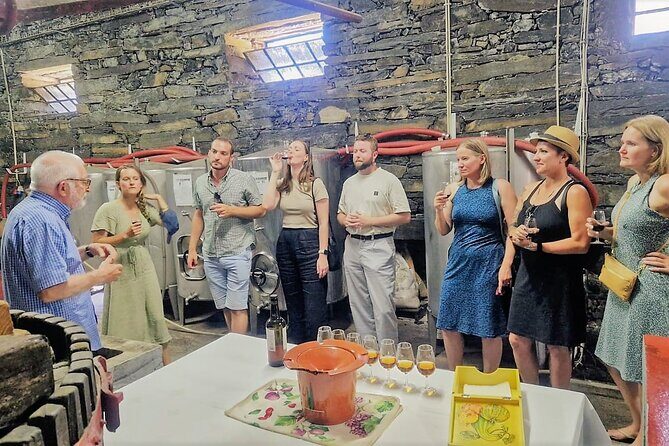
Porto tastes better with tapas. This wine tasting in the Orangerie at Boutique Maison Canto De Luz turns Douro Valley and Porto Port culture into something friendly and easy, with breaks in the garden or sunny terrace.
I love the setting: the orangerie feels like a calm pause from Porto’s streets, and the tasting happens in a small, boutique-style space. I also like the way the lineup stays focused and varied, not random: you’ll work through whites, rose, reds, and then a White Port.
One possible drawback to factor in: the room can run warm, and a couple of people noted that the AC didn’t really cool the space. If you’re heat-sensitive, aim for a cooler time of day.
In This Review
- Key things that make this tasting worth your time
- Douro Valley wines in Porto’s Orangerie setting
- The glass lineup: Douro whites, rose, reds, and Porto Branco
- Portuguese tapas pairing: cheese, cured ham, jams, and crackers
- What 90 minutes feels like: pace, comfort, and comparison
- Price and value: what $35 gets you in Porto
- Optional upgrades: 20-year Tawny and Ruby Reserva Port
- Boutique Maison Canto De Luz: where you’ll meet and why it matters
- Who this Porto wine and tapas tasting is for
- Practical tips to get more from every sip
- Should you book this Porto wine tasting?
- FAQ
- How long is the Porto Wine Tasting Experience?
- What’s included in the standard tasting?
- What does the tapas plate include?
- Can I upgrade to premium Port?
- Is transport included from my accommodation?
- What languages are offered for the tour?
- Is this experience suitable for children or pregnant women?
Key things that make this tasting worth your time
- Orangerie atmosphere in old Porto, with the option to relax in the garden or on a sunny day
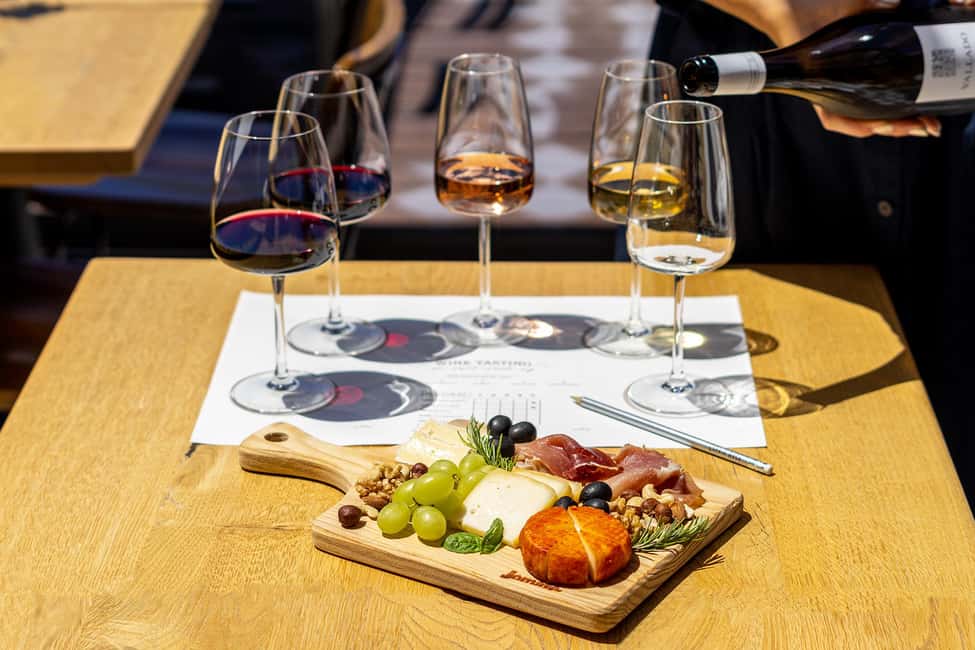
- A structured lineup: two Douro whites (two vintages), rose, two distinct reds, plus White Port (Porto Branco)
- Portuguese cured ham and local cheese paired with crackers and homemade jams
- Guides named in past sessions include Priscilla, Zuzanna, Hannah, Rita, Gaia, Greta, Nicole, Mackenzie
- 50ml pour style for most wines and a smaller 30ml Porto tasting helps you taste with intention
- You can add an upgrade at extra cost, including 20-year Tawny Port and Ruby Reserva Port
Douro Valley wines in Porto’s Orangerie setting
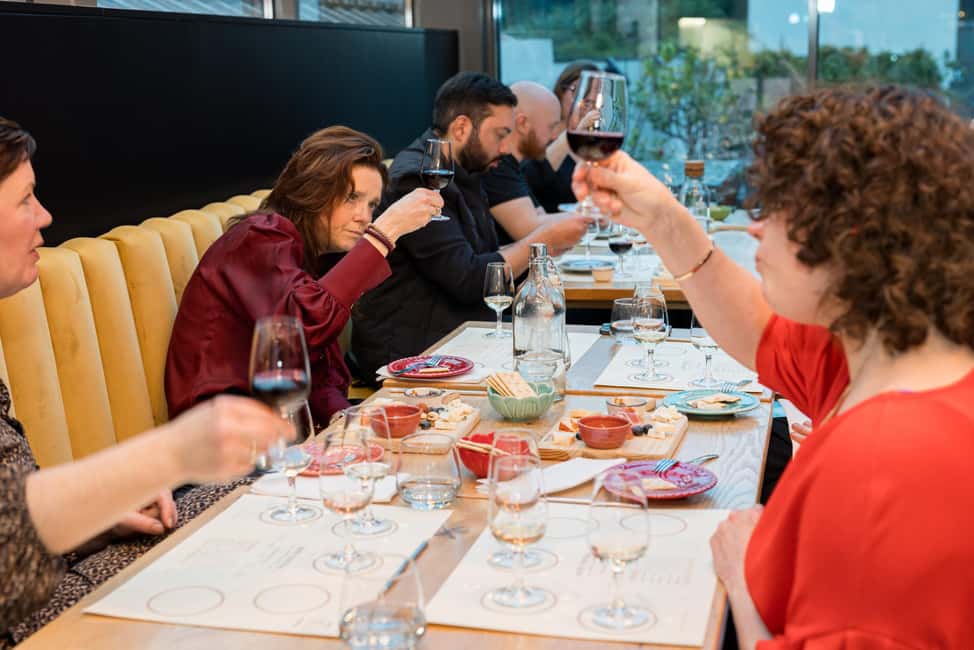
This experience is built around one idea: you don’t need a loud tasting room to learn something about Portuguese wine. The hosts welcome you in the Orangerie of Boutique Maison Canto De Luz, right in the heart of Porto’s old town, and the vibe is relaxed from the start. If the weather is kind, you can also linger outside in the garden—use that time. It keeps the whole thing from feeling like a rushed checklist.
The tasting is also a smart way to get grounded in Porto wine culture. You’re tasting from the Douro Valley (the source region behind most classic Ports), and you’ll get enough context to understand what you’re noticing in the glass—without turning it into a lecture marathon.
Most sessions run about 1.5 hours, which is a sweet spot. It’s long enough to learn the basics and compare wines side-by-side, but short enough that you can still have a full evening out in Porto.
You can also read our reviews of more tours and experiences in Porto.


The glass lineup: Douro whites, rose, reds, and Porto Branco
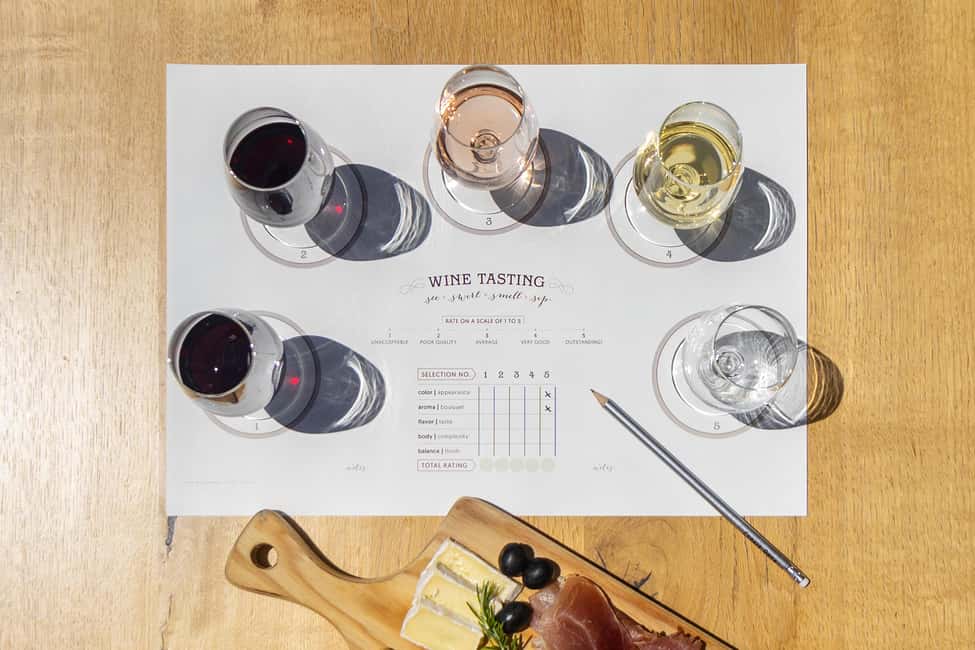
If you like tastings that have rhythm, this one does. You don’t just get one wine and a shrug—you get a sequence designed to help you notice styles.
Here’s what’s included in the standard tasting:
- Two vintages of Douro White (so you can compare how the vintage year shifts the profile)
- Douro Rosé
- Two distinct red wines (different enough to show how the category can vary)
- White Port (Porto Branco) in a smaller tasting pour
On the pour sizes, you get 50ml tasting glasses for the wine selections and 30ml for the White Port. That matters more than it sounds. A lot of tastings pour too much, and then everyone ends up chasing buzz instead of flavor. Here, the portion sizes are set up so you can actually taste, pause, and compare.
A few guides are known for walking guests through what to look for—how aroma and flavor develop, what pairing can highlight, and how production choices can show up in the bottle. In particular, several past hosts named in completed sessions emphasized explanation tied to the wines you’re drinking, rather than generic wine talk.
If you’re the type who wants to “get it” fast, this structure helps. By the time you reach the reds and the Port, you’ll already have a mental map of what you tasted earlier.
Portuguese tapas pairing: cheese, cured ham, jams, and crackers
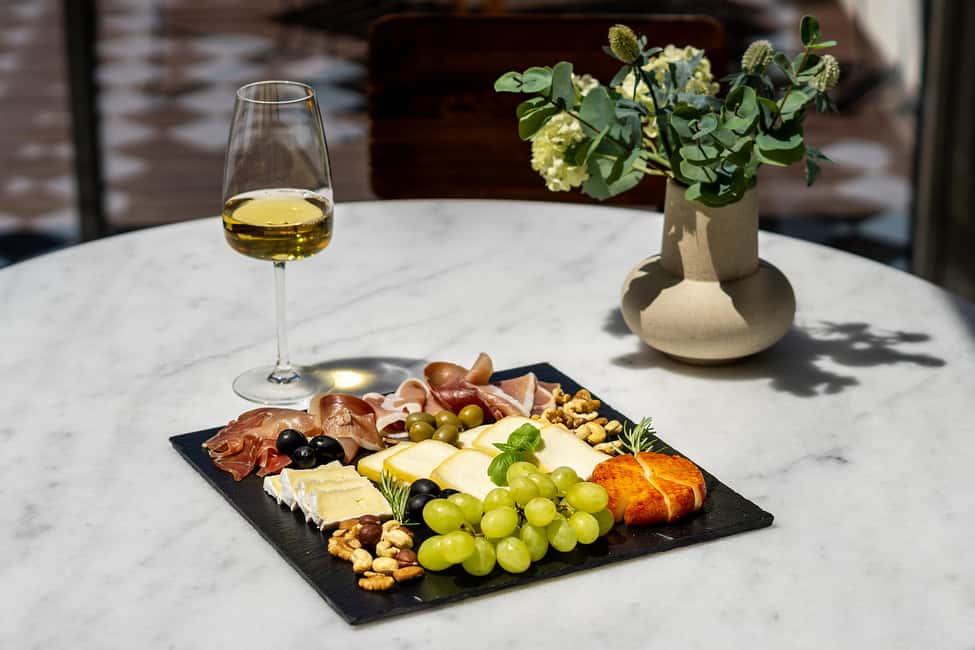
Wine tastes different when you add food. That’s the whole point of the tapas element here, and it’s done in a practical way.
You’ll be served a tapas plate that includes:
- Local cheese
- Portuguese cured ham
- Crackers/biscuits
- Homemade jams
People often focus on the wine, but this plate is what keeps the session enjoyable and not overly formal. Salt and fat from cured ham help reds feel rounder, while cheese gives you a bridge between the lighter wines and Port-style sweetness. The homemade jams are especially useful because they add a second flavor axis—fruitiness—so you can notice how a wine reacts when the food gets sweeter or more aromatic.
One nice bonus: the hosts can cater for gluten-free options, which means you’re less likely to sit out the food part of the experience.
And yes, the pairings can be more interactive than you’d expect. Multiple guides in past sessions were praised for pairing guidance—encouraging you to try the food with each wine and notice what changes. That’s where tastings turn from drinking into learning you can use later in Porto.
What 90 minutes feels like: pace, comfort, and comparison
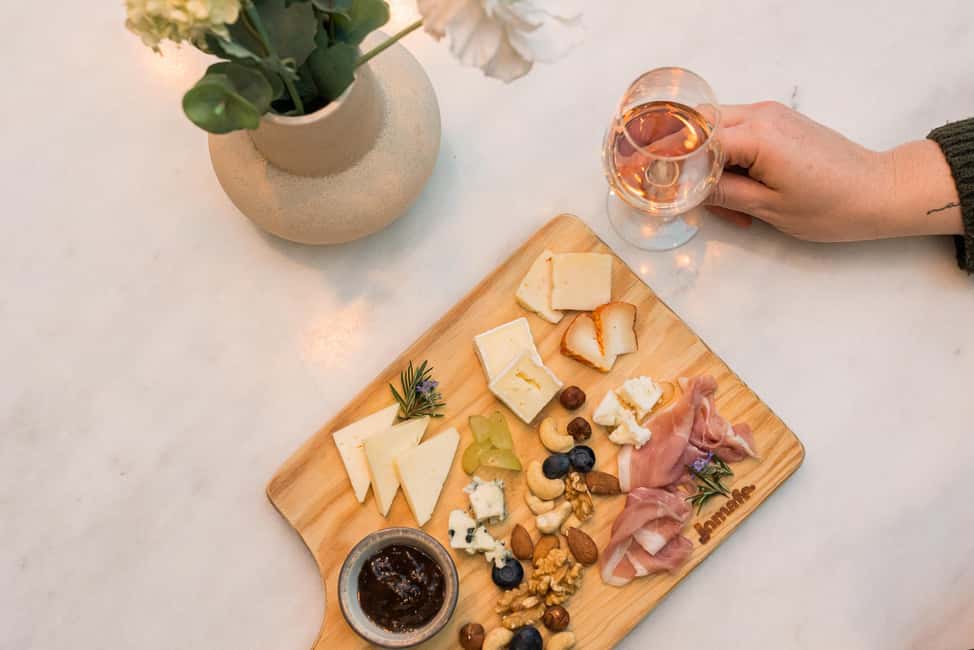
This isn’t the style of tasting where you rush from station to station. It’s closer to a guided sitting—taste, talk, compare—then taste again. In real-life terms, it’s built for people who want to enjoy Porto without doing homework first.
The venue choice helps too. The Orangerie setting makes it feel like an event you’re part of, not a factory line. Past guests highlighted the intimate atmosphere and the pleasant boutique feel, which matters because you’re spending a chunk of your day here.
Also, a couple of people noted the session size felt manageable. That tends to mean more questions get answered, and explanations don’t get swallowed by a big group dynamic.
One small thing to consider: if you’re arriving and the room is warm, you may feel it. If you’re sensitive to heat, pick a slightly cooler start time if you have options.
Price and value: what $35 gets you in Porto
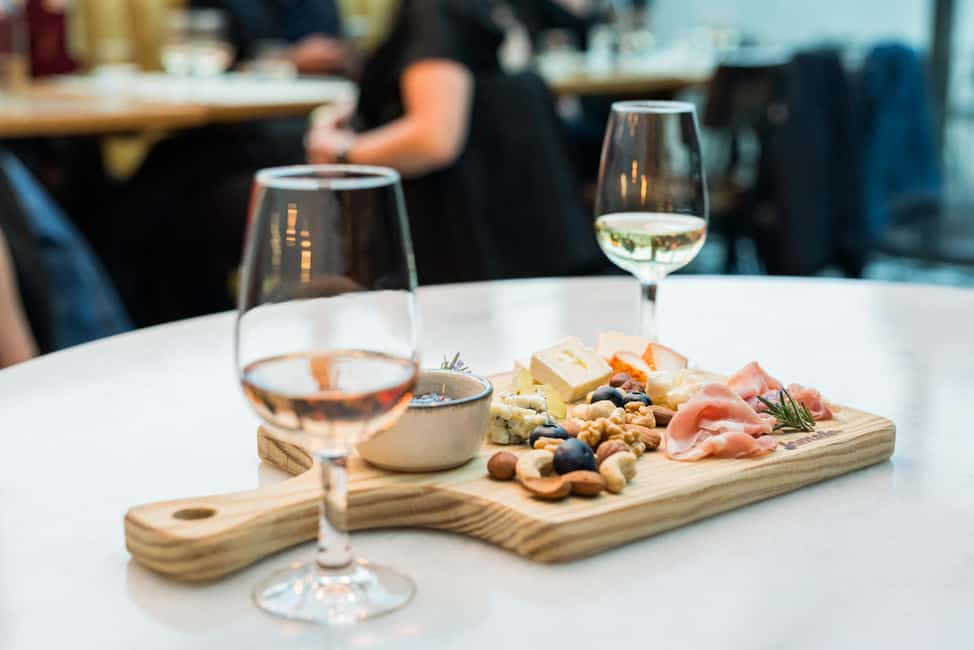
Let’s talk value, not just cost. At $35 per person, you’re paying for:
- A guided tasting experience focused on Douro Valley wines
- A full tapas plate (cheese + Portuguese cured ham + crackers + jams)
- Proper tasting glass pours (with ml amounts that discourage overpouring)
- A chance to compare wines, not just sample
In most parts of Europe, you’ll find tastings that charge a similar amount for a smaller food component or fewer pours. Here, the inclusion of tapas changes the math. You’re not only tasting; you’re eating alongside it, which makes the experience feel more like a meal-sized activity than a quick drink.
You’re also learning something you can take into the rest of your trip. If you plan to visit wineries or Port tastings later, having a framework helps you separate hype from what you personally like.
That said, it’s still a tasting, not a full winery tour. If your idea of value is scenery, buses, and vineyard walks, you might want a different kind of excursion. But if you want a high-quality intro to Portuguese wine culture in a comfortable central location, this is a strong deal.






Optional upgrades: 20-year Tawny and Ruby Reserva Port
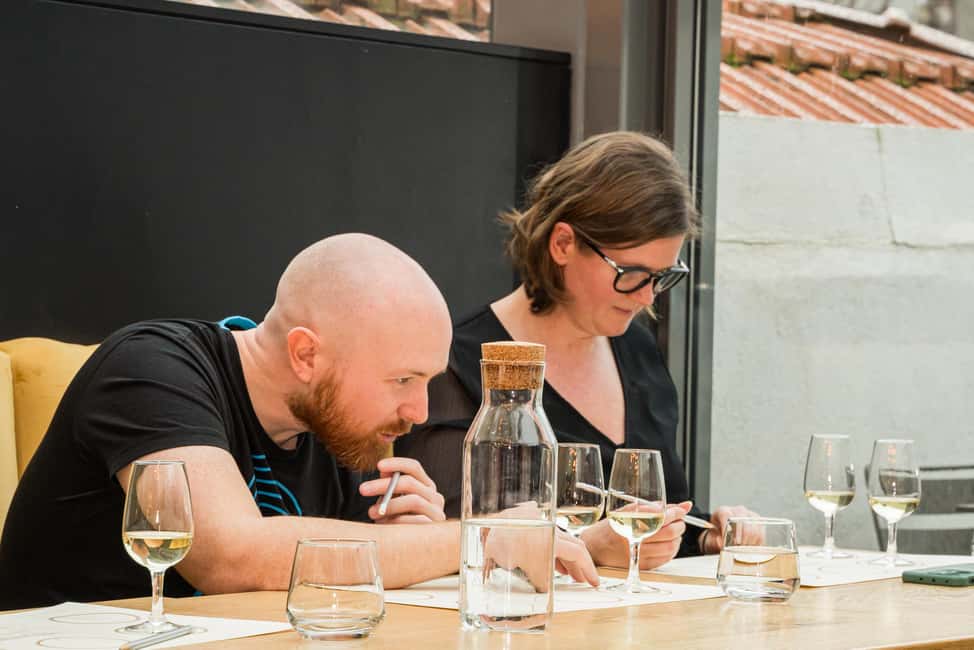
Want to level it up? There’s an upgrade option at extra cost that adds:
- 20-year Tawny Port
- Ruby Reserva Port
This upgrade is where the session can shift from an introduction to a deeper Port-focused tasting. The base tasting already includes White Port, but Tawny and Ruby bring different styles and different clues about aging and grape expression.
One practical tip: if you’re not sure whether you’ll like Port, start with the base lineup. You’ll taste Port style in a less intense way first (White Port), and only then decide if you want to spend more.
If you do upgrade, go slower than you think you should. Ports can stack sweetness and alcohol perception quickly, and the goal is to notice the differences, not just taste a lot.
Boutique Maison Canto De Luz: where you’ll meet and why it matters
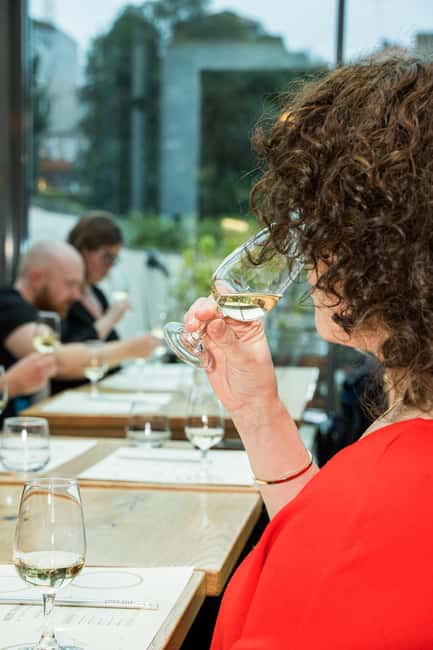
Meeting point is Boutique Maison Canto De Luz, and that location choice pays off. You’re in Porto’s old town, so after the tasting you’re not stranded with a long transfer plan.
The venue itself is part of the charm—past guests described it as a quiet, beautiful boutique setting, with a terrace/garden feel when the weather works. That’s a big deal for a wine experience. You don’t want to spend your only wine appointment in a bare room with no place to reset.
One caution based on previous experiences: the entrance may not be obvious from the street. If you’re navigating independently, arrive a few minutes early and have a clear way to match the building name.
Also, the team often shares Porto advice alongside the wine talk. Several guides were praised for recommendations for what to eat and see—sometimes even marking a map. If you’re going to ask one question, ask for the best local food plan for the rest of your day.
Who this Porto wine and tapas tasting is for
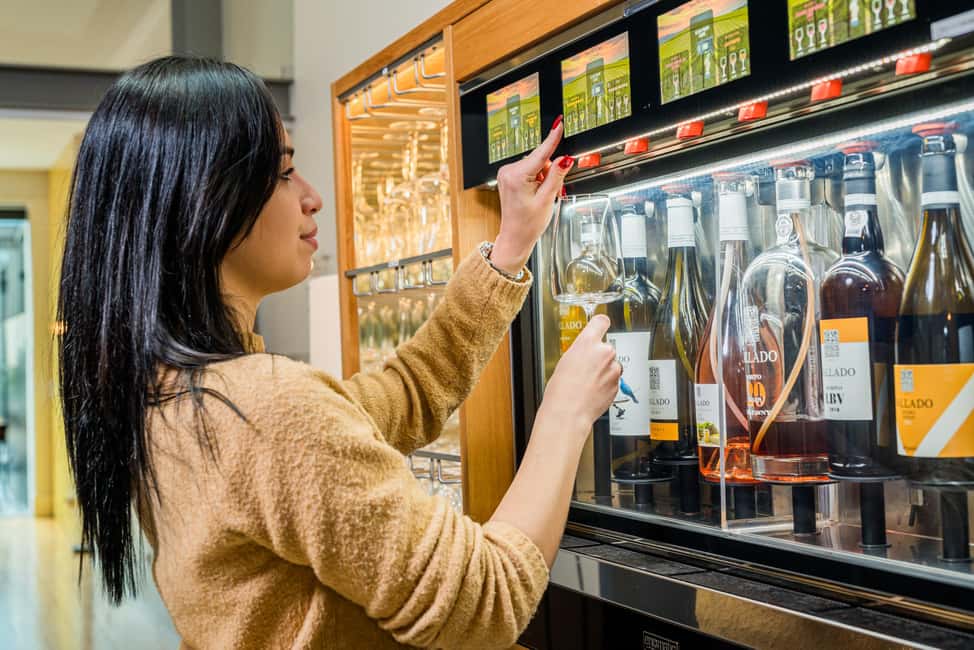
This works best if you want:
- A guided intro to Douro wines and Port basics
- A relaxed setting in central Porto
- Food pairing that feels genuinely Portuguese (cheese + cured ham + jams)
It’s especially good for couples and small groups because the space feels intimate and the pacing keeps you engaged. It’s also a strong choice if you’re a first-timer to Portuguese wine. Multiple hosts were praised for explaining at the right level, so you don’t need to show up with wine jargon.
If you’re traveling with kids (under 18) or you’re pregnant, note that it isn’t suitable. And if you don’t drink much wine, this might still be worth considering only if you enjoy tasting lightly and focus on the food pairings—though the event is clearly centered on wine and Port.
Practical tips to get more from every sip
A few small moves can make a big difference in how much you take away from this tasting:
- Go with curiosity, not expectations. The wines include a mix of whites, rosé, reds, and White Port, so you’ll likely find at least one you enjoy.
- Taste in order, then revisit in your mind. Even if you don’t do a formal score, compare the first white to the second vintage. That’s where you learn the most quickly.
- Use the tapas as your tasting tool. Put cheese with a wine you liked, then try the cured ham with something you didn’t like at first. Food changes perception.
- Ask which pairing is best for each wine. Guides have been praised for that exact approach—pairing suggestions tied to the tasting glass.
- If you feel overheated, slow down. The session is short enough to adjust pacing without losing the whole experience.
Finally, if you’re the type who likes to plan, do this early in your Porto trip. A good host can give you food and sightseeing guidance that improves your next day’s choices.
Should you book this Porto wine tasting?
Book it if you want a central, relaxed way to understand Portuguese wine and Port without committing to a full-day tour. For $35 with wine + tapas in an Orangerie-style boutique setting, it’s a solid value—especially if you care about learning through comparison.
Skip it (or consider something else) if you want vineyard scenery, transportation by a tour vehicle, or a heavy dose of Port history as a standalone focus. This is about tasting and pairing in Porto, not a big logistical day trip.
If you do book, choose this as a highlight event. It’s the kind of activity that can give you both a fun evening and a clearer sense of what to order when you’re not with the guide.
FAQ
How long is the Porto Wine Tasting Experience?
The tasting lasts 1.5 hours.
What’s included in the standard tasting?
You’ll taste a selection of Douro Valley wines including two vintages of Douro White, Douro Rosé, two red wines, plus White Port. You also get a tapas plate with local cheese and Portuguese cured ham, along with crackers and homemade jams.
What does the tapas plate include?
The included tapas plate features local cheese and Portuguese cured ham, plus crackers/biscuits and homemade jams.
Can I upgrade to premium Port?
Yes. There’s an optional upgrade to add 20-year Tawny Port and Ruby Reserva Port at an extra cost.
Is transport included from my accommodation?
Transport is not included. The provider can optionally collect you and return you within Porto’s metropolitan area for an additional fixed cost.
What languages are offered for the tour?
The instructor speaks English, Spanish, and Portuguese.
Is this experience suitable for children or pregnant women?
No. It is not suitable for pregnant women or children under 18.