REVIEW · PORTO
Porto: Highlights in 3 Hours E-Bike Tour
Book on GetYourGuide →Operated by CICLO EBIKES | Premium Electric Bikes · Bookable on GetYourGuide
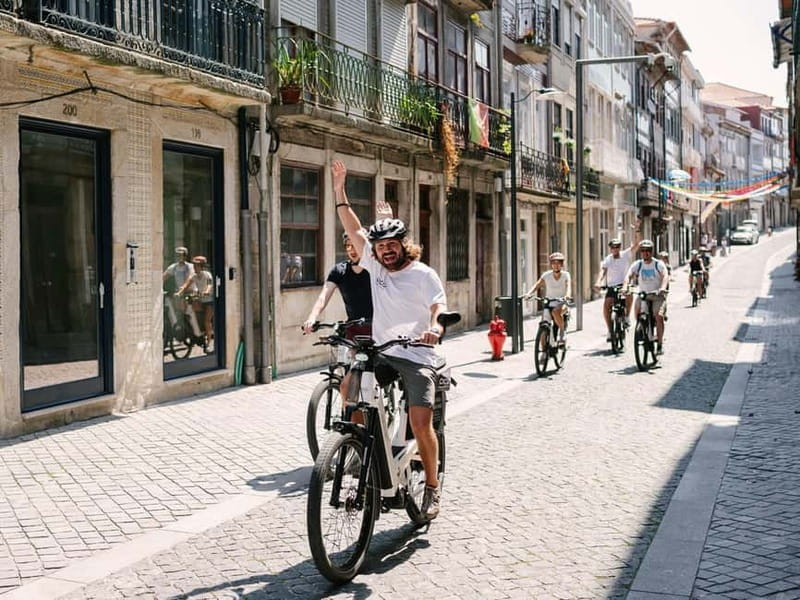
Porto is hilly, so this smart ride really helps. This 3-hour highlights loop uses a Bosch motor and a smooth Riese & Muller e-bike setup to help you cover about 13 km/8 miles while still stopping for photos and explanations. You’ll move from Gaia’s riverfront viewpoints over to Porto’s famous center, and you’ll get context for what you’re seeing as you go.
Two things I especially like: you get a local perspective (the guide is Portuguese) that turns landmarks into stories, and you get standout “photo + pause” moments at places like São Bento Station and the Clérigos area without burning time walking up and down steep streets. One consideration: Porto shares many roads with cars and has steep sections, so you’ll want to feel comfortable riding a bike in traffic.
In This Review
- Key things you’ll notice on this Porto highlights e-bike tour
- Getting Your Bearings Fast on Porto’s Steep Streets
- The E-Bike Setup: Why Bosch Power Matters Here
- What You’ll Cover: 13 km in 3 Hours, With Strategic Pauses
- Stop 1: CICLO EBIKES and Getting Comfortable Before You Roll
- Gaia First: Cais de Gaia and the Serra do Pilar Views
- Porto Cathedral Area: A Quick Hit With Big “Old City” Payoff
- São Bento Station Inside: The Blue Tile Moment You’ll Remember
- Avenida dos Aliados and Clérigos Tower: Porto’s Center Meets the Hills
- Jardins do Palácio de Cristal: Where the Ride Turns Scenic
- Ribeira and the Bridges: The Douro Moment That Makes Porto Feel Like Porto
- Back to CICLO EBIKES: When Your Legs Appreciate the System
- Price and Value: Is $53 Worth It?
- Who This Tour Fits Best (and Who Should Skip It)
- Should You Book This Porto Highlights E-Bike Tour?
- FAQ
- How long is the Porto highlights e-bike tour?
- How far do you ride during the tour?
- What’s included with the tour price?
- Do I need to pay for tickets or food during the tour?
- What language is the live guide?
- Is it suitable for everyone who wants to ride?
Key things you’ll notice on this Porto highlights e-bike tour
- Bosch-assisted Riese & Muller bikes that make the climbs feel manageable
- A tight 3-hour loop that covers Porto and parts of Gaia at an easy pace
- Photo-stop viewpoints plus a real interior visit at São Bento Station
- Steep-city realism: you’re biking on streets, not a closed course
- Small groups (up to 10) that usually keep the ride organized and safe
Getting Your Bearings Fast on Porto’s Steep Streets
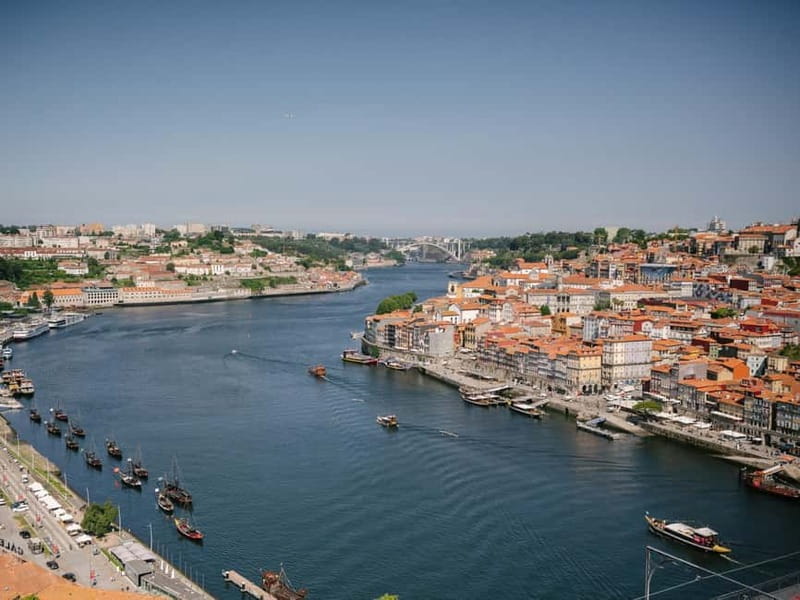
Porto can feel like a maze at first, especially when you hit a hill and realize you’re not just sightseeing—you’re hauling yourself up the side of a river city. This tour is built for that moment. With an e-bike and a guide pacing the group, you’ll get oriented quickly: where the river is, where the big monuments sit, and how neighborhoods connect without you spending half your day walking.
I also like that the tour doesn’t just point at famous places. It helps you understand why they matter, so things click. You’ll hear local history and practical city context while you’re riding, which is a much better learning setup than trying to read plaques later when your legs are done.
The tour is also a good “first day” choice. You’ll come away knowing which streets feel most worth revisiting on foot later.
You can also read our reviews of more tours and experiences in Porto.

The E-Bike Setup: Why Bosch Power Matters Here
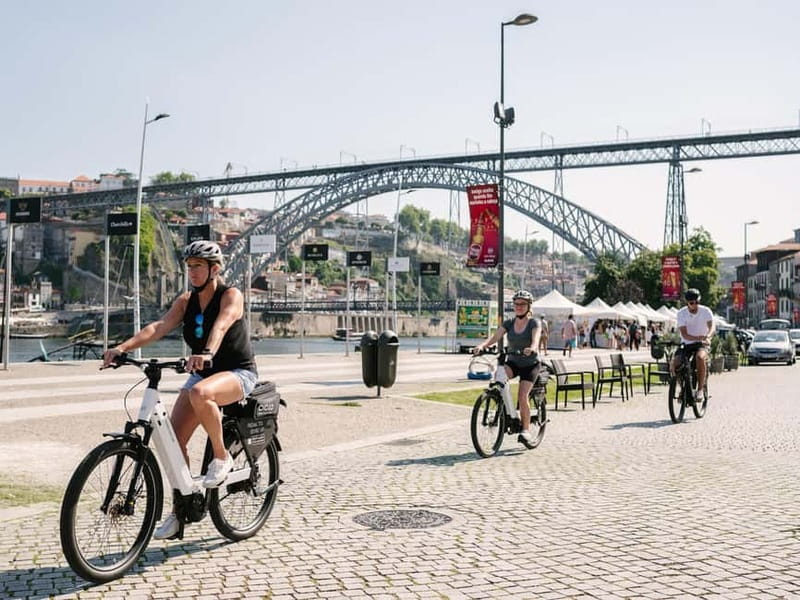
The included Riese & Muller electric bikes use a Bosch motor. That’s not a luxury detail for show—it’s what makes a 3-hour “highlights” ride realistic in Porto. The bike assistance helps you keep a steady pace up and down hills without turning every climb into a workout you didn’t plan.
You’ll also be dealing with a city that has limited bike infrastructure. The good news: the guides handle the flow. You’ll ride in a small group (limited to 10 participants), and the tour’s structure uses short stops and planned movement so you’re not lingering in tricky spots.
A practical tip: you should be ready for the feel of urban riding. Some roads will be busier than others, and you’ll need to pay attention even when the bike is doing the heavy lifting. If you’re a nervous bike rider, tell the guide right away and take it slow—part of the success here is matching your comfort level to the group.
What You’ll Cover: 13 km in 3 Hours, With Strategic Pauses
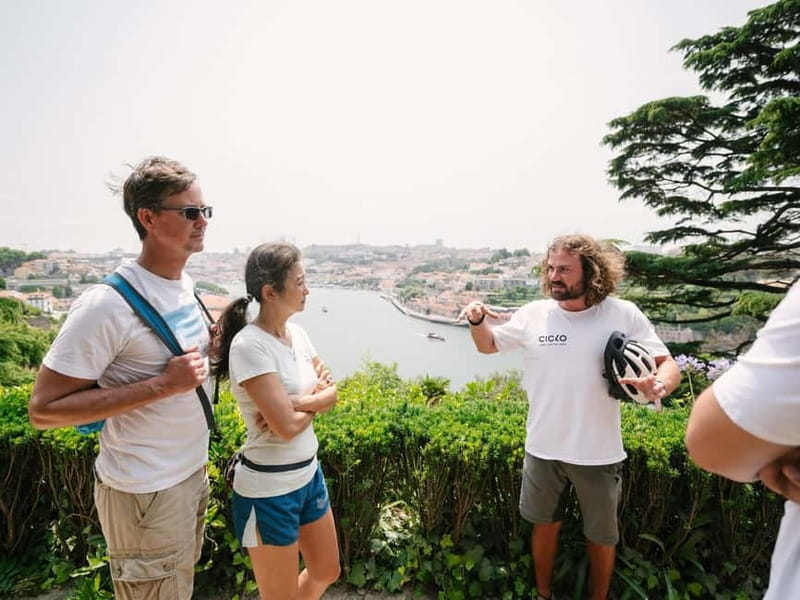
A lot of “highlights” tours fail because they try to do too much without time to look. This one balances motion with meaningful stops. You’ll cover roughly 13 km/8 miles, and the itinerary uses a mix of:
- Photo stops for viewpoints (quick, high-impact)
- Pass-bys for iconic streets or bridges (you’ll see them clearly but don’t stall the group)
- Visit stops where it’s worth slowing down
That last category matters. Seeing São Bento Station’s interior blue tiles in person is the kind of stop you can’t replicate from outside. And gardens like the Palácio de Cristal area are more enjoyable when you actually get time there instead of just riding past.
Stop 1: CICLO EBIKES and Getting Comfortable Before You Roll
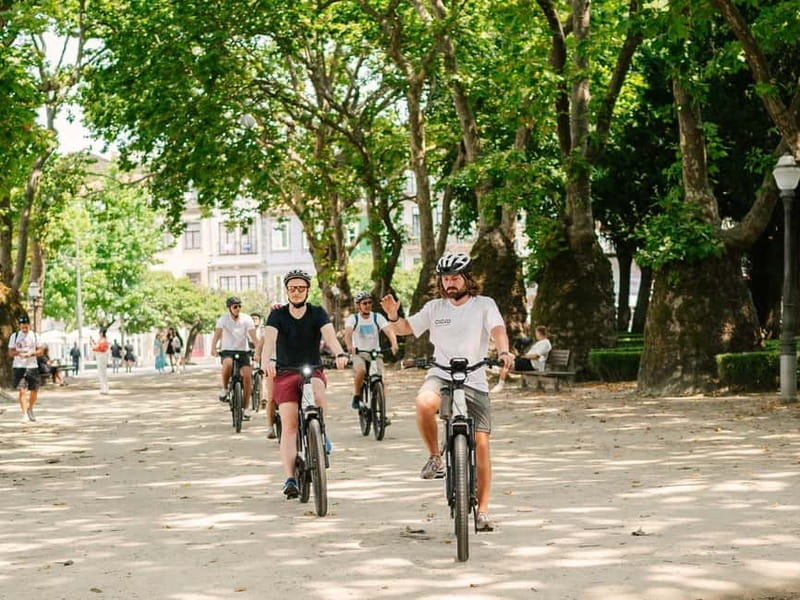
You’ll meet your guide at CICLO EBIKES, the bike shop stop that’s easy to spot from the street with a yellow flag outside the door. This is where the tour “sets you up” for success: helmet on, bike fitted, and basics explained so you can get moving with confidence.
This matters more than it sounds. Reviews highlight how smooth the bikes are to learn and how patient guides are with the group. You should expect instruction before you start climbing the city, not after you’re already half committed.
Wear comfortable clothes and shoes you can walk in if you need to step off briefly at a viewpoint. If you haven’t ridden an e-bike before, give yourself a few minutes at the start to settle into the pedal-assist feel. Once it clicks, the rest of Porto feels far less intimidating.
Gaia First: Cais de Gaia and the Serra do Pilar Views
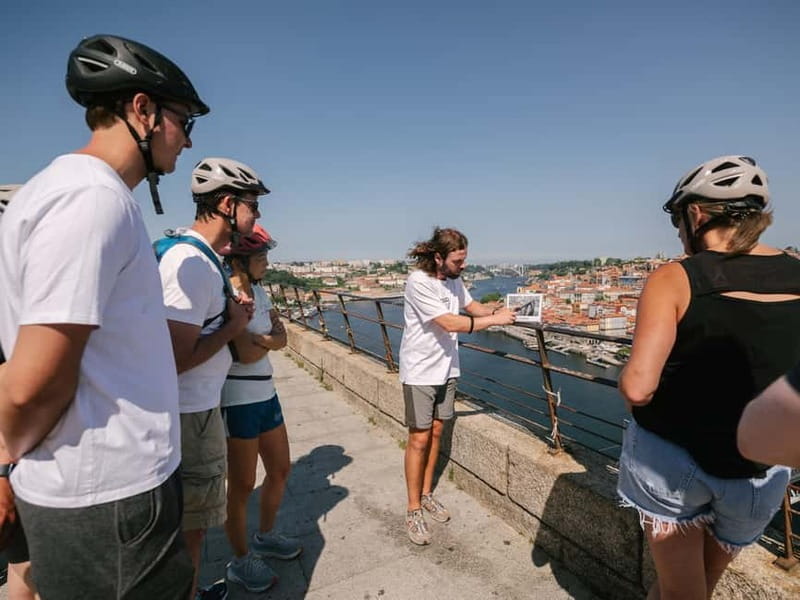
The tour begins heading to the Cais de Gaia (Vila Nova de Gaia) for a photo stop and sightseeing moment. This is a classic strategy: you start with river views so the entire Porto geography becomes easier to understand. You’ll see the Douro from a vantage that makes the rest of the route look logical, not random.
Next comes Mosteiro da Serra do Pilar. You’ll get another photo stop and sightseeing time. Even if you only catch it in passing, the setting tells you a lot about why people built here. It’s one of those places where the architecture and the hilltop location work together.
There’s also Ponte do Infante, where you’ll mainly pass by. The advantage here is perspective. From the bike you can get a clean look and then move on quickly, rather than spending time trying to park yourself somewhere on foot.



Porto Cathedral Area: A Quick Hit With Big “Old City” Payoff
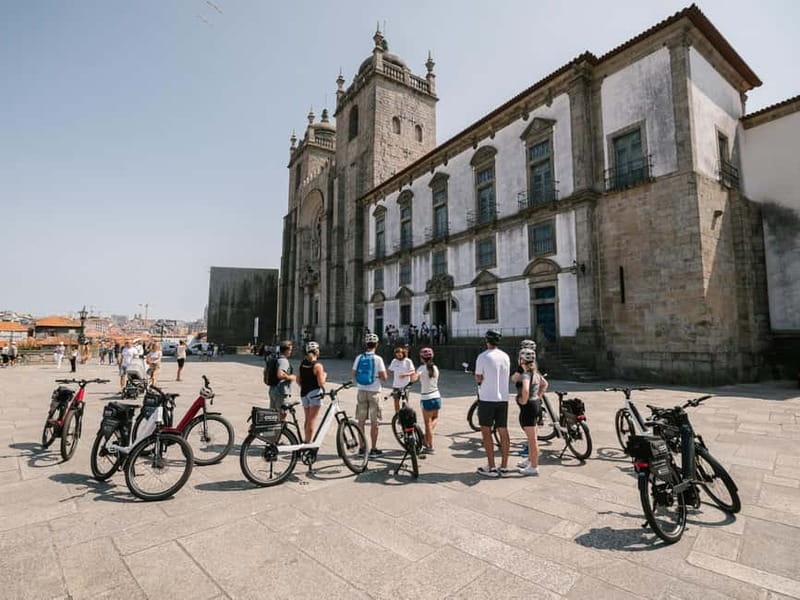
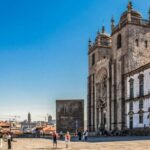
At Porto Cathedral, you’ll stop for a photo opportunity and sightseeing time. This is one of those moments where the city’s layers show up fast—religious architecture, old streets, and the sense that Porto’s core grew over centuries rather than being built all at once.
The downside? Time is limited. If you’re the type who wants long interior visits at every church, this tour isn’t built for that. It’s built to point you toward what’s worth a longer visit later. Treat this as a taste.
São Bento Station Inside: The Blue Tile Moment You’ll Remember
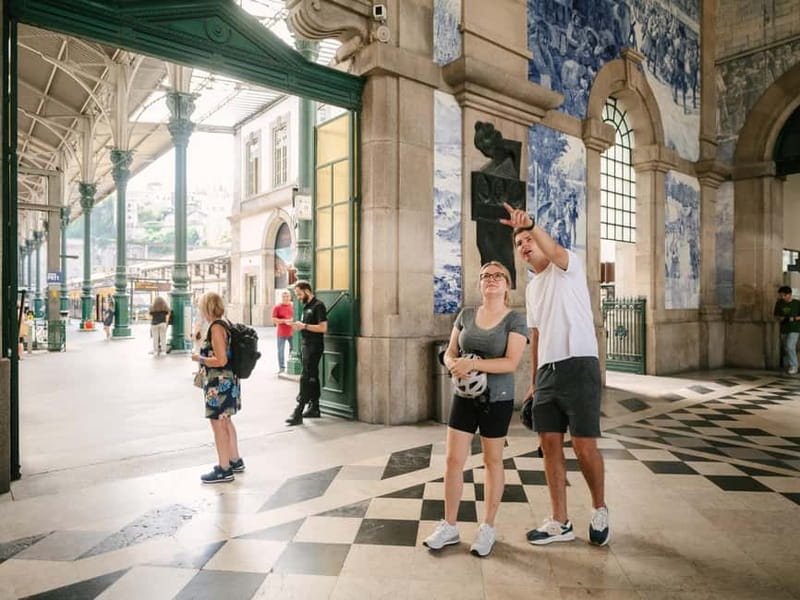
Then you get to São Bento Station, which is where the tour really earns its keep. You’ll have a photo stop plus a visit/sightseeing break. If you’ve only seen images online, this is your chance to experience the scale and detail in person.
Reviews consistently praise this type of stop because it’s a perfect “pause” during an active tour. You get something iconic without losing hours. And because you’re there as a group, you don’t have to figure out timing or what to look for—you can just enjoy it.
Also, this is a good example of how the ride creates value. Without the e-bike, many people would either skip this area or trade it for a faster walk-and-move schedule. Here, biking gets you to the doorstep, and then you actually get to look.
Avenida dos Aliados and Clérigos Tower: Porto’s Center Meets the Hills
After São Bento, you’ll ride past Avenida dos Aliados. It’s marked as a pass-by, but it’s still useful. This avenue is a central “spine” of Porto, and seeing it from the bike helps you understand where the city’s main energy flows.
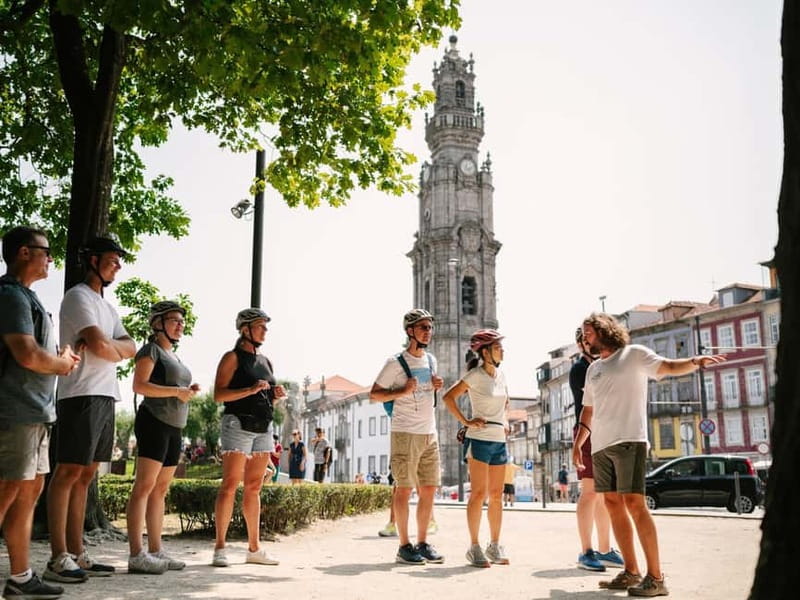
Next is Clérigos Tower, with a photo stop and sightseeing time. This is where you’ll feel the emotional pull of Porto’s skyline. The tower stands out, and the view angles you get from the bike ride help you frame it rather than just staring at it from one spot.
One practical point: this area can be busy. Even with an organized guide, you may encounter crowds near the stops. The small group format helps keep the movement smooth.
Jardins do Palácio de Cristal: Where the Ride Turns Scenic
Now you reach Jardins do Palácio de Cristal for a visit and sightseeing time. Gardens are a smart break in a bike tour because they let you slow down visually while still being near iconic Porto views.
This stop also balances the trip. You’ve seen hard city edges—stations, cathedrals, towers—and now you get a softer pause. It’s not just a scenic “bonus.” It helps you understand how Porto offers viewpoints at many different heights.
If the weather is mild, this is one of the best spots to take your time. If the day is windy or rainy, you’ll likely prefer keeping the visit shorter and getting back to the bike comfort level.
Ribeira and the Bridges: The Douro Moment That Makes Porto Feel Like Porto
Next you’ll pass by Ribeira in Porto. Ribeira is one of those places that’s worth seeing even if you don’t spend a long time there on the bike. You’ll get a clear sense of the riverfront bustle and the way the city hugs the water.
Then comes Dom Luis Bridge, also marked as a pass-by. Bridges are always “picturesque” but they’re also practical landmarks. From the bike route, you’ll see how neighborhoods connect and how Gaia and Porto play off each other across the Douro.
This section is a good reminder of why the tour is designed with e-bikes. On foot, this kind of riverfront-to-hills movement is slower and more tiring. On a bike, you can see the key visual relationships without paying the time penalty.
Back to CICLO EBIKES: When Your Legs Appreciate the System
You’ll finish by returning to CICLO EBIKES, ending back at the meeting point. This is the nice part: your tour energy is spent on sightseeing, not on trying to “out-walk” hills.
The bikes come with a trunk bag for small belongings and helmet + bottled water are included. That’s useful because it keeps you from having to manage extra stuff during stops.
If you’re doing this on your first day, you’ll likely end the tour with a short list of places you want to revisit later—maybe for a longer look, maybe for a meal nearby, maybe just because the views make you want to linger.
Price and Value: Is $53 Worth It?
At $53 per person for about 3 hours, this is priced like a real guided activity, not a casual “walk and talk.” Here’s why it can still feel like good value.
You’re paying for:
- A high-quality electric bike (Riese & Muller) with Bosch assist
- Guide time focused on route pacing and explanations
- Helmet, bottled water, and a trunk bag
- A route that reaches viewpoints and hills without requiring lots of physical effort
The big value isn’t just convenience. It’s time. Porto’s steep streets can eat an entire afternoon. On this e-bike route, you cover more ground and see the areas that usually take longer to reach by foot. For many people, that’s the difference between hitting the highlights on day one and spending the first day stuck in transportation or stair-survival mode.
Also, the included stops are the right mix: you get iconic views and at least one meaningful interior moment (São Bento Station), not only external photo ops.
Who This Tour Fits Best (and Who Should Skip It)
This is a great match if you:
- Want a first-day orientation to Porto
- Like structured sightseeing with short stops
- Are comfortable riding a bike and can handle street riding with cars
- Want help with hills without giving up control of your pace
It’s less of a match if you:
- Can’t ride a bike
- Have mobility limitations that affect biking comfort
- Fall outside the stated constraints (not suitable for people under 4 ft 9 in / 150 cm, or over 75 years)
- Are looking for a fully car-free, bike-lane-only experience
One more honest note: even with e-bikes, weather matters. Extreme conditions can lead to cancellation, and rainy or windy days can make riding less comfortable. The good side is that guides tend to be safety-focused, and the smaller group size helps when conditions turn.
Should You Book This Porto Highlights E-Bike Tour?
I’d book it if your goal is to see Porto efficiently and get real context as you ride. The Bosch-assisted bikes, small-group format, and the specific pairing of viewpoints with a visit at São Bento Station make this more than just a quick ride. It’s an efficient way to understand Porto’s layout: riverfront, central streets, hilltop perspectives, and the iconic landmarks that shape how the city feels.
Skip it if you’re not confident riding on streets with traffic, or if you want long, slow museum-style stops. This tour is built for movement with smart pauses, not for hours of wandering.
If you want an easy way to get your bearings in a hilly city, this is a strong choice—and one you’ll feel the rest of your trip, because now you know where everything is.
FAQ
How long is the Porto highlights e-bike tour?
It runs for 3 hours.
How far do you ride during the tour?
The total route covers about 13 km (8 miles).
What’s included with the tour price?
Included are a Riese & Muller electric bike, helmet, bottled water, and a trunk bag for small belongings.
Do I need to pay for tickets or food during the tour?
Entrance tickets and food are not included.
What language is the live guide?
The tour is guided live in English.
Is it suitable for everyone who wants to ride?
It’s not suitable for people who can’t ride a bike, people with mobility impairments, and it has height and age limits (not suitable under 150 cm, or for people over 75).