REVIEW · PORTO
Porto: Half-Day Jewish Tour
Book on GetYourGuide →Operated by AtWill · Bookable on GetYourGuide
Porto has more Jewish footprints than you expect. This half-day walk links Sephardic legacy to real streets, using toponymic and archaeological traces that survived for centuries. I like how it’s more than dates: you get a story-driven route through Porto’s old layers, with lively guidance from people such as João—warm, curious, and ready for questions.
I also love the balance of scale and detail: you cover the big turning points (like the 1496 King’s Expelling Order and the Inquisition) while still paying attention to small, place-based clues you’d miss on your own. The other win is the way the guide connects survival and change, including centuries of hiding and the later restoration connected to Captain Barros Basto.
One consideration: it’s a moderate walking tour in all weather, and it’s not suitable for wheelchair users or people with mobility limits, so pace yourself and wear grippy shoes.
In This Review
- Key highlights you should care about
- Meeting at Sé Cathedral: start where Porto’s layers overlap
- Largo do Terreiro and the feeling of the old city quarter
- Ribeira and Miragaia: Douro views with a sharper backstory
- Parque das Virtudes viewpoints and Mosteiro de São Bento da Vitória moments
- Clérigos Tower pass-by: reading a postcard landmark differently
- Kadoori Mekor Haim Synagogue and the Jewish Quarter storyline
- Barros Basto: the Portuguese Dreyfus thread that changes the ending
- Finishing at Porto São Bento: a smooth landing for the rest of your day
- Price and value: what $75 buys you in 3 hours
- Walking pace, weather, and how to enjoy the route
- Who should book this Porto Jewish quarter tour
- Should you book this Porto Half-Day Jewish Tour?
- FAQ
- How long is the Porto Jewish tour?
- Where do I meet the guide?
- Is the tour in English?
- Does the price include entrance fees?
- How much walking is involved?
- Is the tour private?
- What topics does the tour cover?
- Will the tour run in bad weather?
- Can I get a refund if I cancel?
Key highlights you should care about
- A guide-led street walk that explains how Jewish life left traces in Porto’s geography
- Sephardic legacy plus the hard chapters: the Inquisition and persecution of new Christians
- Signature Porto sights you can see on foot, including the Clérigos Tower area
- Kadoori Mekor Haim Synagogue and the Jewish Quarter as part of the core story
- Captain Barros Basto, often compared to the Portuguese Dreyfus, for a hopeful ending note
- 3 hours that end in a practical spot near Porto São Bento for easy next steps
Meeting at Sé Cathedral: start where Porto’s layers overlap
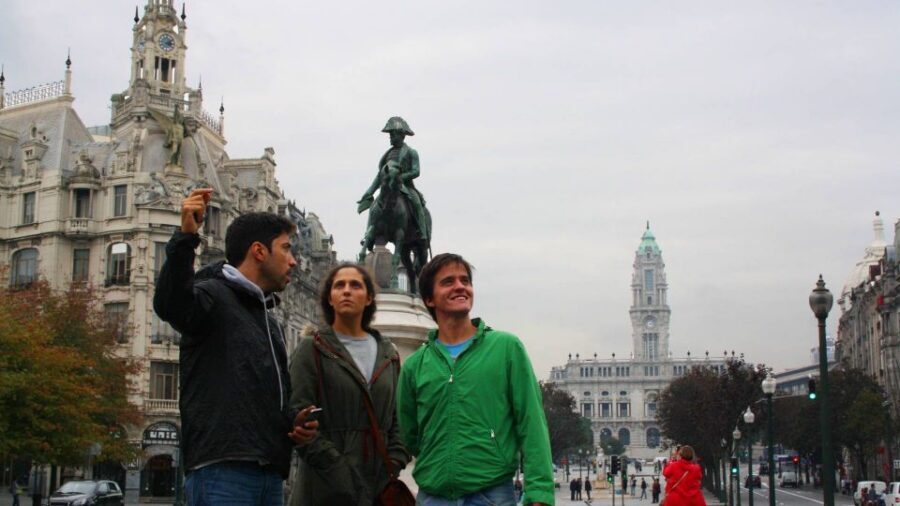
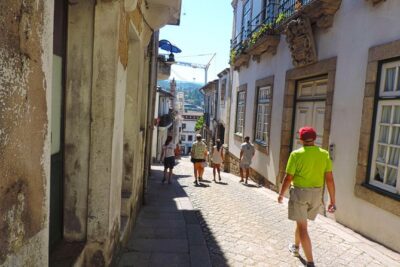
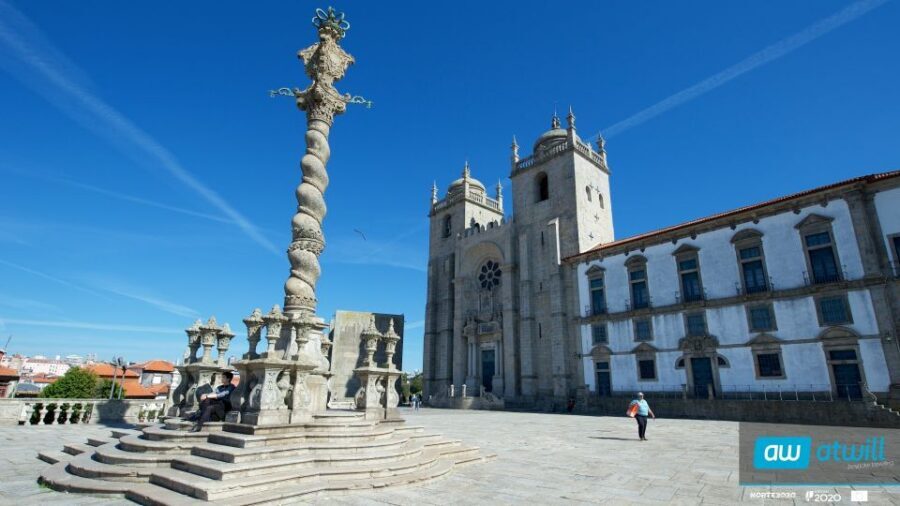
Your tour begins at the Sé Cathedral area, right next to the Vimara Peres statue. This is a smart starting point because it puts you in the historic center fast, without wasting time on long transfers. Even if you’ve been to Porto before, this neighborhood tends to feel like the city’s older spine—tight streets, strong viewpoints, and buildings that look like they’ve been watching everyone come and go.
From the jump, the tour is designed to train your eyes. Instead of sweeping you past monuments like a sightseeing checklist, the guide points out how Jewish life in Porto is readable in the city itself. You’ll hear about where the community once lived, and how clues stayed behind even when practice was forced underground for generations.
If you’re the type who likes to understand a place rather than just photograph it, you’ll do well here. Come with a curious mindset and don’t be afraid to ask questions as you go. If your brain wants names, dates, and places connected in one thread, this format fits.
You can also read our reviews of more tours and experiences in Porto

Largo do Terreiro and the feeling of the old city quarter
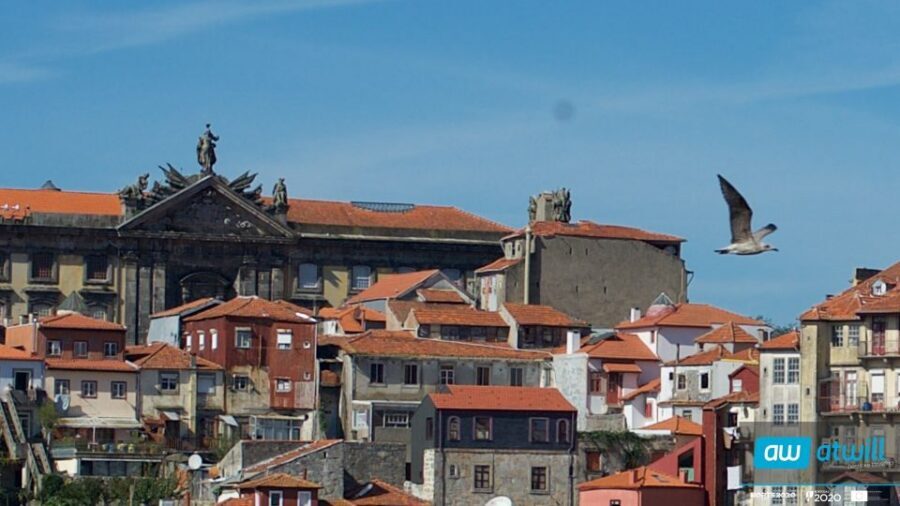
After the start, you head toward Largo do Terreiro for guided walking and sightseeing. This part of the route helps you get your bearings quickly. It also sets up a key idea of the tour: the Jewish presence in Porto isn’t only about one building or one museum stop. It’s also about language, street names, and physical remnants that can still guide you today.
The guide’s job here is to slow your attention down. You’re not just moving through space; you’re learning how to read a map the way a historian does—watching for toponymic clues, and listening for the small details that point to where communities lived, worked, worshiped, and adapted.
There’s also a simple practical benefit: you get a concentrated overview of the route early on. That means when you later reach bigger landmarks like Clérigos Tower, you’ll understand them as part of the same city story rather than random postcard stops.
Ribeira and Miragaia: Douro views with a sharper backstory
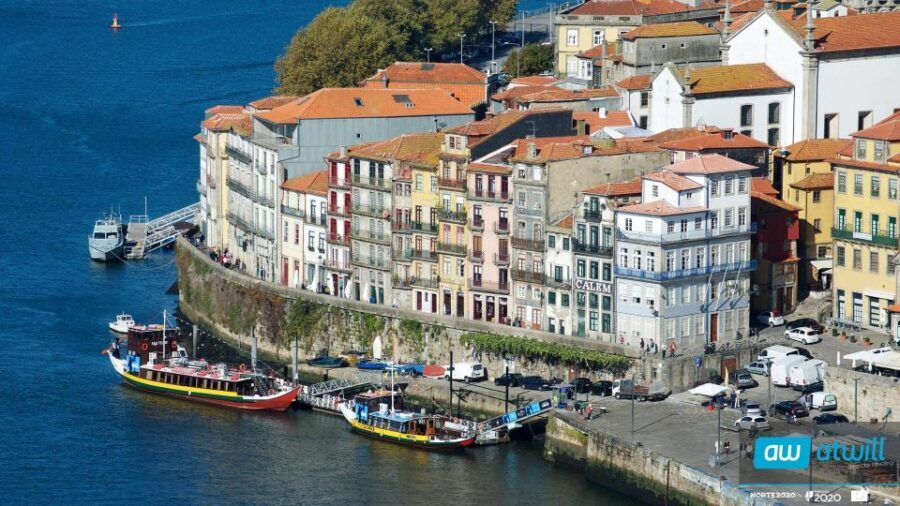
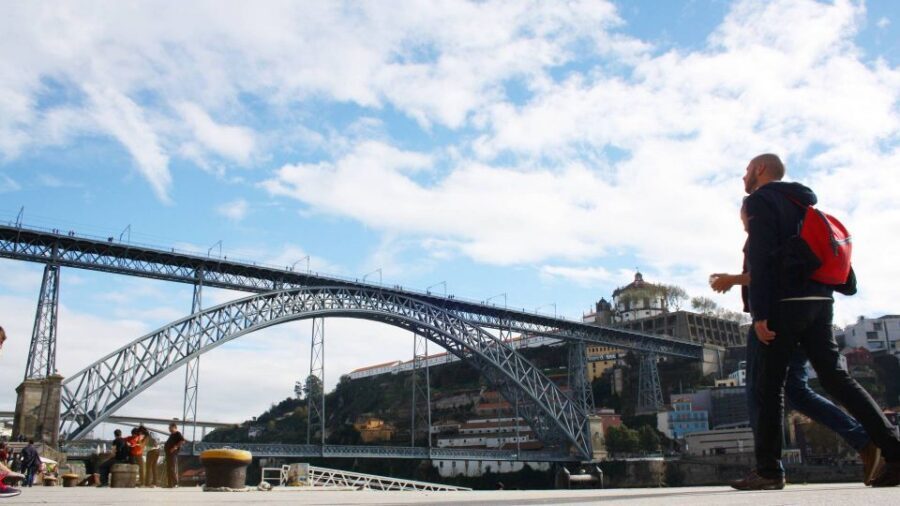
Next, you walk through Ribeira and Miragaia—areas that are gorgeous for the simple reason that they sit close to the Douro and bend around the old urban fabric. On a sunny day, you’ll enjoy the classic Porto feel: water, stone, and narrow angles where the city seems to fold in on itself.
But this tour asks you to look past the scenery. The guide uses these streets to explain how Jewish life and Sephardic identity fit into Porto’s real neighborhoods. You’ll hear about persecution and pressure over time—especially the era of the Inquisition and the persecution of the “new Christians”—and you’ll learn how communities hid traditions to survive.
This is one reason I think this tour is worth doing even if you consider yourself a casual history fan. The story doesn’t float in the air. It lands in actual street corners and routes you can picture later.
Do note the pacing here. Expect walking that can feel steady rather than stop-and-start, so if you’re sensitive to distance, plan on taking brief breathing moments when your guide pauses for explanations.
Parque das Virtudes viewpoints and Mosteiro de São Bento da Vitória moments
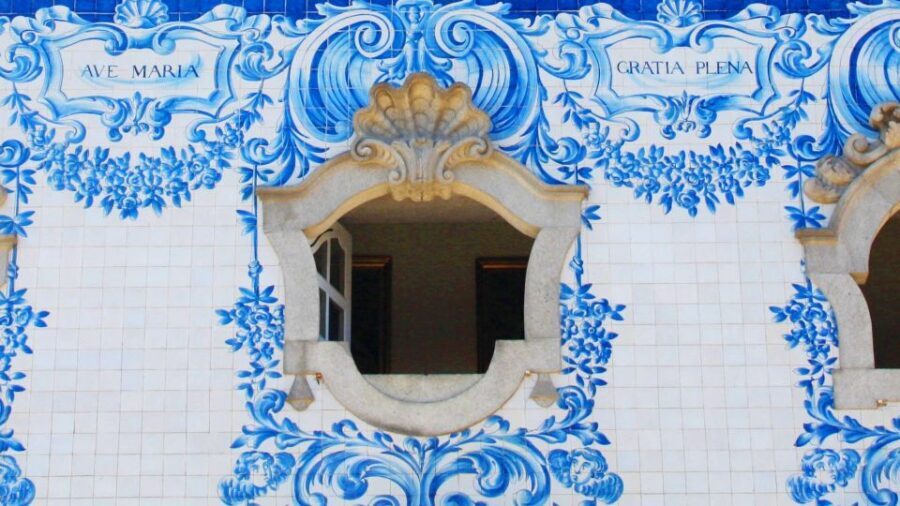
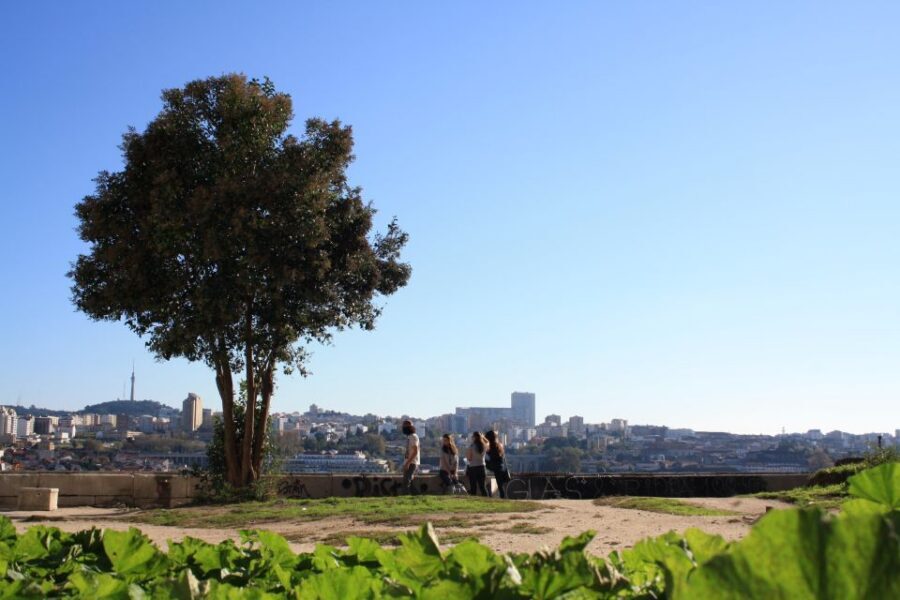
After the Ribeira–Miragaia stretch, you move up toward Parque das Virtudes. This is where the tour gives you a visual reset. Even if you’re focused on the historical narrative, you’ll appreciate the viewpoints because they help you understand how Porto’s geography shapes movement and settlement.
Then you head toward Mosteiro de São Bento da Vitória. Even when you’re not inside for a long visit, the timing works: the walk turns toward a monumental setting, and you get the feeling of how Portuguese religious and civic life shaped the backdrop for Jewish communities, especially during eras of scrutiny.
This section also tends to hit emotionally. When the guide talks about centuries of covering up Jewish traditions, you’ll likely notice how the story contrasts with what you see in front of you now—churchdom, monuments, and later layers of culture all stacked on top of older realities.
If you want to get the most out of these stops, keep one habit: when the guide points out a detail, look at it first with your eyes, then listen to the explanation. It turns the walk into something more memorable than facts alone.
Clérigos Tower pass-by: reading a postcard landmark differently
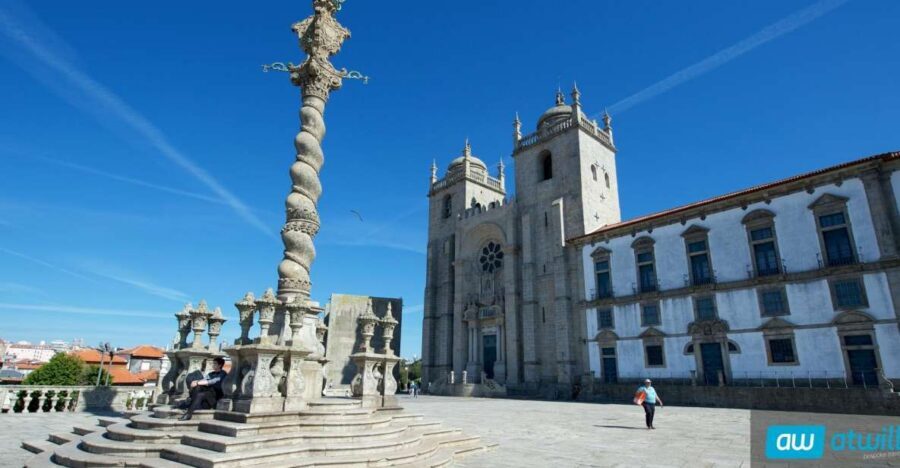
You’ll see Clérigos Tower as part of the guided route, mostly as a pass-by rather than a long, entrance-ticket moment. That’s a good thing for most people. It keeps the tour moving and preserves the focus on the Jewish story and the street traces, not just the view from the top.
Still, Clérigos is so iconic that it changes how you perceive the rest of the route. In your mind, the city goes from being “pretty Porto” to “Porto with moral weight.” You start seeing monuments as part of a society that sometimes welcomed, sometimes restricted, and often policed religious identity.
A practical note: entrance fees aren’t included. So if you decide later you want to go inside or climb anything connected to major sights, you’ll need to budget that separately.




Kadoori Mekor Haim Synagogue and the Jewish Quarter storyline
One of the core elements of this tour is visiting and learning about the Jewish Quarter and the Kadoori Mekor Haim Synagogue, alongside the story of the Israeli community in Porto. This is where the tour shifts from traces you have to spot to a more direct connection to Jewish religious and cultural life.
The guide’s approach matters here. You’ll hear about the Jewish community in Porto not as a static past, but as something shaped by laws, threats, and adaptation. That includes the major turning points you’re told about during the walk, such as the 1496 King’s Expelling Order and the long shadow of persecution that pushed many people to hide or modify religious practice.
If you want a souvenir for your brain, this is it: by the end of the walk, you’ll have a mental map of how a living community can coexist with fear, cover stories, and forced reinvention. You’ll also understand why those toponymic and archaeological traces matter. They are the physical leftovers of real decisions made under pressure.
Barros Basto: the Portuguese Dreyfus thread that changes the ending
The tour doesn’t leave you in tragedy mode. You’ll also learn about Captain Barros Basto, described on the tour as the Portuguese Dreyfus. The emphasis is on the “rescue” theme—how cultural and religious restoration shows up after long periods of harm.
This matters because it changes how you interpret everything you’ve heard earlier. If all you got were expulsion orders and persecution, the story would feel like an ending. By adding Barros Basto, the tour frames Jewish-Portuguese history as a long arc: suffering, survival strategies, and later efforts to reclaim identity and dignity.
I like this structure because it matches how real understanding works. You don’t just memorize events; you learn how people pushed back against systems designed to break them.
Finishing at Porto São Bento: a smooth landing for the rest of your day
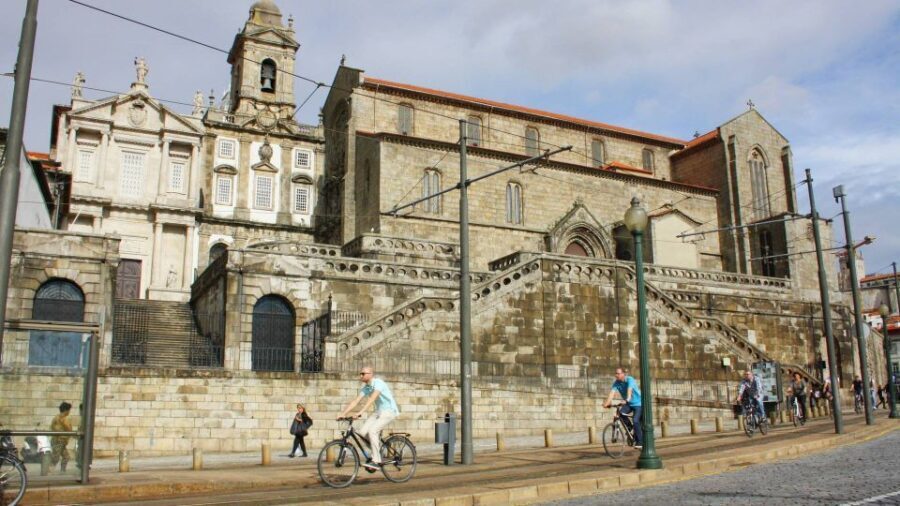
You wrap up near Porto São Bento. That’s a very practical choice. São Bento is one of the easiest places to transition into whatever you want next—train plans, a meal, or a walk to other central sights without fighting your way across town.
More importantly, the finish feels like a closing punctuation mark. The tour begins in the oldest civic-religious zone and ends at a transportation hub that connects you to the rest of Portugal. It’s a reminder that history isn’t locked in stone. It’s still shaping how people move, meet, and return.
If you’re trying to plan your day, this is the perfect spot to have lunch or regroup, especially since the walking has been steady enough to make you hungry.
Price and value: what $75 buys you in 3 hours
At $75 per person for about three hours, you’re paying for a specialist guide and a narrative route that ties geography to Jewish-Portuguese history. This isn’t a general city tour where the guide throws in a few facts and moves on. The value is in the structure: you get a walk through meaningful areas and explanations that help you connect streets to people, laws, and survival strategies.
Also, entrance fees are not included. So if you’re the type who likes to add extra paid visits, you may need to spend a bit more. On the other hand, the tour is designed to work even if you only look from the street at major monuments like Clérigos Tower.
The private-group label is appealing, too—especially if you like asking questions. Still, if you care a lot about having a truly private experience, I’d confirm group size details before you go. Short tours can feel crowded if the group isn’t what you expected.
Walking pace, weather, and how to enjoy the route
This is a walking tour with moderate distance. It operates in all weather conditions, so dress for rain, wind, heat, or cooler evenings. If you’ve got sensitive knees or you’re not used to hills, treat the walk as a pace you manage, not a test.
I’d also bring water and plan small breaks. A good guide will usually adjust in hot conditions and help you stay comfortable, but you’ll have the most fun if you come prepared.
One more tip: this tour is flexible to customize based on your preferences. If there’s a theme you want more of—Sephardic legacy, the Inquisition era, or Barros Basto—say so early. Guides often shape the final minutes around what you most want to take home.
Who should book this Porto Jewish quarter tour
You’ll probably love this tour if you want:
- Street-level history rather than museum-only facts
- A clear connection between Sephardic identity and Porto’s physical neighborhoods
- An English-speaking guide who can explain major events and also point to smaller traces
It’s a strong fit for couples, friends, and solo travelers who enjoy walking and conversation. It can also work for you if you’re Jewish, have Sephardic ancestry, or simply want to learn more about Porto’s once-thriving Jewish community.
You should skip it if mobility is a concern, if you use a wheelchair, or if you know you struggle with sustained walking. The tour is not positioned for those needs.
Should you book this Porto Half-Day Jewish Tour?
If you want a meaningful, well-guided walk that turns Porto’s streets into a readable story, I think it’s an excellent choice. The best part is the method: you don’t just hear about persecution, orders, and survival—you see how the city still carries traces, and you end with a more hopeful historical note through Captain Barros Basto.
Book it if you value a guide who can connect geography to history and you’re comfortable with moderate walking in changing weather. Skip it if walking is likely to be a problem for you, or if you’d rather do history in a low-effort, sit-down format.
FAQ
How long is the Porto Jewish tour?
The tour lasts about 3 hours.
Where do I meet the guide?
You meet at Sé Cathedral (Terreiro da Sé), next to the Vimara Peres statue.
Is the tour in English?
Yes, the live tour guide speaks English.
Does the price include entrance fees?
No. Entrance fees are not included.
How much walking is involved?
It involves a moderate amount of walking.
Is the tour private?
It’s listed as a private group.
What topics does the tour cover?
You’ll learn about the Sephardic legacy and Jewish community in Porto, including the Inquisition, persecution of “new Christians,” the cover-up of Jewish traditions, the 1496 King’s Expelling Order, the Israeli community, the Jewish Quarter, Kadoori Mekor Haim Synagogue, and Captain Barros Basto.
Will the tour run in bad weather?
Yes. It operates in all weather conditions, so dress appropriately.
Can I get a refund if I cancel?
Yes. You can cancel up to 24 hours in advance for a full refund.