REVIEW · PORTO
Poças Guided Visit and Wine Tasting of 3 Port Wines
Book on Viator →Operated by Poças · Bookable on Viator
Three ports. One century-old cellar.
This Poças visit is a smart way to get your bearings fast on Port. You’ll start in an aging cellar where wines have rested for more than 100 years, then move to the tasting room for three Port styles (White Port, LBV, and Reserve Tawny) with pairing ideas that help you taste with intention. I love the fact that the guide pushes past wine trivia and talks through what makes Port work with food, and I love the small-group feel, capped at 20 travelers. The main thing to consider: the winery area is a bit off the busiest tourist streets, so plan on a short train/metro ride or be ready for a hill if you’re walking from the riverfront.
You can pick a tour time that fits your Porto schedule, and it’s run in English with a mobile ticket. If you’re short on time but want a real look at how Port is made and why these styles taste so different, this is a solid use of an afternoon in Vila Nova de Gaia.
In This Review
- Key highlights at Poças (what makes it worth your hour and a half)
- Why Poças in Vila Nova de Gaia is an easy win
- The 90-minute plan: old casks, then three glasses with purpose
- Inside the aging cellar: how Port gets its character
- Douro Valley stories and Port pairing tips you can actually use
- The tasting room: White Port, LBV, and Reserve Tawny
- White Port: chilled and ready for pairing
- LBV (Late Bottled Vintage): fruit with structure
- Reserve Tawny: aging character in a bottle
- How the tasting stays guided
- Extra cheese and sausages: when to add them
- Where to stand out (and how to handle the walking)
- Timing and group size: why it feels calm, not chaotic
- Language and ticket style
- Price and value: why $27.83 can make sense
- Who should book Poças (and who might skip)
- Should you book the Poças Port tasting?
- FAQ
- What Port wines are included in the tasting?
- How long does the Poças guided visit and tasting take?
- Where is the meeting point for the tour?
- Is the tour available in English?
- How big is the group?
- Are food pairings included, or do I need to buy cheese and sausages separately?
- Can I get a refund if I cancel my booking?
Key highlights at Poças (what makes it worth your hour and a half)
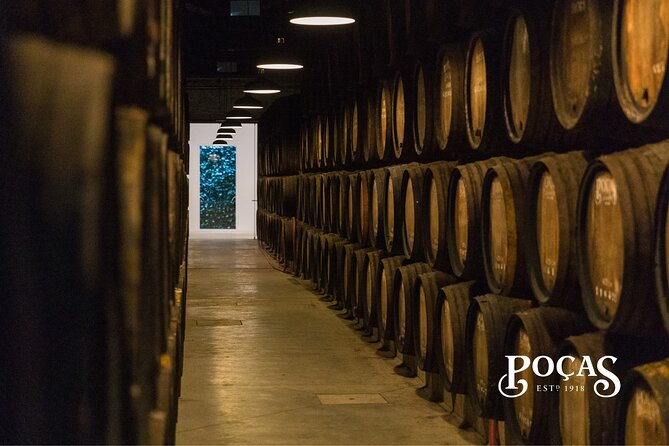
- Aging cellar tour that explains what’s happening to the wine long before it hits your glass
- Three-Port tasting included: White Port, LBV, and Reserve Tawny
- Food pairing focus that helps you understand why each style behaves differently
- Small group size (max 20) for real Q&A, not a lecture that steamrolls you
- Guides like Inês and Cindy who bring clear, enthusiastic explanations of Port and the Douro Valley
- Optional add-ons like cheese and sausages if you want to turn tasting into a light meal
Why Poças in Vila Nova de Gaia is an easy win
Port tasting in Porto can turn into a hit-or-miss chain of stops. Poças gives you something more useful: a guided path from production to tasting, in a setting that feels authentically local rather than like a stage set for tourists.
What I like for you is the structure. You don’t just drink three glasses and leave guessing what you liked. You’re taught what to look for—texture, sweetness level, maturity style, and how each type tends to pair with food.
This is also a good fit if you want a smaller producer story. Poças is a family business with multi-generation ownership, and that comes through in the way the tour is paced and explained. Guides such as Inês and Cindy are singled out for their enthusiasm and ability to answer questions without brushing you off.
You can also read our reviews of more tours and experiences in Porto.


The 90-minute plan: old casks, then three glasses with purpose
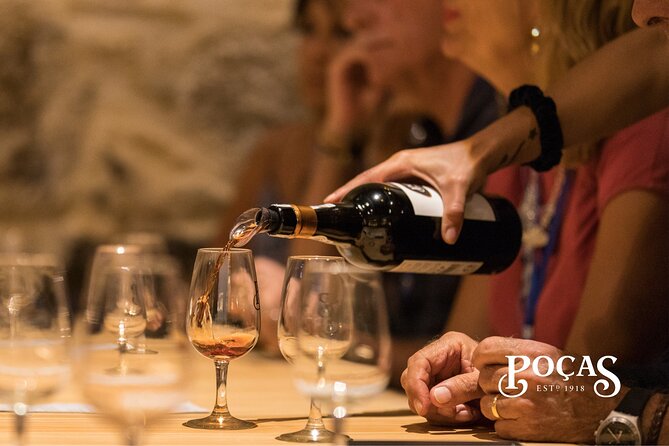
The visit runs about 1 hour 30 minutes, and the timing matters because you get enough time for both the cellar walk and the tasting room experience. It’s not rushed, and the order is logical: first you learn what Port is doing in the cellar, then you taste and connect that learning to flavors.
You’ll meet at R. Visc. das Devesas 168, 4400 Vila Nova de Gaia. From there, the tour takes you through the aging process and into the tasting room where the three Port styles are served in a guided sequence.
At the end, you return to the same meeting point. That means you can plan the rest of your day without scrambling for a new location.
Inside the aging cellar: how Port gets its character
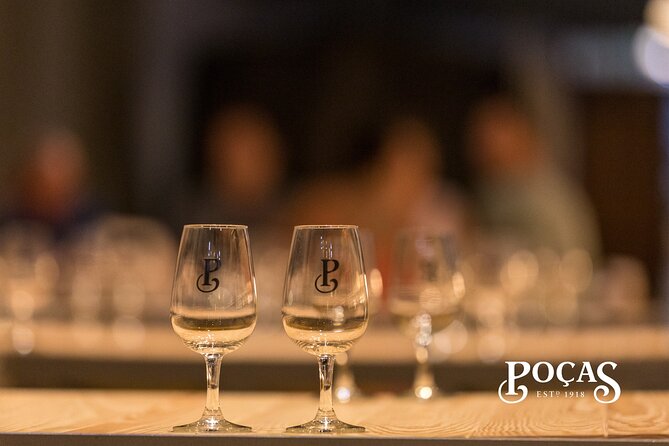
The tour begins with a guided look at the aging cellar at Poças. This is where Port changes from raw ingredients into something with a recognizable “Port personality.” You’ll learn why Port is special and how the production connects back to the Douro Valley, the source region that gives Port much of its backbone.
The big win here is time in context. Port doesn’t taste like most wines because it’s shaped by what happens after fermentation and fortification. In the cellar, you get the sense that the bottle you’re holding is the final step of a long process, not the whole story.
You’ll also get a walk-through of the places where the wine matures. If you’ve ever felt like tastings teach you only what to swallow, not what you’re tasting, this is the opposite. The cellar tour sets up the tasting so you can make sense of what you’re tasting instead of just nodding politely.
Douro Valley stories and Port pairing tips you can actually use
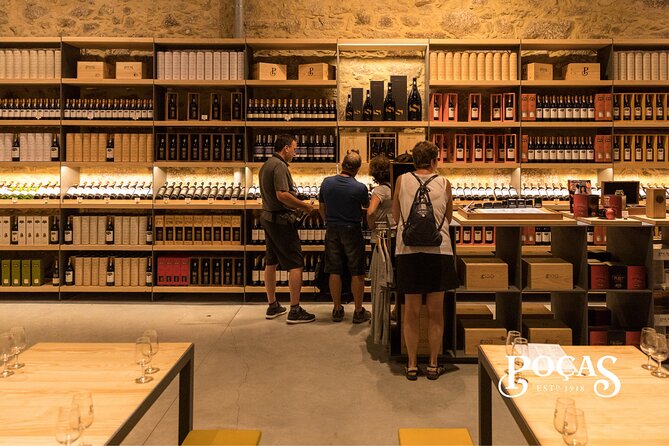
After the cellar walk, you head into the tasting room for a guided tasting of three Port styles. This part is where many tours stop being educational and become just drinking. Poças keeps it practical.
The guide shares pairing ideas for Port—what tends to work, and why. The goal isn’t to memorize a list. It’s to learn the logic: how sweetness, acidity, and age-related flavor notes influence what food will taste like next to the wine.
This is where the Douro Valley connection helps. When you understand the origin and the production choices, you’re less likely to treat Port as one “sweet red” and more like a set of styles that behave differently on your palate.
If you enjoy food as much as wine, you’ll probably appreciate this section the most. You’re not just learning what Port tastes like today—you’re being taught how to make Port part of a meal, whether that’s dessert, cheese, or even a richer main course.
The tasting room: White Port, LBV, and Reserve Tawny
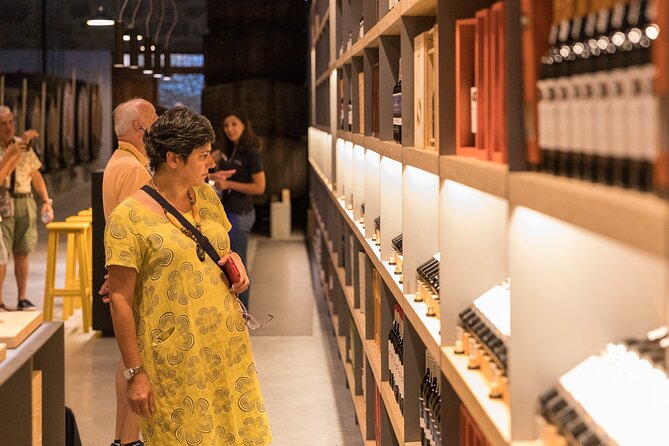
The included tasting features three Port wines. Each one is served as its own lesson, so you can separate style from preference.






White Port: chilled and ready for pairing
White Port is typically an easy gateway into Port for many people. Served chilled, it often reads lighter and more aromatic than the darker styles, which makes it a great intro if you usually find red Port too sweet or heavy.
Even if you think you already “know” Port, White Port can change your mind. It teaches you that Port isn’t one flavor profile—it’s a family of styles.
LBV (Late Bottled Vintage): fruit with structure
LBV sits in a middle zone that many wine lovers find satisfying. You’re tasting a Port that has matured long enough to show age-related complexity, but not only in the way very old or very time-intensive styles do.
In a guided tasting, LBV is useful because it’s balanced. It helps you learn how maturity shows up in flavor and texture, not just in sweetness. If you like a Port that tastes developed but not flat, LBV is often the style that makes people book a second bottle later.
Reserve Tawny: aging character in a bottle
Reserve Tawny is the style that often feels the most different from what people expect when they first picture Port. Tawny’s flavor development tends to show more of the aging character—nuts, caramel-like notes, and a smoother finish—so it’s a great comparison to the fruit-forward notes of LBV.
Reserve Tawny also helps you understand the concept of “style aging.” You’re not just tasting sweetness; you’re tasting how time changes the profile.
How the tasting stays guided
What you should expect is an explanation as you taste, not a free-for-all. Guides are attentive about pacing, and the small group size means you can ask questions without waiting your turn behind a crowd.
Some experiences may also include palate-cleansing crackers between pours. If you’re thinking of this as a snack break, remember the crackers are usually there to reset your palate between wines, not to replace a meal.
Extra cheese and sausages: when to add them
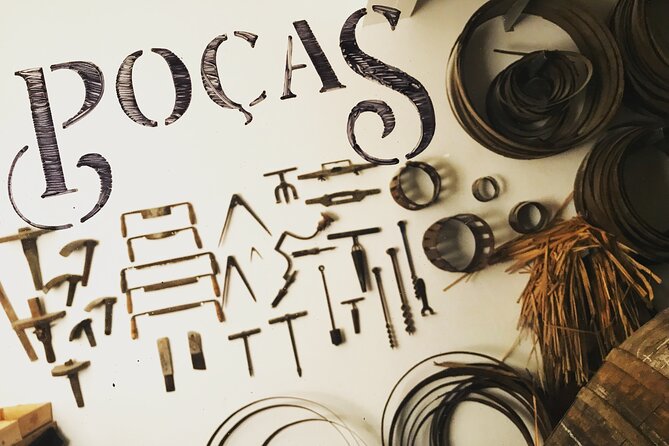
Cheese and sausage selections are available for an additional fee—listed as €16 per person for the selection of sausages or cheeses, and €20 per person for a combined selection. You don’t need to add them to enjoy the tasting, since the Port pairing guidance is built into the experience.
Still, if you’re the type who wants to turn tasting into a food moment, adding a board can be worth it. It’s a simple way to put the guide’s pairing ideas into practice right away, especially if you already know you like Port with cheese or dessert flavors.
One practical tip: if you’re on a budget, don’t feel pressured. The experience is designed around the three included Port pours, and you can always buy bottles at the end if a style really hits your taste buttons.
Where to stand out (and how to handle the walking)
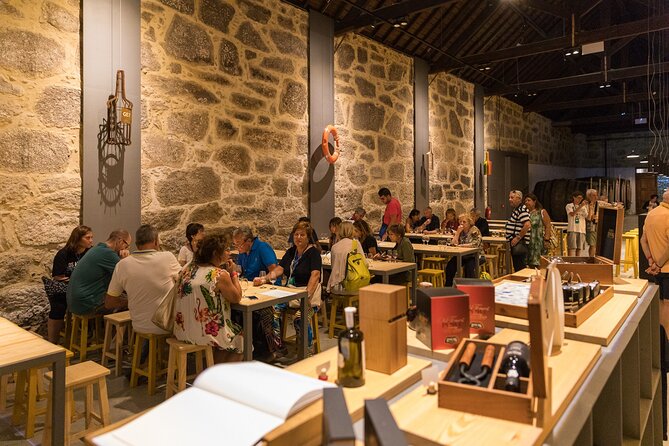
The meeting point is in Vila Nova de Gaia, and the area is near public transportation. The walk from transit is short, which makes the tour manageable even if you’re not feeling like climbing hills.
If you’re arriving by train, you can use the Gaia-Devesas area, and the Santo Ovídio metro stop is also close. If you try to walk from the riverfront, plan for a steep hill. You’ll be happier if you wear comfortable shoes and don’t treat this like a gentle stroll.
Also, you’ll do enough standing during the cellar visit to justify wearing footwear you can handle comfortably. This is especially true if your day in Porto already includes a lot of walking.
Timing and group size: why it feels calm, not chaotic
Port tours in Porto often get packed. This one is capped at 20 travelers, which changes the whole vibe. With a smaller group, you get real Q&A time and explanations that don’t feel generic.
You’ll also appreciate the pacing. The cellar portion sets the stage, then the tasting room lets you connect what you learned to the glass in front of you. It’s relaxed enough that you can ask follow-up questions without feeling like you’re slowing everyone down.
If you’re traveling solo or with someone who hates crowded tours, this size is a meaningful detail. It’s also a good choice for couples who want a shared experience without shouting over background noise.
Language and ticket style
The tour is offered in English, and you receive a confirmation at booking time. You’ll also have a mobile ticket, which is handy if you’re juggling multiple day plans and don’t want paper tickets in your pocket.
Most travelers can participate, so if you’re fitting this into a normal day of walking and standing, it’s usually not a problem based on the general format of the experience.
Price and value: why $27.83 can make sense
At $27.83 per person, you’re paying for three included Port tastings plus a guided cellar visit. That’s the key value point: you’re not paying only for wine. You’re paying for context that helps you taste better.
Where this becomes good value is when you’re new to Port. If you go in thinking you just want something sweet, you can easily end up disappointed. A guided explanation of Port styles and pairing ideas helps you choose bottles later with more confidence.
You also get flexibility with tour times, so you can schedule it around your Porto itinerary rather than forcing it into a tight timing window. That matters in a city where plans change when the weather changes.
Add-ons like cheese and sausages cost extra, but you don’t need them for the experience to feel complete. If you’re on a budget, treat the included tasting as the main event and use the shop only if you truly find a style you want to take home.
Who should book Poças (and who might skip)
Book this if:
- You want a guided Port intro with food pairing ideas, not just three sips
- You like smaller-group tours with time for questions
- You’re curious about how Port matures and why White, LBV, and Tawny taste so different
- You’d enjoy a family-owned producer visit in Vila Nova de Gaia
Consider skipping or doing extra research if:
- You strongly prefer big-name, ultra-touristy producers in the most central areas
- You’re expecting a “see everything live” production show. This experience is guided and explanatory, with tasting at the center.
- You don’t want any extra walking in hilly areas. The transit access helps, but you still need comfortable shoes.
Should you book the Poças Port tasting?
If you want a short, well-structured Port experience that helps you taste with understanding, I’d book it. The three included Port styles cover a lot of what matters, and the pairing focus makes it more useful than a basic tasting.
If you’re the type who likes to ask questions, you’ll likely appreciate the small-group setting and the energy of guides such as Inês and Cindy. Just plan your transport smartly, wear comfy shoes, and keep expectations realistic: it’s a guided tasting and cellar visit, not a massive production show.
FAQ
What Port wines are included in the tasting?
The tour includes tastings of three Port wines: White Port, Late Bottled Vintage (LBV) Port, and Reserve Tawny Port.
How long does the Poças guided visit and tasting take?
The experience lasts about 1 hour 30 minutes.
Where is the meeting point for the tour?
The tour starts at R. Visc. das Devesas 168, 4400 Vila Nova de Gaia, Portugal.
Is the tour available in English?
Yes, the tour is offered in English.
How big is the group?
The tour has a maximum of 20 travelers.
Are food pairings included, or do I need to buy cheese and sausages separately?
Food pairing guidance is part of the guided experience. Cheese and sausage selections are optional add-ons for an additional fee.
Can I get a refund if I cancel my booking?
Yes. You can cancel up to 24 hours in advance for a full refund. If you cancel less than 24 hours before the start time, the amount you paid is not refunded.