REVIEW · BRAGA
Peneda-Gerês National Park – A Time Travel Through The Mountains –
Book on Viator →Operated by Welcomer Tours of Portuguese Authenticity · Bookable on Viator
Time travel is real here. This private day in Peneda-Gerês National Park turns the mountains into a timeline, moving you from Roman footprints to medieval border defenses. I also love how the experience mixes ideas and places you can actually see, ending with Minho food that feels like a reward, not an afterthought.
One thing to consider: this is for moderate physical fitness. If you’re expecting a fully flat, effortless stroll, you might feel a bit underprepared when the day asks for some walking and mountain air.
In This Review
- Key points worth knowing
- Peneda-Gerês as a time machine (and why this tour works)
- Your morning in Braga: pickup, timing, and how the day flows
- Roman presence in the park: the first layer of the story
- Amarela mountain range and a small Minho village: seeing heritage in daily life
- Lunch in Minho: the value of eating like a local, not a tourist
- Petroglyphs in situ: older than you think, and worth the time
- Medieval military architecture and border heritage: what frontiers look like
- The picnic close to the day’s best moments
- The small details that make it feel premium (not just another tour)
- Price and value: is $225.58 per person fair?
- Who this tour is best for (and who might prefer another option)
- Should you book Peneda-Gerês with this guide?
- FAQ
- What time does the tour start?
- How long is the experience?
- Is pickup available?
- Is the tour private?
- What’s included in the price?
- Is lunch included?
- What should I know about activity level?
- Is dinner included?
Key points worth knowing
- Roman to medieval, in one day: you’ll connect big eras through ruins, carvings, and frontier architecture.
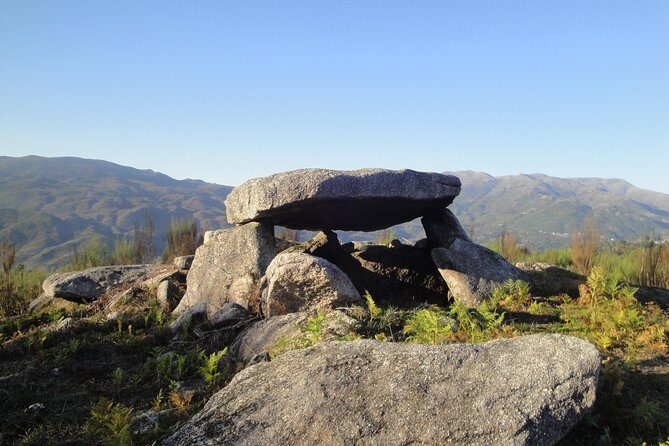
- Petroglyphs you see in place: the day doesn’t just mention them, it points you to the mountain setting.
- Amarela mountain range focus: the route has a clear theme instead of random stops.
- A real Minho meal and picnic: lunch plus a picnic with regional dishes keeps the day grounded.
- Guide-led storytelling: Luís Corrula’s style comes through in the way the sites are explained and tied together.
Peneda-Gerês as a time machine (and why this tour works)
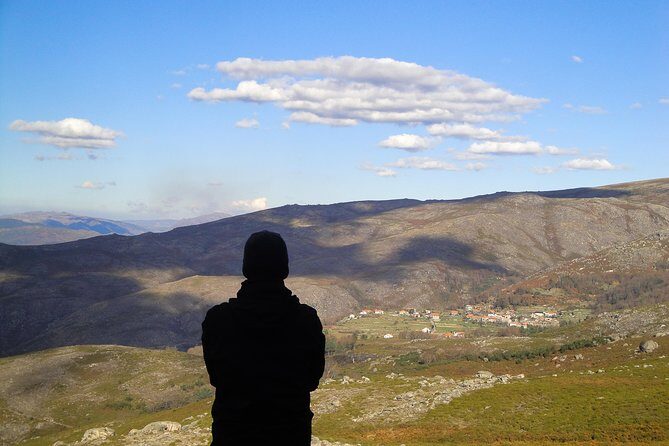
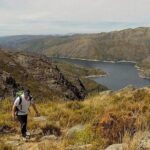
Peneda-Gerês National Park is the kind of place where scenery does not stay scenery for long. On this tour, the mountains become a map of human movement—empires, soldiers, farmers, and the people who marked stone long before many of today’s borders existed. The goal is not just looking. It’s learning how to read what you’re seeing.
I like that the day has a clear “through time” structure. You start with the Roman presence in the region, then shift into deeper layers of older human markings in the hills. Later, you move forward to medieval military architecture tied to the border context. It’s a satisfying progression because each stop supports the next one, instead of feeling like a checklist.
And the tone stays practical. This is not a museum lecture that happens while you sit still. You’re out in the park environment, taking in rural life—like the way people have lived alongside the wolf for centuries—while also getting a guided interpretation of the heritage around you.
There’s one more quiet advantage: because it’s a private tour, your day can feel more like a conversation than a performance. That matters when you’re trying to understand why a stone carving matters, or what you should notice about an old ruin.
You can also read our reviews of more tours and experiences in Braga.
Your morning in Braga: pickup, timing, and how the day flows
The tour starts at 8:30 am in the Braga area. If you’ve opted for pickup, you’ll be collected by car in an air-conditioned vehicle, which is a big help in Portugal when mornings are warm and the day stretches long.
You’ll also have small comfort details that add up: water is provided, and there’s free internet while you’re onboard. There’s coffee and/or tea included, plus lunch during the day. For a 10-hour experience, that coverage is more valuable than it first sounds. It keeps you from turning the day into logistics and snack math.
Since it’s a private format, you’ll spend the day with your group only. That makes a difference for pacing—especially in a park setting where visibility and walking levels can change depending on the terrain and weather. The good news is the provider also plans around weather needs; the experience requires good weather, and if conditions are poor, you’re offered a different date or a full refund.
Roman presence in the park: the first layer of the story
The day begins with a focus on how the Roman Empire shows up in this region. In practice, that means you’ll spend time connecting Roman-era elements to what the park still reveals today—so the story starts with built infrastructure and travel logic, not just names and dates.
I love this opening because it gives you a framework for the rest of the itinerary. Once you understand that Romans were thinking about movement, control, and routes through the mountains, the later stops feel less random. Even small features can start to make sense as part of a larger system.
If you’re the type who likes “why is this here?” questions, this tour is built for you. The guide helps you interpret what you’re seeing, and you come away with better instincts for spotting historical clues rather than just taking photos.
Amarela mountain range and a small Minho village: seeing heritage in daily life
After the early Roman context, the route turns toward the Amarela mountain range. This is where the “time travel” idea gets physical. You’re not only in the park; you’re also in a cultural setting that shaped how people lived there.
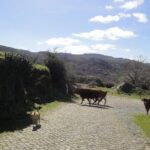
The tour includes a visit to a small mountain village with typical Minho architecture. That stop matters because it shifts you from ruins-as-artifacts to architecture-as-identity. You get to notice how building style and settlement patterns reflect a place’s needs: slope, materials, climate, and long-term rural life.
This is also a good moment to slow down. The day spends a lot of time interpreting heritage, but villages remind you that history is still in the background of daily routines. Even when the sites are old, the human logic remains.
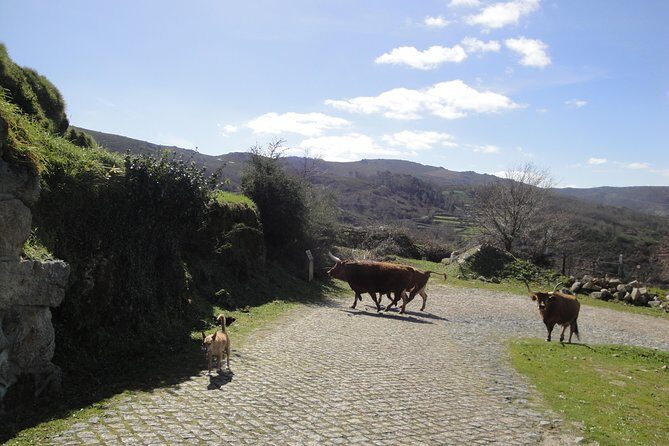
One more neat theme here: the rural landscape helps you grasp how people have lived alongside the wolf for centuries. That isn’t just a fact to absorb. It changes how you read the environment.
Lunch in Minho: the value of eating like a local, not a tourist
Before afternoon highlights, you’ll have lunch at a restaurant serving typical Minho cuisine. I appreciate this choice because it keeps your energy steady without making the day feel staged around food.
When a tour ends with a picnic, it can be tempting to think lunch will be rushed. Here, the day structure supports it: lunch happens after you’ve already built the cultural context, so you’re eating while your brain is still engaged, not after it’s completely fried.
Also, the fact that the tour includes coffee and/or tea helps. It means your meal isn’t dependent on finding a café at exactly the right moment.
Dietary restrictions are something you should mention at booking. The provided data asks you to inform the operator of health limits or dietary needs, so do that early if you want the best fit.
Petroglyphs in situ: older than you think, and worth the time
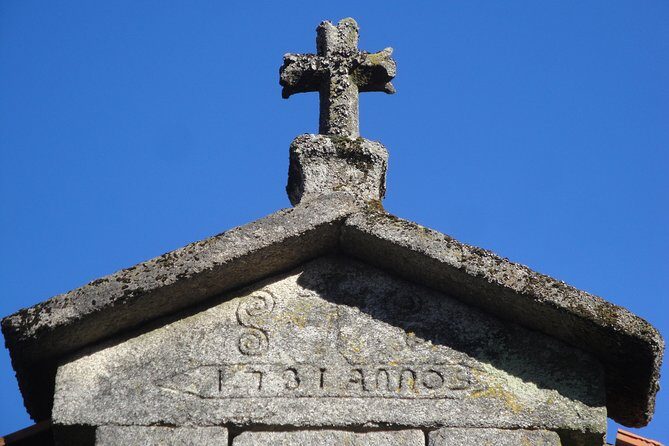
After lunch, the tour returns you “thousands of years” into the story with petroglyphs from different periods, interpreted on site. Petroglyphs are the kind of heritage that can feel flat in a brochure. Out in the landscape, they do the opposite. You start paying attention to placement, visibility, and why those markings would have mattered to the people who made them.
This stop is especially valuable if you enjoy slow learning—standing, looking, and being guided through what to notice. You’re not just hearing that petroglyphs exist. You’re learning how to connect the carvings to the mountain environment where they were made.
From the experience, you may also get chances to see well-hidden Neolithic carved stones and other Roman-era clues like ruins and mileposts in the broader park setting. The key point for you is how the guide ties it all together: the carvings and the later Roman traces help show long-term use of these mountain spaces.
Medieval military architecture and border heritage: what frontiers look like
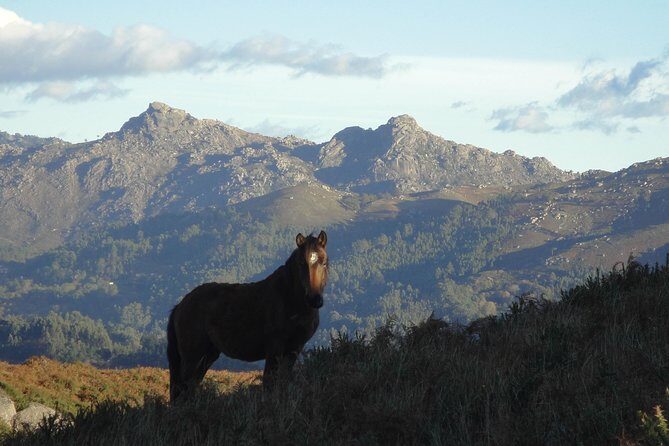
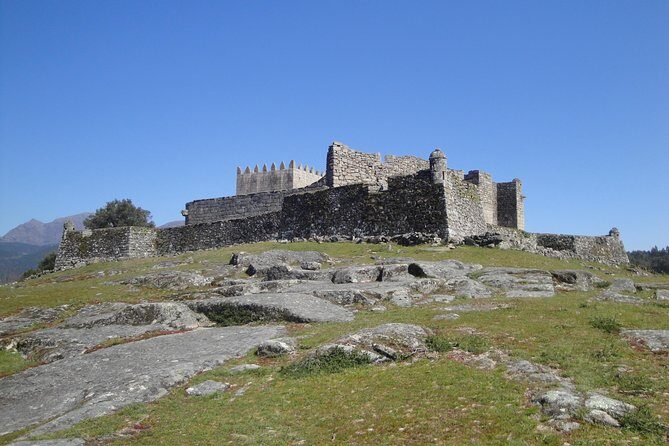
The final big cultural theme is medieval military architecture—built and maintained in a border context. In real terms, this is where the mountain starts to look like a strategic map.
You’ll interpret centuries-old frontier architecture and connect it to the idea of control and defense. This part of the tour can be more “thoughtful” than dramatic sightseeing, which is exactly why I like it. Once you’ve seen how Romans moved and later how rural life worked, the medieval frontier story gives you another layer of how power and survival shaped geography.
If you tend to enjoy architecture and historical “systems” (routes, borders, defenses), this portion is likely to be your favorite. If you prefer only big-ticket monuments, you might need to let the day’s quieter interpretive style win you over. Either way, the value here is the guided attention to meaning, not only the photo angle.
The picnic close to the day’s best moments
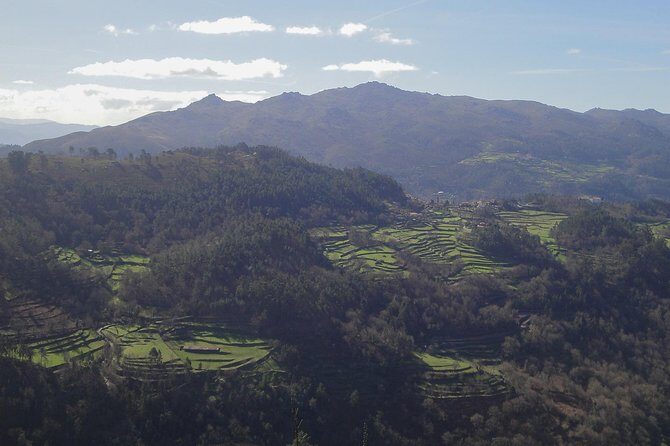
After the medieval frontier section, you finish with a picnic that includes typical dishes of the region. This is a smart ending. By the time you reach it, you’ve already walked, looked, and listened. The food becomes a natural wrap-up instead of a pause you have to plan.
I also like that you’re not stuck searching for dinner plans afterward. The tour is designed to carry you through the day comfortably: lunch plus picnic, plus coffee/tea, and water during transit.
It’s worth noting what’s not included: dinner is not part of the tour. So plan for an easy evening meal near where you’re staying in Braga.
The small details that make it feel premium (not just another tour)
A 10-hour private tour can either feel smooth or feel chaotic. This one leans toward smooth, and it’s built on practical choices:
- Private transportation in an air-conditioned car
- Water and free internet while on board
- All fees and taxes included
- Insurance coverage (civil liability and personal injury insurance)
- A day plan that repeats key comfort points: coffee/tea, lunch, then picnic
On the family side, the vehicle options include a car seat for infants/children up to 12 years and stroller support. If that’s relevant to you, it’s a real advantage because it removes an extra headache from planning.
And for many people, the biggest “premium” factor is the guide. Luís Corrula is specifically named as the local guide, and the way he’s described in feedback highlights care, curiosity, and attention to the details of the sites. That’s the difference between hearing facts and actually understanding what you’re looking at.
Price and value: is $225.58 per person fair?
At $225.58 per person for about 10 hours, the price sits in the middle-to-upper range for day tours from Braga. The main question isn’t the sticker—it’s what you’re buying.
You’re paying for:
- A private experience (your group only)
- A full-day program that mixes Roman context, petroglyphs in situ, and medieval military architecture
- Included lunch, coffee/tea, and a picnic
- Air-conditioned transport, water, and on-board internet
- Coverage and all fees/taxes
If you compare it to the cost of doing a self-guided day with multiple paid stops, transport, and meals, the structure starts to look less expensive than it first appears. It also saves you from the time cost of planning a route through a national park and interpreting multiple historical layers without a guide.
The only extra cost mentioned is transportation outside the Braga district: Porto (€45 per travel) and Lisbon (€150 per travel). If you’re staying outside Braga, that matters. If you’re already in the area, you should feel comfortable with what’s included.
Who this tour is best for (and who might prefer another option)
This is a great match if you:
- Like heritage that connects across time (Roman → Neolithic carvings → medieval frontiers)
- Prefer guided interpretation to solo wandering
- Enjoy Minho culture through real meals, not just tasting bites
- Want a private day with a clear theme and a relaxed pace
You might want to think twice if:
- You need a fully easy, no-walking day
- You’d rather do fast monument hopping than stop and interpret
Given the moderate fitness requirement, I’d say you’ll be happiest if you can handle a long day outdoors and don’t mind uneven terrain.
Should you book Peneda-Gerês with this guide?
Yes, if you want a mountain day that actually teaches you how to see. The big win is the way the day ties together multiple layers of heritage—Roman presence, petroglyphs in place, and medieval border defenses—while keeping your energy up with lunch and a picnic.
Book it especially if you’re excited by the idea of time travel as a real experience, where you’re looking at stones, ruins, and architectural clues and getting help understanding what they mean. With Luís Corrula’s guiding style and a private format, this is the kind of day that can turn into a story you tell for years.
If you’re unsure, ask yourself one question: do you want a scenic day, or a guided historical one inside the national park? This tour is clearly the second.
FAQ
What time does the tour start?
It starts at 8:30 am.
How long is the experience?
The duration is about 10 hours.
Is pickup available?
Pickup is offered.
Is the tour private?
Yes. It’s private, and only your group participates.
What’s included in the price?
Car transport with an infant-child car seat and stroller support (as applicable), water, free internet while on board, insurance, air-conditioning, all fees and taxes, coffee and/or tea, lunch, and private transportation.
Is lunch included?
Yes. Lunch is included, and there is also a picnic later in the day.
What should I know about activity level?
You should have a moderate physical fitness level.
Is dinner included?
No. Dinner is not included.