REVIEW · 3-HOUR EXPERIENCES
Braga Small-Group Food Tour: 3-Hour With a Local Guide
Book on Viator →Bookable on Viator
Food tastes better when you follow a local route. In Braga, a small-group walking tour pairs the City of Bishops’ landmarks with real bite-sized tastings—starting near Arco da Porta Nova and working through gardens and the cathedral area over about three hours. You’ll also get a guide who explains what you’re eating and why it matters in Portuguese daily life, not just where to stand for photos.
I especially like two parts: the cheese tasting from three regions (served with bread) and the meat-focused stops—bifana plus spiced gizzards and other pork bites with beer or wine. It’s the kind of meal that makes you feel like you’re eating like a regular, not checking items off a list.
One thing to consider: the tour cannot accommodate dietary restrictions, and some plates include offal and pork products. If you’re very picky about ingredients, you’ll want to think it through before booking.
In This Review
- Quick hits for this 3-hour Braga tasting walk
- Starting at Arco da Porta Nova: an easy Braga morning plan
- What you pay (and what you actually get) for $86.88
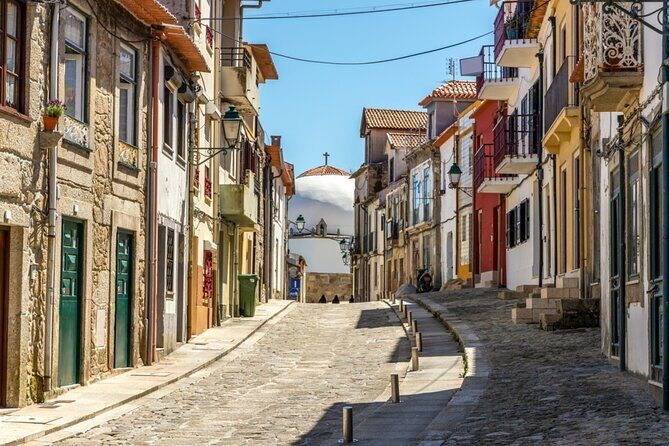
- Braga’s landmarks on foot: gardens and cathedral area
- Cheese from three regions: start sharp, taste slow
- Bifana, moelas, rojões, and chorizo: the meat portion with personality
- Bolinhos de bacalhau with white wine or beer: salty comfort
- Chocolate, Tíbias, and coffee or tea: end with custard and calm
- How much walking is it, really?
- Who should book this Braga food tour (and who might not)
- Should you book this Braga Small-Group Food Tour?
Quick hits for this 3-hour Braga tasting walk
- Arco da Porta Nova start with a guided route that fits into a single morning window
- Small group size (2–10 people) so you actually hear the guide and ask questions
- Five food tasting stops plus multiple drink tastings, including local wine options
- Landmark mix: gardens and the cathedral area alongside the food
- Strong meat-and-cheese focus, including bifana, gizzards, and rojões/chorizo
- Sweet finish with chocolate, Tíbias, and coffee or tea
Starting at Arco da Porta Nova: an easy Braga morning plan
This tour starts at 11:45 am and runs about 3 hours, ending back near where you meet. The official meeting point is Campo das Hortas 35, 4700-421 Braga, and from there you’re set up to begin near the famous arch at Arco da Porta Nova—a great way to get your bearings fast.
What I like about this timing is that it doesn’t eat your whole day. Braga is compact enough that walking feels natural, and three hours is long enough to learn something and taste a lot without turning into a marathon.
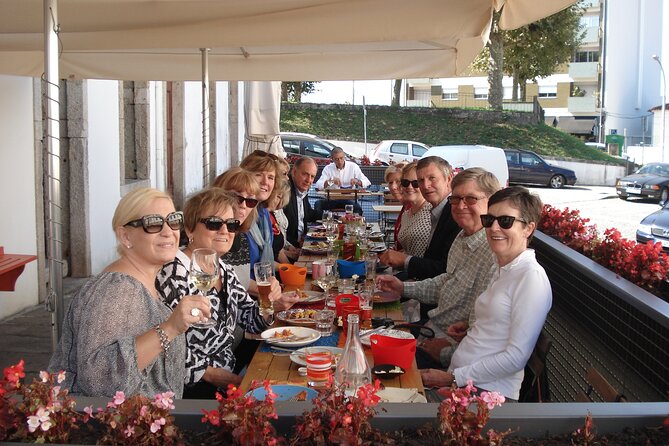
You’ll also benefit from the small-group format. With a maximum of 10 people, the guide can keep the group together while still giving explanations. That matters here because the tasting stops work best when you understand what you’re chewing—cheese origins, meat types, and how locals pair food with drinks like vinho verde.
What you pay (and what you actually get) for $86.88
At $86.88 per person, this isn’t a cheap snack crawl. But you are paying for a few key things at once:
- An English-speaking local guide (one of the guides mentioned is Cristiane)
- Five food tasting stops that come as a coordinated meal-style experience
- Four beverage tastings (including alcoholic options)
- A guided walking route that includes major sights, not just storefront sampling
I think the value comes from that combination. If you tried to recreate it on your own, you’d likely spend time figuring out where to go and what to order—especially if you want specifics like regional cheese types or traditional items such as bolinhos de bacalhau and Tíbias.
One practical note: hotel pickup and drop-off aren’t included, so you’ll want to make it to the meeting point under your own steam. Good news: the tour is described as being near public transportation, so you’re not relying on a taxi.
Braga’s landmarks on foot: gardens and cathedral area
A big part of this experience is that food isn’t floating in a vacuum. You’ll visit historic public gardens and the cathedral area as you walk. That matters in Braga, because the city’s identity is wrapped up in the church and the day-to-day rhythms that grew around it—markets, lunch breaks, and family-style eating.
One stop described clearly is the Garden da Avenida Central. I like garden moments on food tours because they give your body a reset: less standing, more breathing room, and a nicer pace before the next tasting. You’ll also get a chance to see Braga as more than just a collection of eateries.
Expect the guide to connect the dots between what’s on your plate and what you’re seeing outside it. You’ll get context about Braga and Portugal while you’re walking, which makes the meal feel less random and more like a story with chapters.
Cheese from three regions: start sharp, taste slow
The tour begins with a Portuguese cheese tasting featuring cheese from three regions, paired with bread. This is a smart first stop because it gets your palate awake. Cheese is also a safe entry point if you’re new to Portuguese flavors: you can compare textures and salt levels without committing to a heavy meat plate right away.
Here’s what to do to get the most out of it:
- Take small bites of cheese, then a bite of bread
- Pay attention to how the flavor changes from piece to piece
- Let the guide explain what makes each cheese distinct
The real value is that you’re not just eating. You’re learning how Portuguese regional products show up in everyday tables. A guided explanation helps you notice details you’d usually miss if you were winging it in a shop.
Also, since the tour includes drink tastings, you may get a pairing moment that makes the cheese feel even more balanced. Even if you’re not a “wine person,” beer or wine pairings here are part of the local way of doing things.
Bifana, moelas, rojões, and chorizo: the meat portion with personality
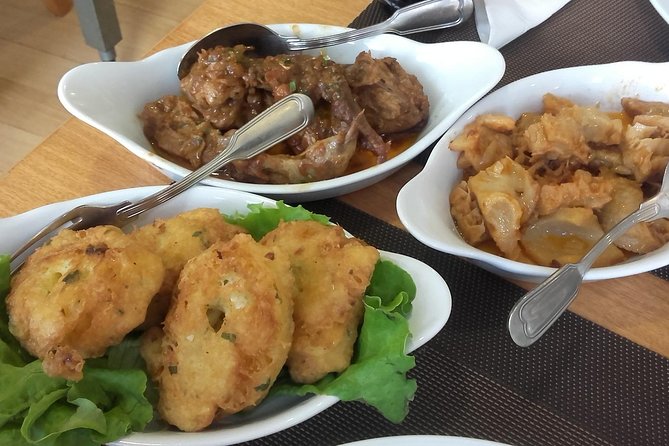
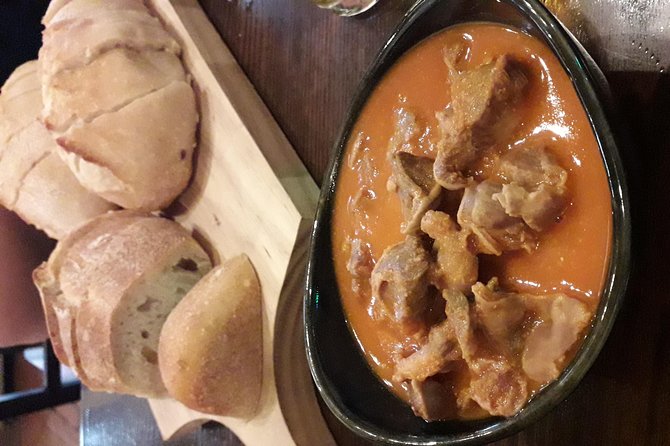
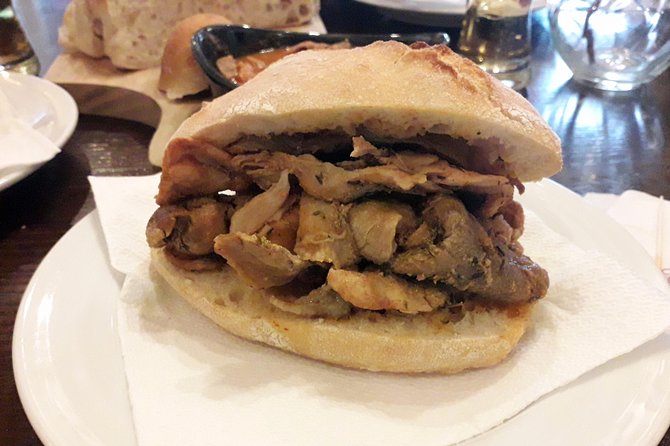
After cheese, the route shifts into the real Braga lunch vibe. One tasting includes bifana (a pork sandwich) along with moelas (spiced chicken gizzards), paired with wine or beer. Another part of the tasting list includes pork-focused items like rojões and chorizo, plus local wine options such as vinho verde.
This is where the tour gets fun—and where you’ll want honesty with yourself. If you like bold flavors and you’re curious about Portuguese classics, this stretch will feel like the heart of the meal. If offal is a hard no, this is the point to think twice.
How to approach it:
- Don’t try to eat everything in one bite. Take two bites and see what your stomach and taste buds say.
- Use the drinks to reset. Wine/beer pairings are part of the design, not an afterthought.
- Ask the guide what you’re tasting. You’ll get better value from a short explanation than from guessing.
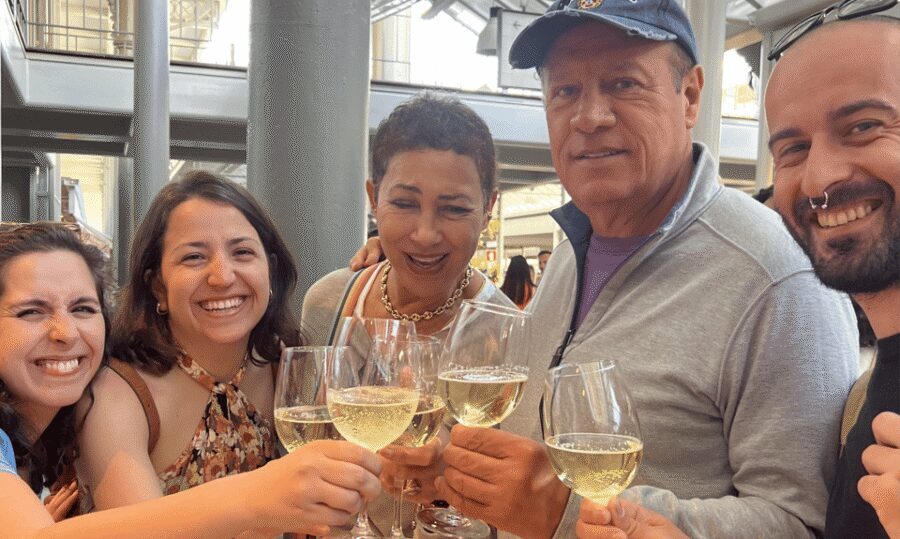
I also like that the guide doesn’t just drop food in front of you. In feedback shared by guests, the guide was described as highly helpful and informative—especially around cheese and the bifana. That kind of guidance really matters once you move from familiar to more adventurous items like moelas.
Bolinhos de bacalhau with white wine or beer: salty comfort
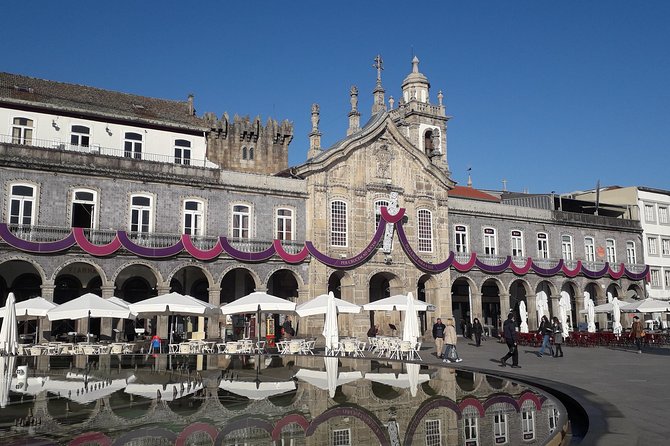
Next comes traditional bolinhos de bacalhau (codfish cakes), served with white wine or beer. This stop is a good bridge between the meat-and-cheese start and the sweet finish later.
Codfish cakes are Portuguese comfort food, and they tend to be easier for many people to enjoy than offal-based bites. You get that briny cod flavor in a form that’s shareable and friendly—crisp edges, soft inside, and a sauce-like feel depending on what you’re given.
What I’d pay attention to here is how the guide frames it. Cod shows up constantly in Portugal, and these cakes are a practical way to turn salted fish into something satisfying. Even if you’ve had cod cakes elsewhere, this is the moment to learn the Portuguese version.
And because there’s a drink pairing option (white wine or beer), it’s also a tasting lesson in how locals like to balance salt. You’ll usually notice the difference right away—especially when you alternate bites with sips.
Chocolate, Tíbias, and coffee or tea: end with custard and calm
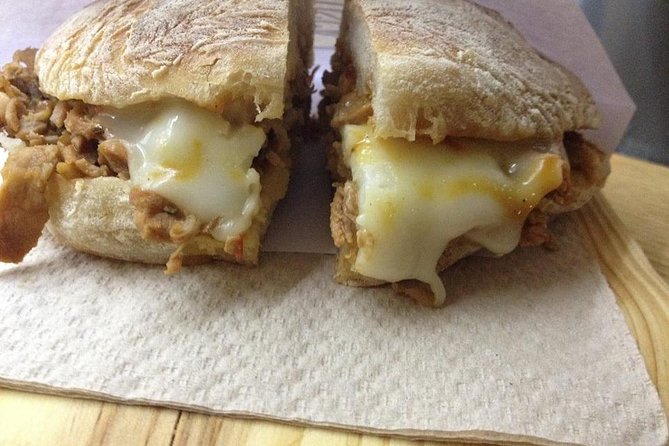
You finish with two sweet directions: a chocolate tasting and then Tíbias (custard-filled éclairs). The overall food list also includes Fidalguinhos, and the tour concludes with coffee or tea.
This is an ideal way to close a food tour. You’re not getting something heavy that leaves you stuffed in an uncomfortable way. Custard-filled sweets like Tíbias give you a creamy hit, and coffee/tea helps you bring the whole experience down to a pleasant ending point.
If you like texture contrasts, Tíbias are worth leaning into: crisp pastry outside, rich custard inside. Chocolate tasting also gives you a chance to compare sweetness levels across small samples—again, it’s not only about eating, it’s about learning what each bite does.
And since this is a guided walk, the guide can tell you what to expect from these specific desserts, so you’re not standing there asking, is this supposed to taste like this?
How much walking is it, really?
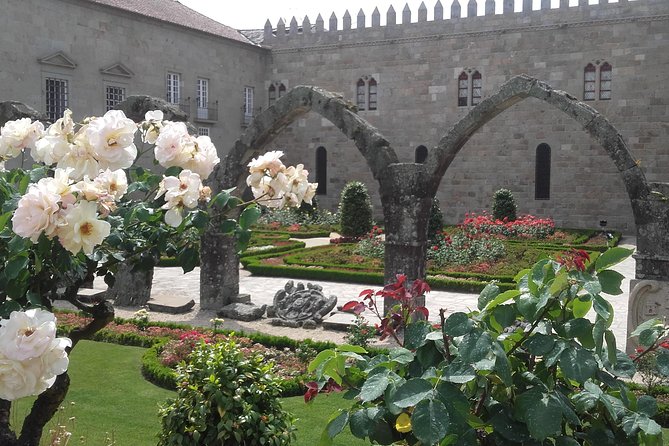
This is described as a walking tour that lasts about three hours. Since you’re visiting the cathedral area and historic gardens plus several tasting stops, plan on comfortable shoes and a steady pace.
The upside: breaks come naturally as you pass through gardens and landmarks between food. The pacing is set by the group size (2–10), so it should feel controlled rather than frantic.
What I’d bring with you:
- Comfortable walking shoes
- A light layer if you’re sensitive to morning chill
- A basic appetite strategy: eat the tastings, but don’t try to add a big meal right beforehand
Also, the tour ends back at the meeting point, which is a nice finish if you want to keep exploring on your own right after.
Who should book this Braga food tour (and who might not)
This tour fits best if you want:
- A food-and-history walking plan in a compact area
- A small-group experience where explanations matter
- Traditional Portuguese items like cheese tastings, bifana, bolinhos de bacalhau, and sweets like Tíbias
- Local drink pairings, including vinho verde, wine, and beer
If you’re the type who enjoys off-the-menu classics, this will feel like a direct line to how people in Braga eat.
You might want to skip it if:
- You need dietary accommodations, since the tour says it cannot accommodate dietary restrictions
- You’re uncomfortable with gizzard-based foods like moelas
- You want a fully vegetarian plan, since the provided tastings include pork and gizzard items
Should you book this Braga Small-Group Food Tour?
My take: this is a solid booking for first-time visitors who want more than a generic walking tour. The mix of five food tasting stops, drink tastings, and Braga landmarks makes it feel like a real morning meal with context, not just a handful of samples.
If you like Portuguese classics and you’re okay with meat-forward dishes (including moelas and pork specialties), you’ll likely love how the guide connects the food to the city’s character. And if you’re the kind of person who appreciates a guide naming what you’re eating—like Cristiane—this is the format that rewards that interest.
If you have strict dietary needs, or you strongly dislike offal, you should look for another option. In Braga, there are plenty of food tours, and this one is clearly built around the traditional flavors of the region.