REVIEW · PORTO
Dogma Wine Tasting – Serious Introduction
Book on GetYourGuide →Operated by Dogma Wine Bar · Bookable on GetYourGuide
Portuguese wine gets clearer fast here. This tasting is a serious introduction to Portugal’s native grapes, taught through small-producer bottles and an expert sommelier-led “DNA of Portuguese wine” lesson. I like the way the flight is built around native grapes (not generic explanations), and I also like the solid food pairing set that helps your palate stay awake and interested.
If you’re expecting a sightseeing-style tour, this won’t scratch that itch. The format is focused and classroom-like, and it stays in the wine bar for about 1.5 hours—perfect for wine people, less ideal if you want to walk around and see sights.
In This Review
- Key things I’d circle on your planning list
- Why a Serious Introduction Beats a Casual Sip
- Meet Vasilii at Dogma Wine Bar: How the Lesson Really Runs
- The 1.5-Hour Tasting Flight: 3 Whites, 3 Reds, One Portuguese DNA
- The whites: learn the range before you pick sides
- The reds: understand why the fruit doesn’t read like everyone else’s
- The Food Pairing: Bread, DOP Olive Oil, Cheese, and Iberico Ham
- Bread and olive oil: your palate’s reset button
- Cheese and ham: matching salt and fat to wine structure
- Boutique Producers and Terroir: Why This Matters More Than Labels
- What You Learn About Native Grapes and Style (Without Getting Lost)
- Price and Value: Is $93 Fair for 6 Samples and a Real Lesson?
- Where the Best Fit Is: Who Should Book This
- Who Should Skip It (Or Reconsider)
- Practical Tips to Get More From Your Glass
- Should You Book Dogma Wine Tasting – Serious Introduction?
- FAQ
- How long does Dogma Wine Tasting – Serious Introduction last?
- Where is the meeting point?
- What is included in the tasting?
- How many wines will I taste?
- Is the tasting in English?
- Who is this experience not suitable for, and what about cancellation and payment?
Key things I’d circle on your planning list

- Native-grape focus with both styles and where they come from in Portugal
- 6 structured samples (3 white, 3 red, about 70 ml each) for real comparison
- Senior sommelier-led guidance with credentials tied to Portugal’s top wine circles
- Food pairing that actually matches: bread, DOP olive oil, cheeses, and dry cured Iberico ham
- Boutique, terroir-connected producers instead of mass-market crowd pleasers
Why a Serious Introduction Beats a Casual Sip
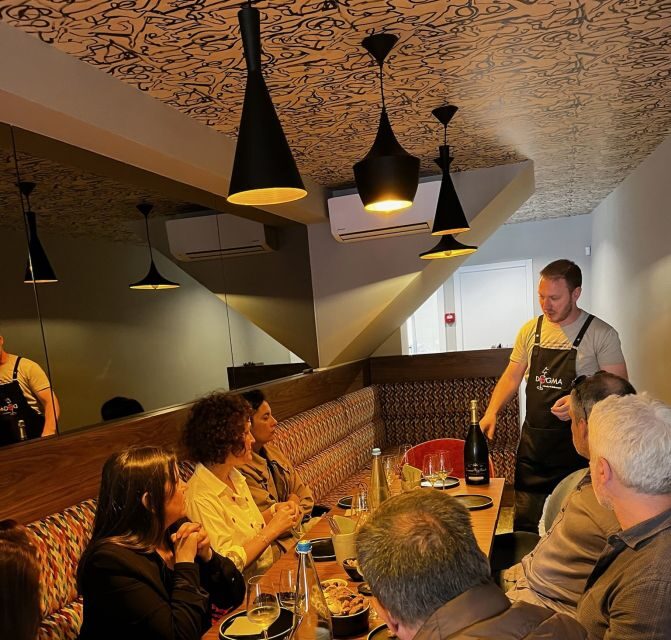
Some wine tastings feel like polite guessing games. This one feels more like a lesson you’ll still enjoy as you taste—because it’s built around clear themes: native grapes, terroir, and how Portuguese wine styles can differ without losing their identity.
The big win for you is structure. You taste 3 whites and 3 reds side by side, so you start noticing patterns right away instead of tasting six wines that all blur together.
I also like that the event doesn’t act like you need a fancy background. You’re guided through what to look for in aroma, fruit, texture, and style, so even if Portugal’s grape names are new, you’ll leave with a better mental map.
You can also read our reviews of more food & drink experiences in Porto


Meet Vasilii at Dogma Wine Bar: How the Lesson Really Runs
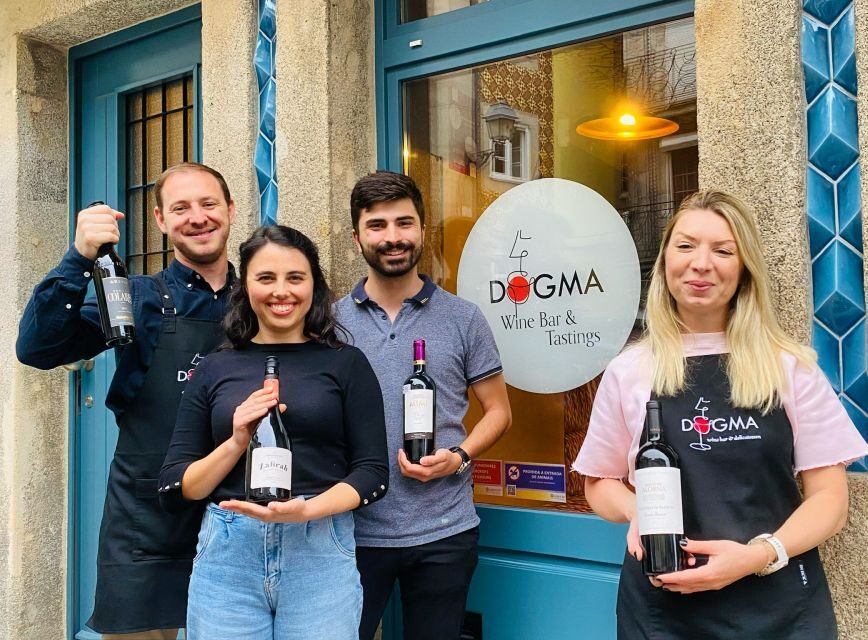
You meet at Dogma Wine Bar in Portugal’s Norte region. From the start, the tone is calm but focused, like someone handing you the keys instead of the menu.
The host is Vasilii, described as a senior sommelier with major national recognition. He’s twice honored sommelier of Portugal (2022 and 2023), ranked 3rd best of Portugal in 2024, and he’s also a semi-finalist for the Master of Port title (2025). If you like wine instruction that comes from real-world craft (not script-reading), this credential matters.
During the tasting, you can expect a guided flow rather than random pours. The format is set up to explain the main native grapes of Portugal, then connect each one to its typical style and where it tends to be made, so the wines stop being isolated bottles and start becoming a coherent story.
A small practical note: the instruction is in English, so you can focus on the wine instead of decoding translation.
The 1.5-Hour Tasting Flight: 3 Whites, 3 Reds, One Portuguese DNA
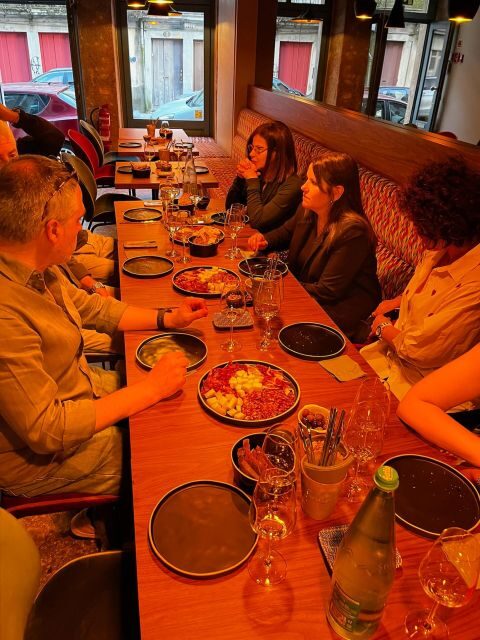
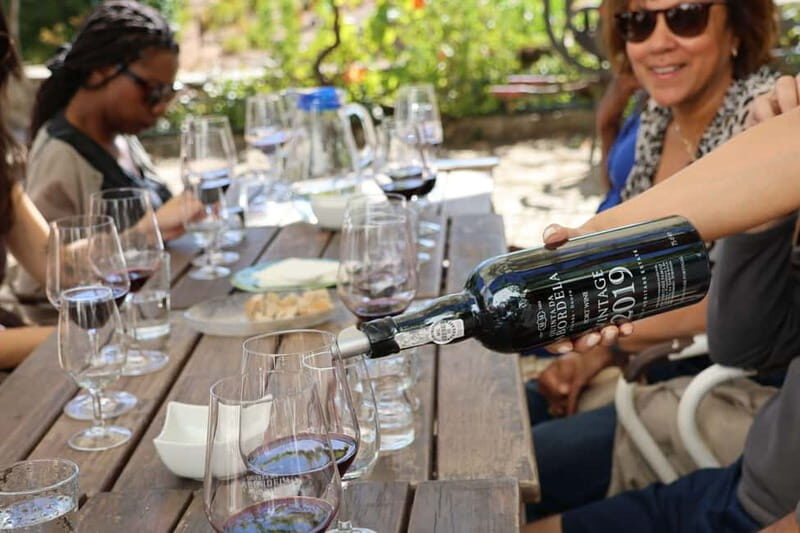
This is built around a simple but effective idea: compare in both directions. You’ll taste 6 wine samples total, broken into 3 different white wines and 3 different red wines—meant to show you the DNA of Portuguese wine across white and red expressions.
The whites: learn the range before you pick sides
The tasting starts with three whites, each chosen to highlight native grapes and how Portugal can sound very different depending on grape and style. You’re not just tasting for sweetness or acidity. You’re also learning what to notice in purity of fruit, texture, and how the winemaking approach influences the feel in your mouth.
For first-timers, this part is the best moment to reset expectations. Portugal’s whites can be lively and focused rather than heavy, and the lesson helps you separate what comes from grape character versus what comes from production style.
The reds: understand why the fruit doesn’t read like everyone else’s
Then you shift to the three reds, again built to show native grapes and distinct styles. You’ll taste with an ear for the grape’s personality and with an eye on location and production choices.
One of the smartest parts of the design is that you get “better understanding” through repeated comparisons, not through a single dramatic wine. By the time you reach the later pours, you’ll recognize how Portugal’s reds can stay expressive while still feeling distinct in structure and flavor direction.
You can also read our reviews of more wine tours in Porto



The Food Pairing: Bread, DOP Olive Oil, Cheese, and Iberico Ham
Wine tastings can be great on paper and annoying in practice. You’ll often end up hungry, then tasting gets less precise because your palate is tired.
Here, food is part of the plan, not an afterthought. You’ll have bread and DOP olive oil, plus high quality cheeses and a dry cured Iberico ham sample. Water is also included.
Bread and olive oil: your palate’s reset button
Bread with olive oil is one of the easiest ways to keep your mouth ready for the next pour. Olive oil also brings a distinct fatty texture and aromatic profile that helps you notice how each wine handles richness.
If you’ve ever tasted three wines in a row and felt your senses fade, you’ll appreciate this built-in rhythm. It keeps the tasting from turning into a blur.
Cheese and ham: matching salt and fat to wine structure
Cheese adds dairy fat and salt, which can make fruit feel rounder and tannins feel smoother. Dry cured Iberico ham brings a salty, savory edge and a deeper cured aroma that can highlight a wine’s acidity and finish.
The goal here isn’t to overwhelm flavors. It’s to give you a fair test. You start learning how a wine performs when it meets real food, not just when it sits alone in a glass.
Boutique Producers and Terroir: Why This Matters More Than Labels
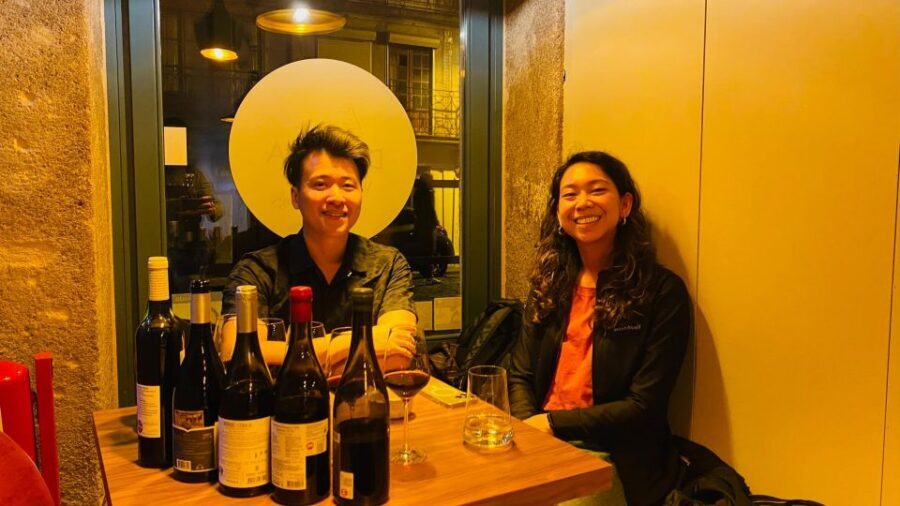
The lesson is built around small producers who are described as tightly connected to terroir and native grapes. That wording might sound like marketing until you taste, because these wines tend to show clearer grape identity instead of trying to imitate international styles.
You’ll also hear emphasis on boutique, high-quality bottles rather than a parade of common names. That choice is valuable for you because it changes what you remember. You’re less likely to walk away with a list of bottles you can’t find again, and more likely to walk away with grape and style knowledge you can reuse later.
In plain terms: this tasting helps you understand Portuguese wine as a system. Instead of chasing one favorite bottle, you start understanding what makes the next one likely to work for you too.
What You Learn About Native Grapes and Style (Without Getting Lost)
A good wine lesson gives you mental handles. This one focuses on the main native grapes of Portugal and explains their styles and where they’re commonly grown.
Here’s the practical value for you: once you learn the grape logic, reading a wine list gets less intimidating. You stop treating every Portuguese bottle like a mystery, and you start treating it like a set of clues.
You’ll learn in a way that’s designed for comparisons: what white grapes do differently from red grapes, how styles shift, and how native grape character shows up in glass. That’s what turns a tasting from entertainment into something you can use at home when you’re choosing wines for dinner.
And because the host is positioned in top Portuguese wine circles, you can feel that the instruction is grounded in craft and judgment. He’s not just telling you what to taste. He’s telling you what matters and why.
Price and Value: Is $93 Fair for 6 Samples and a Real Lesson?
At $93 per person, you’re paying for a guided tasting experience with serious wine credentials and included food. On paper, it might sound steep until you look at what you’re getting.
You get:
- 6 wine samples at about 70 ml each
- Bread and DOP olive oil
- Cheese and a dry cured Iberico ham sample
- Water and senior sommelier guidance throughout
That’s not just a couple of sips. It’s enough wine volume to actually compare, and enough food to keep tasting from getting sloppy.
Also, you’re paying for decision-making support. If you’ve ever bought a bottle and later thought, I liked it on vacation but I don’t know what I’m doing, this kind of lesson helps you avoid that. You’re buying context and taste skills, not just liquid.
If you’re the type who wants to taste widely and learn fast, the value is strong. If you’re simply trying to drink a glass or two and move on, you may find it more structured than you need.
Where the Best Fit Is: Who Should Book This
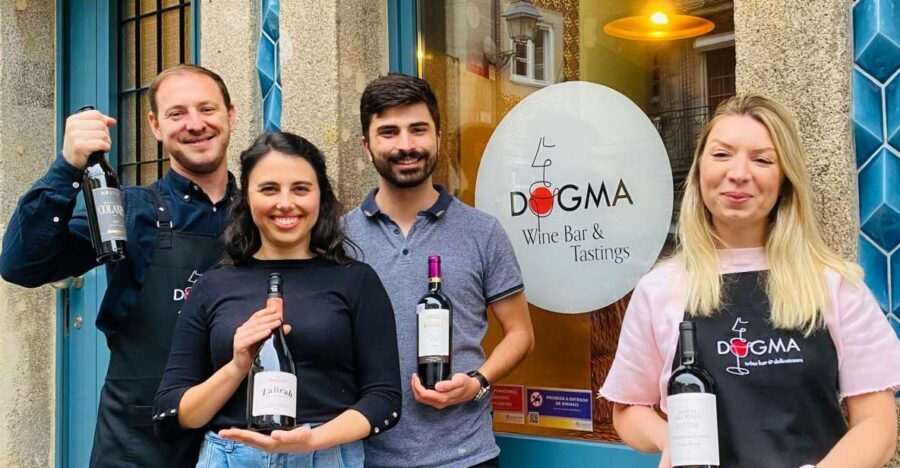
This tasting fits you best if:
- You like wine education that stays practical and focused
- You want to understand Portuguese native grapes instead of collecting random labels
- You enjoy pairings and want to see how wine works with food
It’s also a good fit if you’re traveling with friends who like chatting. The vibe is relaxed, so conversation doesn’t feel like an interruption. The event is scheduled for 1.5 hours, but the pace and atmosphere make it easy to ask follow-up questions.
If you’re worried about long explanations, don’t be. The structure is built around tasting and immediate comparison, not a lecture-only format.
Who Should Skip It (Or Reconsider)
This activity is not suitable for:
- Pregnant women
- Children under 18
That likely relates to the nature of alcohol service and the lesson format, so it’s best to plan a different activity if either applies.
Also, if you want a loud party or a big walking tour, you’ll be happier choosing a different style of experience. This is centered on wine, food pairings, and guided learning in one place.
Practical Tips to Get More From Your Glass
You’ll get more out of this tasting if you arrive with curiosity and a slow approach. Try not to rush the first pours. Early wines are there to set the reference points for everything that comes next.
If you’re new to Portuguese grapes, pick one goal for the lesson. For example: learn what to order for a first Portuguese dinner, or figure out which native grapes you like in white versus red.
And don’t be shy about questions. The experience is designed around the host explaining styles and locations, so your curiosity becomes part of the program.
Should You Book Dogma Wine Tasting – Serious Introduction?
Yes, if you want a focused, high-quality Portuguese wine lesson that goes beyond surface-level descriptions. The combination of native-grape education, boutique producers, and included food pairing gives you a complete tasting arc in 1.5 hours.
Skip it only if you need sightseeing, or if you’re looking for a casual, low-structure sip-and-go. This is for people who enjoy learning while tasting—and who like to leave with clearer choices for what to drink next.
If that sounds like you, book it. You’ll walk out with a better sense of Portuguese wine’s identity, not just a few pleasant memories of flavors in glass.
FAQ
How long does Dogma Wine Tasting – Serious Introduction last?
It lasts about 1.5 hours.
Where is the meeting point?
The meeting point is Dogma Wine Bar.
What is included in the tasting?
It includes water, bread and olive oil, 6 wine samples (about 70 ml each), high quality cheeses, and a dry cured Iberico ham sample, plus guidance from a senior sommelier.
How many wines will I taste?
You’ll taste 6 wine samples, with 3 different white wines and 3 different red wines.
Is the tasting in English?
Yes. The instructor is listed as English.
Who is this experience not suitable for, and what about cancellation and payment?
It is not suitable for pregnant women and children under 18 years. Free cancellation is available up to 24 hours in advance for a full refund, and you can reserve now and pay later.