REVIEW · PORTO
Córdoba: Discover the Soul of Spanish Natural Wine & Cuisine
Book on GetYourGuide →Operated by Timonfaya Travel Lanzarote · Bookable on GetYourGuide
Natural wine tastes better when you get the story.
This Córdoba-titled tasting focuses on natural Spanish wine—small productions picked from across Spain—with a relaxed, learn-as-you-go flow. You meet at Jugo Vinos, tell your name, and settle in for an English-guided session built around both wine and Mediterranean plates.
I especially like how the experience teaches you without turning it into a lecture. You’re guided through the winemaker stories and the style choices behind what’s in your glass. A possible drawback: the included menu clearly leans toward fish (anchovy and smoked sardines), so you’ll want to flag dietary restrictions early if that’s an issue.
In This Review
- Why this natural wine tasting feels different
- Arriving at Jugo Vinos: where the tasting starts
- The flight: sparkling, whites, reds, and one sweet pour
- Pairing lessons you’ll actually remember
- The tapas lineup: Mediterranean bites with a salty spine
- Toasted almonds with rosemary
- Anchovy tapa on sheep butter toast
- Gilda of anchovies in vinegar
- Tomato salad with smoked sardines
- Cheese board
- How natural-wine stories change what’s in your glass
- Córdoba’s “hidden corner” feeling—and why it’s worth your time
- Who this tasting suits best (and who should consider alternatives)
- Price and value: $69 for six pours plus tapas
- Small practical tips before you go
- Should you book this Córdoba natural wine tasting?
- FAQ
- How long is the tasting?
- What wines are included?
- What food is included?
- Where is the meeting point?
- Is the tour guide available in English?
- Can you accommodate dietary restrictions?
Why this natural wine tasting feels different
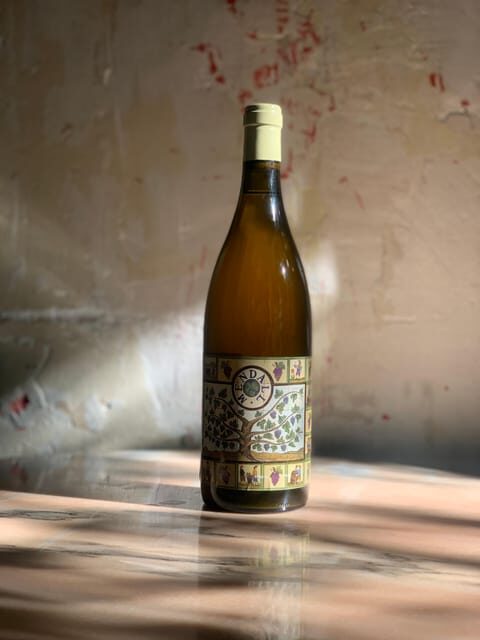
- Spanish natural wine, small-producer focused: you’re introduced to unique wines made in limited runs, not generic crowd-pleasers.
- A relaxed 1.5-hour pace: it’s designed to feel social and easy, so you can actually pay attention to flavors.
- Tapas that match the mood of the wines: salty, bright, and seasonal plates keep the tasting moving.
- A Córdoba angle, off the main tourist trail: it has that lesser-seen, local-feeling vibe the highlights promise.
- English live guide: helpful explanations without the pressure of a fast group tour.
Arriving at Jugo Vinos: where the tasting starts
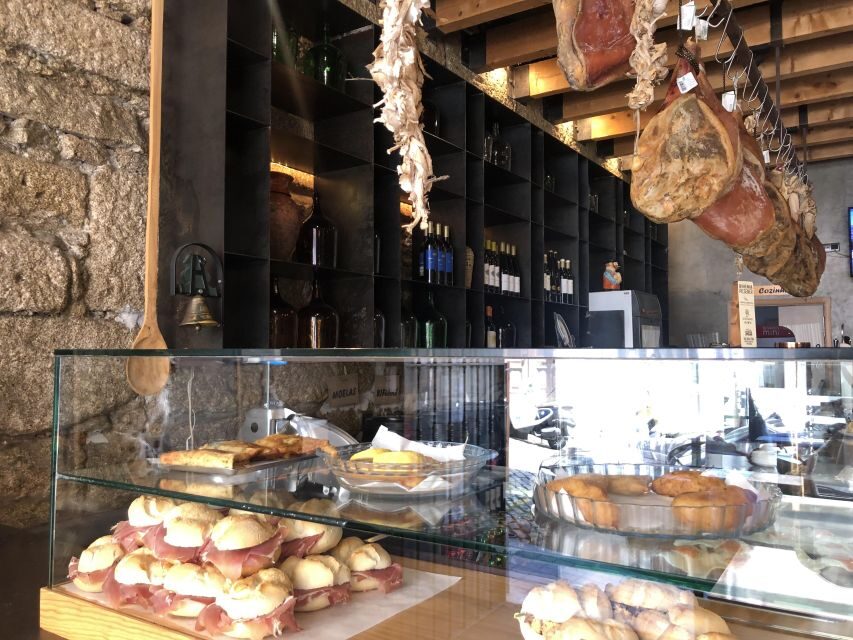
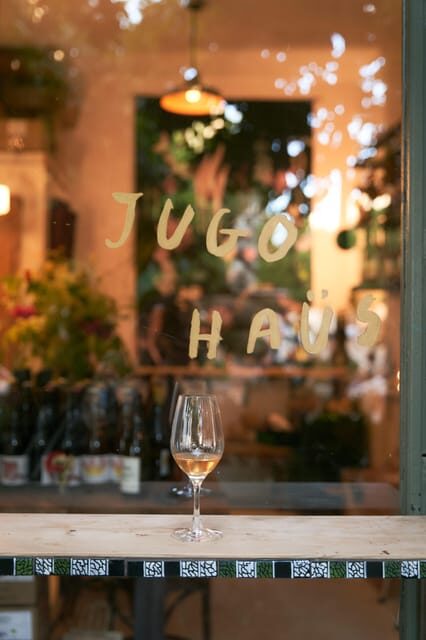
Your first move is simple. Just enter Jugo Vinos and tell your name. That’s it—no complicated public-meeting-riddle. Once you’re in, you’re set up for a small, guided tasting with food coming along right away.
The format matters. A wine bar-style setup usually keeps things casual, and this one is aimed at letting you talk as you taste. You get the guide’s English explanations, plus the winemaker stories that give meaning to what you’re drinking. It’s not just about identifying flavors; it’s about understanding choices.
If you’re the kind of person who likes asking questions—what makes natural wine different, why a producer chooses a certain style—this is built for you.
You can also read our reviews of more wine tours in Porto

The flight: sparkling, whites, reds, and one sweet pour
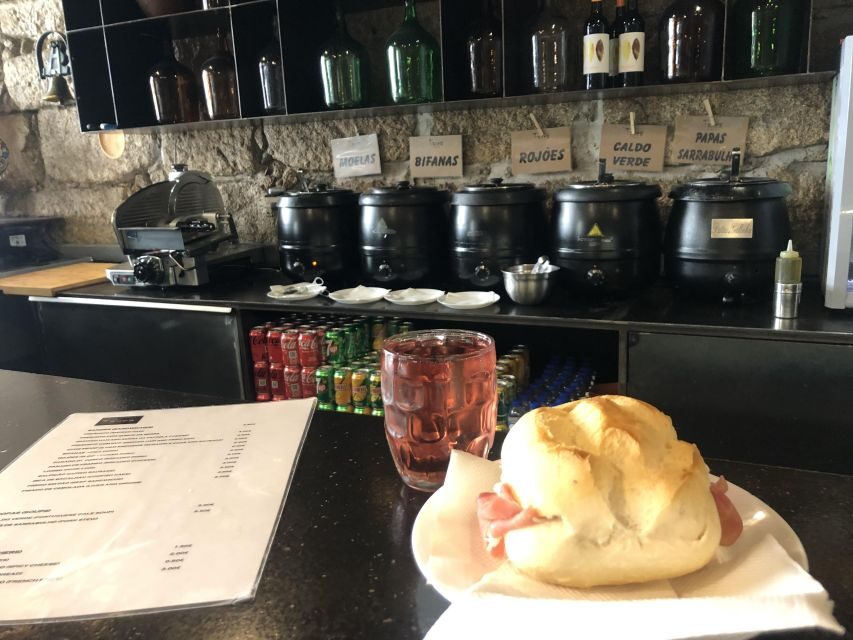
This is not a one-glass event. The included drinks list gives you 1 sparkling wine, 2 whites, 2 reds, and 1 sweet wine. That lineup is important for your learning because it lets you compare how natural wine styles shift across the spectrum.
Here’s the key idea you’ll pick up: natural wine is often about process and producer decisions more than just grape variety. Even if you don’t know the technical vocabulary, the guide’s job is to connect the dots between what’s in the bottle and how it tastes in your glass.
Expect surprises. “Natural” can mean anything from light and lively to more rustic and funky. With multiple whites and reds in the tasting, you’ll get a decent sense of range—so you can figure out what style you actually enjoy, not just what you’ve heard is trendy.
Practical tip: pacing helps. With a 1.5-hour duration, your palate will move fast. Sip, pause, and take a breath between pours so you can remember what each one tastes like.
Pairing lessons you’ll actually remember
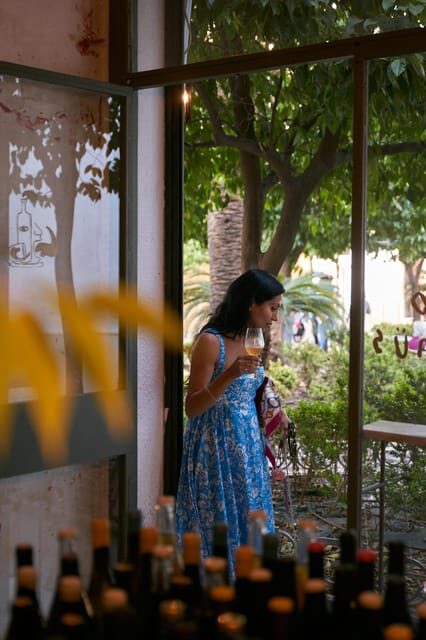
The tasting is paired with small plates designed to match what’s happening in your glass. You’re not being thrown a pile of food and told to guess. The pairing focus is the point: it helps your brain separate wine flavors from food flavors and see what works.
For me, that’s the best part of tastings like this: you stop drinking on autopilot. Instead, you start asking better questions, like:
- Does the wine feel more crisp or softer after a salty bite?
- Do certain tastes feel sharper with white wine versus red?
- Where does sweetness land after the savory plates?
The guide’s role is to keep it relaxed while steering you toward those observations. If you’ve ever walked away from a tasting thinking, I liked it but I’m not sure why, this format usually fixes that.
The tapas lineup: Mediterranean bites with a salty spine
The included sample menu isn’t generic bar snacks. It reads like a Mediterranean shortlist with strong, memorable flavors—especially for anyone who loves seafood-forward food.
You’ll see these items included:
- Toasted almonds with rosemary
- Anchovy tapa on sheep butter toast
- Gilda of anchovies in vinegar
- Tomato salad with smoked sardines
- A delightful cheese board
Let’s translate what that means for your tasting experience.
Toasted almonds with rosemary
This is the kind of bite that acts like a palate primer. Toasted nuts bring warmth and crunch, while rosemary adds a herbal note that can make lighter wines feel more aromatic. It’s also a good, small start if you’re not trying to go straight into intense fish flavors.



Anchovy tapa on sheep butter toast
Anchovy can be love-it-or-why-did-I-do-that. Here it comes paired with sheep butter toast, which softens the brininess with richness. It’s a smart pairing because natural wines often have textures—some feel dry, some feel lively, some feel more rustic—and salty-fat combos reveal those textures fast.
Gilda of anchovies in vinegar
Vinegar changes everything. The acidity cuts through fat and salt, and it can make wine taste either sharper or cleaner depending on the pour. If you’re paying attention, this is where you’ll start noticing how acidity in both food and wine interacts.
Tomato salad with smoked sardines
Smoked sardines bring that deeper, savory character. Tomatoes add brightness, and together they create a flavor that can handle red wines more easily than many people expect. If you thought red wine only pairs with heavy meats, this plate is a nudge to broaden your instincts.
Cheese board
A sweet pour comes with the set, and the cheese board is a useful bridge in that final stretch. Cheese can smooth rough edges and pull sweetness into focus. It’s also a comfortable way to end a tasting when you want one last guided moment before you walk away.
How natural-wine stories change what’s in your glass
The tasting is built around the stories behind the winemakers and the mission/passion behind their work. That detail isn’t fluff. When you understand why a producer made a certain choice—how they approach natural fermentation, how they treat the vineyard decisions—you taste with more context.
You’ll also notice something: natural wine doesn’t behave like the same “safe” flavor style from bottle to bottle. The goal here seems to be to help you learn how to taste differences respectfully, instead of chasing one exact flavor you think you’re supposed to like.
This matters if you’re new to natural wine. The tasting gives you a guided path through uncertainty. You’re not dumped into the deep end; you get direction while still getting to make your own choices on what you enjoy.
Córdoba’s “hidden corner” feeling—and why it’s worth your time
The highlights promise an off-the-beaten-track experience that makes you feel like a local. I take that to mean two things.
First, it’s not built like a big scripted tourist event. A 1.5-hour wine-and-tapas set with a guide and a manageable menu usually stays conversational. Second, the focus on small Spanish wine productions suggests you’re being pointed toward real sourcing choices, not the easiest bottles for mass appeal.
Also, the name Córdoba matters for your expectations. Even if you’re in the Norte Region of Portugal for the activity location listed, the tasting itself is Spanish natural wine-focused and leans into that Córdoba energy through its theme and the wine story angle.
If you want a break from museum-and-checklist travel, this is the kind of evening plan that helps you understand a place through what people actually eat and drink.
Who this tasting suits best (and who should consider alternatives)
This one is best for:
- People who like natural wine and want to learn the basics through tasting, not theory
- Food lovers who enjoy anchovies, sardines, tomatoes, and cheese
- Travelers who prefer a short, friendly session over a long formal tour
- Anyone who wants an English-guided experience with a calm pace
Consider skipping or thinking twice if:
- You have fish allergies or strong aversions (anchovy and smoked sardines are part of the included menu)
- You’re expecting a full-on cooking class. This is a tasting plus tapas, not a kitchen workshop
- You want a long sit-down meal. It’s 1.5 hours, so it moves at a tasting speed
Price and value: $69 for six pours plus tapas
At $69 per person for 1.5 hours, the value is strongest if you’re actually going to drink and eat what’s included. You get 6 wine pours (sparkling, whites, reds, sweet) plus a tapas sample menu and cheese, plus rosemary almonds. That’s a lot of content for one seated experience.
Here’s the realistic way to judge it: you’re paying for guided selection and pacing. If you tried to recreate this yourself, you’d spend time figuring out which natural wines to buy, how to pair them, and where to get a menu that actually matches. This does that planning for you, inside a short time window.
Also, the “natural Spanish wine from small productions” angle typically means fewer obvious, easy choices. That alone can justify the cost if you want something beyond mainstream brands.
If your priority is only one or two glasses of wine, you might feel the price is heavier. But if you like comparison tasting—different whites, different reds, then a sweet finish—the structure gives you a lot of value.
Small practical tips before you go
- If you have dietary restrictions, tell the team in advance so they can advise you. The menu includes fish items.
- Wear something comfortable. Even with a short session, you’ll be tasting and pairing in a steady flow.
- Go with an appetite for salty, savory flavors. Anchovy and smoked sardines are doing major work here.
- If you’re sensitive to acidity or strong flavors, don’t judge the wine only at the start. Taste again after the next plate—pairings shift impressions quickly.
Should you book this Córdoba natural wine tasting?
I’d book it if you want a guided natural wine experience that pairs well with real Mediterranean flavors and keeps things relaxed. The mix of sparkling, multiple whites, multiple reds, and a sweet finish gives you enough range to learn what you like.
I’d think twice if fish is a dealbreaker for you, since anchovy appears in more than one included plate. If you’re flexible and willing to try, you’ll get a fun, story-driven tasting that feels more local than touristy.
FAQ
How long is the tasting?
The duration is 1.5 hours.
What wines are included?
You get 1 sparkling wine, 2 whites, 2 reds, and 1 sweet wine.
What food is included?
Tapas from a sample menu are included, plus toasted almonds with rosemary and a cheese board.
Where is the meeting point?
Just enter Jugo Vinos and tell your name.
Is the tour guide available in English?
Yes, the live tour guide speaks English.
Can you accommodate dietary restrictions?
Yes. Please advise of any dietary restrictions in advance.