Tiles, paint, and a drink. Portuguese azulejos come alive when you learn the how and why, then put it on a blank tile. I especially like the step-by-step approach that makes the workshop feel doable, even if you are not an art person.
I also like the pairing of culture and downtime: a short history talk plus time to paint at a comfortable pace with a local cocktail (or juice). One thing to plan for is that your tile needs a curing/firing step, so you’ll want to time your day around taking it back about an hour after the workshop ends.
You meet in downtown Porto and finish back at the same spot, so this works well as a midday reset from hill-walking. And with a small max group size of 20, the studio stays friendly and not chaotic.
In This Review
- Key things to know before you go
- A Tile Painting Class That Feels Like Porto, Not a Craft Store
- Where You Start in Downtown Porto (and Why It Matters)
- The Two-Hour Flow: History, Tile Styles, and Your Painting Plan
- The history talk: how tile became Portuguese
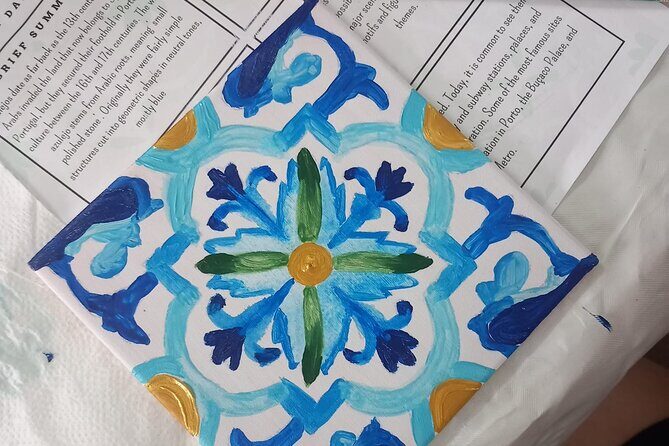
- Colors and styles: what you should look for on your own tile
- Choosing your pattern: free-hand or outline
- Painting time: acrylic work and quick next steps
- Cocktails and Juice: A Small Porto Ritual While You Paint
- Your Finished Tile: What You Take Home (and When)
- Meeting Daniella and the Studio Pace at Boiler Studios
- How to Fit It Into a Porto Day Without Stress
- Best time slots
- Pairing ideas
- Plan for tile pickup timing
- Who This Workshop Suits (and Who Might Not)
- Price and Value: Is $42.34 Worth It?
- Practical Tips Before You Go
- Should You Book This Tile Painting and Cocktails Class?
- FAQ
- How long is the Tile Painting and Cocktails experience in Porto?
- How much does the workshop cost?
- Is the workshop offered in English?
- What is included besides painting a tile?
- Where is the meeting point?
- How many people are in the group?
- Can I take my tile home?
- What is the cancellation policy?
Key things to know before you go

- A hands-on tile souvenir you paint yourself and can retrieve soon after class
- Short Portuguese tile history tied to Porto sights and the colors people love
- In-studio guidance for all skill levels, from simple patterns to free-hand
- Cocktails or juice while you paint, so it feels like a relaxed Porto break
- Small group size (20 max) with lots of staff attention
- Boiler Studios vibe: clean, spacious, easy to find in the city
A Tile Painting Class That Feels Like Porto, Not a Craft Store
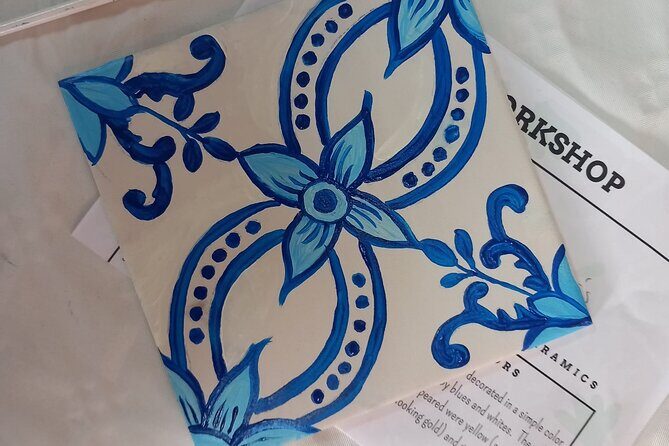
Porto has a way of turning small details into big identity. One of the best examples is azulejos, the famous painted ceramic tiles you see on building fronts, stairways, and churches. This workshop takes that everyday art and makes it personal: you get the background, the visual language (the colors and styles), and then you make your own version.
The format is also a smart match for travel rhythm. You spend around two hours doing something practical and creative instead of just looking. The history portion is built to stay understandable, not lecture-y, and it’s followed by actual painting time when your brain is ready to do something different.
A bonus is the “downtown break” factor. Porto’s streets can be steep, and the studio setup gives you a calmer pocket of time without getting stuck in a long guided walking day.
You can also read our reviews of more tours and experiences in Porto.



Where You Start in Downtown Porto (and Why It Matters)
You start at R. Chã 77, 4000-165 Porto, and the activity ends back at the same meeting point. That may sound minor, but it helps you plan. You don’t have to map out an extra drop-off, and you can treat this as a reliable block in your schedule.
It’s also near public transportation, which is useful if you are moving between the waterfront and the center of town. In practice, it makes a big difference when your legs are already tired from Porto hills.
And because the group is capped at 20 travelers, you can expect a studio flow where you’re not constantly waiting for your turn. That matters for a workshop, because painting is timing-based: you want instructions when the paint step is ready, not 30 minutes later.
The Two-Hour Flow: History, Tile Styles, and Your Painting Plan
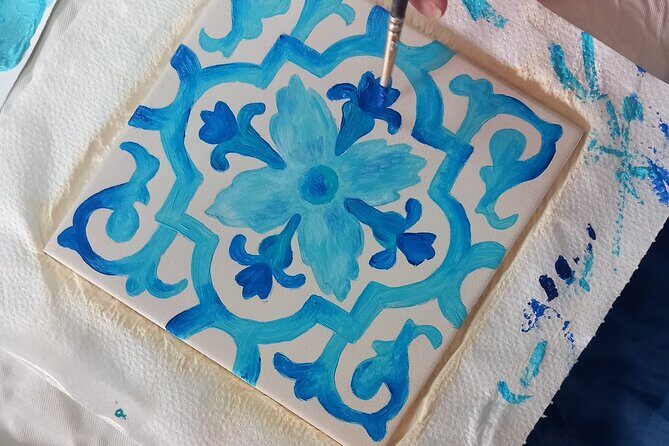
This experience runs about 2 hours. The learning piece is built right into the same timeframe rather than feeling like a separate tour.
The history talk: how tile became Portuguese
Early on, you get a guided overview of Portuguese tile history—how these ceramics became central to Portuguese visual culture. The class also covers who influenced tile decoration and why certain look-and-color choices became common in Porto and across Portugal.
You’ll also get pointers to the most visited attractions—the kind of places where you notice azulejo work fast once someone tells you what to look for. Even if you already plan to visit the big sites, this makes your eyes sharper when you’re outside walking later.
Colors and styles: what you should look for on your own tile
The workshop does not just say paint anything. It helps you focus. You learn which colors are most commonly used in tiles in Porto and Portugal, and that gives your choices an anchor.
This matters for value. A lot of “make a souvenir” classes let you play freely but leave you unsure what you’re actually doing. Here, the guidance steers you toward a tile look that feels at home in Portugal rather than generic “blue-and-white-ish.”






Choosing your pattern: free-hand or outline
From the way the class is described, you have options. You can typically choose a simpler design and follow a provided outline, or try free-hand. If you’re the kind of person who wants control (or your brain wants structure), an outlined pattern can be a relief. If you’re confident, you can go more personal with your own approach.
If you want your tile to look clean and balanced, pick your pattern early. The class pace rewards decisions made before paint starts drying.
Painting time: acrylic work and quick next steps
The painting itself uses acrylics. Reviews also point to a fast curing step that helps your tile become sealed within minutes. That’s practical for travelers. You’re not stuck in “wait for glaze” limbo; you’re working in a smoother cycle where you can actually enjoy the creative part.
Expect a step-by-step process. The instruction tone is patient and clear, and staff help as needed, which is why people who feel non-artistic still end up happy with their finished tile.
Cocktails and Juice: A Small Porto Ritual While You Paint
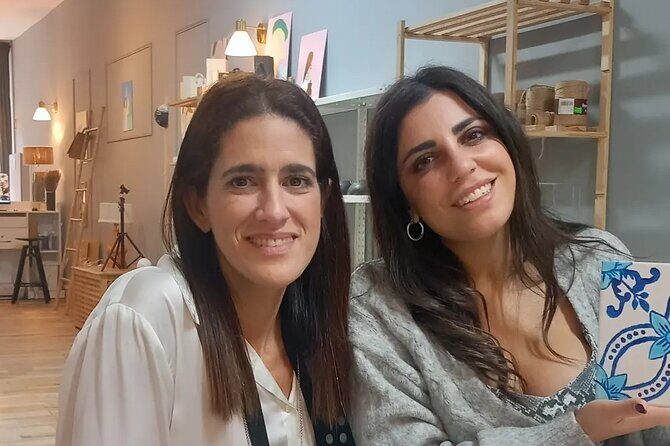
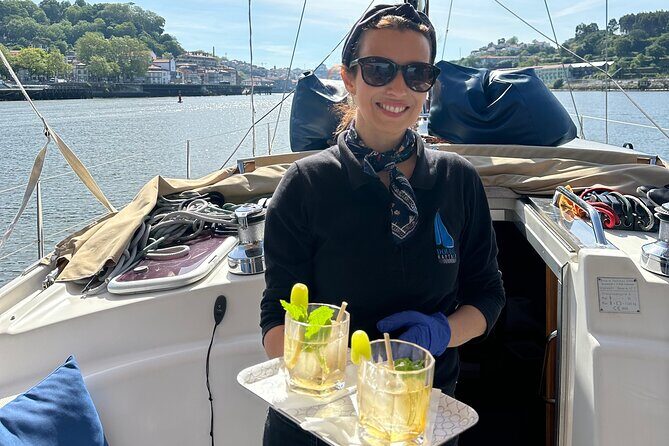
The workshop is not only about tile—it comes with a drink experience while you paint. You can choose juice or a gin port cocktail, depending on what you feel like that day.
This is a small detail, but it changes the vibe. A guided studio class can sometimes feel like a lesson you have to get through. Here, the drink makes it more social and relaxed, which fits Porto well. You get to slow down, chat, and focus on one task at a time.
If you’re combining this with sightseeing, I like treating it as a built-in pause. You can paint, sip, and reset your energy before you head back out.
Your Finished Tile: What You Take Home (and When)
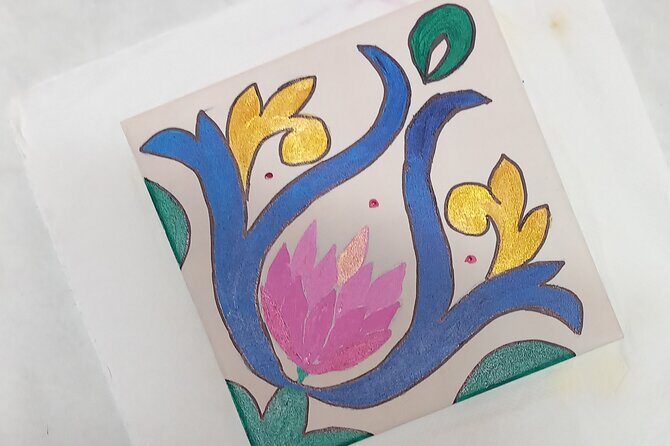
Here’s the part that makes this more than a temporary souvenir. You create a tile you can take home, and the process is designed so you’re not tied up with long waits.
The experience notes say it’s possible to remove the tile one hour after the workshop ends using a technique the team developed. That aligns with what many people report: your tile is ready around an hour later rather than only after shipping.
Some people also mention picking the tile up later after it’s fired. In real life, that usually means you plan a short window after class. So I recommend treating this like: paint during the workshop, then return around an hour afterward for pickup.
What to do with this info:
- If you’re booking on a day with tight connections, leave a cushion afterward.
- If you’re doing a “tiles and sights” route, pair this class with nearby stops so you’re not scrambling later.
Either way, taking home a handmade ceramic piece beats buying a mass-produced tile you can find anywhere. It becomes a memory you can put on an entryway wall, not just a photo on your phone.
Meeting Daniella and the Studio Pace at Boiler Studios
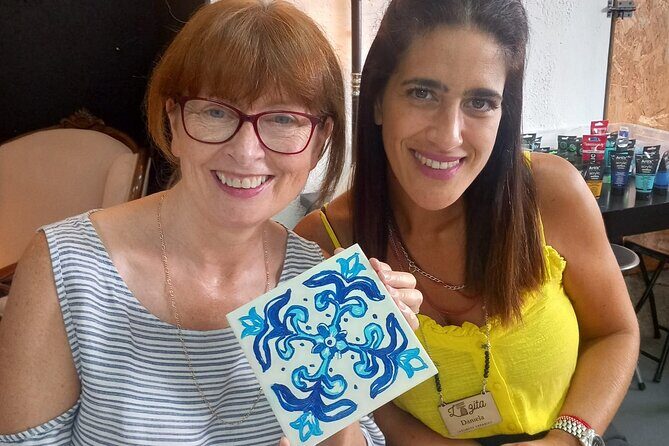
A lot of the warmth here centers on the instructor and the studio team. Daniella is named in multiple accounts as the teacher, and the vibe described is friendly, personal, and guided.
That matters because tile painting is deceptively hands-on. You’re dealing with patterns, line control, and color placement. If the instructor explains clearly and sticks with your progress, you end up with something you actually like.
The studio itself is described as clean and spacious, and people say it’s easy to find. That’s not glamorous, but it’s important. A workshop should feel comfortable, with room for painting and enough space to set up without stress.
Also, the class works well for a mix of ages. People mention it being a fun option for families and for solo travelers. In a city where it’s easy to feel like you need to pick one kind of activity (tours only, food only, museums only), this gives you an in-between option.
How to Fit It Into a Porto Day Without Stress
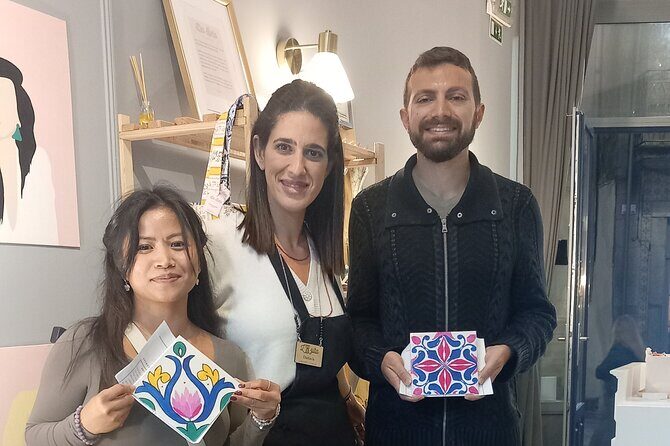
I like this workshop as a “choose-your-own pacing” plan.
Best time slots
Because it runs about two hours, it can work well as:
- a relaxing morning start before heavier walking
- an afternoon reset when you want a break from the hills
If you’re doing multiple Porto neighborhoods, this is a useful anchor. You also finish back at the meeting point, so you’re not stuck rerouting late in the day.
Pairing ideas
Once the class gives you tile context and color awareness, you’ll notice azulejos faster while you walk. So I’d pair this with sightseeing where you expect strong tile coverage. Think churches, facades, and places with decorative tile panels. You don’t need to plan an intense route right away; the class helps you see the art where it’s already there.
Plan for tile pickup timing
Remember that your tile is not just “paint and leave.” It needs curing/firing. Build in the chance to retrieve it about an hour after class. If your afternoon already runs on a knife edge, you might feel rushed.
Who This Workshop Suits (and Who Might Not)
This is a strong fit if you want:
- a hands-on Porto activity that creates a real keepsake
- a class with clear instructions and patience for different skill levels
- a break from hills and fast walking days
- a small-group experience with a friendly instructor
It may be less ideal if:
- you want something purely sightseeing-focused with no creative work
- you have zero flexibility for pickup after the workshop
- you dislike structured steps and want only free-form wandering
That’s the trade. The payoff is a custom souvenir plus a quick cultural education that makes azulejos click.
Price and Value: Is $42.34 Worth It?
At $42.34 per person, you’re paying for more than paint. You’re paying for a guided workshop, a finished ceramic souvenir process, and time built for travelers (about two hours, small group size, plus drink included).
Here’s how I think about value:
- If you were to buy a nice tile souvenir, you’d likely spend a similar range, and it would not be yours.
- The history portion adds meaning, so the souvenir feels tied to Porto rather than just decoration.
- The cocktail/juice makes it feel like a complete experience, not a rushed craft stop.
The “value” isn’t just the price number—it’s what you leave with: a handmade tile you can actually display and a clearer understanding of why azulejos are everywhere in Portugal.
Practical Tips Before You Go
A few small moves can make your tile come out better and your day smoother.
- Pick your design early if you want a neat result. If you overthink mid-session, you’ll lose time.
- Wear clothes you’re okay with getting a little paint on. Even well-run studios can be messy around the edges.
- Plan for a return pickup window about an hour after class ends, since the tile needs curing/firing.
- If you’re sensitive to language barriers, this is offered in English, which helps a lot for international travelers.
Should You Book This Tile Painting and Cocktails Class?
If you want a Porto memory you can hang on your wall, not just carry in your photos, I think this is a very smart booking. The best part is the balance: you get tile history plus a relaxed, guided painting session, and you leave with a real keepsake that feels personal.
I’d book it if you like interactive experiences, appreciate cultural context, and can spare a short buffer for tile pickup. If your schedule is extremely rigid after the class ends, then think carefully about that retrieval timing.
But for most people visiting Porto, this is one of those rare “worth the time” activities: creative, friendly, and tied to a local art form you’ll notice every day once you know what you’re seeing.
FAQ
How long is the Tile Painting and Cocktails experience in Porto?
It lasts about 2 hours.
How much does the workshop cost?
The price is $42.34 per person.
Is the workshop offered in English?
Yes, it is offered in English.
What is included besides painting a tile?
You’ll learn part of the history of Portuguese tiles, and the experience includes sipping a local cocktail (with an option for juice).
Where is the meeting point?
You meet at R. Chã 77, 4000-165 Porto, Portugal, and the activity ends back at the meeting point.
How many people are in the group?
The experience has a maximum of 20 travelers.
Can I take my tile home?
Yes. The experience is set up so it’s possible to remove the tile about one hour after the workshop ends.
What is the cancellation policy?
Free cancellation is available if you cancel at least 24 hours in advance for a full refund. If you cancel less than 24 hours before the experience’s start time, you will not receive a refund.