REVIEW · PORTO
The Secret Garden, a Private Mission to protect the Local Heritage in Porto
Book on Viator →Operated by Foxtrail Portugal · Bookable on Viator
Porto turns into a spy hunt.
This private mission, The Secret Garden, uses a storyline about protecting local heritage in invicta city, with the promise of a hard-to-find spot and a big payoff: a secret place tied to the Douro River. I like that it mixes serious care for heritage with playful problem-solving, especially around the Secret Garden plot.
I’m also drawn to the structure: you and your team solve clever clues and move through surprising stops instead of just following a straight sightseeing line. You’ll pass major landmarks like Sé do Porto and the Estação de São Bento, but the game also pulls you into lesser-known corners so the walk feels different from the usual Porto checklist.
One thing to consider: this is active. You’re looking at about 2 hours 30 minutes of game time, and the activity is not recommended for people with special needs and requires a strong physical fitness level, with good weather strongly affecting the experience.
In This Review
- Key things to know before you play
- A spy-style mission that turns Porto into a gameboard
- What you pay: price and time value at $22.11
- Where it starts: Natas d’Ouro and the QR-code kickoff
- The route you’ll follow: Sé do Porto, São Bento, and more
- What the Secret Garden story adds to your walk
- Teamwork and puzzles: how to make it fun (not frustrating)
- Timing and pace: planning a 2.5-hour slot in Porto
- Weather and physical demands: who should (and shouldn’t) book
- Getting the most out of it: small tips that matter
- Is this a good fit for families and Porto first-timers?
- Should you book the Secret Garden mission in Porto?
- FAQ
- How long is The Secret Garden mission?
- Where does the mission start?
- How do I start the mission on arrival?
- Do children have to scan the QR code?
- Is this a private activity?
- Where does the mission end?
- What’s the weather situation?
- Can I cancel for free?
Key things to know before you play
- Private group only: your team plays together, not mixed with strangers.
- Start at Natas d’Ouro (Pastelaria Soares): scan the QR code with your phone to begin the mission.
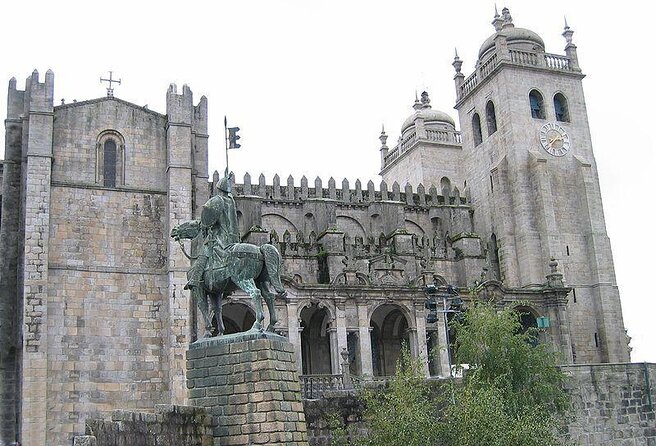
- Top-spot stops included: Sé do Porto and Estação de São Bento are part of the route.
- Riddles you solve as you walk: it’s about teamwork and decision-making, not just looking.
- Flexible pace: you can move at your own speed and take breaks when you need.
A spy-style mission that turns Porto into a gameboard
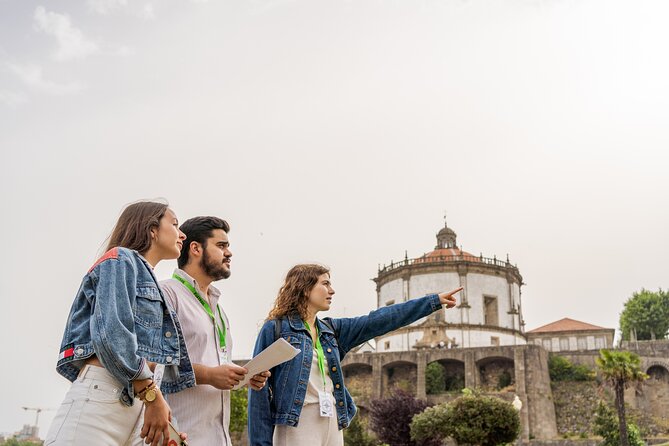
Porto is famous for beauty you can spot quickly. This experience is different. It asks you to slow down just enough to think, then speed up through small discoveries as your clues connect one place to another.
The mission theme is built around GLOOM, a secretive international organization, and a plan to vandalize a hidden charm of Porto. Your job is to prevent that by finding and protecting the Secret Garden. That storyline matters because it changes how you read the city: you’re not just walking between sights. You’re watching for details that help your team solve what comes next.
I also like the focus on “local heritage,” because you end up seeing Porto as something living and maintained, not just photographed. The goal is conservation-minded fun. The clues keep you engaged, while the landmarks keep the whole thing grounded in real places.
And yes, the story points to the Douro River view and a sense of immense wealth and secrecy tied to the garden. Even if you don’t get every detail, you’ll understand why the game wants you to approach the city with respect and curiosity.
You can also read our reviews of more tours and experiences in Porto.



What you pay: price and time value at $22.11
At $22.11 per person for about 2 hours 30 minutes, this is priced like an active attraction that replaces some of your normal paid sightseeing. The value is in what you get for that time: a private, team-based mission with multiple major stops and a clear ending point.
Here’s the practical way I see the value. If you plan to do only one “walk-through-the-city” activity, this gives you more structure than a self-guided roam. If you’re trying to cover Porto’s big hitters—like São Bento and Sé—this helps you do it in a playful, less predictable way.
Private group also matters. Even though you’re paying per person, you’re not dealing with the friction of keeping strangers together. Your team can talk through clues without anyone rushing the pace.
One small caution for value: it’s not a sit-down museum style visit. If you expect lots of rest, this might not be the right fit. The experience is built around movement and thinking on the go.
Where it starts: Natas d’Ouro and the QR-code kickoff
The mission begins at Natas d’Ouro (Pastelaria Soares) at Av. de Ramos Pinto 210, in Vila Nova de Gaia. That’s a smart starting choice for one big reason: you’re positioned for a fun mix of river-area atmosphere and easy access to Porto’s core highlights as your route unfolds.
After booking, you get an email confirmation code with instructions. Then you go to Natas d’Ouro and find the QR code to start the game. All players must scan it with their mobile devices to initiate the mission. Children don’t need to do the scan, which makes family participation simpler.
This phone-first start changes how you’ll experience the route. Instead of getting a printed map, your team gets a mission activation moment, then works through the clues as you go. Bring a charged phone and make sure you have enough battery for a full 2–3 hour window. Also, if your group has multiple phones, coordinate who’s handling scanning and who’s reading clues so nobody’s stuck waiting.
Because it’s a mobile ticket experience, reliability matters. If your signal is spotty, you’ll still want to be ready to proceed at the right places without panicking mid-walk. The good news: the route is built around a series of known stops, including iconic ones, so you’re not wandering without structure.
The route you’ll follow: Sé do Porto, São Bento, and more
Your game route takes you to some of Porto’s most recognizable spots. Two highlights are explicitly called out: Sé do Porto and Estação de São Bento.
Sé do Porto is a meaningful stop because it’s not just a pretty building. It gives your team a grounded sense of place—Porto’s spiritual and historic center—so the mission feels anchored, not random. Even with a puzzle in hand, you’ll likely slow down here, because landmarks like this tend to reward attention to detail.
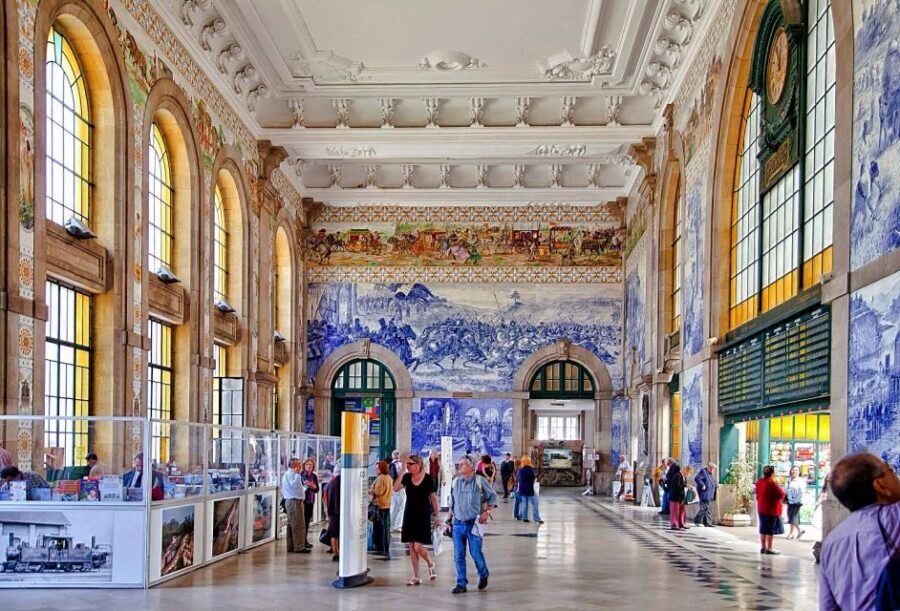
Then there’s Estação de São Bento, which is famous for its azulejo tile walls. In a regular visit, people rush for photos. In this mission format, you have a reason to look longer. The clues help you notice things you’d otherwise skip, and the station becomes more than a stop—it becomes part of the puzzle logic.
The mission also promises other amazing places along the way. The key point for you is that the route doesn’t just march you through the biggest photos spots. It also aims to get you lost in places even locals might not visit often. That’s exactly the kind of twist that makes a short, paid walking game feel worth it.
In the middle of a mission like this, it’s normal to ask: Are we on the right track? The structure helps. You move from clue to clue, with major references along the way, so your team can stay confident while still enjoying surprise turns.
What the Secret Garden story adds to your walk
It’s easy to underestimate how much the theme affects the experience. Here, the Secret Garden mission isn’t just a marketing wrapper. The plot is part of the way you interact with the city.
The premise is that the spies of GLOOM want to vandalize a hidden charm of invicta city. That kind of storyline makes the city feel like a mission control room. You’re not waiting for a guide to narrate. You’re working with your teammates to figure out what matters next.
That also explains why the experience leans on “unconventional installations” and surprising setups. When you’re solving riddles, you expect to encounter something that feels a little off from normal streetscapes. That’s where the game energy comes from.
Even the emphasis on local heritage changes the tone. Instead of treating Porto like a backdrop, you’re nudged to approach it like something to care about. The ending point is also tied into this idea of protecting and discovering rather than simply consuming sights.
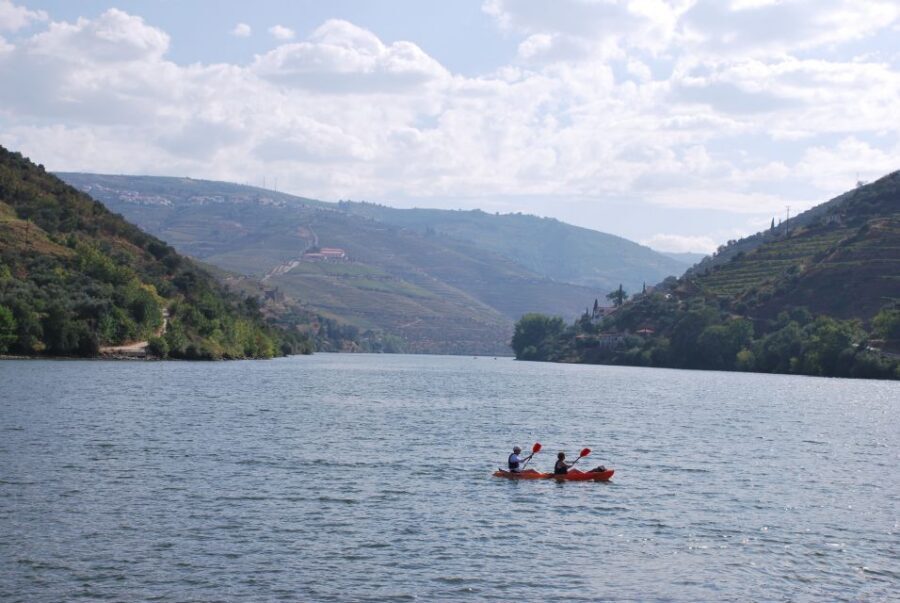
And the Douro River angle is important. Porto and the river are inseparable in real life, so even if the garden itself is a difficult-to-enter secret, the game’s promise gives you motivation to pay attention to the “where” as you move through the city.






Teamwork and puzzles: how to make it fun (not frustrating)
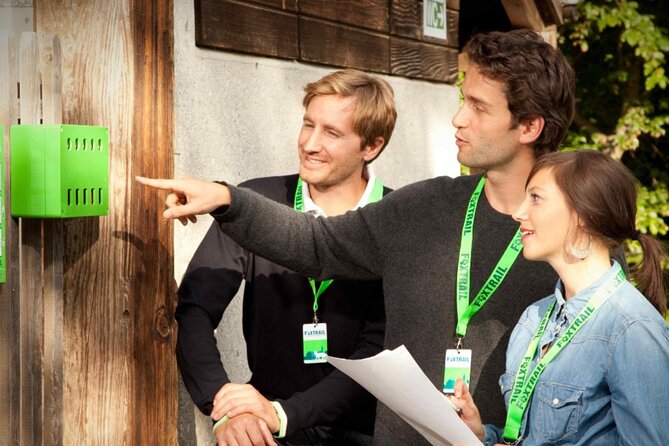
This is not a passive tour. It’s built to challenge your curiosity and instinct to play together, which is great when you want shared laughs and small brain battles.
Here’s how to keep the mission enjoyable for everyone. Rotate roles. One person can read clues out loud, another can watch surroundings and confirm you’re at the right spot, and another can propose solutions. That simple division prevents the classic problem where one person becomes the clue reader and everyone else feels left behind.
Also, keep your expectations realistic. The experience is designed around about 2 to 3 hours of playtime, but you’re allowed to go at your own pace and compete at your own rhythm. If you get stuck, take a short breath and revisit the clue details. When you’re walking, it’s easy to miss one line that suddenly makes the answer obvious.
The mission is private for your group, which helps here. You don’t need to rush to match a stranger’s speed. Your team can discuss and try again without worrying about holding anyone back.
Finally, take breaks if you need them. The route allows you to pause anytime, so you can avoid turning the mission into a sore-feet ordeal. That flexibility helps especially if you’re mixing adults and teens or managing an energetic family group.
Timing and pace: planning a 2.5-hour slot in Porto
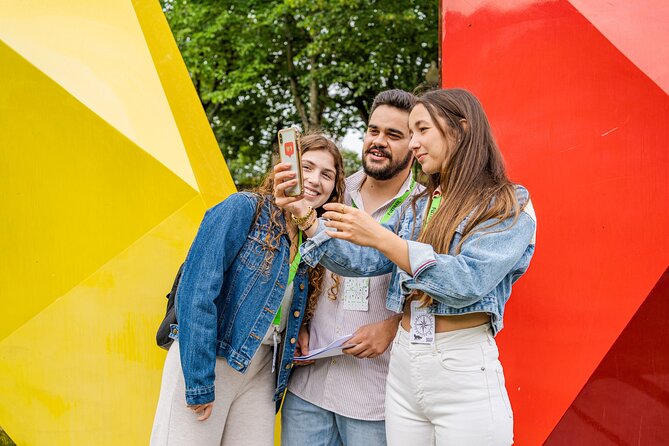
The mission is designed for about 2 hours 30 minutes of playtime, but it’s competitive at your own pace. That means your best strategy is to treat the duration as a guideline, not a strict schedule.
I recommend you plan it like an activity block. Pick a time of day when you’re not rushing to catch a show, a long dinner reservation, or a ferry right at the end. You’ll want the freedom to take a break if you hit a puzzle that takes longer than expected.
Also, remember that it’s near public transportation. That’s helpful for getting there and for planning your day. If your team decides midway that you want to switch plans, you can leave the area more easily than if you were dropped in a far-off neighborhood.
Because the experience depends on weather (more on that next), having a little buffer in your day matters. If you’re traveling in the shoulder seasons, plan a flexible afternoon. Porto weather can shift.
Weather and physical demands: who should (and shouldn’t) book
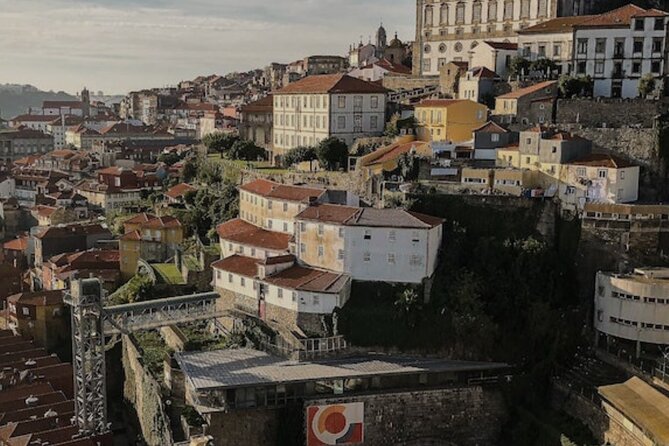
This mission requires strong physical fitness, and it’s not recommended for people with special needs. That’s not meant to scare you off. It’s a heads-up to match the activity to your body and your group.
What does that mean in practice? You should expect a fair amount of walking over a 2 to 3 hour period while you solve clues. If your group is comfortable with city walking, you’ll probably handle it fine. If you need frequent seating breaks or step-free routes, you should think carefully before booking.
Weather matters too. The experience is stated to require good weather, and if it’s canceled due to poor weather, you’ll be offered a different date or a full refund. So, don’t plan it as the one activity you can’t move.
If you’re traveling with kids, it can still make sense. One of the review highlights calls it a great family day out, and the mission structure is built for team interaction. Just keep in mind the walking component and the puzzle flow.
Getting the most out of it: small tips that matter
A mission like this rewards preparation more than fancy travel skills.
First, charge your phone. The QR start needs a scan, and the mission relies on mobile devices. Bring a power bank if you know your battery drains fast.
Second, set expectations with your team before you start. Tell everyone you’re doing a clue walk, not a photo sprint. Once people understand that, the experience stays fun even when puzzles slow you down.
Third, wear shoes you can move in comfortably. You’re walking city streets and moving between major stops and smaller side areas. If your feet aren’t happy, you’ll feel it quickly.
Fourth, treat the famous places as part of the game. If you just breeze through Sé and São Bento for photos, you’ll miss the reason those stops are included. Pause when you reach them. Let the clue logic lead you to notice what you would normally ignore.
And last, enjoy getting temporarily “off the script.” The mission aims to lead you to top attractions, but also to get you lost in places even locals might not visit. That tension is where the fun lives.
Is this a good fit for families and Porto first-timers?
I think it’s a strong option for families and for people who want Porto to feel fresh. One of the best signals in the available feedback is that a family used it as a day out and loved the idea of walking the harbor in a totally different way.
First-time Porto visitors often do fine with this because the route includes big anchor points like Sé and São Bento, so you still cover the famous stuff. At the same time, the mission keeps the experience from feeling like a checklist. You’ll be moving, looking, and solving, which turns sightseeing into a shared activity.
For experienced travelers, it also works because you get the standard sights but through a different lens. Instead of being a passive observer, you’re an active participant in the city’s details.
Who might not love it: people looking for a fully narrated, sit-and-listen tour; anyone who needs low walking; and anyone who’s likely to hate puzzle solving. If your idea of fun is guided storytelling with zero interruptions, you might prefer a classic tour.
Should you book the Secret Garden mission in Porto?
Book it if you want Porto with a purpose—part riddle walk, part heritage-minded adventure—with a private group setup and route highlights like Sé do Porto and Estação de São Bento. The price is reasonable for a structured 2–3 hour activity, especially when you’re comparing it to the cost of multiple standalone attractions.
Skip it (or reconsider the time) if your group struggles with walking, prefers fully accessible routes, or doesn’t handle weather changes well. Since it requires good weather and strong physical fitness, make sure your day and your group can handle an active mission.
If you’re traveling as a family or as friends who like teamwork, this one has the right energy: you’ll spend the time moving through Porto together, solving clues, and ending with the satisfaction of completing a real game arc, not just ticking off stops.
FAQ
How long is The Secret Garden mission?
It’s designed for about 2 hours 30 minutes of playtime, though you can take longer or move faster based on your own pace.
Where does the mission start?
The start point is Natas d’Ouro (Pastelaria Soares), Av. de Ramos Pinto 210, 4400-261 Vila Nova de Gaia, Portugal.
How do I start the mission on arrival?
After booking, you’ll receive a confirmation code by email with instructions. At Natas d’Ouro, find the QR code and have players scan it on their mobile devices to initiate the mission.
Do children have to scan the QR code?
Children don’t need to scan the QR code. All other players do.
Is this a private activity?
Yes. It’s a private tour/activity, so only your group participates.
Where does the mission end?
The mission ends at Armazém 93. The activity then ends back at the meeting point.
What’s the weather situation?
The experience requires good weather. If it’s canceled due to poor weather, you’ll be offered a different date or a full refund.
Can I cancel for free?
Yes. You can cancel up to 24 hours in advance for a full refund. Within 24 hours of the start time, refunds aren’t available.