
REVIEW · PORTO
Small Painting Group with a Local Artist in Porto
Book on Viator →Operated by E.R.Finearts · Bookable on Viator
Porto at night looks different through paint.
This small-group class helps you capture the city’s colors and light with an easy, step-by-step approach. What I like most is that you get hands-on guidance while you work on your own acrylic painting of Porto’s streets and architecture, not just a demo.
I also love how the instruction is built for real beginners and keeps things practical: surface prep, color mixing, and brushstroke techniques you can use again later. The teacher, Emmanuel, is patient and encouraging, which makes the whole thing feel calm instead of intimidating.
One thing to consider: this runs in the evening (5:30 PM start on weekdays), so it’s not ideal if you want a day filled with sightseeing photos. It also moves at a workshop pace, so if you’re hoping for a highly detailed, museum-level result, you may need to treat it as a great start rather than a full masterpiece.
In This Review
- Key Highlights Worth Marking
- Painting Porto’s Colors With a Small Group That Actually Helps
- Why the Porto Subject Works for Beginners
- Where Rua dos Caldeireiros Sets the Tone for a Relaxed Workshop
- What I’d do before you go
- From Surface Prep to Your First Successful Strokes
- Acrylic focus, with oil skills taught too
- Lighting and Color Mixing: The Skills That Make Your Painting Look Believable
- What Emmanuel’s teaching style brings to the table
- Materials, Manual, and the “You Can Keep This Going” Factor
- What you’ll likely take home
- Price and Value: Is $52.36 Worth It?
- Who this is a great deal for
- Who Should Book This Porto Painting Workshop
- The best mindset to have
- Should You Book This Porto Painting Class?
- FAQ
- How long is the small painting group workshop?
- How much does the workshop cost?
- How many people are in the group?
- Where do we meet for the Porto painting class?
- Are painting materials provided?
- What if I need to cancel?
Key Highlights Worth Marking
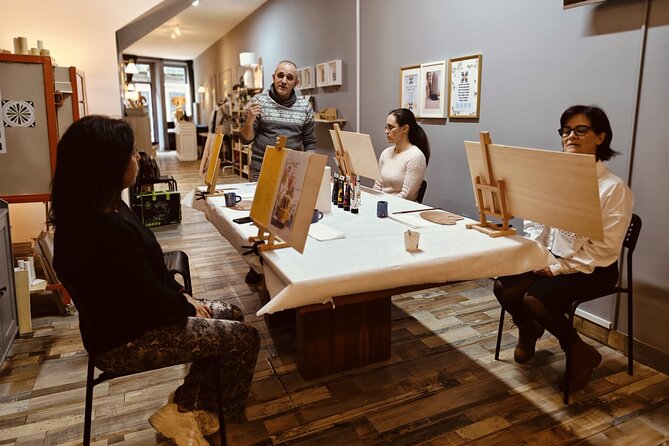
- Max 5 travelers for a relaxed, hands-on setting
- Evening schedule (5:30 PM–8:00 PM on Mon–Fri) in Porto
- All materials provided, described as professional quality
- Color theory + tone mixing taught for practical results
- Step-by-step figurative realistic techniques for acrylic and oil learning
- Emmanuel’s patient coaching focused on lighting, color, strokes, and texture
Painting Porto’s Colors With a Small Group That Actually Helps
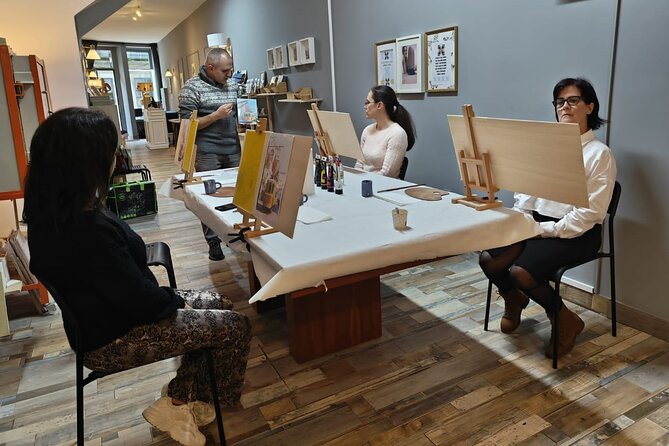
If you’ve ever stared at a blank canvas and felt your brain freeze, this workshop is built to prevent that. The goal is simple: help you create a painting inspired by Porto’s architecture, tones, and lighting using acrylic, with the techniques explained in a way you can follow immediately.
The small group size matters more than you might think. With a maximum of five participants, you’re more likely to get real attention when your brushstroke choice or color mix doesn’t look right yet. In a bigger class, you can end up watching a lot and working a little. Here, you’re working from the first part of the session.
You’ll also get a learning structure that feels like training wheels without feeling like a lecture. You start with how to prepare your painting surface, then build into color mixing, brushstrokes, and form.
You can also read our reviews of more tours and experiences in Porto.



Why the Porto Subject Works for Beginners
Porto is perfect for learning because the city gives you lots of visual cues: strong color contrasts, interesting shadows, and buildings with textures you can translate into paint without needing perfect detail. Even if your drawing skills aren’t strong, you can still learn how to see—where the light lands, how tones shift, and how to shape forms with strokes.
Where Rua dos Caldeireiros Sets the Tone for a Relaxed Workshop
You’ll meet at Rua dos Caldeireiros 125, 4000 Porto. The activity ends back at the meeting point, which is handy because you’re not stuck figuring out an extra pickup later.
The timing is set for evenings on weekdays: Monday through Friday, 5:30 PM to 8:00 PM. That can be a sweet spot in Porto. You get the day’s energy behind you and the city feeling calmer, with better chances of a smoother walk between sights before your class.
Public transit is close enough that you don’t have to build your entire evening around parking or long taxis. And if you’re traveling with a service animal, it’s allowed.
What I’d do before you go
To make the workshop easier, spend a few minutes earlier that day or right before class looking at building colors and how shadows change around windows and doorways. You’re not trying to memorize details. You’re collecting a few visual rules for tone and light.
From Surface Prep to Your First Successful Strokes
This class is organized like a practical painting course with a clear flow. You’ll learn how to understand and prepare your painting surface and then use that foundation to make paint behave the way you want.
Even if you’ve never painted before, the instruction is designed so you can follow along step by step. One of the most reassuring details is that a small manual supports the class, covering the key steps of the offering.
Here’s the typical progression you should expect in the session:
1) Set up and surface preparation
You’ll learn what matters before paint touches the canvas or paper, including basic prep ideas and why that step affects how colors look later.
2) Painting on an easel (and why it helps)
Painting upright changes your body position and helps you judge your work at eye level. It also makes brushwork more controlled. This matters for tone and edges, not just comfort.
3) Color theory and tone mixing
You get guidance on color mixtures and how tones relate. That’s the difference between paint that looks flat and paint that looks like it belongs in the same light as the scene.
4) Learning strokes to build form and texture
You won’t just be told what to do. You’ll be taught techniques for manipulating brushstrokes to create forms and texture. This is where a confident instructor pays off fast, because small changes can help your painting start looking like something.
5) Figurative, realistic steps (without needing to be a realist artist)
The class includes step-by-step instruction for figurative realistic painting. In practice, that means learning how to place shapes and tones so the scene reads correctly, even if your edges aren’t perfect yet.
6) Ongoing guidance as you paint your Porto scene
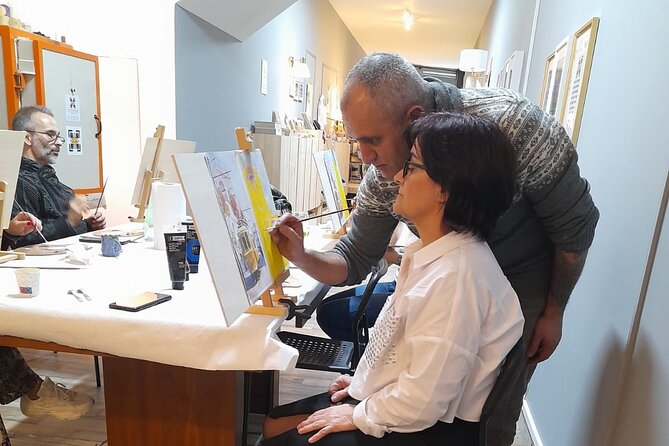
You paint while the teacher helps you along the way. That’s a big part of the value: you can fix things in real time instead of waiting until the end and realizing you’re stuck.






Acrylic focus, with oil skills taught too
Acrylic is the medium you’ll be using in this workshop, but you’re also taught fundamental techniques that connect to oil painting on various media. Even if you never touch oil, the transferable skills—like tone control and brush handling—will still stick.
Lighting and Color Mixing: The Skills That Make Your Painting Look Believable
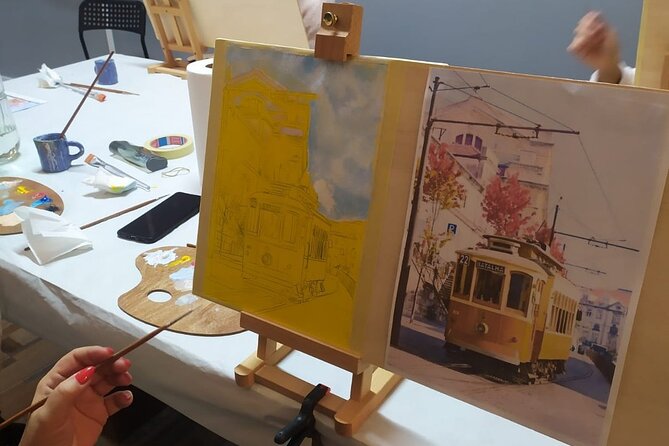
A lot of art classes teach techniques. This one aims at results you can actually see coming together. The instruction includes lighting, color mixing, and the relationship between tones, which is the heart of making a scene look right.
Porto scenes have layers: warm wall colors, cooler shadows, and highlights that pop when the tone choices are correct. If you get those tone relationships even slightly right, your painting looks instantly more convincing.
What Emmanuel’s teaching style brings to the table
The standout theme from feedback is Emmanuel’s teaching approach. People highlight that he’s patient and encouraging, with a focus on lighting, the use of different strokes, and how to create forms and texture.
That matters because beginners often struggle with the same moments:
- your colors look too bright or too muddy
- your shadows look like the wrong color
- your strokes don’t create the illusion of shape
In a good class, you don’t just get told to try again. You learn why it’s happening and what to adjust.
Materials, Manual, and the “You Can Keep This Going” Factor
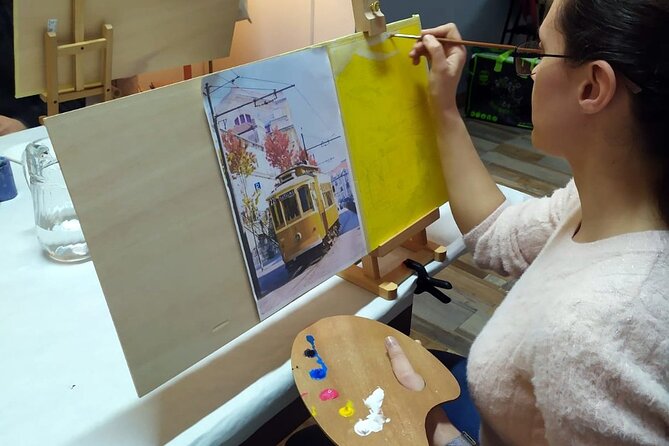
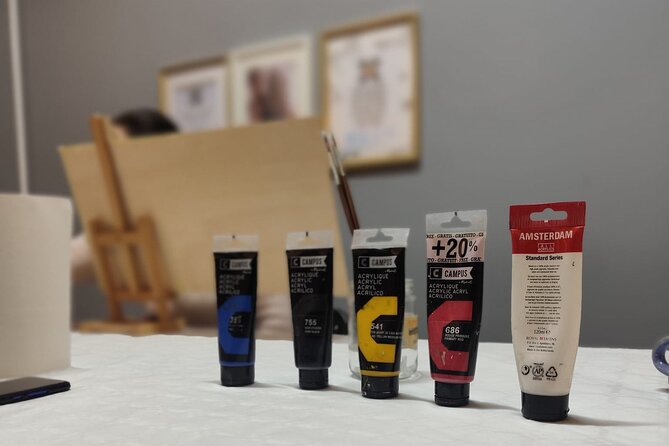
Everything is provided, including professional-quality materials, so you’re not paying extra for paint supplies or running around Porto searching for acrylic basics before class.
You’ll also get support from the small manual, which is there to keep the steps organized. For me, that’s the difference between a fun evening and a real skill-building experience. You leave with a reference you can use later.
What you’ll likely take home
You should expect to leave with your own painting inspired by Porto’s streets and architectural tones. Even if your first attempt isn’t perfect, you’ll have something tangible that proves you learned new brushwork, tone control, and color mixing habits.
And because the instruction is designed to be understood by everyone, it doesn’t feel like you only learned one trick for one painting. You’re learning how to think like a painter for the next one too.
Price and Value: Is $52.36 Worth It?
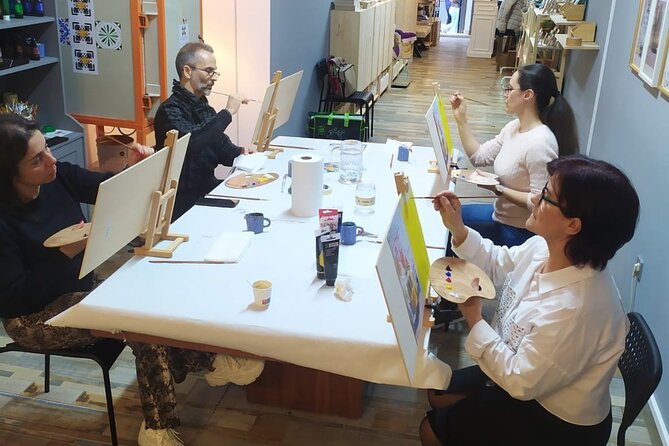
At $52.36 per person for about 2 hours 30 minutes, the price isn’t just about the activity. It’s about what you’re getting: a small group (max five), professional materials provided, and guided instruction on multiple core skills.
Compared to classes that are more “watch and copy,” this one puts the focus on doing. You’re not just sitting politely. You’re mixing colors, making brushstroke decisions, and getting feedback while you work.
Value also comes from the evening format. If you’ve already spent your day touring churches and viewpoints, you still get an experience that’s distinctly Porto and not just another entry ticket. You’re spending time making something inspired by the city’s look, not only seeing it.
Who this is a great deal for
- Complete beginners who want structure and encouragement
- People who like hands-on activities more than long guided walks
- Travelers who want an easy, low-stress souvenir that’s personal
If you’re an advanced artist, you might find some basics covered quickly. But even then, the teaching pace and feedback could still be useful for tone and light practice.
Who Should Book This Porto Painting Workshop
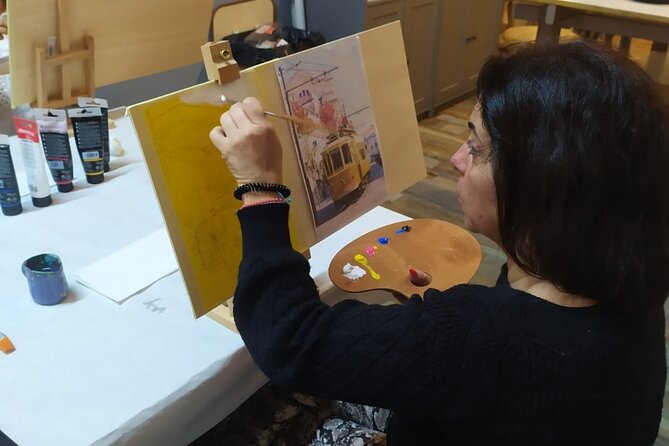
This workshop is a strong fit if you want a calm, friendly class where you learn technique with support. Since the course says the techniques are available to everyone, it’s not limited to serious art students.
I’d especially recommend it if you enjoy:
- working in small groups
- learning how to mix tones and correct light effects
- building confidence with brushstroke practice
It’s less ideal if you need a full-day structure, because the evening timing limits your schedule. It may also feel like too much instruction if you only want a casual “try a little paint” activity with no real guidance on technique.
The best mindset to have
Come ready to experiment. Your first few color mixes might not match the tone you imagined. That’s normal. The class is designed so you learn what to adjust next.
Should You Book This Porto Painting Class?
Yes, I think you should book it if you want an evening in Porto that’s creative, practical, and guided. The strongest reasons are the small group size and the quality of instruction from Emmanuel—patient, encouraging, and focused on lighting, colors, and brushwork.
Book it now if you’re traveling with limited time and want a value-packed activity that doesn’t require you to bring supplies. And if you’re worried about painting skill, that’s exactly who this format is built for.
If you’re the type who only enjoys sightseeing and would rather spend every evening outdoors, then it might feel like a tradeoff. But if you want a real skill to take home, this is one of those “do it once and you’ll want to do it again” experiences.
FAQ
How long is the small painting group workshop?
It runs for about 2 hours 30 minutes.
How much does the workshop cost?
The price is $52.36 per person.
How many people are in the group?
The workshop has a maximum of 5 travelers.
Where do we meet for the Porto painting class?
The meeting point is Rua dos Caldeireiros 125, 4000 Porto, Portugal, and the activity ends back at the same location.
Are painting materials provided?
Yes. All materials are provided, and they’re described as professional quality. A small manual also supports the class.
What if I need to cancel?
You can cancel for a full refund if you cancel at least 24 hours before the experience starts. Cancellation within 24 hours is not refundable.