REVIEW · PORTO
Porto: Royal Oporto Tour na Real Companhia Velha
Book on GetYourGuide →Operated by Real Companhia Velha · Bookable on GetYourGuide
Port wine in real darkness hits different. This 1-hour stop at Real Companhia Velha in Vila Nova de Gaia lets you walk among the company’s wooden casks and barrels while a guide explains how Port gets its character.
I especially love the chance to see the brand’s rarer side: the Silva Reis family private cellar (with 16,000 bottles, including vintages going back to 1765). The tasting is also a strong payoff, with Lágrima Port, Rosé Port, LBV, and a 10-year-old Tawny—though one catch is mobility: it’s not suitable for wheelchair users, and you should expect some uphill walking on old streets.
In This Review
- Key things that make this Port tour worth your time
- Real Companhia Velha in Gaia: the Port cellar that feels like a time capsule
- Entering the cellars: darkness, silence, and the smell of old wood
- The guided walk: how a 1-hour tour can still feel complete
- The Silva Reis private cellar: 16,000 bottles and vintages reaching back to 1765
- Watching wine age in wood: casks, vats, and why material matters
- The tasting lineup: Lágrima, Rosé, LBV, and 10-year Tawny
- How to get more from your four glasses
- Price and value: $23 for a private-cellar experience in 1 hour
- Getting there from Porto: plan for the Gaia hill and wear good shoes
- Who should book this Port tour (and who should skip it)
- Should you book Royal Oporto Tour na Real Companhia Velha?
- FAQ
- How long is the Royal Oporto Tour na Real Companhia Velha?
- Where is the meeting point?
- What wines are included in the tasting?
- Do you get to see the Silva Reis family private cellar?
- What is the oldest bottle mentioned in the collection?
- What languages are the tour guides available in?
- Is there a private group option?
- Is smoking allowed during the tour?
- Is this tour suitable for wheelchair users or people with mobility impairments?
- What’s the cancellation policy?
Key things that make this Port tour worth your time
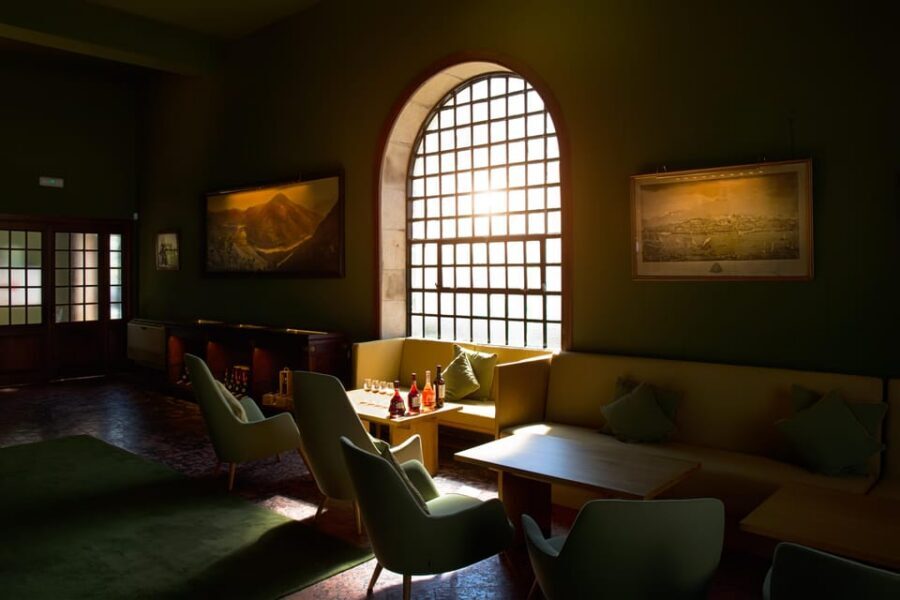
- Gaia’s historic cellars: constant darkness, deep silence, and the cool calm of old wooden storage
- Silva Reis private cellar access: 16,000 bottles, including an oldest vintage dating to 1765
- Port maturation in detail: you’ll see how barrels and casks shape flavor and complexity over time
- A focused tasting lineup: Lágrima Port, Rosé Port, LBV, and 10-year Tawny (not a random sampling)
- Small and personal energy: you can get a private group option, plus guides who answer real questions
Real Companhia Velha in Gaia: the Port cellar that feels like a time capsule
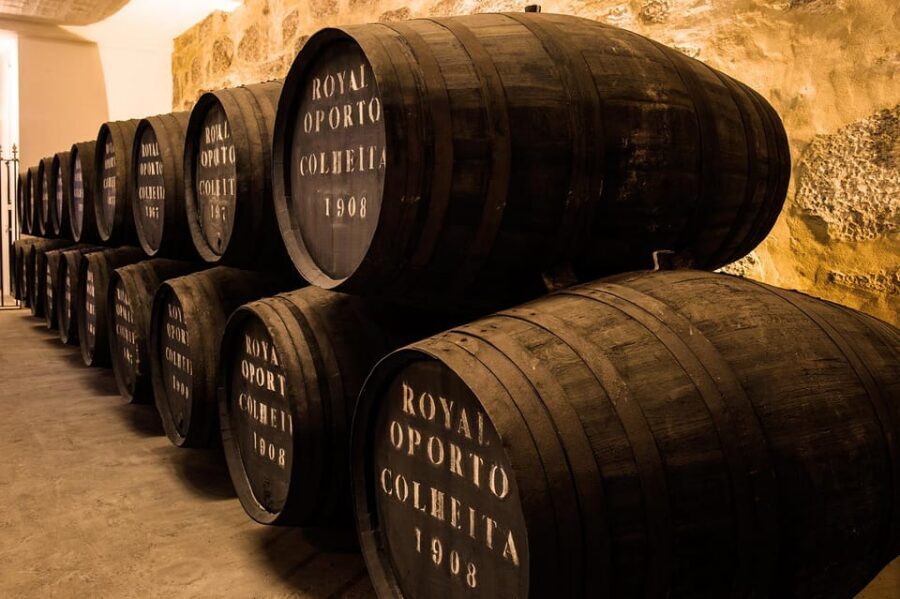
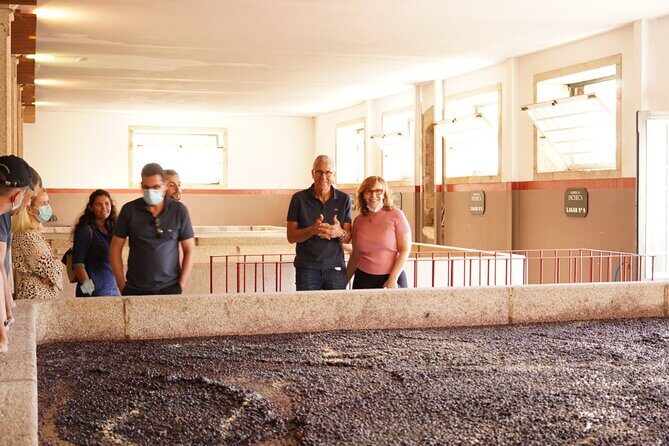
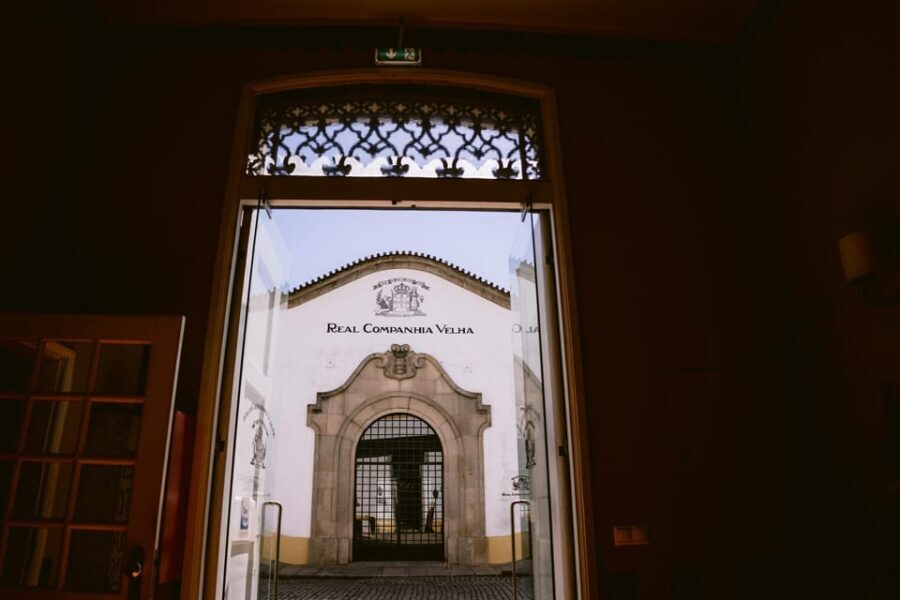
If you want Porto’s Port story told the old-school way, this is a smart pick. Real Companhia Velha is a two-hundred-year-old company, and the cellars are in Vila Nova de Gaia—the riverside area across from Porto. Standing at the top of Gaia and then stepping inside the cellar rooms is like switching worlds: from city noise to cold air, stillness, and the slow logic of aging wine.
I like that this tour doesn’t treat Port like a vague flavor concept. It shows you where the wine lives as it matures, in noble wooden casks, vats, and barrels. That alone makes the tasting more meaningful—you taste, and you can connect it to what you just saw.
You can also read our reviews of more tours and experiences in Porto.


Entering the cellars: darkness, silence, and the smell of old wood
The first “wow” moment is the setting. These cellar spaces are described as having deep silence and constant darkness, and that changes how you experience everything. Your eyes adjust fast, and suddenly details matter: the shapes of the storage vessels, the workmanship, the sense that this place runs on patience.
What you’ll likely notice is how the room feels before you even get to the tasting. Reviews and tour descriptions point to huge barrels and an impressive, classic storage setup. Even if you’re not a wine nerd, the atmosphere does half the teaching—because it makes you understand that Port isn’t made for instant gratification.
Also, there’s often a security check at the front before you go deeper into the property. It’s normal and quick, but it’s good to know so you’re not surprised when you see a staffed entry point.
The guided walk: how a 1-hour tour can still feel complete
This tour is listed as 1 hour, so the pacing is tight. You meet your guide, then you move through the cellar areas where the history and winemaking process are explained. Since you’re short on time, the trick is to listen for the big ideas and ask one or two questions rather than trying to memorize everything.
The guide explains the company’s background and how Port is made, then focuses on maturation—how long each wine needs and why that timing creates complexity. That matters, because Port styles are not interchangeable. When you hear the logic behind aging choices, your tasting stops being four separate sips and starts being a comparison.
The tour language options are also a plus for planning: Portuguese, English, French, and Spanish are available. If you’re traveling with a group and language matters, this is a practical way to keep everyone on the same page.
The Silva Reis private cellar: 16,000 bottles and vintages reaching back to 1765
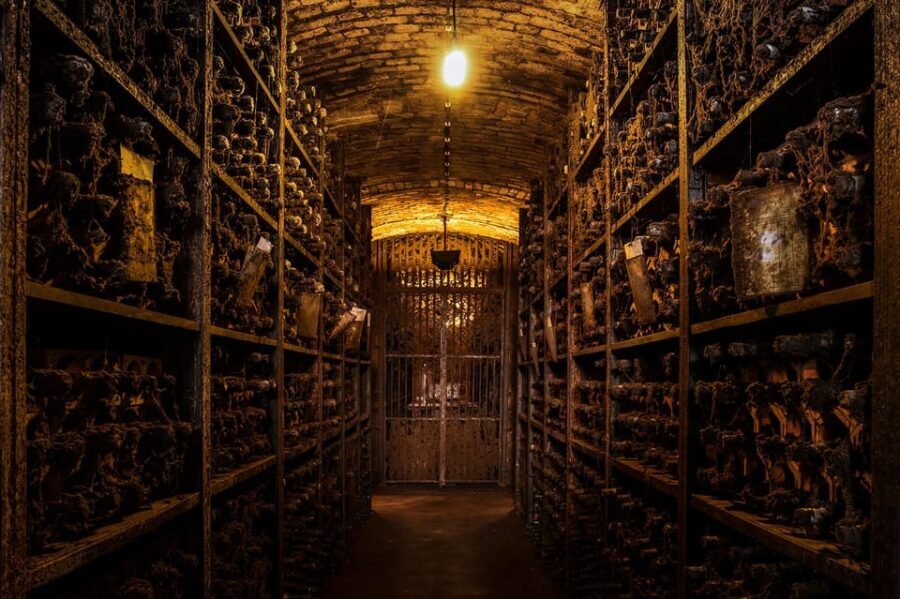
This is the standout stop on the tour: access to the private wine cellar belonging to the Silva Reis family, with more than 16,000 bottles. You’re not just viewing “a collection.” You’re seeing the long-term backbone of Port—what happens when a winery treats certain wines as archives, not inventory.
The description also highlights that the oldest bottles date back to 1765. That’s the kind of detail that makes you slow down. You start to realize the company isn’t only selling wine; it’s preserving decisions made decades ago—sometimes more than a century before you ever arrive.
If you care about authenticity and heritage (instead of shiny, modern branding), this cellar access is where you’ll feel the difference. It’s also one of the reasons the price feels fair. For $23 per person, you’re getting more than a basic cellar walk and tasting room routine—you’re getting a glimpse into a more exclusive vault-like space.
Watching wine age in wood: casks, vats, and why material matters
A good Port tour should connect three things: production, time, and vessel. Here, you’ll see the wine resting and aging in wooden casks, vats, and barrels. The tour’s emphasis on “noble wooden” storage isn’t just a poetic line—it’s a real explanation of how structure and aging conditions affect flavor development.
What I find useful is that the guide ties aging time to maturation points. When a guide explains that Port needs certain windows of time to reach an exact level of complexity, you’re better equipped to understand the differences between styles in your glass later on.
Also, the cellar environment reinforces the lesson. Constant darkness and cool, controlled conditions are exactly what “aging” means in practice. You’re not learning theory; you’re seeing the setting where the theory becomes reality.






The tasting lineup: Lágrima, Rosé, LBV, and 10-year Tawny
Tasting is where tours can get disappointing—usually it’s watered down, repetitive, or missing key variety. This one gives you a set of styles that actually lets you compare.
You’ll taste:
- Lágrima Port
- Rosé Port
- LBV (Late Bottled Vintage)
- 10-year-old Tawny
I like that the lineup mixes both style and aging cues. Tawny at 10 years gives you a clear benchmark for aged character. LBV helps you understand a style that sits between pure vintage romance and older blended maturity. Lágrima and Rosé add lighter, approachable flavors so you’re not only tasting heavy, woody depth.
The tasting is described as in a classy tasting room experience, and groups note the selection feels well matched rather than random. You also get a moment to ask questions in a calmer setting than the cellar corridors—so if you want clarity on what you’re tasting, this is the moment to use it.
How to get more from your four glasses
Use the tasting as a mini “comparison exercise”:
- Start with what you think you like, then taste again with the next style in mind.
- Pay attention to sweetness level, fruit vs. nutty/wood notes, and whether flavors feel simpler or more integrated.
- When the guide names a style, don’t just file it away. Ask what aging method or timing changes.
You’ll be surprised how much your second sip teaches you.
Price and value: $23 for a private-cellar experience in 1 hour
At $23 per person for a 1-hour tour, this is one of those offers that feels practical. You’re paying for:
- Guided cellar access at a historically significant winery
- Viewing the private cellar with 16,000 bottles
- A tasting of four named Port styles
That combination is where the value comes from. Some Porto tastings focus mostly on the tasting room and give you a shortened, less meaningful walk. Here, the walk is the point, and the tasting is the payoff.
You also get planning flexibility: free cancellation up to 24 hours in advance is included, and there’s a reserve now & pay later option. That’s helpful in Porto, where weather, walking fatigue, and day-trip timing can change fast.
Getting there from Porto: plan for the Gaia hill and wear good shoes
This is in Vila Nova de Gaia, on the opposite side of the Douro River from Porto. Many port visits cluster near the riverfront in Gaia, so it can feel like a hike if you’re starting from the bottom of the neighborhood.
One practical note from recent visitors: expect a walk that can include old inclined roads up to the winery. It’s not just distance; it’s the slope. Good shoes matter. If you’re visiting with family or you’re already doing lots of walking in Porto, build in a little buffer.
Also keep in mind that the tour is not suitable for wheelchair users and people with mobility impairments. Even if you can walk short distances, this one may be too uneven or too steep.
Who should book this Port tour (and who should skip it)
This tour fits best if you want:
- A classic, heritage-focused Port experience rather than a modern factory-style stop
- Access to the Silva Reis private cellar and its rare-bottle collection
- A guided tasting that includes four specific Port types
It may not be the best fit if you:
- Need wheelchair accessibility
- Want something long and slow with lots of free time (this is 1 hour, so it moves)
- Don’t enjoy cellar settings with low light and quiet, enclosed spaces
Should you book Royal Oporto Tour na Real Companhia Velha?
I’d book it if you’re in Porto for Port authenticity and you want the kind of experience where the tasting makes sense. The private-cellar access, the wooden barrel focus, and the clear tasting lineup (Lágrima, Rosé, LBV, 10-year Tawny) add up to more than the typical “sip-and-walk” setup.
If you’re short on time, the 1-hour format is easy to plug into your day in Gaia. Just plan your footwear and energy level for the walk up, and you’ll be well rewarded with one of Porto’s most heritage-heavy Port visits.
FAQ
How long is the Royal Oporto Tour na Real Companhia Velha?
The tour duration is 1 hour.
Where is the meeting point?
The meeting point may vary depending on the option booked, with starting location options listed at Rua Azevedo Magalhães, Real Companhia Velha.
What wines are included in the tasting?
The tasting includes Lágrima Port, Rosé Port, LBV, and a 10 year old Tawny.
Do you get to see the Silva Reis family private cellar?
Yes. The tour includes access to the private wine cellar of the Silva Reis family, with more than 16,000 bottles.
What is the oldest bottle mentioned in the collection?
The oldest vintage mentioned dates back to 1765.
What languages are the tour guides available in?
The live tour guide is available in Portuguese, English, French, and Spanish.
Is there a private group option?
Yes, private group availability is listed.
Is smoking allowed during the tour?
No. Smoking is not allowed.
Is this tour suitable for wheelchair users or people with mobility impairments?
No. It is not suitable for wheelchair users or people with mobility impairments.
What’s the cancellation policy?
Free cancellation is offered up to 24 hours in advance for a full refund.