REVIEW · PORTO DISTRICT
Pinhão: 2-Hour Rabelo Boat Tour with Audio Guide
Book on GetYourGuide →Operated by Magnifico Douro · Bookable on GetYourGuide
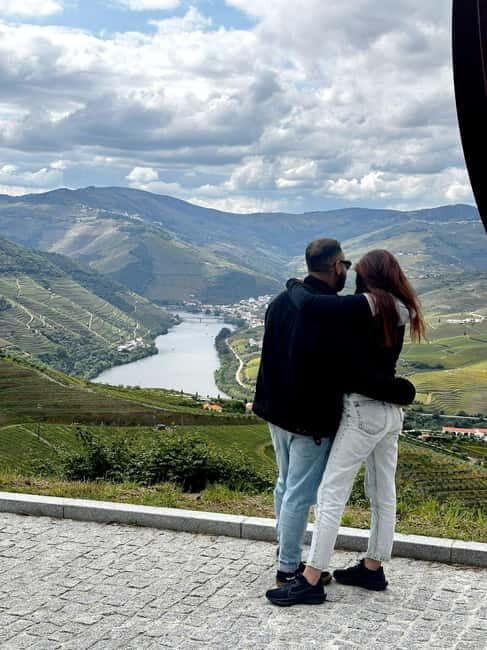
Terraces on terraces. Then the river quietly talks back. This 2-hour Rabelo boat tour from Pinhão takes you through the Douro Valley, an old wine region and UNESCO World Heritage area, with views that feel made for slowing down. You head upstream from Pinhão (passing under the famous iron bridge), turn around in the Tua area, and return the same way with a different angle on the vineyards. I really like how the trip mixes “working river” calm with geolocalized audio you can play on your phone using the Magnifico Douro app.
Two things I also enjoy: the ride itself is set up for real weather, since the boats have both open and covered spaces, and the boat size is often small enough that you can move around and find your photo spot. A possible drawback: the experience depends heavily on getting that audio guide working on your device, so if your phone struggles with downloads or connectivity, you may not get the full commentary.
In This Review
- Key Things You’ll Notice On This Douro Rabelo Cruise
- Why This Rabelo Boat Tour From Pinhão Feels So Relaxed
- The Douro Route: From the Iron Bridge Upstream to the Tua Dam Turnaround
- Stop-by-Stop: What You’ll See at Each Quinta and River Landmark
- Ponte do Pinhão (Getting Oriented Fast)
- Quinta do Bomfim
- Quinta da Roeda
- Vieira de Sousa – Quinta do Roncão
- Quinta da Romaneira
- Quinta de Merouço – Casa do Rio
- Quinta dos Malvedos
- Foz Tua (Where the River Story Shifts)
- Barragem do Tua (The Big Turnaround Moment)
- Quinta do Roriz (Return Leg Reframes Everything)
- Quinta do Pessegueiro – Adega e Visitas
- Quinta do Ventozelo
- Quinta das Carvalhas
- Audio Guide on Your Phone: How to Get the Best Version of This Tour
- Weather, Comfort, and Group Size: What 2 Hours Feels Like
- Price and Value: Is $35 Worth It?
- Who Should Book This Douro Boat Tour (and Who Might Skip It)
- Should You Book This Pinhão to Tua Rabelo Tour?
- FAQ
- How long is the Rabelo boat tour?
- Where is the meeting point in Pinhão?
- Does the cruise go up the Douro to the Tua area?
- What is the audio guide, and what languages does it offer?
- Do I need earphones for the audio guide?
- Are drinks included in the price?
- Is the boat comfortable in different weather?
- Who provides the host or greeter help?
- Is there a minimum number of passengers required?
Key Things You’ll Notice On This Douro Rabelo Cruise
- Traditional Rabelo boats with both open and closed areas for sun or wind
- Pinhão to Tua and back on the most scenic stretch, with a change in viewpoint each way
- Free audioguide app (Magnifico Douro – Boat Tour) in 5 languages
- Easy, practical meeting point by the pier near the iron bridge and Vintage House Hotel
- Comfortable pacing: two hours feels like enough time to see a lot without rushing
- Quiet success tip: bring your own earphones, because the audio runs through your phone
Why This Rabelo Boat Tour From Pinhão Feels So Relaxed
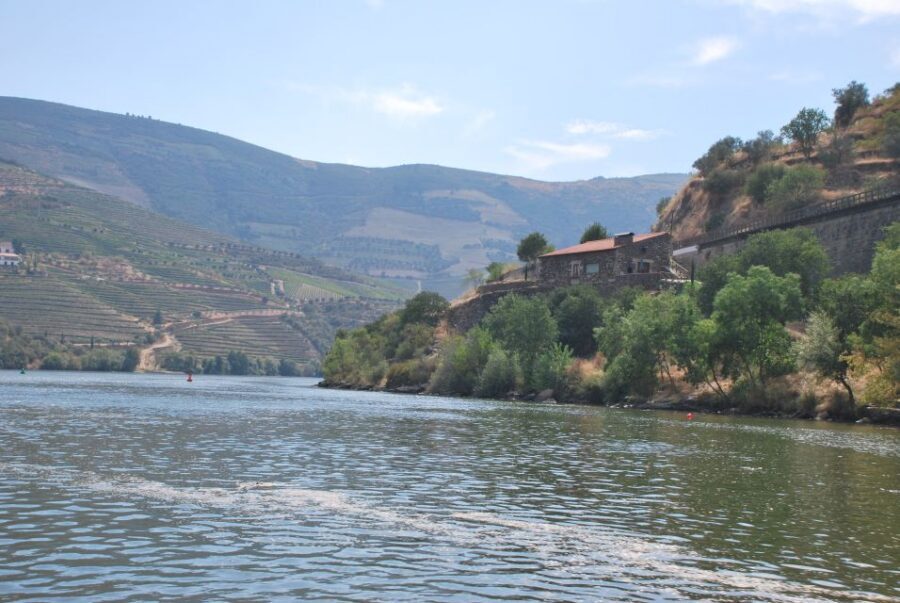
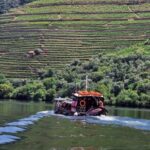
The Douro Valley looks good from the train and even better from the water. On this cruise, you get the best kind of “effortless sightseeing”: you sit, the river carries you, and the hillside vineyards slide by in a steady rhythm. It’s also a nice fit if you want the Douro but don’t want to drive those narrow roads or plan stop after stop.
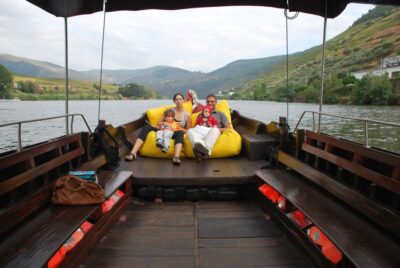
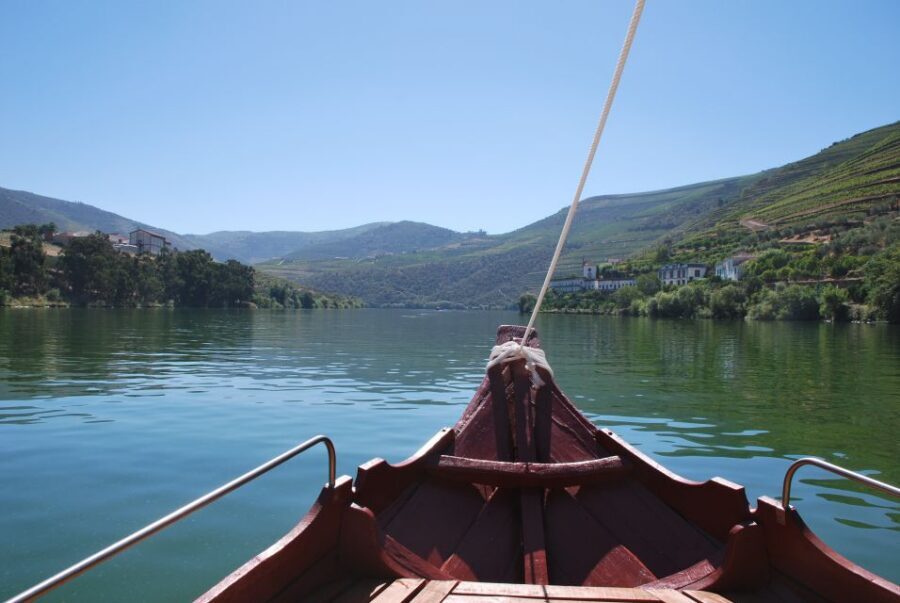
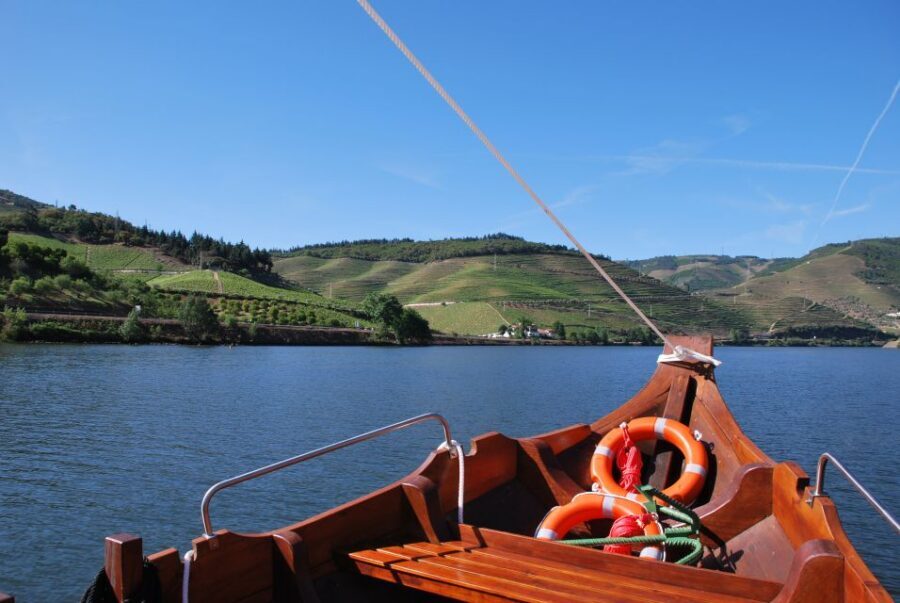
The boat is the other big reason this works. These are Rabelo boats, the traditional wooden-style vessels associated with the region’s wine shipping history. You’re not packed into a large floating bus. And because the boats include both open and covered seating, you can choose sun or shade without losing the views.
Even the route has a “why didn’t I think of that?” logic. You go upstream, turn around near Tua, and cruise back toward Pinhão. Same stretch, yes, but the sightlines flip. One direction gives you one set of terraces and river bends; the return leg reframes what you saw before—like seeing the same painting under different light.
You can also read our reviews of more boat tours in Porto District
The Douro Route: From the Iron Bridge Upstream to the Tua Dam Turnaround
Here’s the core flow you’ll experience:
- You start at Magnifico Douro Pier in Pinhão, near the iron bridge and in front of the Vintage House Hotel garden gate.
- You pass under the iron bridge and head upstream.
- You continue through a series of vineyard estates along the river.
- You reach the Tua area—including Foz Tua and the Barragem do Tua (dam area)—then you turn around.
- You return to Pinhão, cruising the same valley stretch back toward town.
What makes this routing valuable is how it balances “big Douro moments” with steady day-to-day views. You get repeated chances to spot terraces clinging to hillsides, not just one dramatic photo point. And when you reach the Barragem do Tua, it’s a real contrast: a human-made structure in the middle of the wine-covered slopes. For many people, that’s the mental highlight that breaks up the scenery so it doesn’t feel repetitive.
Stop-by-Stop: What You’ll See at Each Quinta and River Landmark
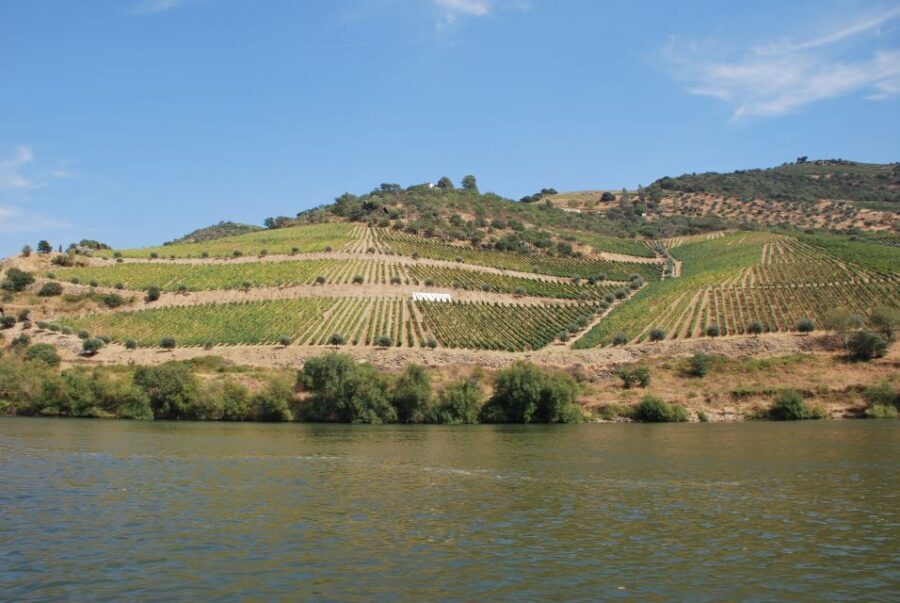
The tour moves past a string of named estates. You won’t be hopping off the boat, so your best “activity” is looking for how each stretch of riverbank changes—terraces rise, curves shift, and certain quintas appear more or less prominent from the water.
Ponte do Pinhão (Getting Oriented Fast)
Right as you start, you pass by the Ponte do Pinhão stretch. This is your warm-up view. It helps you calibrate what you’re going to see for the rest of the ride: terraced slopes, river edges close to the vineyards, and very little road intrusion in sight.
Quinta do Bomfim
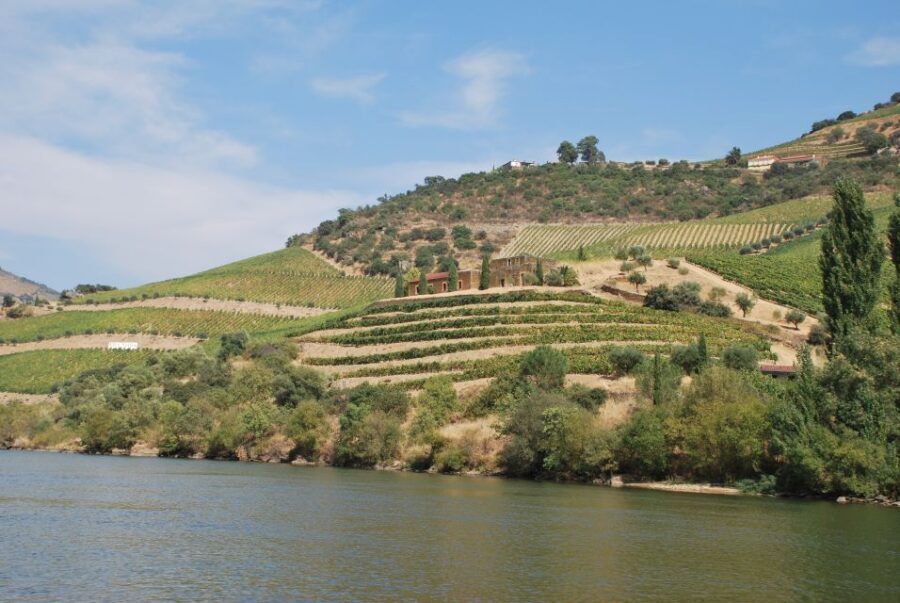
As you continue upstream, Quinta do Bomfim comes into view. This is one of those moments where the Douro makes sense. From the river, you can clearly see how vineyards climb and how the terraces step upward rather than spreading flat.
Quinta da Roeda
Next is Quinta da Roeda. Watch for how the river’s curve affects what portion of the estate you can actually see—sometimes it’s the vineyard slopes, sometimes it’s the estate buildings near the waterline.
Vieira de Sousa – Quinta do Roncão
Then you’ll pass Vieira de Sousa – Quinta do Roncão. The names matter here because they act like landmarks. Even if you don’t know the wines, you can use the estate names to track your progress and make the audio points feel less random.
Quinta da Romaneira
Quinta da Romaneira slides by during the middle of the upstream section. This is a good time to settle into your preferred viewing position—near the front for more forward angles, or near the sides for sweeping river views.
Quinta de Merouço – Casa do Rio
Quinta de Merouço – Casa do Rio is another major estate you’ll spot along the riverbank. On a boat, you’ll often notice the “shape” of terracing before you notice any individual building details. The river gives you that pattern first.
Quinta dos Malvedos
Quinta dos Malvedos appears as the scenery keeps stacking up. If you like photography, this is often where you start thinking in layers: foreground river, midground terraces, and the estate elements toward the top of the slope.
Foz Tua (Where the River Story Shifts)
You reach Foz Tua, a point that signals you’re getting close to the turnaround zone. Expect the feeling of the valley tightening, then opening again as the river geometry changes.
Barragem do Tua (The Big Turnaround Moment)
At Barragem do Tua, the mood shifts. You’ll see the dam area as the turnaround point for the cruise. This is the practical “you’re actually on a working river” reminder—beyond vineyards, the Douro is managed and engineered too.
Quinta do Roriz (Return Leg Reframes Everything)
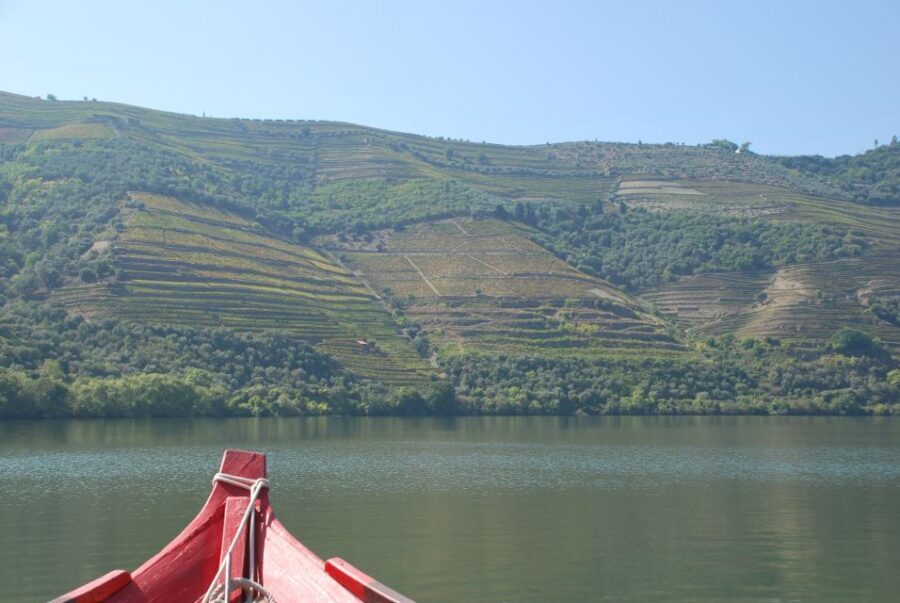
On the way back, Quinta do Roriz shows up again, but from the opposite direction. This is where you can feel how the valley isn’t the same view twice. You’ll often find yourself re-spotting the terraces you saw earlier, but with the river bending the light differently.
Quinta do Pessegueiro – Adega e Visitas
Next comes Quinta do Pessegueiro – Adega e Visitas. Even without visiting the property, the name tells you this is an estate with a visitor-facing side (it’s right there in the phrase Adega e Visitas). From the river, you get the view without adding tickets or extra time.
Quinta do Ventozelo
Quinta do Ventozelo is on the downstream portion. Take this section as your “slow down and absorb” stretch. If the first half was about spotting, the second half is about appreciating the full rhythm of hillside cultivation.
Quinta das Carvalhas
Finally, you pass Quinta das Carvalhas before cruising back toward Pinhão. This last estate is a good reminder of how many named places are stacked along one river segment—one reason the Douro feels like a chain of connected wine worlds.
Audio Guide on Your Phone: How to Get the Best Version of This Tour
This tour doesn’t use a live narration on the boat. Instead, you get a free audio guide app called Magnifico Douro – Boat Tour. It’s available in English, French, German, Portuguese, and Spanish, and it’s designed to be geo-localized so the commentary lines up with where you are.
So how do you make it work smoothly?
- Download before you arrive if you can. Several people found that last-minute setup can be hit-or-miss.
- Bring your own earphones. That’s not just for comfort—it helps keep the boat quiet when you’re listening privately on your phone.
- Don’t assume every phone behaves the same. Some devices had trouble downloading the app, and others had audio pauses or weak connection moments.
One useful detail: the audio content is mainly associated with the upstream portion. That means when you’re on the return leg, the boat can feel quieter, even if some people are still listening. I like that structure. It turns the second half into pure scenery time, not a constant stream of phone audio.
If your audio doesn’t work, don’t panic. The crew can still help point things out. In past departures, passengers have singled out friendly staff and even mentioned a captain named Barbara for sharing interesting info, plus other crew members like Luis and Bernadetta. You won’t get the same exact “app timeline,” but you won’t be totally stuck either.
Weather, Comfort, and Group Size: What 2 Hours Feels Like
Two hours on the Douro hits a sweet spot. It’s long enough to feel like you really went somewhere, but short enough that you’re not mentally fried by the end of the day.
Comfort is built into the boat design. These Rabelo boats have open and closed areas, so you can swap when the sun hits hard or when wind cools things down. I’d still plan like a grown-up: bring layers. Even in pleasant weather, you can get sun warming you up on the upstream stretch and then feel the chill on the return.
Group size tends to be modest. One passenger described around 20 people on board. That’s big enough to feel lively, small enough to keep the boat from turning into a noisy mall. It also helps for moving around to find your best viewing position for photos.
Price and Value: Is $35 Worth It?
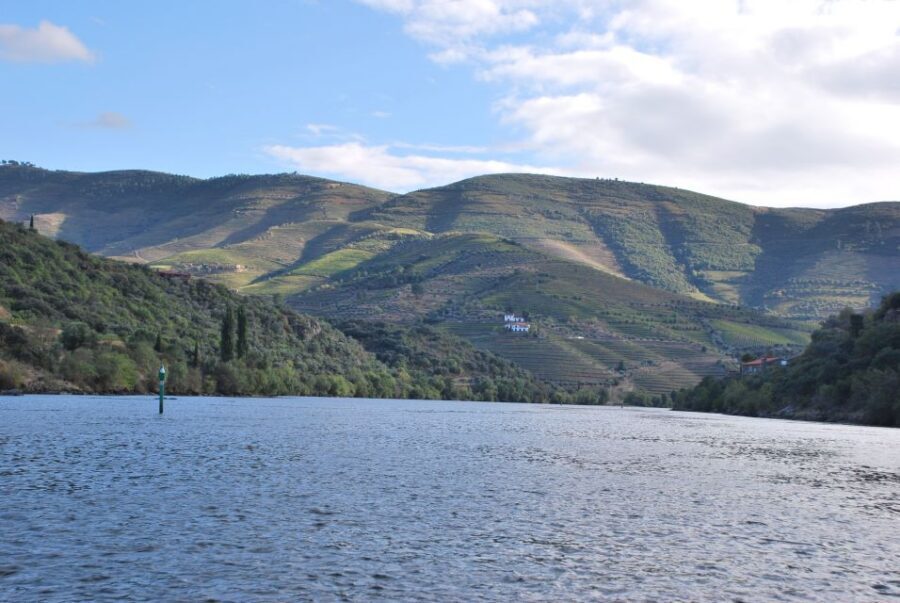
At about $35 per person for a 2-hour cruise with a boat ride and a free multilingual audio app, you’re paying for three things: time on the water, access to the best river stretch between Pinhão and the Tua area, and an easy interpretation tool.
What’s not included matters too. Drinks are not included, so don’t plan on port or water being handed to you as part of the ticket. That said, you might find small drink options elsewhere on the day if you’re near other venues—one person mentioned a small glass of port available for a low extra price—but you shouldn’t count on it from the boat operator.
So is it good value? For me, the “yes” comes from the fact that the river portion is the point. You’re not paying extra just to sit in a room with a story. You’re paying to watch Portugal’s wine hills slide past you for a couple of hours without traffic stress.
If you’re the type who loves details and wants every vineyard name explained, the audio app adds real value. If you’re mostly there for the views and want quiet time, you still get plenty out of the cruise even if audio is patchy.
Who Should Book This Douro Boat Tour (and Who Might Skip It)
This is a strong choice if you want:
- Scenic wine country without climbing hills or driving narrow roads
- A relaxed outing that doesn’t demand a full day
- The option to use an audio app in multiple languages
- A boat design that can handle sun or wind with open and covered areas
You might consider a different option if:
- You hate tech setup. The audio is app-based and relies on your phone.
- You’re easily annoyed by repeated scenery. The route goes up and back on the same stretch, and at least one person felt the second half was redundant for them.
Should You Book This Pinhão to Tua Rabelo Tour?
If you want a calm, scenic Douro moment that’s easy to fit into your day, I’d book it. The pricing is fair for what you get—a traditional-style boat ride, a full 2-hour window on the best-known stretch, and a free multilingual audio guide that can make the vineyards feel personal instead of just pretty.
Just do one thing before you go: make sure your phone and your earphones are ready for the audio app. When that part works, the whole experience clicks.
FAQ
How long is the Rabelo boat tour?
The tour duration is 2 hours.
Where is the meeting point in Pinhão?
Meet at Pinhão – Magnifico Douro Pier, near the iron bridge, in front of the Vintage House Hotel garden gate. Enter by the bridge.
Does the cruise go up the Douro to the Tua area?
Yes. You go upstream from Pinhão to the Tua area, then turn around and return to Pinhão.
What is the audio guide, and what languages does it offer?
The audio guide is a free app called Magnifico Douro – Boat Tour. It’s available in English, French, German, Portuguese, and Spanish.
Do I need earphones for the audio guide?
Yes. The activity instructions ask you to bring your own earphones for a more pleasant experience.
Are drinks included in the price?
No. Drinks are not included.
Is the boat comfortable in different weather?
The traditional Rabelo boats have open and closed areas, so navigation can be comfortable in different weather and throughout the year.
Who provides the host or greeter help?
The host or greeter is listed as English.
Is there a minimum number of passengers required?
Yes. A minimum of two passengers is required for the tour to operate.