REVIEW · PORTO
Museu do Vitral Entry Ticket with Wine Tasting
Book on Viator →Operated by Três Séculos - Realizações Hoteleiras · Bookable on Viator
Stained glass never felt this drinkable. With the Museu do Vitral entry ticket, you get an easy 1-hour art stop focused on how light becomes design, plus an included port wine tasting. I especially love the mix of traditional pieces and studio material like sketches and maquettes, because it shows the thinking behind the finished work. One small catch: the museum experience is compact, and you may wish you had more wall space to roam.
Here’s what makes this one worth planning: you’re not just looking at pretty windows. You’re seeing stained glass as a craft and a visual language, from Renaissance-style storytelling to modern abstract installations made with the help of Portugal’s long-running Atelier Antunes studio.
In This Review
- Key highlights to look for
- Museu do Vitral in Porto: where light turns into a craft
- Your ticket value: admission plus a glass of port
- Inside the museum: Atelier Antunes and what you’ll actually see
- The video on stained-glass making: the part that sticks with you
- The kaleidoscope with 400 colours: why it’s more than a gimmick
- Rooms, levels, and the pace that fits a 1-hour ticket
- Practical tips for enjoying it more (and not judging too fast)
- When to go in Porto: timing and how it fits your day
- Who this ticket suits best
- Should you book the Museu do Vitral entry ticket with port?
- FAQ
- How long is the Museu do Vitral entry ticket experience?
- What’s included with the ticket?
- Is there a video during the visit?
- What types of stained glass displays can I expect?
- Is the kaleidoscope part of the experience?
- Where is the experience located?
- Are there opening hours I should know about?
- Is a mobile ticket used?
- Is free cancellation available?
- Are children allowed, and is there any child pricing mentioned?
Key highlights to look for
- A museum built around Atelier Antunes and its glass art tradition
- A video that explains how stained-glass windows are made
- Sketches, maquettes, and decorative panels that reveal the process
- A kaleidoscope with 400 colours of glass you can really notice
- Traditional and abstract stained glass in the same visit
- A free glass of port included with your ticket
Museu do Vitral in Porto: where light turns into a craft
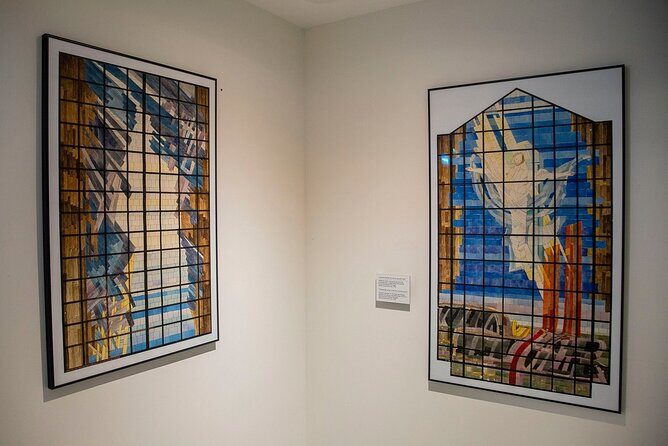
Museu do Vitral is a focused museum experience centered on one thing: how stained glass uses light as a material. If you’ve ever wondered why these pieces look so different in sunlight versus indoor light, this is the kind of place that makes the answer click fast.
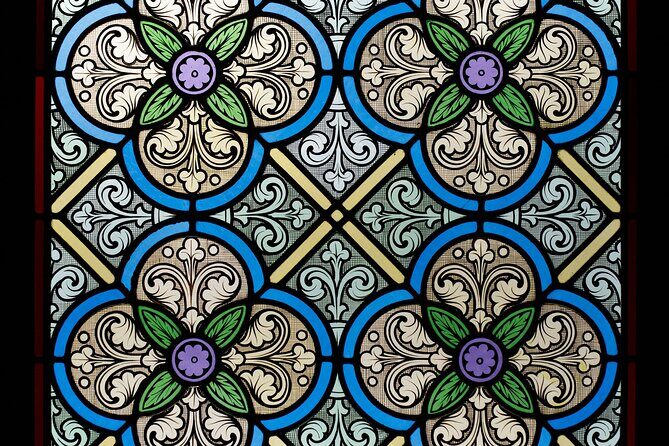
You’ll also get the bigger cultural picture without it turning into a textbook. Stained glass has been used for centuries in places like churches and cloisters for religious narratives, and it also showed up in civic buildings and private homes to celebrate family ties, politics, or simply beautiful design. That context helps you see each work as part of a longer story of taste and power, not just decoration.
You can also read our reviews of more tours and experiences in Porto


Your ticket value: admission plus a glass of port
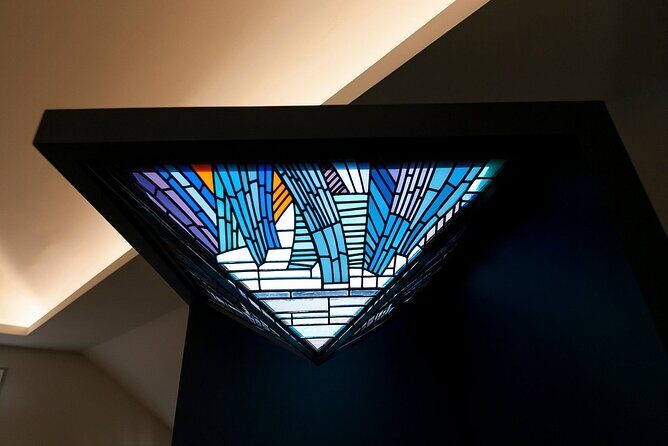
This is one of those tickets that feels like good value because you’re paying for more than entry into a quiet room. You get admission to the museum and an included glass of port as part of the experience.
That port doesn’t turn the museum into a party. It mostly works as a small, fun incentive to slow down. You’ll be standing, reading labels, and watching the video, so having a drink waiting for you makes the visit feel a little more special without adding cost or complexity.
At $12 for the ticket, it’s also an easier budget decision than many Porto attractions. One review notes pricing around €8 per adult, and children up to 10 years old get free entry, which can make it a particularly smart stop if you’re traveling as a family.
Inside the museum: Atelier Antunes and what you’ll actually see
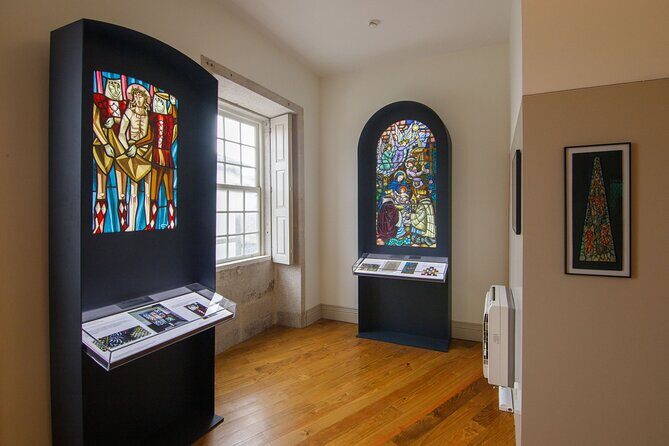
The museum focuses on remarkable works of glass created by Portugal’s oldest and internationally known studio: Atelier Antunes. That matters because it keeps the show anchored in real craftsmanship, not random stained-glass samples.
As you move through the displays, you’ll find a strong blend of:
- traditional stained glass works
- decorative panels
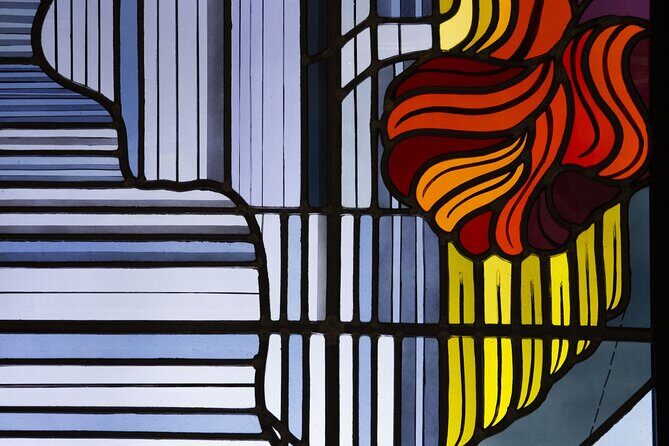
- abstract art installations
- original sketches and maquettes
- one kaleidoscope designed around many colours of glass
That mix is a big part of why this ticket gets high marks for being informative. The sketches and maquettes are especially useful. They help you understand that a stained-glass window isn’t just made once and done. It’s tested, refined, and planned so the final design behaves correctly with light.
The video on stained-glass making: the part that sticks with you
One of the most praised parts of this visit is the included video that explains how stained-glass windows are created. It’s short enough to fit the overall 1-hour pace, but detailed enough that it changes how you look at the objects afterward.
You’ll come away with a clearer sense of the steps involved, which makes the gallery feel less mysterious. Instead of just seeing a finished artwork, you start noticing process clues—how colour choices affect mood, how sections relate, and how design patterns are built to work in glass.
If you like learning while you travel (and not getting stuck in a lecture), this video is a great match. It’s also the kind of thing you can watch and instantly connect to what you’re seeing on the walls.
The kaleidoscope with 400 colours: why it’s more than a gimmick
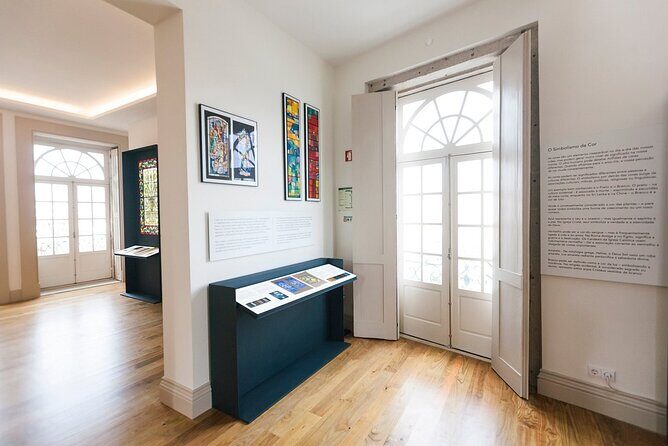
The museum includes a kaleidoscope featuring over 400 colours of glass. This could easily be a throwaway photo spot in a less serious museum. Here, it plays a more meaningful role because it reinforces the core idea: stained glass is about controlling light through colour.
When you see so many glass colours in one place, it helps you understand why these works feel rich and nuanced. Even if two pieces both look like they use “reds and blues,” the difference is in tone, transparency, and how each fragment handles light.
This is also the kind of display that works well for different ages and interests. If you’re an art lover, you’ll spot colour logic. If you’re traveling with kids, it’s visual and fun without being random.
You can also read our reviews of more food & drink experiences in Porto






Rooms, levels, and the pace that fits a 1-hour ticket
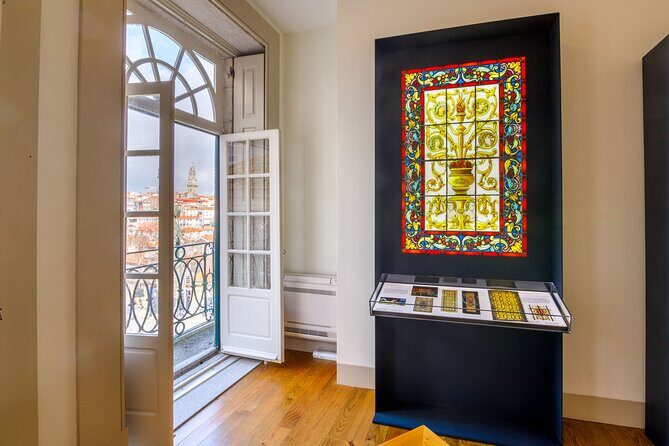
The visit is designed around about 1 hour. Reviews mention the museum has three floors with different models or displays, so you’re likely to get a sense of variety without losing the thread.
That pacing is useful if you’re building a Porto day and don’t want another half-day museum block. It’s also a good option if you tend to get museum fatigue after too many rooms. You’ll still see enough to feel you had a real experience, not a quick glance and a walk-through.
Still, there is one practical consideration. One review notes the only flaw is that they wanted roughly double the surface area. In plain terms: it’s a solid hit of stained glass, not a huge campus of galleries. If you’re the type who wants hours of deep reading, you might feel the time limit.
Practical tips for enjoying it more (and not judging too fast)
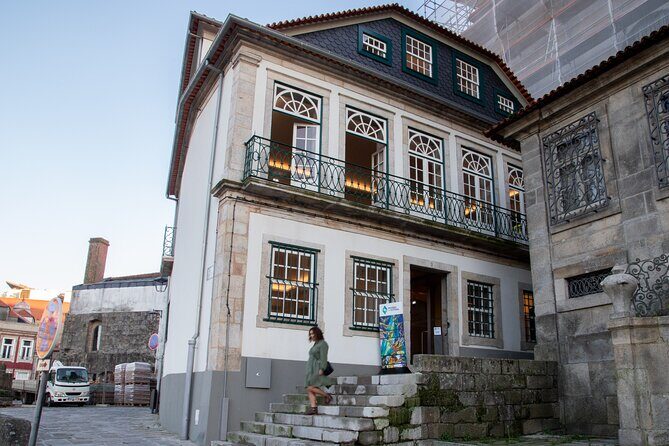
The exterior of the building doesn’t seem to wow people right away, but once you’re inside, the focus is on the art. I’d treat the building like a plain wrapper and judge the content after you step in.
Also, don’t rush the video. Give it a few minutes of attention. The moment you understand the process, the sketches, maquettes, and finished windows start to make more sense as a workflow.
If you’re taking photos, prioritize displays tied to process—sketches, models, and panels. Finished windows can be pretty, but the studio materials help you remember what you learned. That’s where the visit stops feeling like a one-time look.
When to go in Porto: timing and how it fits your day
The museum’s hours are split. On Mondays, it’s open 10:00 AM–1:00 PM and 2:00 PM–7:00 PM. The time window gives you flexibility for pairing it with other nearby stops.
Because the ticket experience is about an hour, you can fit it between meals or as a calm afternoon break. It also works well as a rainy-day plan, since it’s indoors and centered on light and glass, not weather.
For your schedule, I’d aim for a time when you’ll still have energy to read labels. This isn’t a stop where you can just sprint from room to room and still get the value.
Who this ticket suits best
This museum is ideal if you like art that explains itself through craft. If you enjoy seeing how design becomes an object, the sketches, maquettes, and making video add real payoff.
It’s also a great pick for:
- couples who want a smart, quiet experience with a fun extra (port)
- families with kids who can handle a short museum visit
- anyone who likes stained glass, color, or design process
- travelers who want something compact but not superficial
If you’re strictly looking for big, blockbuster museum collections, this might feel small. But if you want a strong concentration of stained-glass art and explanation, it’s a better match than many larger attractions.
Should you book the Museu do Vitral entry ticket with port?
I think you should book it if you want a short, high-reward art stop. The combination of museum admission, a video that explains the craft, and the included glass of port makes this more fun than a standard ticket, and it stays focused on what matters.
You might skip it if you need a lot of space and time to feel satisfied, or if you hate learning parts of museum visits. Also, if you’re the type who expects the venue itself to be spectacular on the outside, manage that expectation. The real story is inside the glass and the process behind it.
My verdict: for the price, the learning, and the “look again” factor from the kaleidoscope and studio materials, this is a strong value in Porto.
FAQ
How long is the Museu do Vitral entry ticket experience?
It’s listed as about 1 hour.
What’s included with the ticket?
The ticket includes entry to the Museu do Vitral and an included glass of port wine tasting.
Is there a video during the visit?
Yes. There is an explanatory video about how stained-glass windows are made.
What types of stained glass displays can I expect?
You’ll see traditional stained glass, decorative panels, abstract art installations, and studio materials like original sketches and maquettes.
Is the kaleidoscope part of the experience?
Yes. The museum includes a kaleidoscope featuring over 400 colours of glass.
Where is the experience located?
It’s in Porto, Portugal.
Are there opening hours I should know about?
The hours listed include Monday: 10:00 AM–1:00 PM and 2:00 PM–7:00 PM.
Is a mobile ticket used?
Yes, the ticket is provided as a mobile ticket.
Is free cancellation available?
Yes, you can cancel for a full refund if you cancel at least 24 hours before the start time.
Are children allowed, and is there any child pricing mentioned?
One review notes free entry for children up to 10 years old. The ticket is otherwise described as priced for adults.