REVIEW · PORTO
Museu das Marionetas do Porto
Book on GetYourGuide →Operated by Teatro de Marionetas do Porto · Bookable on GetYourGuide
A puppet museum that you can touch. Museu das Marionetas do Porto is centered on the work of João Paulo Seara Cardoso and Teatro de Marionetas do Porto, turning stage objects and stories into a museum you can actively try. What makes it interesting is the mix of performance memory and hands-on tinkering, plus video guidance in several languages (including sign language).
One thing I really like is the special experimentation room, where you can manipulate puppets and even operate lights and sound. Another is how the museum builds storytelling around real stage pieces—puppets, props, and symbolic objects—so it doesn’t feel like a glass-case display.
A possible drawback: it’s designed to be “short and sweet,” so if you want a long, deep museum crawl, you may finish faster than you expect in a 1-day visit.
In This Review
- Key things to know before you go
- Museu das Marionetas do Porto: what kind of museum this is
- The hands-on experimentation room (and why it’s the best value)
- Video-guides in PT, EN, FR, ES (plus sign language)
- Accessibility you can feel: tactile puppets and podotactile flooring
- Children’s area and family-friendly imagination
- Performance excerpts: how the museum connects to Teatro de Marionetas do Porto
- Price and time: how this fits a Porto day
- Logistics that matter (and what to plan for)
- Should you book Museu das Marionetas do Porto?
- FAQ
- How much does Museu das Marionetas do Porto cost?
- How long should I plan to spend there?
- What’s included with the ticket?
- What languages are available for the video guides?
- Is there Portuguese Sign Language available?
- Is there audio description for visitors?
- Is the museum wheelchair accessible?
- Are there tactile or sensory accessibility features?
- What’s the cancellation policy?
- Is pay later an option?
Key things to know before you go
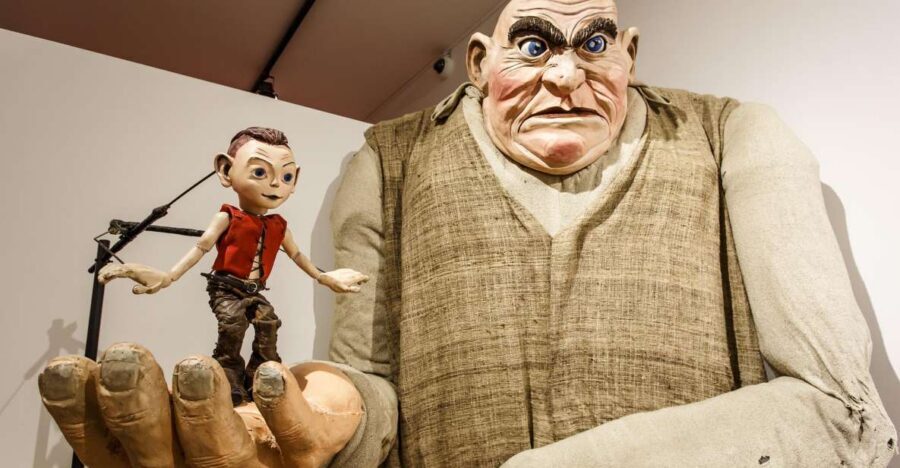
- Hands-on control: experiment with puppets and even operate lights and sound in a dedicated space
- Built for different needs: wheelchair access plus tactile puppets, podotactile flooring, and audio description in PT
- Multi-language guidance: video guides in PT, EN, FR, ES, plus Portuguese Sign Language
- Performance excerpts: you’ll see fragments of the company’s work, not just objects in isolation
- A focused “author museum”: everything orbits the creative world of João Paulo Seara Cardoso
Museu das Marionetas do Porto: what kind of museum this is
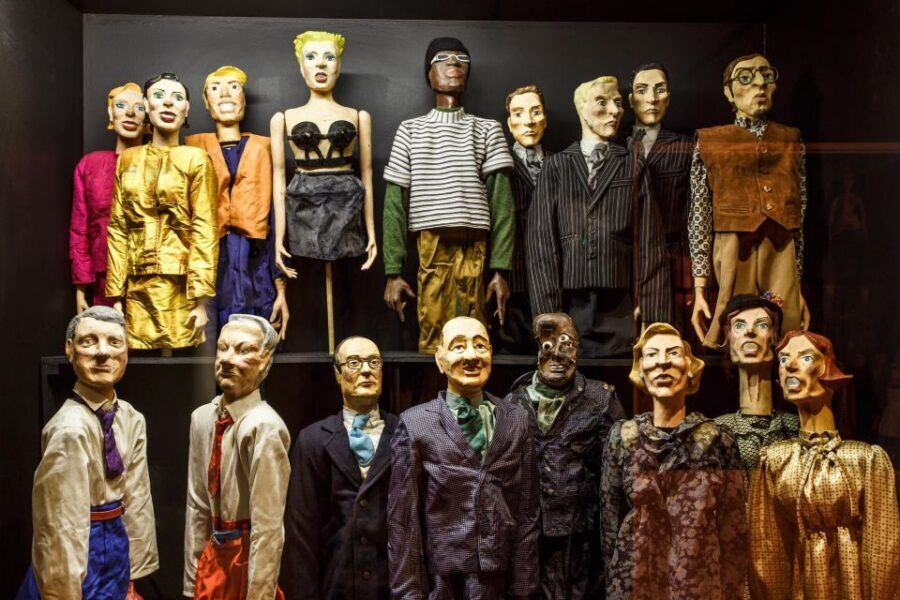
This isn’t a big “look at everything” museum. It’s an author museum, built around one creative mind: João Paulo Seara Cardoso (1956–2010), director and artistic director of Teatro de Marionetas do Porto. The museum feels like a memory space with an eye on what comes next—part archive, part living workshop, and part conversation with the public.
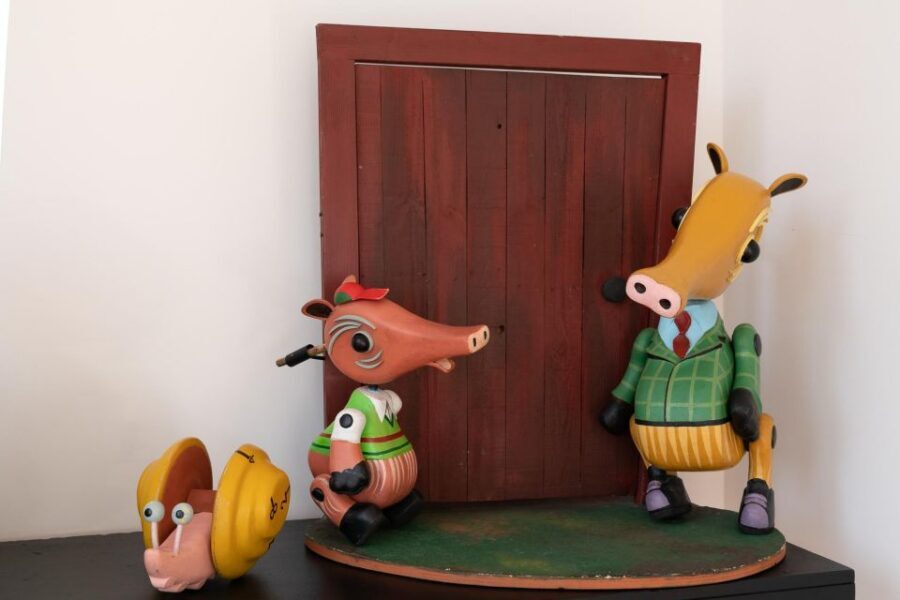
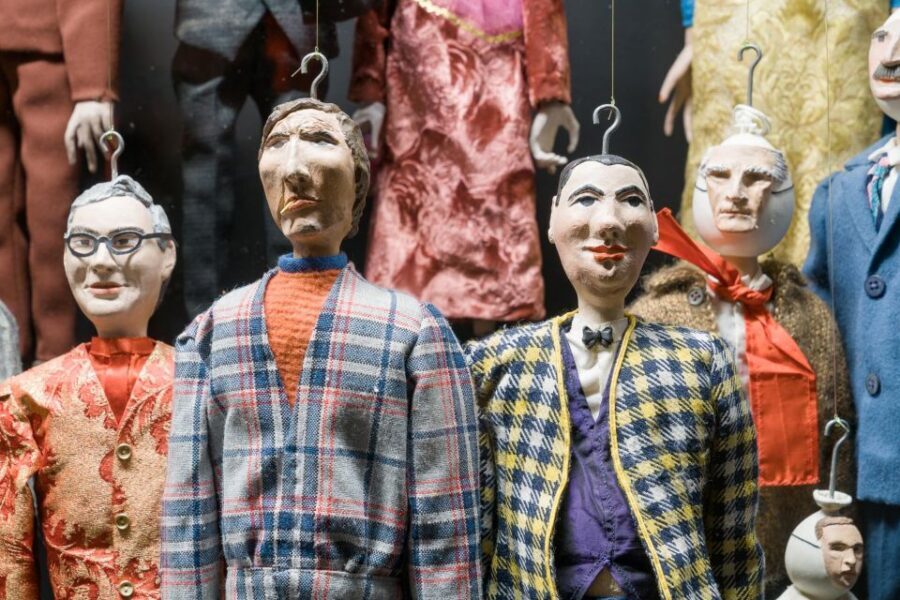
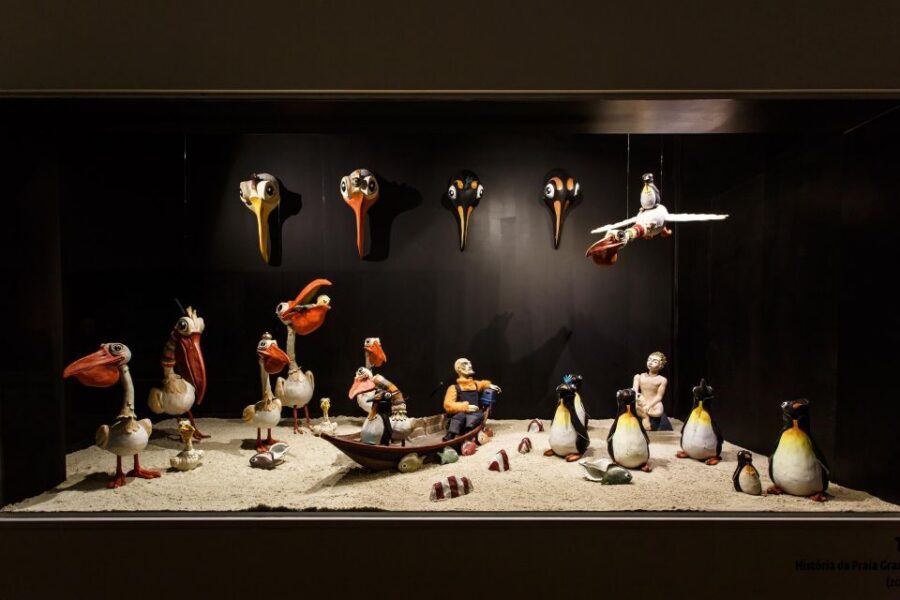
The museum’s identity is tied to Porto’s puppet culture. You can feel that in the way the displays are arranged: puppets and stage props aren’t just artifacts; they’re linked to performances and stories. That’s why it works even if you’re not a die-hard theater person. Puppet design is visual and immediate. And props are easier to “read” than some abstract art.
There’s also a strong architectural and design element. The architecture project is credited to José Gigante, and the museum’s setting has shifted over time: it first operated at Rua das Flores no. 22 for its early years, then moved on September 29, 2016 to the building next to the company headquarters in Rua de Belomonte. The museum officially opened in 2013, marking the company’s 25th anniversary—so you’re seeing a mature project, not a half-finished idea.
You can also read our reviews of more tours and experiences in Porto.



The hands-on experimentation room (and why it’s the best value)
If you only remember one thing, make it the experimentation space. This museum gives you a chance to do what puppet theaters always invite you to do—play with the mechanics of illusion—except here you get to try it without waiting for a show.
From the information provided, that special room includes activities where you can:
- Manipulate puppets
- Operate lights and sound
That matters more than it sounds. Seeing puppets is one experience. Understanding how light, sound, and movement create mood is a different one. When you get to control parts of the effect, you’ll likely “get” stage design faster. You also leave with a stronger mental picture of what the performers are doing, even if you don’t know Portuguese theater history.
Practical tip: plan to slow down here. The whole museum is accessible and visitor-focused, but the experimentation zone is where you’ll naturally spend the most time if you’re curious. Kids usually love it too, because it’s imagination with rules—move this, try that, see what happens.
Video-guides in PT, EN, FR, ES (plus sign language)
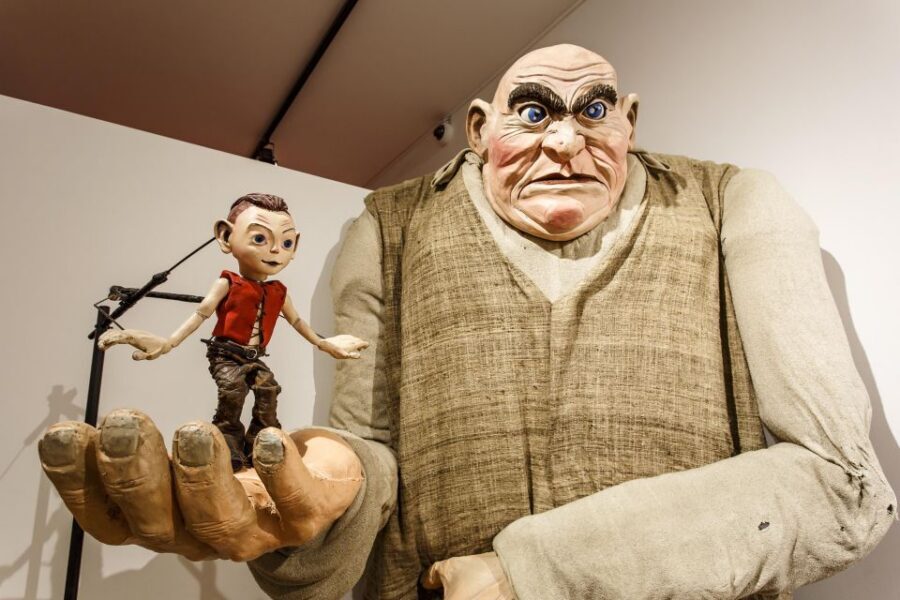
Another big strength is the video-guide system, offered in PT (Portuguese), EN (English), FR (French), and ES (Spanish). That’s a helpful spread for an international traveler, and it also means you can choose the language that matches your comfort level without guessing.
You also get a Portuguese Sign Language video guide. In a museum context, that’s not a minor upgrade. It changes who feels welcome and who can actually follow the story. It’s part of what makes this feel like an inclusive museum, not just a “friendly” one.
There’s also audio description available in Portuguese, tied to tactile and accessibility features. Translation usually makes museums accessible. Here, the museum adds layers so information can be reached in more than one way.
If you’re traveling as a couple or small group, you might appreciate this: it reduces the pressure to do everything together at the same pace. Each person can follow the guide in their preferred way.
Accessibility you can feel: tactile puppets and podotactile flooring
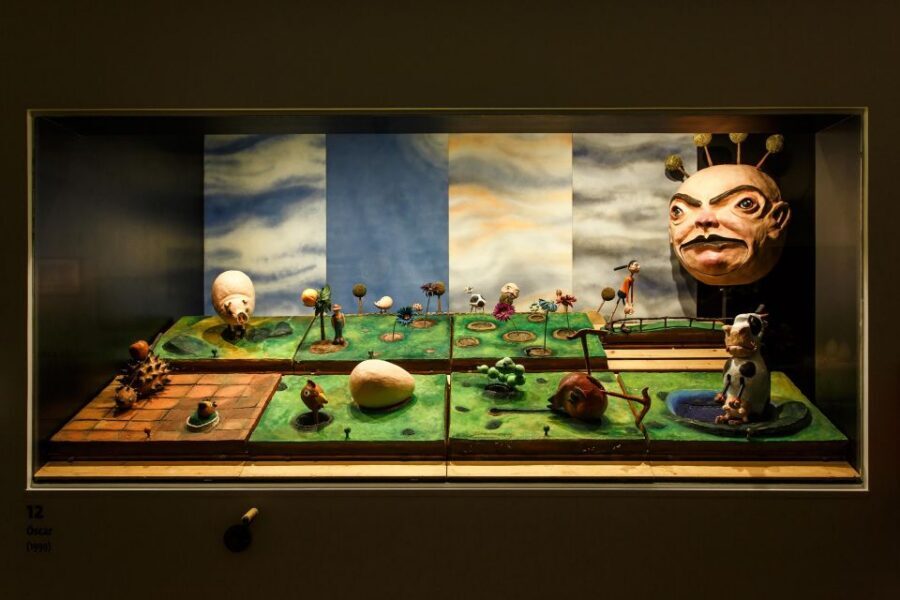
This museum is explicitly described as inclusive since 2017, and the accessibility details are concrete, not vague. You’ll find:
- Tactile puppets
- Podotactile flooring
- Audio description in PT
Wheelchair access is also listed, so you’re not dealing with “hope for the best” navigation.
Why this is valuable: museums often claim accessibility, but the experience still turns into a visual-only game. Here, tactile elements suggest the museum expects you to learn through touch and movement, not only sight. That’s especially meaningful for children too—puppet theater is already a “hands-on curiosity” medium.
Practical consideration: if you’re sensitive to touch-based experiences (or traveling with someone who is), you might want to decide your comfort level before spending time in the tactile areas. That’s true of any tactile exhibit, even when it’s well-designed.
Children’s area and family-friendly imagination
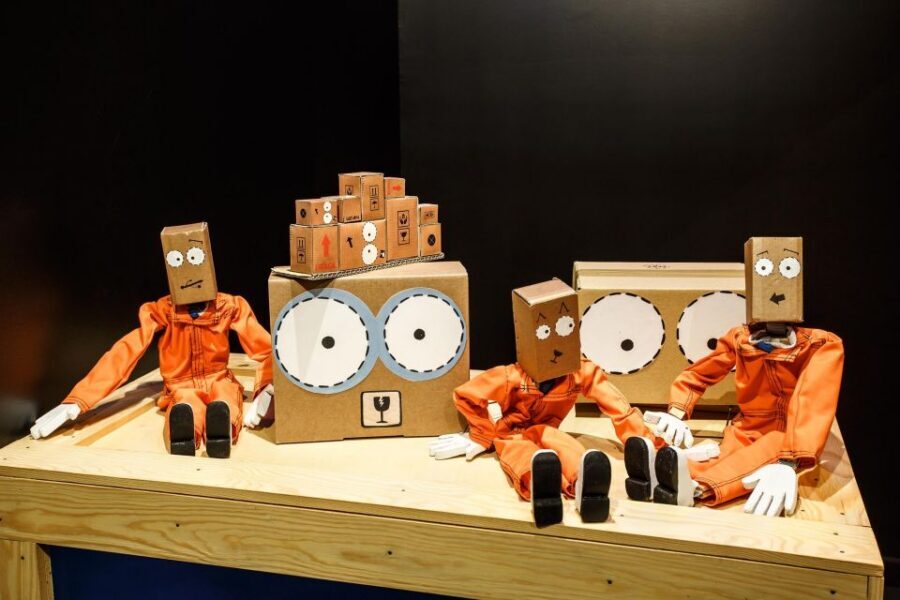
This place is designed with families in mind. The ticket includes access to a children’s area, plus the hands-on experimentation room is the kind of activity that naturally pulls kids in.
From the feedback patterns in the information you provided, parents tend to like it because it supports imagination, not just passive watching. Puppet museums can be a little hit-or-miss with kids—some are too quiet, too academic, or too “don’t touch.” Here, the museum clearly encourages participation, which tends to keep energy levels steady.
A good strategy: start with the guidance (video guides) just enough to orient everyone, then shift into the experimentation space. Kids can get frustrated when the visit feels like homework. A short orientation, then hands-on play, usually works better.



Performance excerpts: how the museum connects to Teatro de Marionetas do Porto
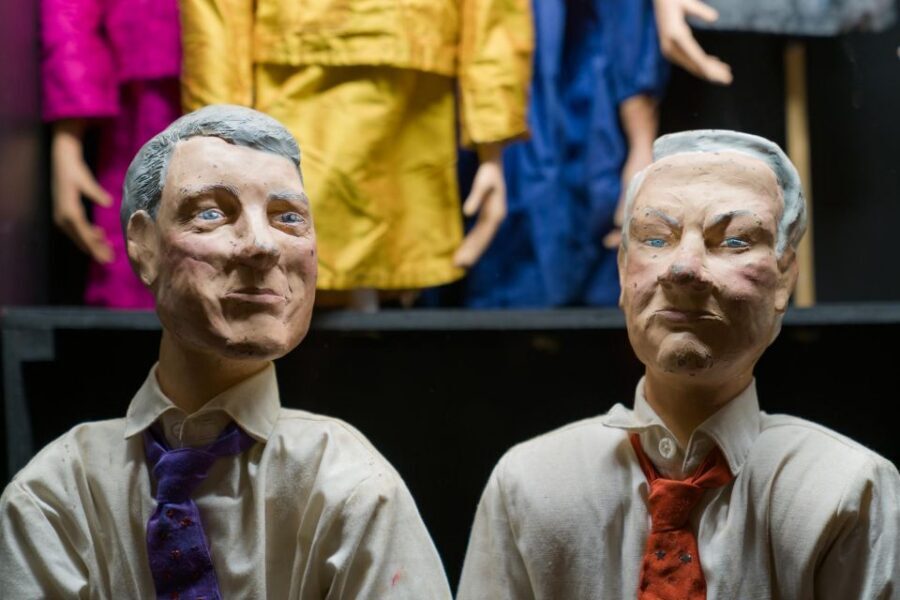
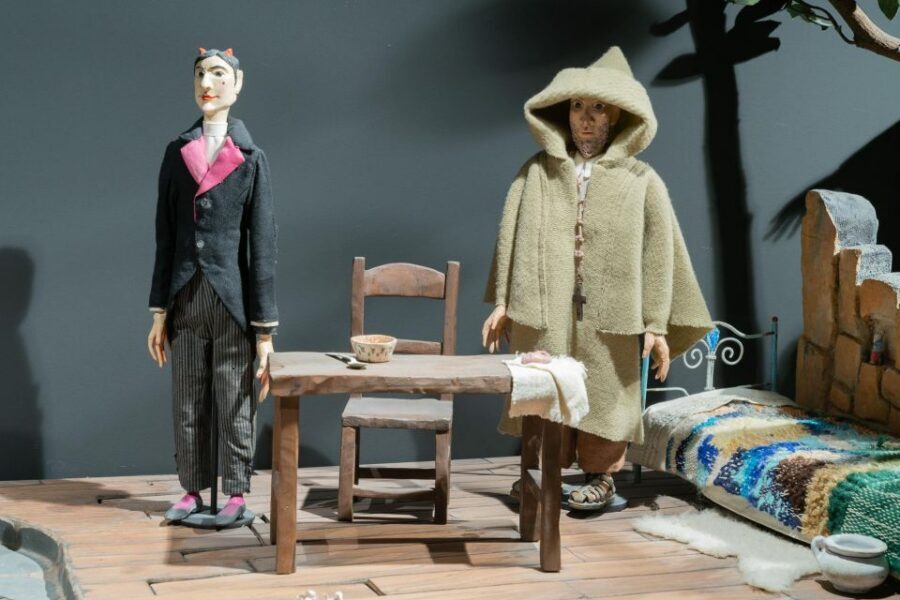
Museu das Marionetas do Porto isn’t only a puppet collection. It includes excerpts from performances from the company. That helps bridge the gap between objects and meaning.
If you’ve ever seen theater props in a museum, you may know the problem: you get the physical thing, but you miss the context. Here, the museum stitches objects to performance memory. You’re not just looking at puppets; you’re seeing fragments of how they were used.
This is also where the museum’s “author” concept pays off. João Paulo Seara Cardoso’s creative direction—both artistic and managerial—acts like the thread tying everything together. Instead of a scatter of unrelated exhibits, you get a coherent creative universe.
Price and time: how this fits a Porto day
At $4.13 per person, this is strong value, especially because the ticket includes more than “just walk around.” You’re also getting:
- Video guides (multiple languages)
- The experimentation space
- The children’s area
Since the duration is listed as 1 day, you should treat this like a focused stop you can pair with other nearby Porto sights. It’s not trying to replace a full museum day like a huge art museum might. Instead, it works as a compact cultural experience with a playful edge.
If you’re budgeting a Porto day and want something different from churches and viewpoints, this hits the sweet spot: low cost, high engagement, and clear activities.
Logistics that matter (and what to plan for)
The museum is hosted by Teatro de Marionetas do Porto, and the host or greeter language options are listed as Portuguese and English. The site also provides language options on guides, which helps if you don’t speak Portuguese.
Timing-wise, the experience is valid for 1 day and you’re told to check availability for starting times. That suggests you should pick a time slot rather than showing up expecting an always-on open house.
My practical advice: arrive with enough time to do the experimentation space without rushing. If you’re with kids, build in extra minutes for transitions between areas.
Should you book Museu das Marionetas do Porto?
Book it if you want a hands-on cultural stop that doesn’t require deep background knowledge. It’s especially good for families, travelers who like accessibility features that actually change the experience, and anyone curious about how stage effects are made.
Skip it only if you’re chasing a long, multi-hour museum marathon. This is built for focus and participation. And if you’re the type who wants everything to be a quiet browse, the experimentation room may feel too active—though you can always watch and move at your own pace.
Given the price and the inclusion of video guidance plus accessibility tools, it’s one of those “small ticket, big payoff” Porto experiences.
FAQ
How much does Museu das Marionetas do Porto cost?
The price listed is $4.13 per person.
How long should I plan to spend there?
The experience is listed as lasting 1 day.
What’s included with the ticket?
Your ticket includes a visit to the museum with video guides, access to the experimentation space, and the children’s area.
What languages are available for the video guides?
Video guides are available in Portuguese, English, French, and Spanish.
Is there Portuguese Sign Language available?
Yes. A video-guide in Portuguese Sign Language is available.
Is there audio description for visitors?
Yes, audio description is available in Portuguese.
Is the museum wheelchair accessible?
Wheelchair accessibility is listed as available.
Are there tactile or sensory accessibility features?
Yes. The museum offers tactile puppets and podotactile flooring, along with audio description in Portuguese.
What’s the cancellation policy?
Free cancellation is available up to 24 hours in advance for a full refund.
Is pay later an option?
Yes. You can reserve now and pay later, with no payment required today.