REVIEW · PORTO
Learn How to Make Pastel de Nata!
Book on Viator →Operated by Porto Cooking Classes · Bookable on Viator
A custard tart class in Porto is a smart idea. You get hands-on time making Portugal’s most famous pastry, plus family stories and tips that help you actually recreate the result later. It’s also designed for mixed ages, so it doesn’t feel like a stuffy food lecture.
I really like the small group size (max 10), because you get more attention while you’re working. I also like how the host teaches it like a family recipe from scratch, not just a quick demo—so you’re doing the steps, not watching them.
One thing to consider: if you want an exact recipe with ingredient quantities right at the start, the class may focus first on technique, and you might get the detailed amounts later. It’s still beginner-friendly, but it’s not the kind of class where everything is handed to you on a clipboard immediately.
In This Review
- Key highlights worth showing up for
- Why a Pastel de Nata Class Feels Like the Best Porto Souvenir
- The Home-Studio Meet-Up and the Family-Recipe Welcome
- Making Pastel de Nata From Scratch: What You Actually Do
- A quick heads-up about written recipes and quantities
- Small Group Energy: More Attention Means Better Results
- The Culture Bits You’ll Remember After the Oven Stops
- Eating What You Make: Timing, Taste, and How to Enjoy It
- Price and Value: Is $29 Fair for Two Hours in Porto?
- Who This Pastel de Nata Class Fits Best
- Practical Notes Before You Book
- Should You Book This Pastel de Nata Class?
- FAQ
- What is the location of the class?
- What time does the experience start?
- How long is the experience?
- How much does it cost?
- How big is the group?
- Is it hands-on or just a demo?
- Is the class suitable for children?
- Do I get a mobile ticket?
- Is service animal access allowed?
- How does cancellation work?
Key highlights worth showing up for
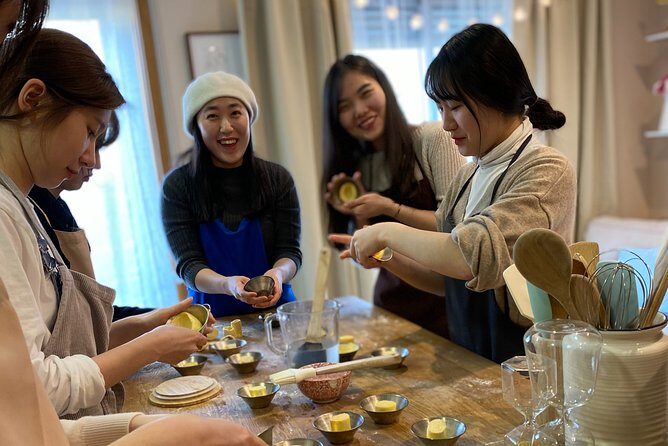
- Make pastel de nata from scratch with a hands-on group process
- Family recipe context from a host who traces it through her grandmother
- Small group attention with a maximum of 10 people
- Fun facts and tradition talk while you cook, not after you leave
- Eat what you make at the end, while it’s fresh and warm
Why a Pastel de Nata Class Feels Like the Best Porto Souvenir
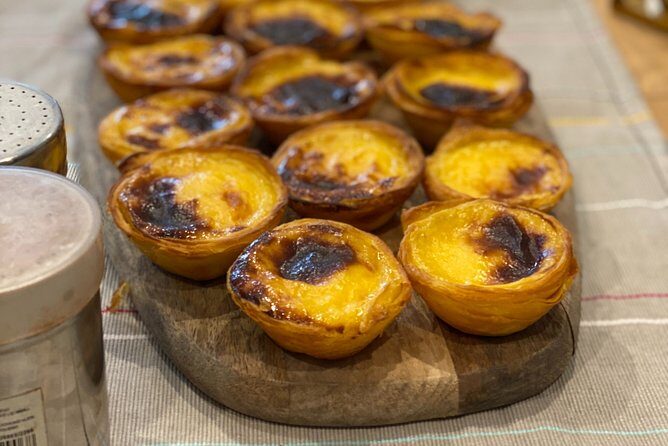
Pastel de nata is everywhere in Porto, but you can still learn something real by making it yourself. The difference is control: you’ll understand the texture you’re aiming for in the custard and what makes the pastry behave the way it does in the oven. That turns a dessert from a photo into a skill.
This class also has a practical rhythm. You’re not just collecting knowledge—you’re producing pastries, tasting them, and learning the cues that matter. The setup is especially good for first-timers, because you work together, take turns, and get guided support.
And at this price point, $29 for about two hours isn’t trying to be a fancy tasting. It’s aiming to be useful. You leave with the confidence to try again at home, plus the kind of Porto memories that don’t fade after one meal.
You can also read our reviews of more tours and experiences in Porto.


The Home-Studio Meet-Up and the Family-Recipe Welcome
You start in the host’s home studio in Porto, at Rua Dr. Américo Jazelino Dias Costa 104, 4510-643 Fânzeres, Portugal. The experience begins at 9:30am, so it’s a great match for travelers who like to start early and keep the rest of the day free for sightseeing.
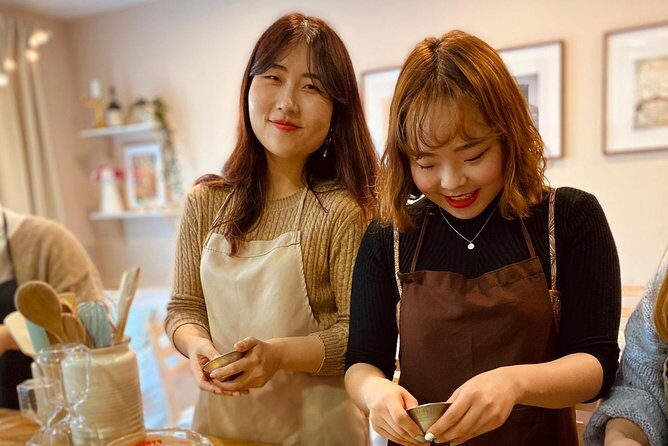
Inside, the host sets the tone. You meet in a space with plenty of natural light and all the tools you need for messy, fun baking time. The vibe is personal: the host shares that the recipe comes from her grandmother, and that her family has been making it for years.
One of my favorite parts of classes like this is that backstory doesn’t feel like trivia—it explains why the steps matter. When you hear that this dessert is a family tradition, you pay attention differently. You’re not thinking only about results; you’re thinking about process, habits, and details passed down through repetition.
Making Pastel de Nata From Scratch: What You Actually Do
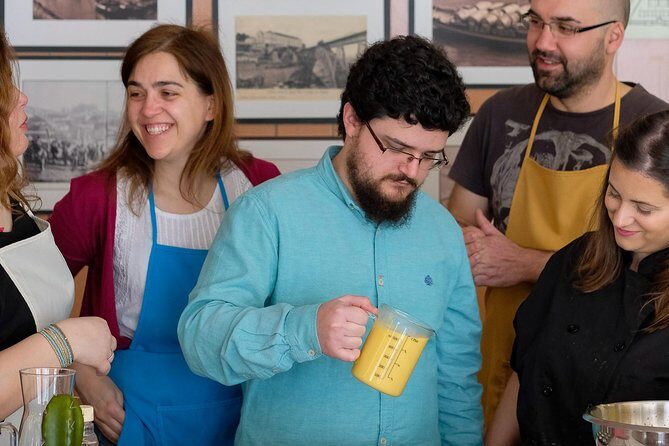
This is a hands-on class, meaning you bake everything from scratch together with the host’s help. That matters because pastel de nata isn’t just one thing. It’s pastry structure, custard consistency, and the final bake that gives you that signature top.
Here’s the experience flow, as it’s typically practiced in this style of Porto class:
- You begin with a short intro to the host and the family connection to the recipe.
- Then you start working as a group, with the host guiding each step and letting everyone participate.
- You’ll learn the trickier parts by doing them, not by memorizing.
- At the end, you sit down and feast on the natas you made.
The host also shares fun facts about the custard tart—its story, and the traditions around it. The details aren’t presented like a history lecture. They come in while you’re cooking, so the information sticks because it’s tied to what you’re making right now.
Don’t worry if you think you’re not a “baker.” The class is built for all ages and all skill levels. You’ll be doing the work in turns, and the host is there to help you fix small issues as they happen.
A quick heads-up about written recipes and quantities
One review issue that’s worth taking seriously: one guest felt the experience started without providing the full recipe with ingredient quantities immediately. The host response emphasized that the focus at that moment was on technique, and the class ended with recommendations and conversation afterward.
If you’re the type who wants exact measurements in your hands right away, you can handle it with one simple move: ask for the recipe/quantities during the class start so you know what you’re working with. Based on the class style, it may be presented more as a guided process first, then clarified later.
Small Group Energy: More Attention Means Better Results
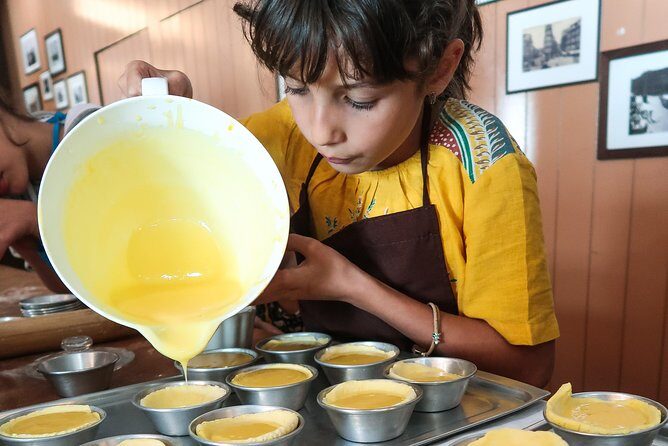
The class caps at 10 travelers. That isn’t just a comfort feature—it changes how the instruction works. In a small group, the host can see what your hands are doing and adjust guidance quickly, instead of giving generic tips to a large crowd.
You also take turns, which helps if you’re traveling with kids or friends with different comfort levels. One person can focus on one step while someone else does the next, and everyone still gets a real part of the process. That shared pace is a big reason these classes feel fun instead of stressful.
Another practical advantage: you’re less likely to feel lost. You’re not being rushed through a demo. You’re guided through the same process alongside others, so you can learn from both the host’s corrections and what you see happening at each station.






The Culture Bits You’ll Remember After the Oven Stops
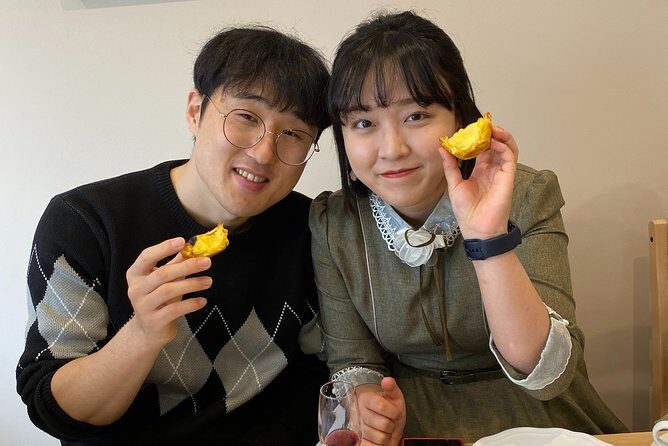
This isn’t only about baking. You’ll hear Portuguese customs and traditions while you cook, and you’ll learn the story behind the pastel de nata as the host tells it through her family.
A nice touch is the way conversation continues beyond the kitchen steps. One guest highlighted that the host went beyond baking—talking about cultures with participants and offering personal recommendations about Porto, including restaurants and fun things to see.
That’s a real value-add. When a local host tells you where they’d eat or what they’d do, you get ideas that don’t rely on tourist shortcuts. You can use those suggestions immediately after class while your day is still flexible.
Also, since it’s in a home studio, the atmosphere tends to feel less staged. You’re not just consuming an experience; you’re in it.
Eating What You Make: Timing, Taste, and How to Enjoy It
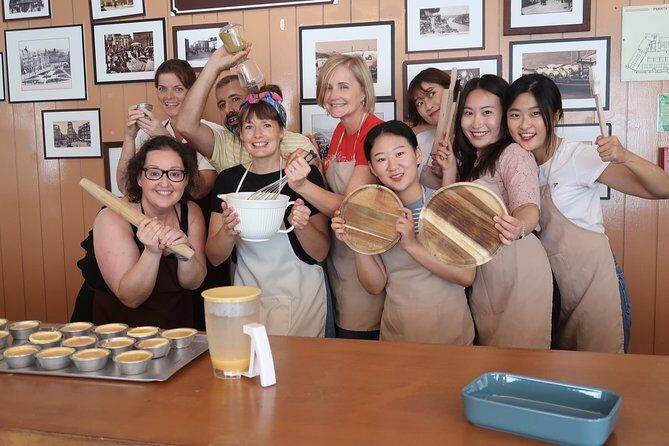
At the end, you sit and feast on the natas. The most important thing here is timing. Even if you’re not a pastry expert, you’ll notice the difference between something served soon after baking and something that has cooled too far.
Try them fresh, while the custard is still tender and the pastry has that baked texture. If you’re sharing with kids, this is also the moment that turns learning into celebration. Everyone made something, and it’s not just for show.
Don’t rush this part. The class includes story talk and culture chat, and the tasting time is where it all connects. You’re learning why the steps mattered as you taste the result.
Price and Value: Is $29 Fair for Two Hours in Porto?
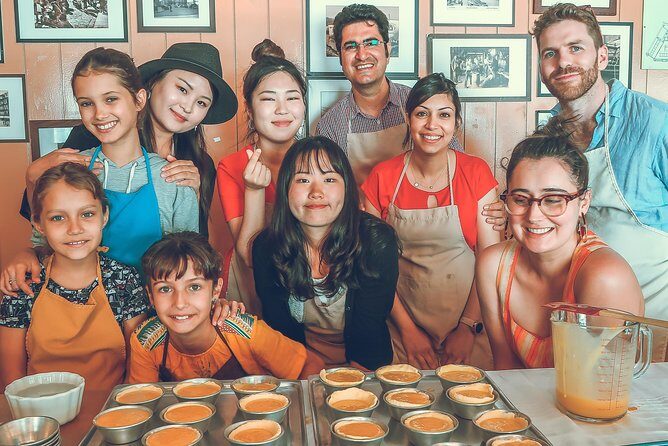
For $29 and roughly two hours, you’re paying for a few things that add up quickly if you were to recreate them on your own:
- instructor guidance through a hands-on process
- ingredients and baking setup provided for you
- a small group environment that keeps instruction practical
- a meal component at the end (you eat what you make)
If you’ve done cooking classes before, you’ll recognize this pricing as a mid-range deal, especially because it’s not just a tasting workshop. It’s a do-it-yourself session where you leave with a product and a skill.
The class also fits into real travel schedules. A 9:30am start means you can do morning baking and still have time for Porto neighborhoods, viewpoint stops, and an early lunch.
In other words: it’s not just about dessert. It’s about getting a structured, guided experience without paying big-city cooking-tour prices.
Who This Pastel de Nata Class Fits Best
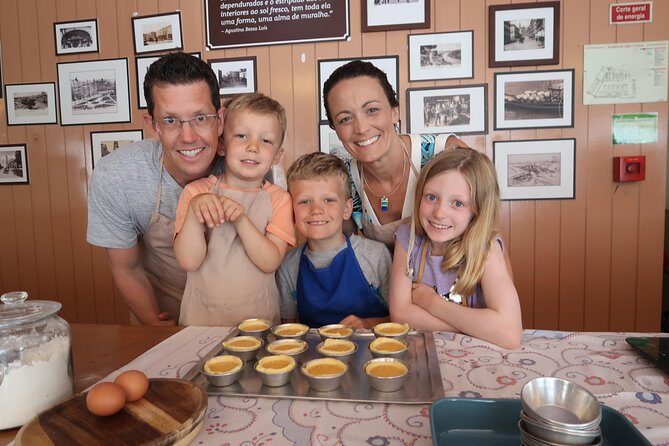
This is a great match if you fall into any of these categories:
- Families who want a shared activity that works for kids and adults
- Beginners who want step-by-step help instead of a complicated recipe hunt
- Food lovers who want to understand what makes Portuguese custard tarts work
- Travelers who like morning plans and want the rest of the day free
It’s also ideal if you enjoy cultural conversation. The host’s approach blends cooking with Portuguese tradition talk, and that makes it more than a simple food stop.
Practical Notes Before You Book
A few details that can help you plan your day:
- You’ll get mobile ticket access for entry.
- The group is capped at 10 travelers, so don’t expect a huge crowd.
- It’s near public transportation, so getting there should be straightforward.
- Service animals are allowed.
- Confirmation happens at booking time.
And one more practical thought: bring a willingness to get a little flour on your hands. That’s not a “nice-to-have” for this class—it’s basically the point.
Should You Book This Pastel de Nata Class?
Yes, if you want a hands-on Porto experience that turns a famous dessert into something you can repeat. The combination of small group attention, a family-recipe teaching style, and the fact that you eat what you make makes the value feel solid.
Book it especially if you’re traveling with kids, or if you’re a beginner who wants guidance instead of guesswork. The only real reason to pause is if you strongly require an exact recipe with ingredient quantities immediately at the start. In that case, ask early for written amounts so you’re fully comfortable with your process.
FAQ
What is the location of the class?
The class meets at Rua Dr. Américo Jazelino Dias Costa 104, 4510-643 Fânzeres, Portugal, and ends back at the meeting point.
What time does the experience start?
The start time is 9:30am.
How long is the experience?
It lasts about 2 hours (approximately).
How much does it cost?
The price is $29.
How big is the group?
The tour/activity has a maximum of 10 travelers.
Is it hands-on or just a demo?
It’s hands-on. You bake from scratch as a group with the host’s help.
Is the class suitable for children?
Yes, it is suitable for kids and adults of all ages.
Do I get a mobile ticket?
Yes, it includes a mobile ticket.
Is service animal access allowed?
Yes, service animals are allowed.
How does cancellation work?
You can cancel for a full refund if you cancel at least 24 hours before the experience’s start time. If you cancel within 24 hours, the amount paid is not refunded.
If you tell me your travel dates and who you’re going with (kids? picky eaters? total beginners?), I can help you decide if 9:30am is a good fit and how to pair it with a Porto morning plan.