REVIEW · PORTO
Learn How to Make Pastel De Nata in a Beautiful Porto Home
Book on Viator →Operated by eatwith · Bookable on Viator
A Porto morning can taste like Portugal. This Pastel de Nata masterclass turns a famous pastry into something you can actually make, not just buy. I love that the class is small and hands-on, so you’re doing the work (not watching it). I also like that Joana pairs the baking with stories and insider Porto eating tips, so the morning feels like a local conversation, not a scripted demo.
One thing to plan around: this isn’t set up for very young kids. The experience specifically says it is not suitable for toddlers and small children, so come as an adult or book separately for your child if that’s your situation.
In This Review
- Key Highlights You Should Care About
- A Sunny Porto Apartment and a Small-Group Morning
- Meet Joana: The Host Who Brings Porto Into the Kitchen
- What You’ll Actually Make: Pastel de Nata, From Dough to Oven
- The Taste Test Moment: Enjoy Your Pastel de Nata Right Away
- The Recipe Booklet and Porto Tips You’ll Use After the Class
- Price, Time, and Why This Feels Like Good Value
- Who This Pastel de Nata Class Suits Best
- Should You Book This Pastel de Nata Class?
- FAQ
- What is the price of the Pastel de Nata cooking class in Porto?
- How long does the class last?
- What time does the class start?
- Is the class offered in English?
- What’s included with the class besides the cooking?
- How big is the group?
- Is the class suitable for toddlers or small children?
Key Highlights You Should Care About
- Small group of up to 4 means more attention while you’re working the dough
- Hands-on pastry making with an instructor who divides tasks so everyone participates
- Fresh-out-of-the-oven payoff plus coffee, tea, or orange juice to enjoy right away
- A recipe booklet to take home for traditional methods and repeat attempts later
- Joana’s Porto insights on where to eat and drink beyond the obvious spots
A Sunny Porto Apartment and a Small-Group Morning
You start in the Porto area at Rua Doutor Américo Jazelino Dias Costa in Fânzeres, with the exact full address sent on your confirmation voucher. The class begins at 10:00 am and runs about 2 hours, so it’s the kind of plan that fits easily into a day of sightseeing.
What makes this experience work is the setting and the group size. You’ll be in a central, sunny apartment where Joana guides you step-by-step. With a maximum of 4 travelers, you’re not competing for attention, and you’re less likely to end up just standing around while someone else learns.
The format also matters for first-timers. This isn’t described as a beginner-only class, but it’s presented as easy-to-follow for all levels, which is exactly what you want when you’re trying something that has a reputation for being tricky. If you’ve never made pastry before, the structure should keep you from feeling lost.
There’s also a practical comfort factor: it includes coffee, tea, or orange juice, so you’ll have a warm break during the session rather than scrambling to find a café afterward. And because the class is in English, you can focus on the cooking without translating everything in your head.
You can also read our reviews of more tours and experiences in Porto.


Meet Joana: The Host Who Brings Porto Into the Kitchen
Joana is the instructor and host for this masterclass, and she’s described as someone who shares stories about daily life in Porto. That might sound like background noise, but in a cooking class, it changes the whole vibe. You’re learning techniques, and you’re also learning how someone in Porto thinks about food and timing.
A key detail here: Joana has a tourism background, so the tips she shares aren’t just random recommendations. You can expect practical insider advice on where to eat and drink in Porto, the kind of suggestions that help you get your bearings fast without turning your trip into a checklist.
From the reviews, one of the most praised parts is the way Joana works with the group. People highlight that she uses a hands-on approach and divides tasks so everyone participates. That’s important because pastel de nata isn’t just one skill. It’s handling dough, working with filling, and managing the oven timing. When the work is shared well, you end up with more confidence—and more pastries you can take credit for.
What You’ll Actually Make: Pastel de Nata, From Dough to Oven
The main course is Pastel de Nata, and the point of the class is pretty simple: you’ll learn how to make these Portuguese custard pastries in a home-style way, with guidance while you work.
Here’s what you can reasonably expect from a class like this based on how it’s framed:
- You’ll follow an easy-to-follow cooking process rather than being handed ingredients with no roadmap.
- The experience is hands-on, so you should expect to do more than just assemble one tiny piece.
- You’ll learn not only the how, but also the story around the pastry, including its status as an iconic Portuguese treat.
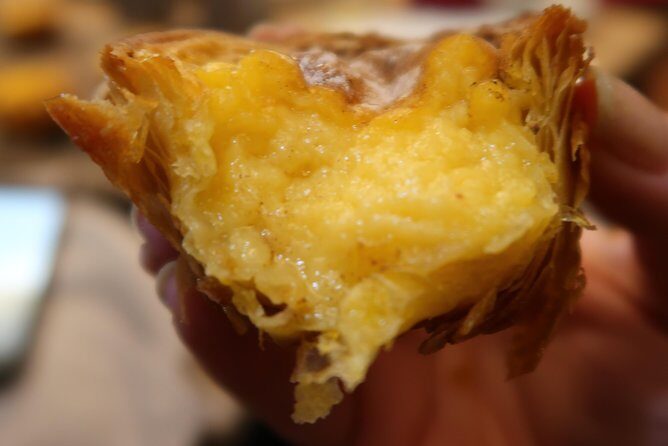
Pastel de Nata has a cult-like reputation for a reason. The texture is specific, the custard needs the right feel, and the pastry should come out delicate and crisp. Even if you’re not aiming for perfection on your first attempt, the value of this class is that you’ll leave with a repeatable method and a realistic sense of what matters most.
One practical drawback to keep in mind: because you’re in an apartment and working hands-on, this class involves some active kitchen time. It’s not listed as suitable for toddlers and small children, which makes sense given the pace and the environment.
The Taste Test Moment: Enjoy Your Pastel de Nata Right Away
The session isn’t just about learning. You get to enjoy what you make—fresh—with a drink included. The beverages listed are coffee, tea, and orange juice, which is a nice mix if your group has different preferences.
This part is more important than it sounds. When you eat the pastries right after baking, you get immediate feedback about your own work. Is the pastry flaky the way you expected? Does the custard set properly? You learn by tasting while the experience is still fresh in your mind.
And the timing is perfect for momentum. You’re not dragged to the end of the day when everything feels rushed. Instead, you get a satisfying payoff in the middle of your Porto morning.
If you’re someone who loves food but gets impatient with overly long classes, the 2-hour duration is a sweet spot. You’ll be busy, and then you’ll be done while you still feel energized.
The Recipe Booklet and Porto Tips You’ll Use After the Class
You don’t leave empty-handed. You take home a booklet with traditional recipes, which is designed to help you reproduce the method later. For me, that’s one of the strongest value points here: you’re not relying on memory after you get home and your kitchen doesn’t smell like custard anymore.
This booklet also ties the experience together. It turns your time in Porto into something you can repeat—so the class keeps paying off after your trip ends.
On top of that, you’ll get insider tips on where to eat and drink in Porto. The key is that these recommendations are coming from your host, Joana, who shares context through stories and practical guidance. That often leads to better meals than sticking only to the most obvious tourist stops.
A smart way to use this during your trip: after the class, pick one or two recommendations that match what you want to eat that night, then plan around them. That way, you don’t try to do everything—and your Porto food day actually feels like a plan, not chaos.






Price, Time, and Why This Feels Like Good Value
The class costs $55.00 per person and runs about 2 hours. On paper, that sounds like “just a cooking class,” but the value comes from three things you’re getting together:
- Instruction from a local host (Joana) in English
- Hands-on baking plus immediate tasting with included drinks
- A take-home recipe booklet and local food advice
Also, the small group size matters for the price. When you pay more for a cooking experience, you’re usually paying for attention, time, and feedback. With up to 4 travelers, you’re more likely to get real help while you’re doing the work, not just hearing tips from across the room.
If you’re comparing options in Porto, think about what you’d spend separately on:
- a decent meal plus drinks
- a dessert you’d want to learn how to make
- and a guide-like local perspective
This class bundles those experiences into a focused morning. You still leave with pastries in hand and knowledge you can use again later.
Who This Pastel de Nata Class Suits Best
This is a great fit if you want a food experience that’s interactive and grounded in local life. It’s especially good for:
- First-timers who want structure and an instructor who guides you through each step
- People who love Portuguese food and want to understand what makes Pastel de Nata so iconic
- Couples or small groups who prefer more personal attention over a big group tour
It’s not a good fit for toddlers or small children, and the experience asks that if you want to book for a kid, you should book for yourself as well. Plan your timing and your party accordingly.
One more practical note: if you have any food restrictions (allergies or special diets), you’ll need to communicate them. The class includes cooking and ingredients, so this isn’t the best idea if your restrictions are complex and unmentioned.
Should You Book This Pastel de Nata Class?
I’d book it if you want a morning in Porto that feels both hands-on and genuinely local. The top reasons are simple: Joana’s teaching style, the small group size, and the fact that you take home both a recipe booklet and a Porto food mindset.
Skip it if you’re traveling with very young kids, because the experience is clearly not suitable for toddlers and small children. And if you’re looking for a purely sightseeing-driven morning with lots of walking, this class is more about staying in one place and focusing on cooking.
If you’re in Porto and want a practical skill you can bring home—plus pastries you can taste while they’re still fresh—this one is an easy yes.
FAQ
What is the price of the Pastel de Nata cooking class in Porto?
The price is $55.00 per person.
How long does the class last?
It runs for about 2 hours.
What time does the class start?
The start time is 10:00 am.
Is the class offered in English?
Yes, it is offered in English.
What’s included with the class besides the cooking?
You’ll get coffee, tea, or orange juice, plus a booklet with traditional recipes and insider tips from your host.
How big is the group?
The experience has a maximum of 4 travelers.
Is the class suitable for toddlers or small children?
No. The venue and experience are not suitable for toddlers and small children. If you want to book for your kid, the instructions say you should book the class for yourself as well.