REVIEW · GUIMARAES
Guimarães: Palace of the Dukes of Bragança Entry Ticket
Book on GetYourGuide →Operated by GetYourGuide Tours & Tickets GmbH · Bookable on GetYourGuide
Guimarães has a way of slowing you down. The Palace of the Dukes of Bragança turns a ticket into a time machine, with 17th-century seigneurial grandeur, permanent exhibitions, and the sense that you’re stepping into a real historic home. I especially love how the palace is arranged like a lived-in house, not just a set of display rooms, and I’m drawn to the standout collections—tapestry, porcelain, and painting—that help you understand the taste and power of the House of Bragança.
One thing to keep in mind: the palace is currently under renovation, and a couple of your rooms may be limited depending on what’s open that day. Still, with a $5 entry ticket and a full 10:00–18:00 window (last admission 17:30), it’s a very practical “drop in and soak it up” stop.
In This Review
- Key highlights at a glance
- A palace museum that feels like walking inside a noble home
- The big historical anchor: Dukes, Bragança origins, and Portuguese power
- What you’ll see inside: rooms, “house” staging, and objects with context
- Tapestry that supports the room’s story
- Porcelain that signals wealth and taste
- Painting and more decorative arts
- The collections that usually win people over (and why)
- Gardens in a palace visit: where your eyes can rest
- Tickets, timing, and the “under renovation” reality
- Palace photography rules that actually matter
- Best way to plan this in Guimarães (so it doesn’t feel rushed)
- Who should book this palace entry ticket
- Should you book this entry ticket for the Palace of the Dukes of Bragança?
- FAQ
- What is included with the Palace of the Dukes of Bragança entry ticket?
- How long is the ticket valid?
- What are the opening hours?
- Is a guided tour included?
- Can I take photos inside?
- Is the palace wheelchair accessible?
- Which days is the palace closed?
Key highlights at a glance
- Seigneurial architecture from the 1600s in the heart of Guimarães
- House-style permanent exhibition that makes the palace feel inhabited
- Bragança dynasty birthplace connections tied to Portuguese history
- Collections you can actually focus on: tapestry, porcelain, painting, plus more
- Historic calm in the palace gardens after the rooms
A palace museum that feels like walking inside a noble home
This is one of those places where the building does most of the talking. The Palace of the Dukes of Bragança is tied to the House of Bragança story, and you can feel the palace’s purpose from the moment you enter. It’s not just about big walls and fancy ceilings. It’s about setting: the palace was built as a seat of power and status, then reshaped into a museum that keeps that sense of everyday life for the elite.
What makes it especially rewarding is the way the permanent exhibition is staged. You move from room to room as if you’re visiting a great house—furnished spaces, objects with “place,” and a layout that helps you imagine how nobility lived rather than only what they owned. That shift matters. A normal museum display can feel like studying behind glass. Here, the design is closer to “you’re inside the home,” even though you’re touring as a guest.
You can also read our reviews of more tours and experiences in Guimaraes.


The big historical anchor: Dukes, Bragança origins, and Portuguese power
The palace is described as a 17th-century example of seigneurial architecture, but it’s also rooted in an earlier foundation connected to the Duke’s family line. It was built in the 15th century by D. Afonso, the 1st Duke of the House of Bragança. That blend of eras is part of the charm: you’re looking at a building that carries layers of Portuguese history, not a single snapshot.
The palace is also connected to the House of Bragança’s birthplace and history. If you’ve come to northern Portugal and want one cultural stop that connects architecture, politics, and identity, this is a strong choice. You’re not only seeing art and objects—you’re seeing how power expressed itself in space.
And there’s a modern twist, too. One wing is used as the official residence of the Presidency of the Republic. That adds a contemporary link without breaking the mood. Even if you can’t treat this like a political attraction, knowing that part of the palace still has an official role helps the building feel more than ornamental.
What you’ll see inside: rooms, “house” staging, and objects with context
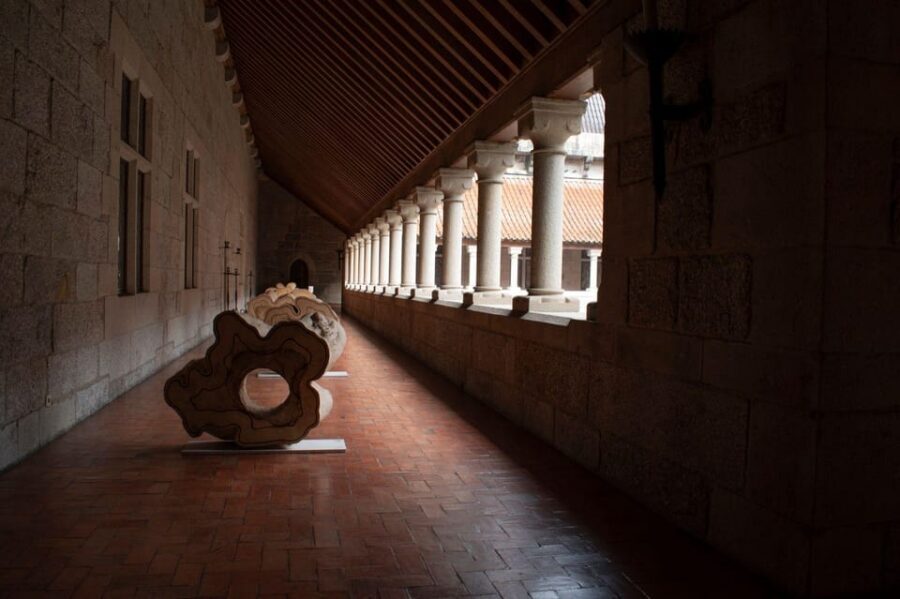
Think of your visit as moving through a sequence of living spaces. The exhibition is set up across various rooms that reflect how the palace’s spaces were used. That matters because it changes how you look at the collections. Instead of seeing objects as random masterpieces, you’re encouraged to connect them to domestic life, status, and display.
Here are the main categories you should expect to spend time with:
Tapestry that supports the room’s story
Tapestries can feel intimidating in a museum setting, because you’re just looking at decoration. In a palace setting, they read differently. They’re part of warmth, formality, and prestige. If you pause for a moment, you can start to see how textiles would help define the atmosphere of a noble residence.
Porcelain that signals wealth and taste
Porcelain is the kind of object that instantly communicates “someone cared” about refinement and collection. In a palace display, porcelain also becomes a clue: it points to trade networks, craftsmanship, and the kind of objects a household showcased.




Painting and more decorative arts
The palace’s permanent exhibition includes painting and additional displayed pieces beyond just the headline items. There’s a general emphasis on the world of the nobility: furniture, sculptures, and weaponry are also mentioned as part of the museum displays. That variety is useful for two reasons:
- If you’re an art-and-objects person, you get multiple disciplines.
- If you’re more history-focused, the weaponry and furnishings help you visualize daily life and priorities.
In short, you’re not stuck in one lane. The collections feel designed to work together, like a home inventory for a major household.
The collections that usually win people over (and why)
With an average rating of 4.3 from 44 reviews, it’s clear this place lands with many visitors. The consistently praised theme is the experience of getting to know the culture of a past era through the palace setting and collections.
Here’s what I’d call the winning formula, based on what the exhibition is meant to do:
- You get context, not just objects. The palace rooms make the collections easier to understand.
- You can build your own focus. You can skim quickly or slow down depending on whether you want architecture, artwork, or historical atmosphere.
- The variety keeps it interesting. Tapestry, porcelain, painting, plus furniture and weaponry gives you more than one way to engage.
A practical tip: don’t try to sprint through every room. Pick one or two categories (for example, textiles plus porcelain) and then “cross-check” them by noticing what kind of room they’re displayed in. That’s when the palace setting starts to make sense.
Gardens in a palace visit: where your eyes can rest
After you’ve walked the interior spaces, don’t rush past the outdoors. The palace gardens are part of the experience, and they’re the natural counterbalance to museum time. Even if you’re not a “garden person,” you’ll likely appreciate the reset: lighter air, open space, and fewer things competing for your attention.
The gardens also help you pace your visit. If you’re tempted to make this a straight line—inside, inside, inside—adding even a short garden loop makes the palace feel like a complete property rather than only an indoor exhibit.
Tickets, timing, and the “under renovation” reality
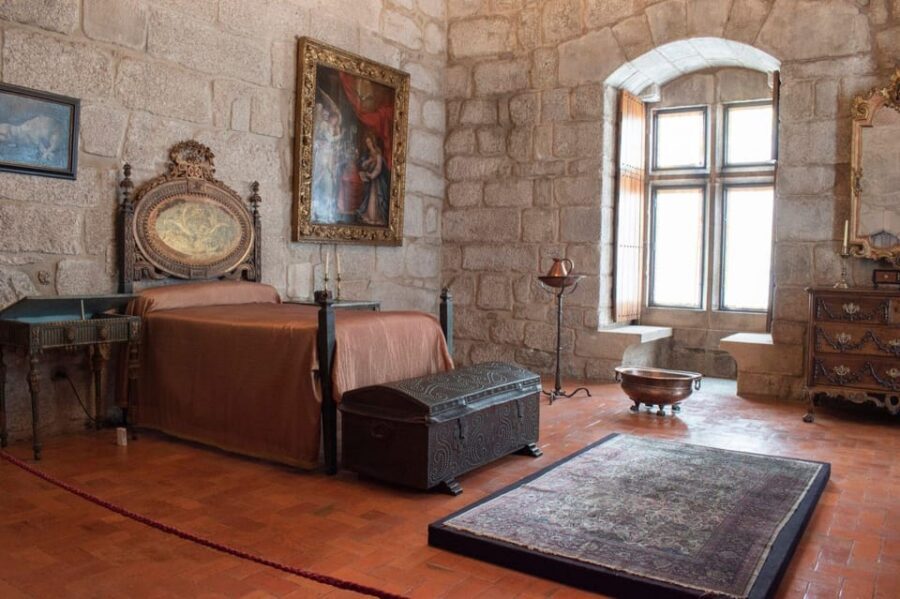
This is a ticketed entry to the Palace of the Dukes of Bragança with access to museum collections. At $5 per person, it’s priced in a way that feels fair for what you’re getting: access to the permanent exhibition across multiple spaces, plus the booking fee included in the total you pay.
One important detail: the site is under renovation and currently offered at a discounted price. That doesn’t automatically mean a bad visit. It does mean you should plan with flexibility. On some days, your experience may feel like a “curated subset” rather than a fully open palace.
Practical timing:
- Open 10:00 to 18:00
- Last admission 17:30
- Closed on January 1, Easter Sunday, May 1, June 24, and December 25
- Flash photography is not allowed, but normal photography is allowed without flash
If you want the best odds of seeing everything, aim for earlier in the day so you have more time to absorb what’s open and less time pressure if part of the palace is restricted.
Palace photography rules that actually matter
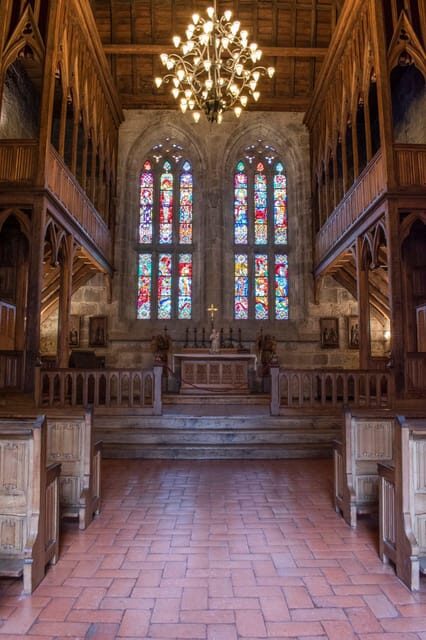
This is a small rule with big impact on your planning. Flash photography is not allowed, but you can take photos without flash. So if you’re using a phone camera, turn off any automatic flash settings.
Also, treat your camera like a tool, not a mission. The palace experience works best when you spend a bit of time looking without a screen between you and the room. If you do want photos, capture wide views first, then slow down for a few close details in tapestry or porcelain areas.
Best way to plan this in Guimarães (so it doesn’t feel rushed)
The palace sits in central Guimarães, which is great news if you’re also planning to explore on foot. A $5 ticket for a full museum-style visit makes it easy to pair with other nearby sights. Because the palace is set up with a permanent exhibition in house-like rooms, it benefits from “time you can control.”
Here’s how I’d time it:
- Arrive with enough buffer to settle in before last admission.
- Do the interior rooms as your main focus.
- Finish with the gardens if they’re open.
You don’t need to build a complex itinerary around this. It works as a centerpiece stop or as an anchor point in a half-day plan, depending on your pace.
Who should book this palace entry ticket
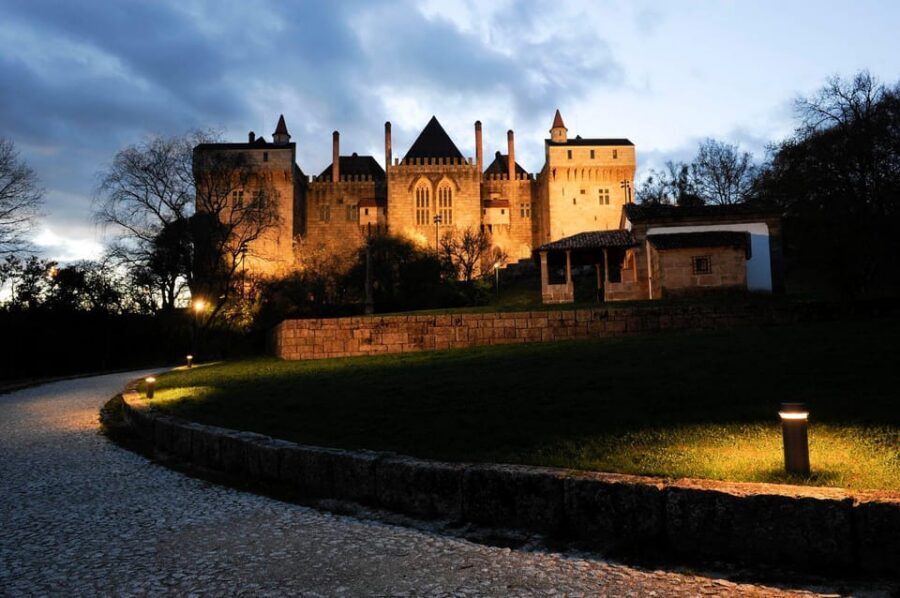
This is a good fit if you:
- Love architecture that carries history in its shape and placement
- Enjoy decorative arts like tapestry and porcelain
- Want a museum visit that feels like walking through a real residence
- Prefer self-directed exploration rather than a guided tour
It may be less ideal if you:
- Use a wheelchair, since it’s listed as not suitable for wheelchair users
- Need fully accessible, step-free movement throughout all areas (the listing doesn’t promise that kind of access)
If you’re in Guimarães and you want one ticketed stop that gives you both historic atmosphere and focused collections, this is an easy choice.
Should you book this entry ticket for the Palace of the Dukes of Bragança?
Book it if you want strong value, a museum experience set in a real palace space, and collections that aren’t random—they’re staged to make you feel like you’re visiting a noble home. The $5 price point (with booking fee included) makes it a low-risk cultural stop, especially with the long opening window.
Skip or at least adjust expectations if you’re visiting during the renovation period and you’re the type who needs every room to be open. Since the palace is currently under renovation and offered at a discounted price, your “best day” is one where more of the interior exhibition spaces are accessible.
FAQ
What is included with the Palace of the Dukes of Bragança entry ticket?
Your ticket includes entrance to the palace, access to the museum collections, and the booking fee.
How long is the ticket valid?
The ticket is valid for 1 day.
What are the opening hours?
The palace is open from 10:00 to 18:00, with last admission at 17:30.
Is a guided tour included?
No. A guided tour is not included.
Can I take photos inside?
Yes, photography is allowed as long as you do not use flash.
Is the palace wheelchair accessible?
No, it is not suitable for wheelchair users.
Which days is the palace closed?
It is closed on January 1, Easter Sunday, May 1, June 24 (city holiday), and December 25.