REVIEW · GUIMARAES
Guimarães Experience
Book on GetYourGuide →Operated by InsighTours · Bookable on GetYourGuide
Guimarães feels like Portugal’s origin story on a walking route. I like how this tour strings together the big, dramatic sights (like Guimarães Castle and the Ducal Palace) with the smaller street-level moments that make the medieval center feel real. You also get a food-and-drink stop at the end, so the history lands in your stomach, not just your brain.
My favorite part is the pace and focus: guided visits are timed, but you still get enough walking to understand how the city connects. The only catch is the tour runs about 3.5 to 4 hours, so comfortable shoes and a bit of stamina matter, especially around the older stone streets and sites.
In This Review
- Key things I’d watch for
- Guimarães in one focused walk: castle, palace, walls, and meaning
- Getting started at Campo de São Mamede and moving without wasting time
- Guimarães Castle: where the views and the story start
- Church of São Miguel do Castelo: small stop, clear purpose
- Ducal Palace visit: the longest guided block for a reason
- Igreja e Oratórios de Nossa Senhora da Consolação e Santos Passos and the long middle walk
- Historical city center and Largo da Oliveira: learning by looking around
- Aqui Nasceu Portugal: the moment the city claims its identity
- The café finale: wine tasting, local treats, and that last good lesson
- The guide makes it: the Rui factor and why passion matters on foot
- Value check: why a $69 price can make sense here
- Who this tour fits best (and who might want another plan)
- Before you go: make the 3.5 hours work for you
- Should you book the Guimarães Experience tour?
- FAQ
- How long is the Guimarães Experience tour?
- Where do I meet the guide?
- What are the main stops on the route?
- Is there a skip-the-line benefit?
- What’s included besides the sightseeing?
- Do you get wine and food tasting?
- What languages are available for the live guide?
- Is the tour wheelchair accessible?
- What isn’t included in the price?
- Where does the tour end?
Key things I’d watch for
- Skip-the-line entry at main attractions via a separate entrance
- Ducal Palace guided visit (about 50 minutes) for real context, not just photos
- City walls time to understand Guimarães’ defensive layout
- Church stops with interior access, including Nossa Senhora da Oliveira inside
- Wine and local tastings at a café, plus typical pastries and drinks
- Rui-style guiding with lots of detail and a clear, story-driven flow
Guimarães in one focused walk: castle, palace, walls, and meaning
This is a guided walking tour designed to make you see why Guimarães matters. The route centers on the places that shaped the city’s power and identity, then connects them through the historic lanes so you’re not just hopping between landmarks.
The tour is built around two anchors: Guimarães Castle and the Palace of the Dukes of Braganza. Those stops aren’t random “pretty buildings.” They’re the places you use to decode the rest of the medieval layout, from churches to civic squares.
Getting started at Campo de São Mamede and moving without wasting time
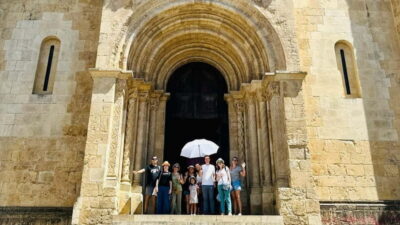
You meet at Campo de São Mamede (with two starting location options listed), and your guide waits holding a white umbrella and wearing the company tag. The tour returns you to that same meeting area, which is handy when you’re trying to build the rest of your day without a transit headache.
One practical win here: the tour includes tickets/entries to the main sights and uses a separate entrance to skip the line at key locations. In a place where popular stops can get slow, that time saving helps the rest of the route feel less rushed.
Guimarães Castle: where the views and the story start
The tour begins its guided sightseeing at Guimarães Castle, with a visit of about 20 minutes. You’re not meant to treat this like a self-guided checklist. Instead, you’re there to understand how the castle functions as the city’s dramatic “top layer,” both visually and historically.
In one of the standout review notes, the castle stop included a virtual reality experience, which is exactly the kind of modern tool that can help you picture what you’re looking at. If you want your photos, you’ll get them—but the goal is comprehension, too.
Church of São Miguel do Castelo: small stop, clear purpose
Next comes the Church of São Miguel do Castelo, visited for about 10 minutes. This is the kind of stop that often gets skimmed on casual walks, but here it works as a bridge between the castle area and the grander political spaces that follow.
It’s also a good spot to slow down and pay attention to details. Even a short guided stop can change how you look at a façade or interior space, because the guide can connect what you see to the broader story you’ve been building since the first minutes.
Ducal Palace visit: the longest guided block for a reason
The biggest guided segment is the Palace of the Dukes of Braganza, with about 50 minutes of guided time. This matters because palace architecture can feel like “just another big building” if you’re there only for a quick glance. With more guided time, you can absorb how power showed up in rooms, layouts, and decorative choices.
In particular, I like that the tour doesn’t treat this as an end point. It’s framed as a living explanation for what came before and what shaped the rest of Guimarães’ medieval center.
Igreja e Oratórios de Nossa Senhora da Consolação e Santos Passos and the long middle walk
After the palace, the route spends about 1 hour at Igreja e Oratórios de Nossa Senhora da Consolação e Santos Passos, with sightseeing and walking. This is where the tour shifts from “major indoor rooms” to “how the city feels as you move through it.”
This middle stretch is also where you’ll likely connect the dots for Guimarães city walls exploration, one of the tour highlights. The idea isn’t to memorize fortifications. It’s to recognize how the walls shaped movement, safety, and the placement of important spots you pass later.
Historical city center and Largo da Oliveira: learning by looking around
You’ll then spend time in Guimarães historical city center (about 20 minutes) and at Largo da Oliveira (about 20 minutes with guided visit). Largo da Oliveira is a key square-type stop because it’s where street life, landmark buildings, and civic identity start to make sense together.
The tour also includes Igreja de Nossa Senhora da Oliveira (inside visit). That interior access is valuable because churches can be more than exteriors in Guimarães. When you’re given context for what to look for inside, the visit becomes far more than a quick stop for a “cool photo angle.”
Aqui Nasceu Portugal: the moment the city claims its identity
One of the route stops is Aqui Nasceu Portugal, with about 20 minutes of sightseeing and walking. The name alone tells you this isn’t an ordinary viewpoint. It’s tied directly to how Guimarães is remembered as the birthplace of Portugal in local and national storytelling.
For me, this stop is about emotional geography. You’re not only seeing old stone. You’re stepping into the idea that Guimarães helped define Portugal’s identity, and you feel that through the way the city presents itself in squares, churches, and historic streets.
The café finale: wine tasting, local treats, and that last good lesson
The tour ends with a local café tasting segment lasting about 30 minutes, including wine tasting and food tasting. You also get local delicacies and drinks, and the style of this stop is very “local day out” rather than a staged sampling room.
Two tasting details stood out in the reviews: one was the pairing of wine with sweets from the area, and another was a pastry described as made from a pumpkin-like vegetable, which sounded unusual in the best way. This is where you get a final takeaway: Guimarães history doesn’t only live in buildings. It’s also in what people eat and drink here.
The guide makes it: the Rui factor and why passion matters on foot
A walking tour lives or dies by the guide’s ability to turn places into meaning. The standout theme across the highest-rated feedback is the guide’s energy and storytelling style—especially with Rui, who is praised for passion for history and an ability to explain how the city came to be, how people lived, and how the past connects to what you see today.
You’ll also appreciate that this tour is offered in multiple languages: Portuguese, English, Spanish, Russian, and Ukrainian. That matters because a strong tour guide doesn’t just translate words. They shape the same story so you can follow it even if your language is your second or third.
Value check: why a $69 price can make sense here
At $69 per person, this isn’t the cheapest way to “see Guimarães,” but it can be very good value if you want guided access plus more than sightseeing.
Here’s what’s included:
- Tickets and entrances to city main attractions
- Local delicacies and drinks
- Professional guides
- Insurance and certifications (RNAAT 491/2024)
And the tour also includes guided visits for several major stops rather than leaving you to wander. When you add up entrance costs plus time with a guide plus the tasting segment, the price starts to look fair, especially if you’re visiting for only a day or two.
Who this tour fits best (and who might want another plan)
This is a great pick if you want a guided route that helps you understand why Guimarães is considered Portugal’s origin story. It’s also ideal if you prefer your history with a walking rhythm—castle first, then palace, then churches and squares, then a food-and-drink finish.
If you’re the type who likes total freedom, you might feel the schedule and set guided blocks. In that case, you could still enjoy Guimarães on your own—but you’d miss the skip-the-line benefit and the guided context that keeps the city from becoming a blur of stone.
Before you go: make the 3.5 hours work for you
A few practical ideas to get the most out of the time:
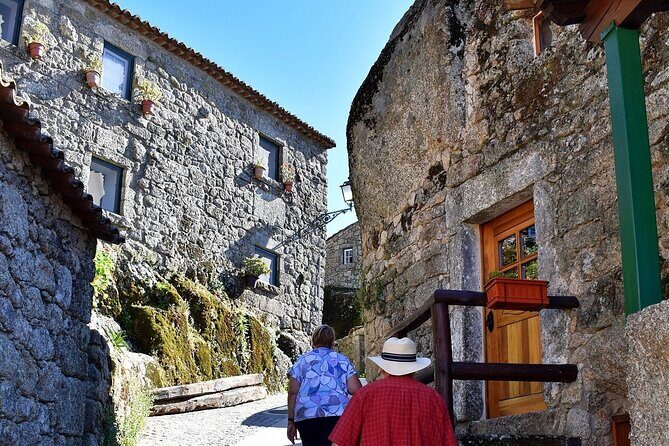
- Wear comfortable walking shoes; this is a walking route through older streets.
- Have a plan for the rest of the day because the tour runs about 3.5 to 4 hours and finishes where you started.
- If you care about interiors, focus attention during the guided church and palace visits. Those are where the guide’s explanations usually pay off most.
Also, since the tour is offered in several languages, check that you’ll be in your preferred language when you book—your enjoyment will jump if you can follow every detail comfortably.
Should you book the Guimarães Experience tour?
Book it if you want one well-structured route that covers the big sights—castle, Ducal Palace, churches, city walls, and the Portugal birthplace spot—and ends with a tasting that tastes like Guimarães, not like a tourist trap.
Skip it only if you strongly dislike guided walking schedules or you’re traveling with people who can’t handle about half a day on foot. Otherwise, this is the kind of tour that turns a historic city into something you can actually explain back later.
FAQ
How long is the Guimarães Experience tour?
It lasts about 3.5 to 4 hours.
Where do I meet the guide?
You meet at Campo de São Mamede, with two starting location options listed. The guide is identifiable by the company tag and holding a white umbrella.
What are the main stops on the route?
Key stops include Guimarães Castle, Church of São Miguel do Castelo, the Palace of the Dukes of Braganza, Igreja e Oratórios de Nossa Senhora da Consolação e Santos Passos, Guimarães historical city center, Largo da Oliveira, and Aqui Nasceu Portugal, plus a local café tasting.
Is there a skip-the-line benefit?
Yes. The tour includes skip the line through a separate entrance at main attractions.
What’s included besides the sightseeing?
Tickets and entrances to the main attractions, local delicacies and drinks, and a guided visit led by professional guides.
Do you get wine and food tasting?
Yes. The tour includes wine tasting and food tasting at a local café for about 30 minutes.
What languages are available for the live guide?
The live guide is available in Portuguese, English, Spanish, Russian, and Ukrainian.
Is the tour wheelchair accessible?
Yes, the activity is listed as wheelchair accessible.
What isn’t included in the price?
Personal expenses, souvenirs, and gratitude are not included.
Where does the tour end?
It ends back at the meeting point in Campo de São Mamede.