REVIEW · PORTO
Douro Valley Tour with Train and Vinho Verde
Book on Viator →Operated by Go Travel Everywhere · Bookable on Viator
That rattle-and-sail route is the hook. This Douro Valley tour strings together train rides, a 1-hour cruise, and multiple wine moments so you get more than postcard views. I like how the day is structured around real wine places, not just quick look-aways, and how your guide keeps the flow moving with practical explanations, including stories from Paulo.
Two things I’d call out right away: you get a Port wine logistics lesson in Peso da Régua (the rabelo boat connection), and you get real tasting time with a mix of wine, olive oil, and Vinho Verde plus lunch. One possible drawback: the schedule is tight at times and the day runs about 8–10 hours, so traffic can stretch it and some village stops are brief.
In This Review
- Key Things to Know Before You Go
- A Douro Day That Uses Train + Boat Instead of Just Roads
- The Morning in Porto: Where the Tour Begins
- Peso da Régua: The Port Wine Shipping Story Comes Alive
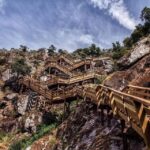
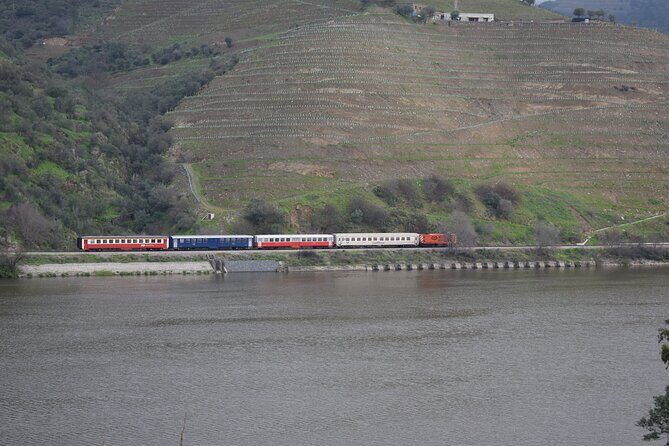
- The Train to Pinhão and the Rabelo Boat Cruise (Why It’s Worth It)
- Pinhão: Douro Demarcated Region Center and Port Farms Nearby
- Sabrosa Lunch Stop: Portugal’s Navigator Tie-In
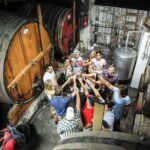
- Vilarinho de São Romão: Cellar Visit and Wine Tasting Time
- Amarante: Amarante Sweets and Vinho Verde
- Back to Porto: Ending Where You Started
- Price and Value: What $158.46 Buys You in the Douro
- Who Should Book This Tour (And Who Might Want Something Else)
- The Paulo Factor: What a Strong Guide Adds
- Should You Book This Douro Valley Tour with Train and Vinho Verde?
- FAQ
- What time does the tour start?
- How long is the Douro Valley tour?
- Does the tour include pickup from my hotel?
- Where is the meeting point?
- What’s included for food and drink?
- Are vegetarian or gluten-free meals available?
- What languages is the tour available in?
Key Things to Know Before You Go
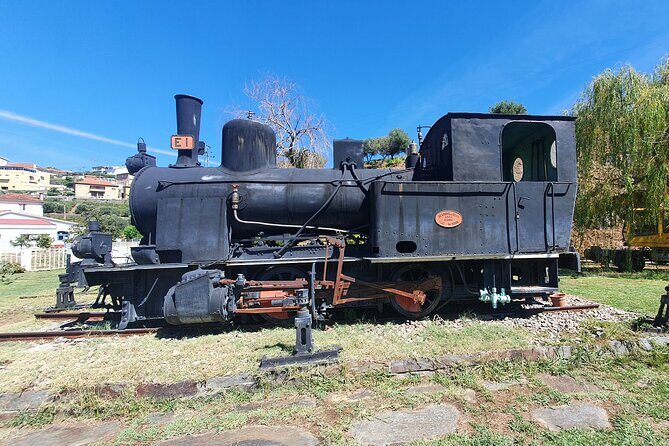
- Train + Douro River cruise gives you a change of pace and better movement through the valley.
- Peso da Régua history connects the region’s wine trade to the rabelo boats that shipped barrels toward Gaia.
- Pinhão is treated as the center of the Douro Demarcated Region, with port-producing farms nearby.
- Multiple tasting stops include a cellar visit plus Vinho Verde and regional flavors (not just one quick pour).
- Maximum group size of 50 keeps the experience from feeling like a total crowd stampede.
- A guide who keeps you on track matters here; the tour says the guide waits up to 5 minutes after the scheduled time.
A Douro Day That Uses Train + Boat Instead of Just Roads
This is the kind of day trip that feels planned for movement. You start in Porto, then spend the day working your way through the Douro using a blend of transfer driving, a train segment (~40 minutes), and a 1-hour cruise on the Douro River.
That mix matters because the Douro region is long and can be slow to cross by road alone. Instead of spending all your time staring out a bus window, you get built-in “change points” where you can reset your eyes and your camera battery.
You’ll also notice the focus is practical: where wine was produced, how it moved, and what people drink today. And yes, you’ll get tastings, but they’re tied to places, not just a stop-by-stop checklist.
You can also read our reviews of more tours and experiences in Porto.

The Morning in Porto: Where the Tour Begins
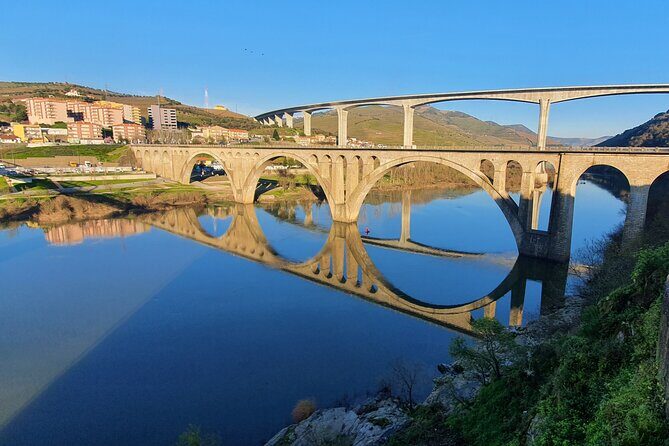
The meeting point is Largo Actor Dias, next to the historic Fernandina Wall, starting at 8:00 am. If you’re doing pickup, it’s on request and can cost extra, and the notes say it’s for hotels/accommodations in central Porto or a point to match.
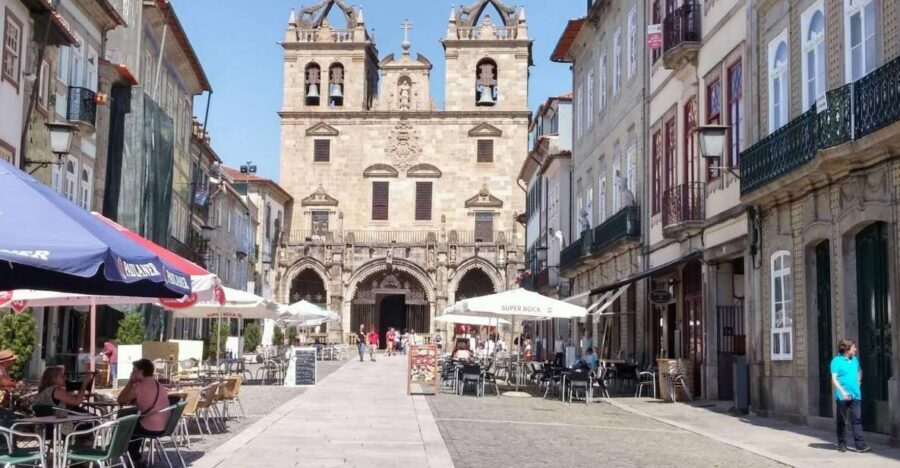
If you aren’t using pickup, the meeting point shifts to be next to the statue of Vimara Peres, close to Porto Cathedral. Either way, plan to arrive a bit early. The tour states the guide waits up to 5 minutes, which is fair—after that, you’ll be the one out of luck, not the schedule.
One more small but useful detail: the tour offers a mobile ticket, so you’re not scrambling for paper in the morning rush.
Peso da Régua: The Port Wine Shipping Story Comes Alive
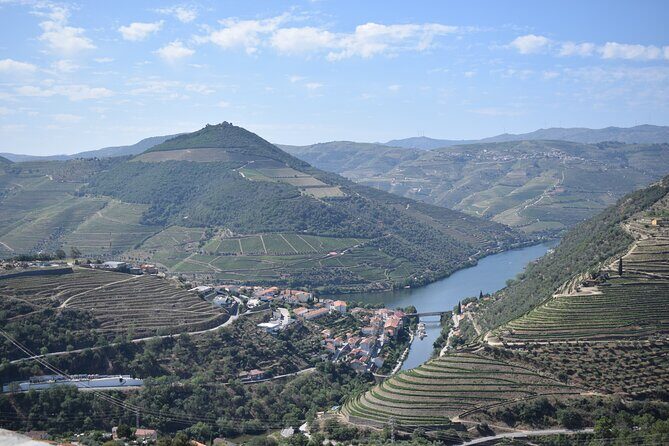
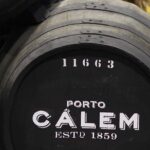
Peso da Régua is your first true “wine context” stop, and it’s not random. It’s described as a key player in Port wine production and marketing, specifically because wine barrels were transported by rabelo boats down to Vila Nova de Gaia, where the wine aged in cellars.
What I like about this stop is that it explains more than the final product. If you’ve ever wondered why the Douro is tightly connected to places like Gaia, this is the kind of “now I get it” moment you can carry home.
You’ll also have a short practical window just in the area—about 10 minutes—so don’t expect a long wandering session here. Treat it as a setup: learn the story, then move on while the idea is still fresh.
The Train to Pinhão and the Rabelo Boat Cruise (Why It’s Worth It)
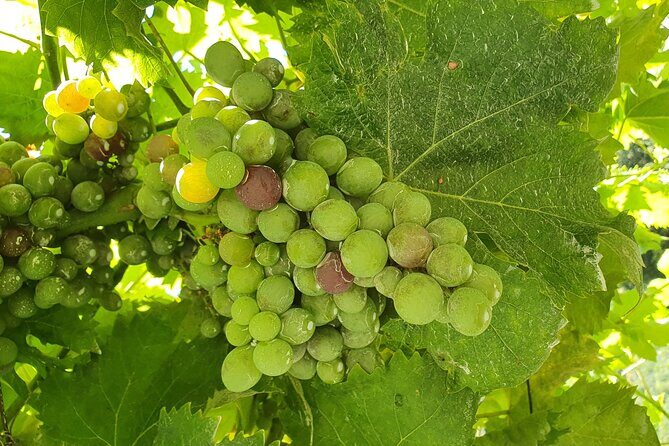
After your Peso da Régua time, the schedule adds two big movement pieces: a Rebelo boat tour and then a train ride to Vila do Pinhão (about 1 hour 30 minutes for the boat segment plus time on the train noted around 40 minutes).
Here’s the value of doing it this way: the Douro isn’t just “views.” It’s a working river system that shaped how wine moved. Being on the water and then switching to rail helps you understand the geography without turning the whole day into one long traffic jam.
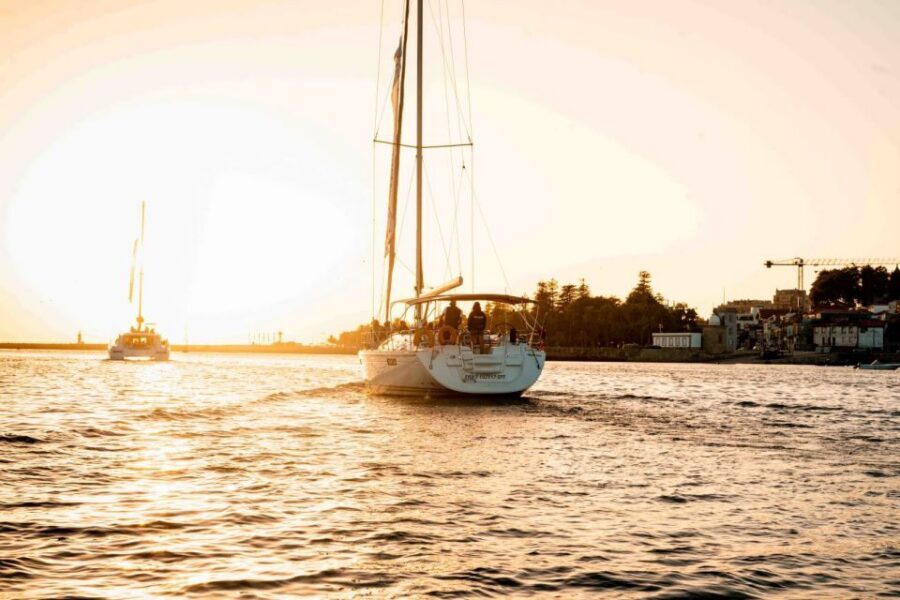
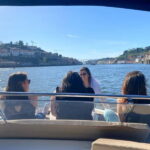
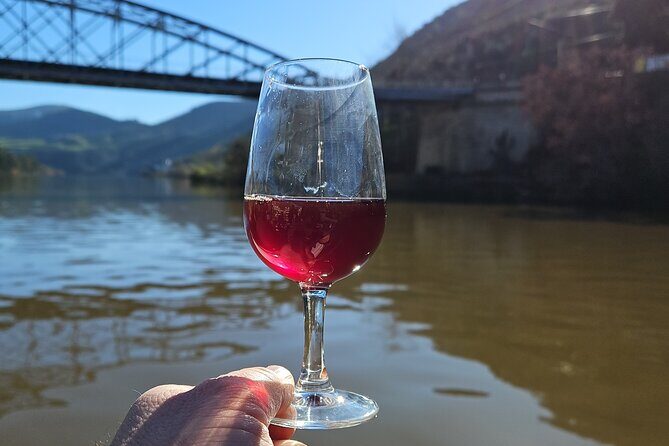
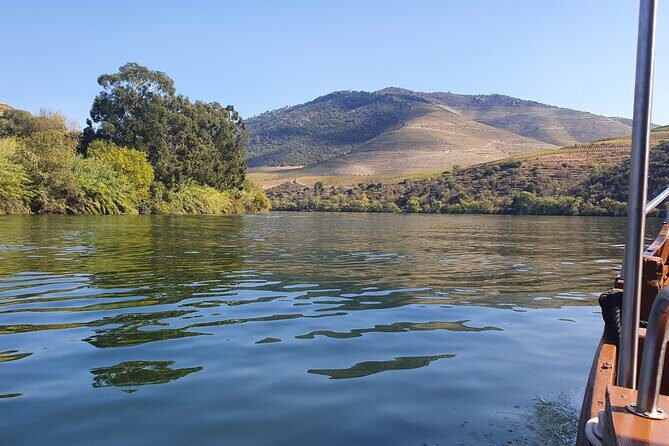
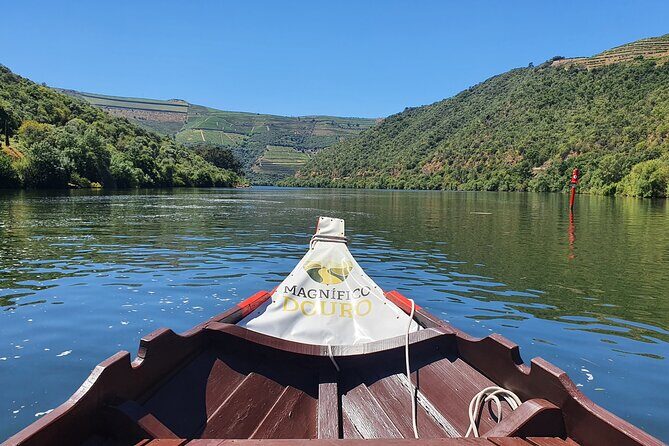
The cruise is listed as 1 hour. That’s enough time to look around, get a feel for the river stretch, and not so long that it kills the day. If you’re the type who gets bored in silence, this format will keep you busy—there’s scenery, there’s motion, and there’s usually ongoing guide talk during parts of these segments.
Pinhão: Douro Demarcated Region Center and Port Farms Nearby
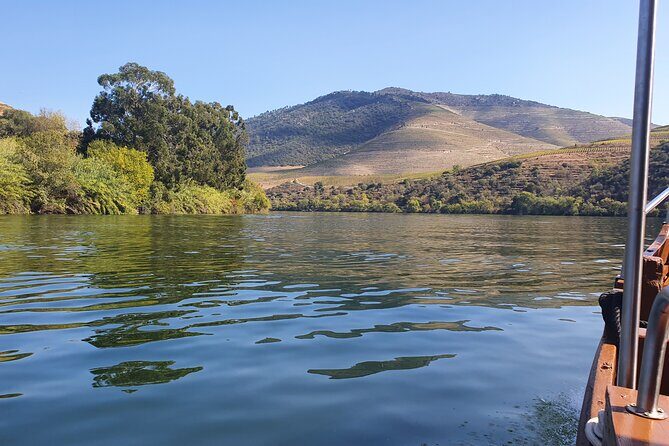
When you reach Pinhão, you get a quick orientation moment (listed around 10 minutes). The tour frames Pinhão as the geographic center of the Douro Demarcated Region, and notes that many port-producing farms are located around here.
That framing is helpful. In other parts of Portugal, “wine country” can feel vague. Here, you’re explicitly told you’re in the heart zone of the official Douro region—so your later tastings don’t feel disconnected.
Don’t expect a long tasting stop at Pinhão itself. The time is short, so your best move is to use it for quick questions and photo stops, then save your full “enjoy the moment” energy for the cellar and lunch segments later.



Sabrosa Lunch Stop: Portugal’s Navigator Tie-In
Next up is Sabrosa, reached via transfer from Pinhão (about 30 minutes). This is another “context” stop: the tour notes that Fernão de Magalhães (Magellan), the Portuguese navigator tied to the first circumnavigation, was born here.
Then you’ll have lunch (about 1 hour). The listing says vegetarian and gluten-free options are available if requested before the day of booking, so if you need a specific diet, plan ahead and ask early rather than guessing on the day.
Lunch is one of the best value parts of tours like this. Even when food isn’t the headline, getting a planned meal saves you the stressful scramble of finding something nearby while your group is moving. And because the rest of the day includes tastings, having lunch at a scheduled time also helps you stay comfortable.
Vilarinho de São Romão: Cellar Visit and Wine Tasting Time
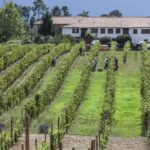
After lunch, you head to Vilarinho de São Romão for a cellar visit with wine tasting (about 1 hour 30 minutes). This is where the tour turns from “places and stories” into “hands-on production taste.”
The listing mentions tasting at a farm with wine and olive oil tasting as well, so it’s worth paying attention to what’s offered at each stop. Either way, the overall pattern is good for you as a visitor: you don’t just sample wine; you also get a sense of regional food production, which pairs naturally with wine culture.
This is also a good moment to slow down a bit. If you’ve spent the morning bouncing between transport modes, this cellar time is your chance to ask how locals think about the wines—not just what you’re drinking.
Amarante: Amarante Sweets and Vinho Verde
Then it’s on to Amarante (about 45 minutes transfer). Amarante gets a dedicated tasting segment: you’ll try famous Amarante sweets and taste Vinho Verde and other flavors of the region (listed 1 hour).
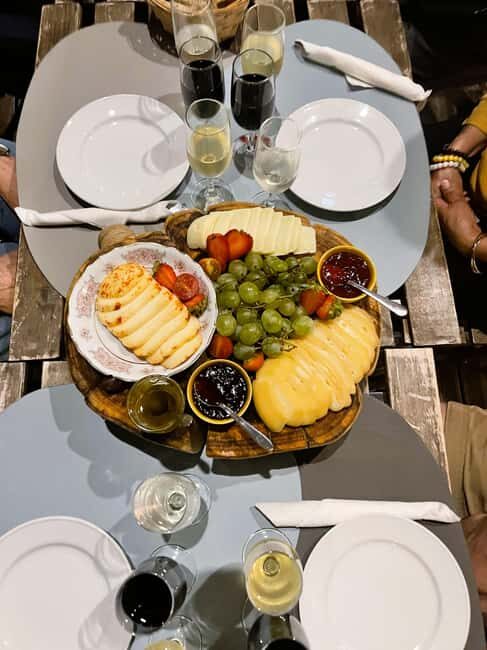
I like this stop because it adds variety. Douro Port culture can dominate the conversation in this area, but Vinho Verde is a different lane—lighter and different in feel. The sweets also give you a proper local pairing, which helps the tasting make sense beyond the glass.
Since this is a focused taste-and-snack hour, go in hungry (at least moderately). Also, keep an eye on your timing if you plan to buy anything—this is your best chance for small edible souvenirs, not the 10-minute photo stops.
Back to Porto: Ending Where You Started
You return to Porto in about 1 hour 20 minutes. The tour notes the total duration can change with local traffic and visiting times. It also strongly suggests you don’t schedule anything right after the tour ends.
That advice is practical. Even if you feel energized, you don’t want to be late to a dinner reservation or stuck in transit with no buffer. Plan a relaxed evening back in Porto.
Price and Value: What $158.46 Buys You in the Douro
At $158.46 per person, you’re paying for a full-day structure with transport and multiple included activities. That includes air-conditioned vehicle, lunch, a 1-hour cruise, train time (~40 minutes), and tastings that go beyond one basic pour.
Here’s how I’d judge value: you’re getting both the “how it works” story and the “taste it” payoff. Tours that only do tastings can feel repetitive. Tours that only show views can feel hollow. This one tries to connect the two by starting with Port shipping history, then using the river and rail to match the story physically.
You also get pick-up and drop-off at accommodation on request (with additional cost), which can reduce stress if you’re staying in central Porto. If you’re not in the pickup zone, you still have a clear meeting point and an easy end back at the same location.
The only cost that usually surprises people is extra spending at stops, but the tour clearly says those are not included.
Who Should Book This Tour (And Who Might Want Something Else)
This tour is a great fit if you:
- want a one-day overview of the Douro that includes both movement and tastings
- like learning the “why,” not only taking photos
- enjoy structured days where the guide handles timing and transitions
- want a mix of Port context + Vinho Verde and regional flavors
It may be less ideal if you:
- hate a schedule that’s mostly transfer-plus-stop rather than long independent exploring
- need lots of free time in each town, because some segments are brief (like the short time in Peso da Régua and Pinhão)
Group size is capped at 50, which helps. You’ll still want to follow the guide’s rhythm so you don’t fall behind when the group moves.
The Paulo Factor: What a Strong Guide Adds
The reviews highlight something that matters more than people expect: the guide. Paulo is mentioned as attentive and helpful, making sure the group had every experience and bringing people to local-feeling details.
In a day like this, where tastings and transport are time-based, a good guide makes the difference between feeling rushed and feeling like you actually got your money’s worth. The tour also says the guide waits up to 5 minutes after the scheduled time—another reason to stay tuned and keep the group together.
Should You Book This Douro Valley Tour with Train and Vinho Verde?
If you want a Douro day that connects history to movement—river cruise, rail ride, tastings, and lunch—then this is an easy “yes” from me. The pricing feels fair because the day includes enough built-in activities that you’re not constantly paying extra for transportation or adding your own tastings.
Book it especially if you’re curious about Port wine logistics and you don’t want to spend the whole day stuck on roads. The combination of Peso da Régua’s rabelo story, time in Pinhão, a cellar tasting, and the Amarante sweets + Vinho Verde hour is a well-balanced spread.
Only skip if you want slow, independent wandering or you hate tight timing. Otherwise, it’s a strong way to see the Douro in one go—without turning it into a “bus tour with occasional photos.”
FAQ
What time does the tour start?
The tour starts at 8:00 am.
How long is the Douro Valley tour?
It runs about 8 to 10 hours, depending on traffic and visiting times.
Does the tour include pickup from my hotel?
Pickup is offered on request with additional cost. For pickups, it’s meant for accommodations located in central Porto or a matching point.
Where is the meeting point?
Meet at Largo Actor Dias, next to the historic Fernandina Wall. If you don’t choose pickup, the meeting point is near the statue of Vimara Peres close to Porto Cathedral.
What’s included for food and drink?
Lunch is included. You also get tastings, including a cellar wine tasting and a Vinho Verde tasting, plus wine and olive oil tasting at a farm visit.
Are vegetarian or gluten-free meals available?
Yes, vegetarian and gluten-free options are available if requested prior to booking, before the tour starts.
What languages is the tour available in?
The tour is offered in English, and generally in Portuguese as well.