REVIEW · PORTO
Discover Porto’s Historical Roots Walking Tour
Book on GetYourGuide →Operated by AtWill · Bookable on GetYourGuide
Porto has layers you can actually walk through. This 3-hour historical walking tour strings together what’s still visible today with the stories of the Jewish community, the Inquisition-era pressure on “new Christians,” and the long effort to keep Jewish traditions alive. I especially like how the guide points out clues along the route, and I also like the stop at Clérigos Church and the big-name sights mixed with quieter street-level context. One drawback: it’s a real walk rain or shine and it isn’t suitable for mobility impairments or wheelchair users.
I’m also a fan of the small-group format. With a cap of 10 participants, you’re not stuck listening from the back of a crowd, and questions can actually get answered. The tour runs in English with a live guide (often Carlotta is mentioned as a standout), and it wraps at Sao Bento station, so you can keep your day moving without hunting for a way back.
If you want history that feels connected to streets you can point at, this fits. The focus is specific: where the Jewish community once lived, the toponymic and archaeological traces that endured, and key names and events including the 1496 King’s Expelling Order and Captain Barros Basto—often described as the Portuguese Dreyfus.
In This Review
- Key highlights worth your attention
- Why this tour focuses on Jewish traces (and not just postcards)
- The pacing: 3 hours that feel manageable
- Price and value: what $28 buys you in Porto
- Walking route: Statue of Vímara Peres to Sao Bento
- Stop 1: Statue of Vímara Peres (starting point)
- Stop 2: Porto Cathedral (guided segment)
- Stop 3: Ribeira Square (guided segment)
- Stop 4: Vitória, Porto (guided segment)
- Stop 5: Clérigos Church (guided segment)
- Finish: Sao Bento station
- What you’ll actually learn on the walk
- Coffee break and the small-group advantage
- Practical tips: wear the right shoes and expect rain
- Who should book this Porto historical roots tour
- Should you book this tour? My call
- FAQ
- How long is the Discover Porto’s Historical Roots Walking Tour?
- How much does the tour cost?
- What languages is the tour offered in?
- Is the tour a small group?
- What’s included in the price?
- Where does the tour start and where does it end?
- Will the tour run in bad weather?
- Who can join the tour?
- Are there multiple starting times?
Key highlights worth your attention
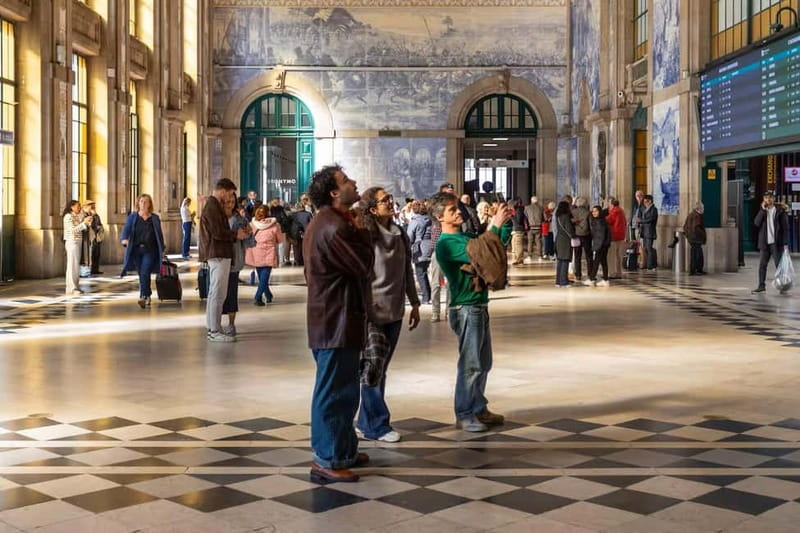
- Jewish community traces in Porto’s old center: toponymic and archaeological clues you can spot on the walk
- Major monuments plus “why they matter” context: including Porto Cathedral and Clérigos
- Cultural and religious recovery story: Captain Barros Basto is part of the narrative arc
- Small group pace: limited to 10 people, often feeling close to private
- English live guide with strong Q&A: plenty of chances to ask what you’re wondering
- Coffee included: a simple perk that makes the 3-hour route feel less like homework
Why this tour focuses on Jewish traces (and not just postcards)
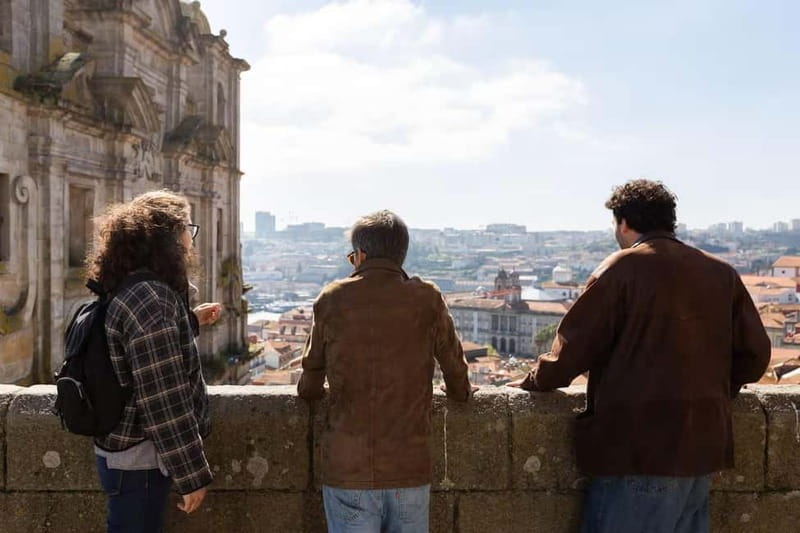
Porto is easy to admire for its architecture and river views. But this tour goes after something else: the human footprint. You’ll walk through central areas where stories of the Jewish community once lived on, not as a vague timeline, but as specific places and lasting traces.
What makes this worthwhile is the method. Instead of saying history happened somewhere else, your guide helps you connect the dots between what you see now and what survived—names on the map (toponymy) and remnants tied to the ground (archaeological trace elements). That turns a walk into a kind of guided reading session, except you’re reading actual streets.
You’ll also get the heavy parts with clear framing. The tour covers the Inquisition, persecution of “new Christians,” and the cover-up of Jewish traditions over centuries. That matters because it explains why certain parts of history are visible in indirect ways today.
If you prefer your history with dates and people, you’re set. Expect stories that include the Israeli community reference, the Jewish quarter reference, the Kadoori Mekor Haim Synagogue reference, the Sephardic legacy reference, the 1496 King’s Expelling Order reference, and Captain Barros Basto. It’s focused, not scattershot.
You can also read our reviews of more tours and experiences in Porto.


The pacing: 3 hours that feel manageable
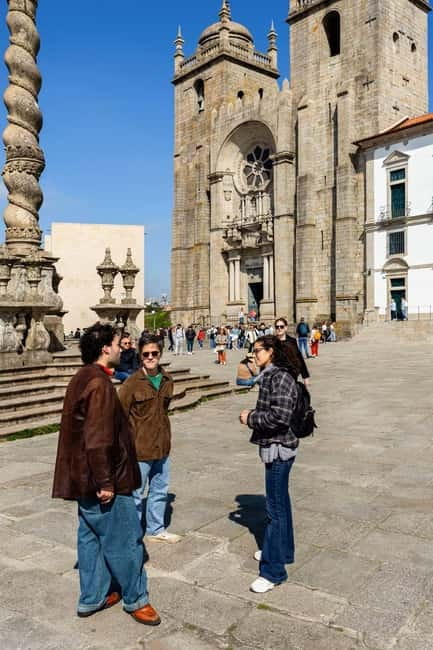
The duration is 3 hours, and the route is built around short guided stops—think about the kind of timing where you can stay present. You’re not being marched for hours with no breathing room. Each stop has a guided segment (10 minutes for several of the key points), so you can absorb the story without your brain going into autopilot.
The group size helps. Limited to 10 participants, it’s much easier to hear the guide and ask follow-ups. In fact, one of the most praised parts is the guide’s ability to answer nearly every question people asked. That usually happens when a group is small enough for real conversation.
Also, it ends at Sao Bento station. That’s not just a finish line. It’s a practical one, because you can pivot to museums, a river stroll, or your next transport option without doing extra legwork.
Price and value: what $28 buys you in Porto
At $28 per person for a 3-hour, English-language guided walk, this is one of those prices that makes sense because you’re paying for three things:
- A real guide-led route focused on a specific historical theme
- Time (3 hours in the city center is not “free”)
- A small included comfort: coffee
The coffee isn’t a meal. But it signals the tour was designed for an actual human walking experience, not just a narration machine.
Value also comes from format. A small group capped at 10 means you’re not funding an impersonal lecture. And because the tour includes major monuments like Porto Cathedral and Clérigos Church, you’re ticking recognizable sites while still learning how the story connects to the streets between them.
Walking route: Statue of Vímara Peres to Sao Bento
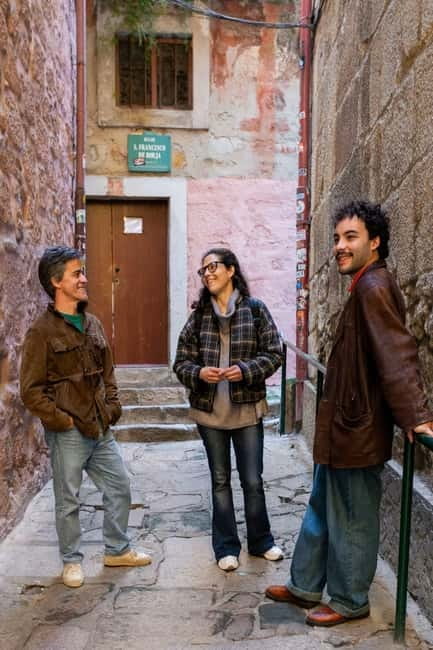
This itinerary is built like a guided thread through Porto’s center. You start at a public monument, then you move through major landmark zones, and you finish at a central station. The guided segments are short enough to keep energy up, and the narrative theme stays consistent—Jewish community locations and the traces left behind.
Stop 1: Statue of Vímara Peres (starting point)
You begin at the Statue of Vímara Peres, which sets the tone for a historical walk from the first minute. Even if you’re not a “statue person,” a start point like this is useful: it anchors you in the idea that Porto’s story starts long before the neighborhoods you’re touring.
Practical tip: show up a few minutes early so you can get oriented. Starting points matter more on walking tours than you’d think.



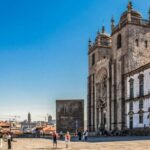

Stop 2: Porto Cathedral (guided segment)
Next up is Porto Cathedral for about 10 minutes of guidance. This is where the tour leans on major architecture to frame the larger city context. Cathedrals are big and obvious—so they work well as a reference point when your guide is connecting historical themes across multiple areas.
Potential drawback: if you’re hoping for a lot of inside time, this isn’t structured like a museum tour. The guidance is short. The value is the interpretation, not a deep interior visit.
Stop 3: Ribeira Square (guided segment)
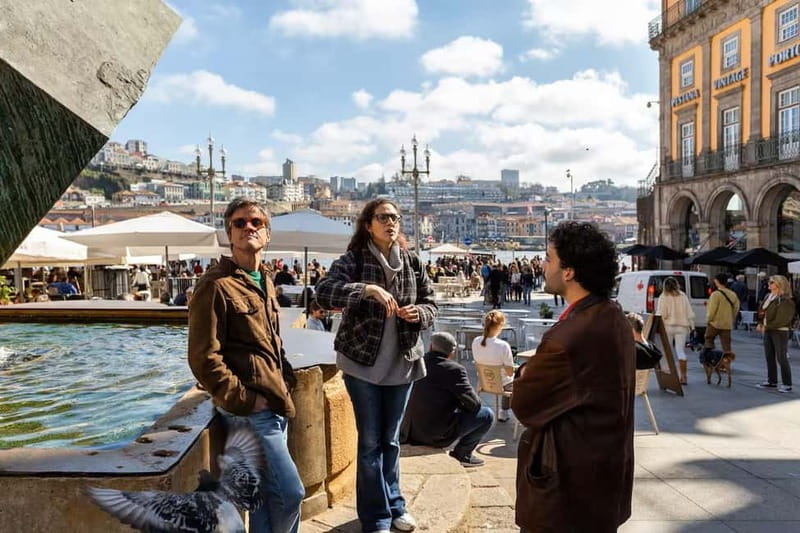
Then you reach Ribeira Square with another guided segment (about 10 minutes). This stop helps switch your attention from buildings to place. Squares like this are where city life breathes, and they’re also where layers of history show up in the way people move through a space.
The tour keeps tying it back to what endured—names, traces, and the shape of neighborhoods connected to the Jewish community story. Even if you only have a mental snapshot of the square afterward, the guide’s connections are what you’ll carry forward.
Stop 4: Vitória, Porto (guided segment)
Vitória, Porto is the next stop, again with a short guided segment. This is a key part of making the tour feel like more than a checklist. “Vitória” signals you’re moving through a neighborhood identity, not just passing by monuments.
This stop also fits the tour’s approach: as the route shifts, your guide can point out how different areas carry different kinds of trace—toponymic clues and what’s left of the physical record.
Stop 5: Clérigos Church (guided segment)
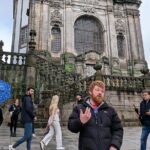
You’ll then reach Clérigos Church (with a guided segment of about 10 minutes). This is one of the easiest stops to enjoy even if you weren’t planning to study history. The monument provides a strong visual anchor, and your guide uses that visibility to keep the story grounded.
This stop is also one of the most praised elements overall. People consistently mention the experience as enjoyable, in large part because the guide connects the dramatic landmark feeling with the smaller, more specific story details.
Quick reality check: if you dislike crowds or prefer quiet, plan to keep your pace steady. The tour is small, but you’re still in a popular historic zone.
Finish: Sao Bento station
The tour ends at Sao Bento station. Finishing at a central transit hub is a smart design choice. It means you don’t have to backtrack to start again, and it’s easier to connect to the rest of your day—whether that’s more walking, a tram or train plan, or simply grabbing a late lunch.
What you’ll actually learn on the walk
This tour is built around a clear set of themes. You’ll hear about the Jewish community in Porto, how it existed in neighborhoods, and how the later policies affected people’s lives and identities.
Here’s what the tour content centers on:
- Jewish Quarter and community references in Porto
- Kadoori Mekor Haim Synagogue (included as part of what you’ll learn)
- Sephardic legacy (covered as part of the story)
- 1496 King’s Expelling Order (named as a key event)
- Inquisition and persecution of “new Christians” (explained as the pressure point)
- Cover-up of Jewish traditions for centuries (addressed as a survival strategy)
- Captain Barros Basto (presented as a major figure in the later cultural and religious rescue, described as the Portuguese Dreyfus)
What makes this setup valuable is that it’s not just about “bad things happened.” You also get movement in the story—pressure, adaptation, and then a recovery-focused arc with Barros Basto.
And because the tour highlights enduring traces, you can leave with more than facts. You’ll have a better sense of how history can survive in language, in the layout of neighborhoods, and in what still sits in plain sight.
Coffee break and the small-group advantage
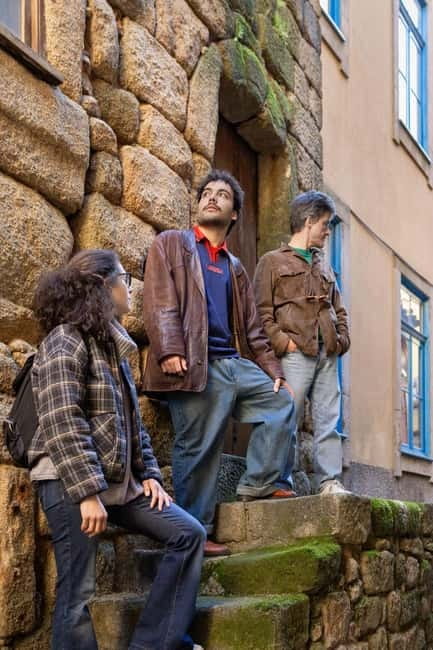
The tour includes coffee, which you’ll appreciate on a 3-hour day. It’s not a huge perk, but it’s a practical one, especially if you’re combining this with other sightseeing the same day.
The other big advantage is the tone shift that comes with a small group. When the group is capped at 10, you’re more likely to hear details clearly and have real interactions with the guide. One of the strongest signals from the overall feedback is how much attention the guide pays to answering questions. That turns the tour into a dialogue, not a monologue.
It can also feel close to private if the group runs very small. That’s not something you can bank on, but it’s clearly part of why people enjoyed the experience so much.
Practical tips: wear the right shoes and expect rain
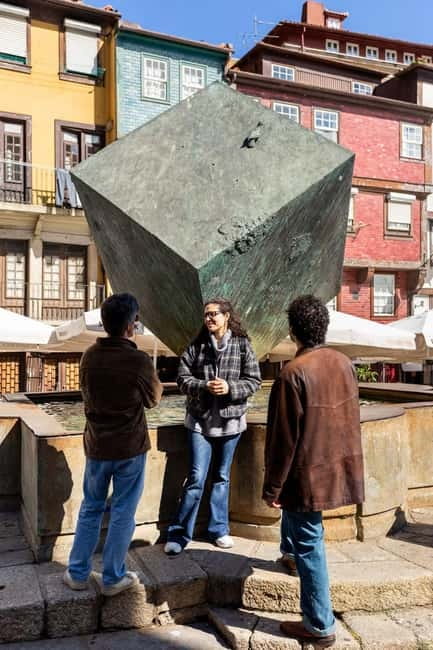
This is a walking tour with an explicit rain-or-shine policy. That means you should treat the weather like part of the schedule. Plan for wet pavement, and dress accordingly.
Bring:
- Comfortable shoes
- Comfortable clothes
If you don’t like being outside for hours, adjust your expectations. This tour works best if you’re the type who enjoys learning while moving. The city’s streets are part of the lesson.
Also note: it’s not suitable for people with mobility impairments or wheelchair users. If you’re unsure, compare your walking tolerance to a typical 3-hour city walk with multiple short stops.
Who should book this Porto historical roots tour
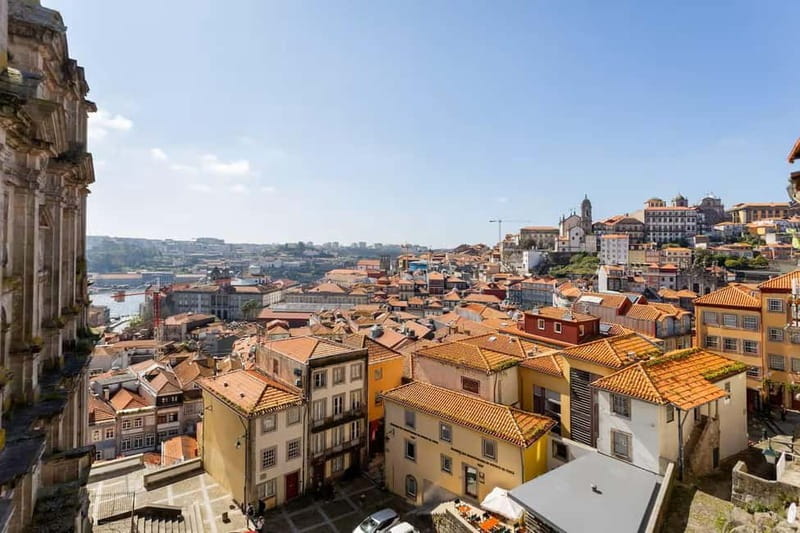
This is a great fit if you want Porto to feel personal and specific—not just a photo spree. It’s especially suited to you if:
- You’re interested in the Jewish community in Porto and the stories connected to the Jewish quarter
- You want to understand how persecution and forced assimilation shaped what’s visible today
- You like walking tours that connect monuments to real narrative themes
- You’re happy with a 3-hour pace with multiple short guided stops
It’s less of a fit if you:
- Need step-free or wheelchair-friendly routes
- Prefer long museum-style explanations where you’re seated and sheltered for long stretches
- Want a tour focused only on entertainment or scenic highlights, with no heavy historical content
Should you book this tour? My call
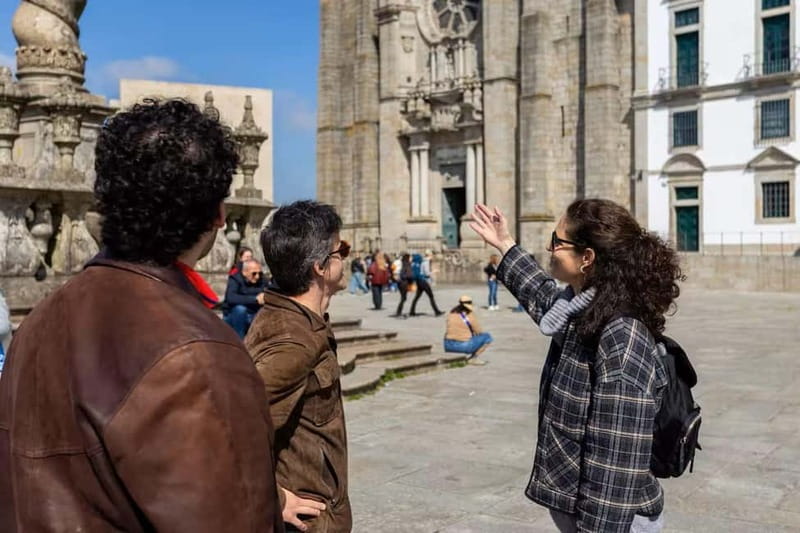
I’d book it if you want a guided walk that’s both easy to follow and meaning-heavy. The route is short enough to stay comfortable, the group size supports real questions, and the content is focused on a theme you won’t usually get from a standard Porto overview.
It’s also good value for your time. For $28, you get 3 hours of English guidance, a small group format, and coffee—plus major landmark stops like Porto Cathedral and Clérigos Church used as story anchors.
The only reason to skip is if the rain-and-walk format won’t work for your body, or if mobility needs prevent you from doing a standard walking tour. Otherwise, this is the kind of Porto experience that makes the city feel more readable, and that’s the best souvenir.
FAQ
How long is the Discover Porto’s Historical Roots Walking Tour?
It lasts 3 hours.
How much does the tour cost?
The price is $28 per person.
What languages is the tour offered in?
The tour is in English.
Is the tour a small group?
Yes. It’s limited to 10 participants.
What’s included in the price?
A tour guide is included, and coffee is included as well.
Where does the tour start and where does it end?
It starts at the Statue of Vímara Peres and finishes at Sao Bento station.
Will the tour run in bad weather?
Yes. The tour takes place rain or shine, so dress accordingly.
Who can join the tour?
The tour is not suitable for people with mobility impairments or wheelchair users.
Are there multiple starting times?
Yes. Starting times depend on availability, so you’ll need to check what’s offered when you book.
If you tell me what month you’re going and whether you prefer lighter or heavier history, I can help you decide if the timing fits your Porto day plan.