REVIEW · PORTO
7-Day The Way of St James Bike Tour- The Coast Path – Camino to Santiago
Book on Viator →Operated by Top Bike tours Portugal · Bookable on Viator
You can feel the Camino spirit on two wheels. This 8-day ride (7 days cycling) traces the Way of St James from Porto to Santiago de Compostela, mixing Portuguese seaside towns with northern Spain’s pilgrim draw. Two things I really like: the GPS route and road book make the riding feel self-directed, and the Trek mountain bikes with a helmet let you cruise comfortably without worrying about gear. One thing to consider is that it’s easy to moderate, but you’ll still deal with some hills, so plan for steady effort and carry water.
Small-group pacing helps, too. You’re capped at just 2 travelers, which keeps the vibe calm when the day starts early, the terrain changes, or you need help with anything bike-related. The other practical plus: included luggage transfer means you can ride with less weight—less tugging at your shoulders and more focus on the coast.
In This Review
- Key details that shape the experience
- Porto start: where your ride really begins
- Day-by-day: Porto to Santiago on a coast-hugging line
- Day 1: Briefing day in Porto
- Day 2: Esposende, Póvoa de Varzim, and the Discoveries-era coast
- Day 3: Viana do Castelo to Caminha on the Minho
- Day 4: Crossing into Spain for Bayona
- Day 5: Vigo area, San Simón’s Bay, and Arcade oysters
- Day 6: Caldas de Reis, hot springs, and pilgrimage memory
- Day 7: Arrival in Santiago and the Obradoiro moment
- Day 8: Departure
- Bikes, route style, and the “self-guided” reality
- The cost: what you’re paying for, and what it saves you
- What stood out for quality and support
- Who this tour fits best
- Book it or skip it: my practical recommendation
- FAQ
- What are the tour dates and total duration?
- Where do I meet the group in Porto?
- Is the route self-guided or guided?
- What kind of bike is included?
- Does the price include accommodation and transfers?
- Are meals included?
- Is luggage transfer included?
- How hard is the ride?
- What’s the maximum group size?
Key details that shape the experience
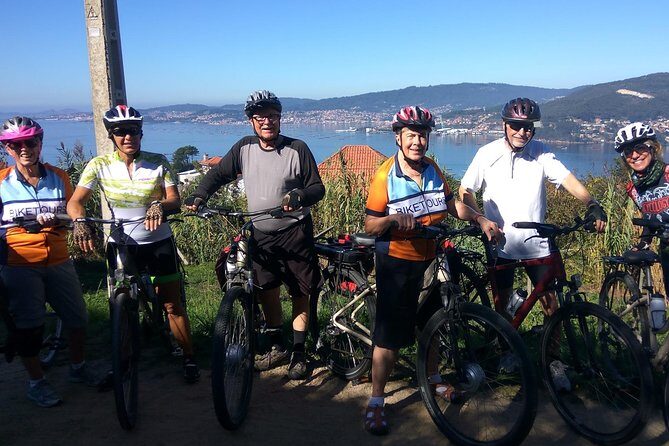
- Small group (max 2 travelers) keeps things low-stress when you stop, ask questions, or hit an unexpected slow patch.
- Self-guided with GPS gives you freedom while still following a planned route (you’re not reinventing your navigation each day).
- Trek mountain bikes + helmet are included, so you avoid bike-rental chaos.
- Luggage transfer helps you ride lighter, especially useful with coastal winds and changing temperatures.
- Accommodation + selected meals + transfers take the heavy logistics work off your plate.
- Coast-focused Way of St James means you spend more time on the water’s edge than on punishing inland climbs.
Porto start: where your ride really begins
Your journey kicks off at Rua João das Regras nº 62 in Porto, with the briefing scheduled for 8:00 am. That early start matters on a coast bike trip: mornings are cooler, and you’ll be better set up for the day’s longer stretches and any hill work. The route also leans on bike paths when available, then mixes in tarmac and rural streets when it needs to.
Porto itself is a great launch point for this kind of tour. You get the “real city” feel at the start—then the next days steadily shift into fishing ports, riverside towns, and Spanish coastal towns where the Camino story becomes easier to read in the buildings and paths you ride past.
Practically, you’ll want to show up ready to roll: bring a water bottle you can refill, and have your phone or GPS settings ready (the tour provides a GPS with the route, but you still need your device to work smoothly if you’re using it). The tour also notes that you should carry enough water at all times—good advice on a day spent under sun and sea wind.
You can also read our reviews of more cycling tours in Porto
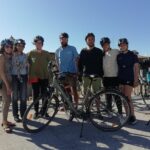
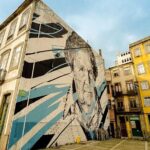
Day-by-day: Porto to Santiago on a coast-hugging line
Day 1: Briefing day in Porto
Day 1 is about getting set. You meet at the address in Porto, get the briefing, and get your bearings before your first real riding day. This is the day to ask practical questions: where you’ll pick up bike gear, how luggage transfer works for you, and what the ride feels like on a typical day.
Even though Day 1 isn’t a big cycling day, it’s a key part of how this tour stays enjoyable. You’ll know what “easy to moderate” means in real terms before you hit the coastal stretches.
Day 2: Esposende, Póvoa de Varzim, and the Discoveries-era coast
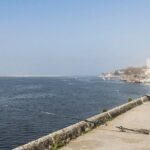
On Day 2, you head north to Esposende, a seaside city with a medieval feel. Expect a string of small Portuguese rivieras, fishing villages, and that classic Atlantic rhythm where each bend in the coast makes the scenery change.
A highlight here is Póvoa de Varzim, where you can experience traditions linked to fish exploration and get a taste of local coastal gastronomy. The ride continues toward Vila do Conde, which helps explain why these towns mattered during the Portuguese Discoveries era—this wasn’t just coastline beauty; it was movement, trade, and ships leaving for big routes.
If you like riding through places that still feel working-class and local, this day delivers. It’s not just scenic; it helps you connect the coast to the historical role it played.
Day 3: Viana do Castelo to Caminha on the Minho
Day 3 brings you to Viana do Castelo, another important docking city tied to shipbuilding and overseas routes. The tour frames this time period around the XIV–XV centuries, when ships for Brazil, India, Africa, and other Portuguese territories were developed.
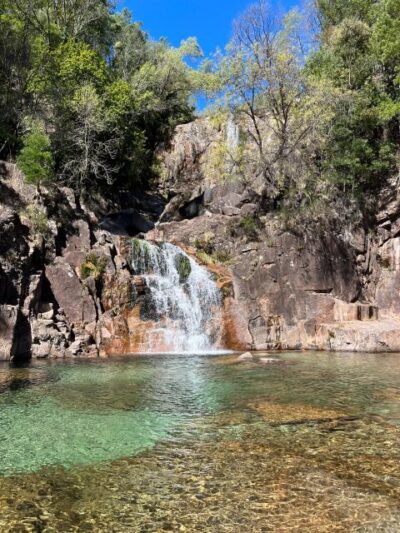
You then reach Caminha, on the shore of the river Minho. This is the kind of stop that feels like the route slows down: green heritage, viewpoints, waterfalls, beaches, and a camping park. Even if you’re not camping, it signals that Caminha is a place people actually use for outdoor time—not just a photo stop.
From a cycling perspective, reaching Caminha feels like a payoff day. You’ve had fishing towns and maritime history, and now you finish with a river-and-coast atmosphere.

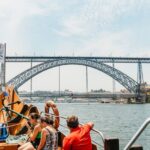
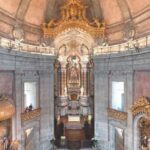


Day 4: Crossing into Spain for Bayona
Day 4 is the day you enter Spain and finish in Bayona. The route ends in a city connected politically to Pontevedra, and you’ll feel the sea air as soon as you start riding in Spanish coastal territory.
Bayona has layers: Roman beginnings, growth toward the coast through the Middle Ages, and the influence of the Catholic Church. Then there’s a fun, specific detail the tour highlights—during the XVI century, Bayona was raided by British ships led by explorer and corsair Francis Drake, who saw a chance to establish a commercial and merchant point.
Cycling into towns with this kind of story matters. You’re not just racking up kilometers; you’re moving through places that once had to think about ships, trade routes, and defense. That makes the Camino journey feel less abstract.
One practical note: when you cross countries, you might notice small changes in road character and traffic. The tour uses bike paths when available, but you’ll still likely ride some tarmac and rural streets.
Day 5: Vigo area, San Simón’s Bay, and Arcade oysters
Day 5 keeps you following the coastline and aiming for San Simón’s bay, where water views are the point of the day. If you want a cycling day that feels like you’re always getting a new angle on the water, this is it.
You also ride through Arcade, famous for its oysters. The tour frames this as almost mandatory: if you’re passing by, you should taste the local oysters harvested in the region’s waters. There’s also a seasonal angle worth knowing: the first week of April has the Fiesta de la Ostra, when the town fills with tourists and pilgrims for the oyster celebration.
Culturally, Day 5 isn’t just about food. You’ll pass monuments tied to Santiago’s culture, including the church of Santiago in Arcade (XII–XIII centuries), plus roads and paths leading toward the pilgrimage destination. That’s the nice balance of a coast-focused route: you get both a “taste and stop” day and a “see Camino culture in the built world” day.
Day 6: Caldas de Reis, hot springs, and pilgrimage memory
Day 6 takes you to Caldas de Reis in the Pontevedra province. This stop is linked to pre-Roman inhabitants who lived from hot springs. Even the name is tied to pilgrimage history: it connects to the birthplace of Afonso VII, and in the Middle Ages this area acted as part of the path to Santiago de Compostela.
You’ll also get a food angle here: empanadas of lamprey and traditional Spanish bread. Then there’s the modern-day reason people care about Caldas de Reis—the hot springs became a tourism hotspot for treatments.
After several days riding coastal terrain, a day centered on thermal waters makes sense. It gives your legs a different kind of “activity” in the middle of the week. If you like a tour that builds in real recovery time, Day 6 does that.
Day 7: Arrival in Santiago and the Obradoiro moment
Your last cycling day ends with the ceremonial feeling of Santiago de Compostela, one of the major pilgrimage centers in Western Europe. The tour describes it as a religious beacon—something that helps you connect cycling with personal meaning, not just sightseeing.
You reach the Square of Obradoiro and see the majestic Baroque cathedral, where the remains of the apostle are located. This is the moment the whole route starts to click.
Even if you’re not traveling for religious reasons, the atmosphere is real. By the time you arrive, you’ve had days of coastal towns, oyster stops, river views, and history in the streets. Finishing in a place like Santiago makes that story feel complete.
Day 8: Departure
Day 8 is departure. The tour also includes a pick-up back to Porto city in a van (your tour ticket BUS) after reaching Santiago. That’s a big deal for comfort. You’re not stuck arranging transport right after you’ve arrived in a long-ride finish mode.
Bikes, route style, and the “self-guided” reality
This tour blends structure with freedom. You get GPS with the route and a road book, plus luggage transfer and bike rental with helmet. That setup means you’re not riding like a solo adventurer with zero backup.
At the same time, it’s still truly your ride. The notes say the route uses bike paths when available, but you should expect some tarmac and rural streets. So you’ll want basic biking confidence: staying alert when roads narrow, handling small climbs, and adjusting effort when wind kicks up near the coast.
The physical level is listed as easy to moderate. It’s also pointed out that there are some hills to deal with. That’s consistent with a coastline route: even when the “main” vibe is flat-ish, you’ll still meet terrain changes near towns.
Weather matters. During July, August, and September, the tour recommends cycling early because heat can be intense. That advice fits what you’d expect on this kind of coast route. If you’re booking in high season, treat mornings as your best friend.
The cost: what you’re paying for, and what it saves you
At $2,990.44 per person, this isn’t a budget-only bike trip. But the price covers a lot of the stuff that usually makes independent cycling expensive and stressful.
Here’s what’s included:
- 7 nights accommodation
- Bike rental and helmet (Trek mountain bicycles)
- GPS with route and a road book
- Luggage transfer
- Porto airport arrival and departure transfers
- Santiago pick-up back to Porto by van (your ticket BUS)
- Selected meals (the tour lists breakfast included, 8 breakfasts)
And it’s not included:
- Lunches and dinners
- Alcoholic beverages
- Insurance (the tour notes insurance is only available in guided bike tours)
Value comes from two big buckets: logistics and equipment. The included bike and helmet removes a major hassle. The transfers and luggage transfer reduce the “daily grind” of planning and moving gear. If you’ve ever tried to cobble together a coastal bike itinerary without a support system, you know how quickly time and money disappear.
Also, the small group cap of 2 travelers can make the experience feel more tailored, even though you’re still self-guided.
What stood out for quality and support
The overall satisfaction score is 5 out of 5, with 43 reviews and a strong recommendation rate. The strongest repeated theme is straightforward: the ride felt safe and successful, with friendly staff who handled problems quickly when something went wrong.
That matters on a bike tour. A flat tire or small mechanical issue can turn into hours of stress if you’re on your own. The tour’s system is designed so you’re not stuck figuring it out alone.
And since the route is self-guided, quick support is even more important. You want to feel confident that if something needs fixing, help is real and responsive.
Who this tour fits best
This is a great match if:
- You want the Camino destination feeling but prefer an easier coast route than the more demanding versions of the pilgrimage.
- You like moving through real towns—ports, river edges, seaside centers—rather than only rural paths.
- You want self-guided freedom with built-in structure (GPS, road book, luggage transfer).
- You have moderate fitness and can handle some hills without needing a hardcore climb-heavy challenge.
It’s also a nice option if you’re traveling with a small group or prefer calm, not crowded energy. The max of 2 travelers suits people who want a quieter pace.
Book it or skip it: my practical recommendation
Book this tour if you want a coast-first Way of St James with clear logistics handled for you: bikes, helmet, accommodation, luggage transfer, transfers, and navigation support via GPS and a road book. You’ll get those classic seaside town stops and a satisfying finish at Santiago’s Baroque cathedral at Obradoiro Square.
Consider a different option if:
- You’re extremely sensitive to heat and you’re traveling in peak months without a plan for early rides.
- You’re expecting a fully flat ride. This route is easy to moderate, but the tour notes hills, so plan for that.
- You need full meal coverage beyond breakfast, since lunches and dinners are not included.
If you line up with the tour’s effort level and you like the idea of mixing Portuguese and Spanish coast culture with a real pilgrimage finish, it’s a strong choice.
FAQ
What are the tour dates and total duration?
The experience is listed as 8 days (approx.), with 7 days of riding from Porto toward Santiago de Compostela.
Where do I meet the group in Porto?
You meet at Rua João das Regras nº 62, 4000-290 Porto, Portugal. Start time is 8:00 am.
Is the route self-guided or guided?
This tour is self-guided. You receive a GPS with the route and a road book, and you follow the planned path.
What kind of bike is included?
The bikes provided are Trek mountain bicycles, and the tour includes a helmet.
Does the price include accommodation and transfers?
Yes. It includes 7 nights of accommodation, Porto airport arrival and departure transfers, and a van pick-up back to Porto city from Santiago.
Are meals included?
Breakfast is included (the tour lists 8 breakfasts). Lunches and dinners are not included, and alcoholic beverages aren’t included either.
Is luggage transfer included?
Yes. The tour includes luggage transfer, so you don’t need to carry everything on your bike.
How hard is the ride?
The difficulty is listed as easy to moderate, with a note that there are some hills to contend with.
What’s the maximum group size?
The tour lists a maximum of 2 travelers.