Eight tastings, five Porto landmarks. This tour ties food to stories, so you get more than snacks while you’re out in the streets. I like the full-meal feeling (you really will be satisfied), and I like the small group size, which makes it easier to ask questions. The main trade-off is that it’s a fair amount of walking on Porto’s hills, so comfortable shoes aren’t optional.
You’ll start at R. de Passos Manuel 137 and end at Rua das Flores, with a guide talking history and culture between bites. Expect classic flavors like Pastel de Nata plus Portuguese fish, bacalhau cake, and Bifana, followed by drinks such as Vinho Verde and aged port wine. If you’re short on time, the walking-heavy format is something to plan around.
In This Review
- Key Points to Know Before You Go
- Why This Porto Food Tour Works as a First-Day Plan
- Price and Value: What $100.42 Buys You in Tastings and Time
- Stop by Stop: From Casa da Música to Clérigos Tower
- Casa da Música and Porto’s music-first identity
- A small historic urban park break
- A lively historic district in the center
- Dom Luís I Bridge, Porto to Vila Nova de Gaia
- Clérigos Tower: the tall campanile you can spot from everywhere
- The 8 Tastings You Should Plan to Pace
- Pastel de Nata (flaky, creamy custard tart)
- Traditional canned Portuguese fish
- Bifana: tender pork sandwich with local spices
- Codfish cake: the most traditional kind
- The secret dish
- Enough snacks to feel like a full meal
- Drinks in Context: Vinho Verde, Beer, and Aged Port Wine
- Walking Logistics, Hill Factor, and Timing Tips
- Who Should Book a Shared Tour (and When to Go Private)
- Should You Book This Porto Food Tour?
- FAQ
- What is the duration of the Porto Food Tour of 8 Tastings?
- What food and drinks are included?
- Is hotel pick-up or drop-off included?
- Where do I meet the tour, and where does it end?
- Is the tour offered in English?
- How many people are in the group?
Key Points to Know Before You Go
- 8 tastings plus local drinks that add up to real satisfaction, not just nibbling
- Max 12 travelers, so the guide can keep an eye on pace and questions
- Landmark stops that match Porto’s identity: Casa da Música, Dom Luís I Bridge, and Clérigos Tower
- Core Porto flavors you can actually use later when you eat on your own
- A secret dish that keeps the menu fun without feeling random
Why This Porto Food Tour Works as a First-Day Plan
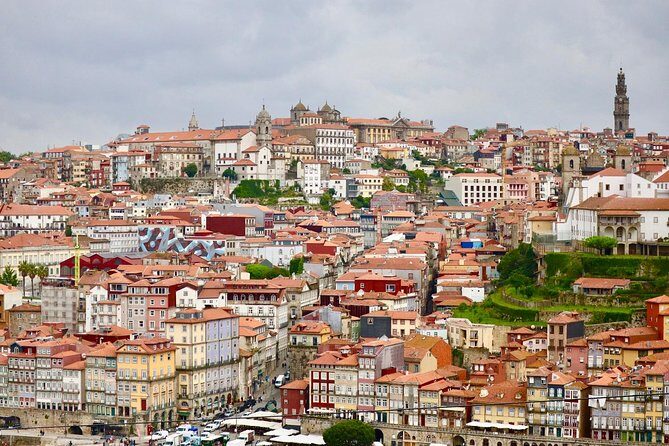
Porto can feel like a puzzle at first. Streets slope, viewpoints pop up between buildings, and the city’s identity is split between Porto and Vila Nova de Gaia across the Douro. This tour gives you a fast framework: you taste your way through the city while your guide explains how the place became itself.
Two things make the structure especially useful. First, the food stops aren’t random. You get Portuguese staples (custard tart, fish, codfish cake, pork sandwich) that teach you what to order later. Second, the tour is paced like a walk with breaks, not a sprint between locations. That matters because Porto’s hills can turn a tight itinerary into a chore.
The other reason I’d book this early is practical. After 3.5 hours, you’ll understand which neighborhoods feel like locals’ daily life and which streets are mainly for tourists. You also leave with a mental map of iconic sights, so the next time you pass them, they make sense.
You can also read our reviews of more food & drink experiences in Porto


Price and Value: What $100.42 Buys You in Tastings and Time
At about $100.42 per person, you’re paying for three things at once: guided storytelling, multiple tastings, and guided access to how Porto eats. The value works best if you’d otherwise spend money sampling on your own without context.
Here’s what’s included that usually costs extra when you DIY it:
- 8 tastings, including Pastel de Nata, Bifana, and codfish cake
- Portuguese drinks like Vinho Verde, local beer, and aged Port wine
- Tea or coffee and water
- A group tour format with a guide (and a max of 12 people)
You’re also getting enough food to function like a meal. That’s not marketing fluff—one of the most common compliments is that the portions feel generous and you shouldn’t eat a big breakfast beforehand. If you plan your day around that, the tour stops being an extra and becomes the backbone of your first half-day.
One note on the price: because the tour includes both food and drinks, it can be a better deal than buying single items at cafés back-to-back. Still, it’s not the best choice if you want a super slow, sit-and-stare sightseeing day. This is movement plus tastings.
Stop by Stop: From Casa da Música to Clérigos Tower
This tour’s route mixes major landmarks with quieter pauses. Even when the menu changes based on availability, the visual storyline stays the same: music and arts, then parks and neighborhoods, then the Douro crossing, then Porto’s most recognizable church bell tower vibe.
Casa da Música and Porto’s music-first identity
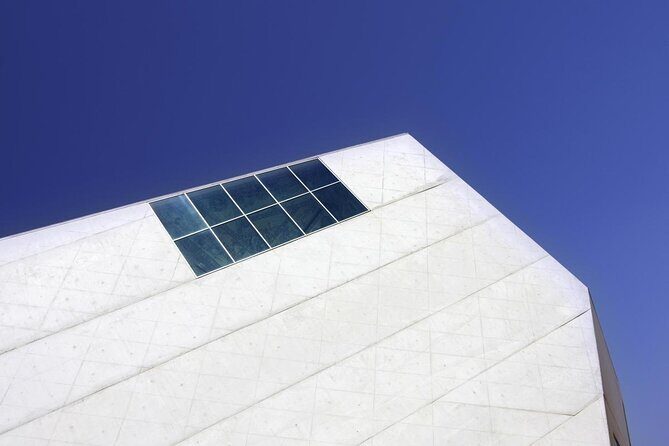
One of your first sights is the first building in Portugal designed from the start to be exclusively dedicated to music—built for public performances and for artistic training and creation. It’s a great opener because Porto’s culture isn’t only about food and riverviews. Music is part of the city’s personality, and your guide’s explanation makes the building feel like it has a job, not just architecture.
What to expect: quick photo moments and short context so you don’t get lost in big-city design talk.
A small historic urban park break
Next comes a small, historic urban park with a serene vibe—trees, plants, and sculptures. This is a useful reset. Porto’s streets can be loud and busy; the park gives your brain a breather before the walking resumes.
What I like about this stop: it helps you enjoy the tour rather than just survive the route. You get a calmer “between bites” moment.
You can also read our reviews of more tours and experiences in Porto



A lively historic district in the center
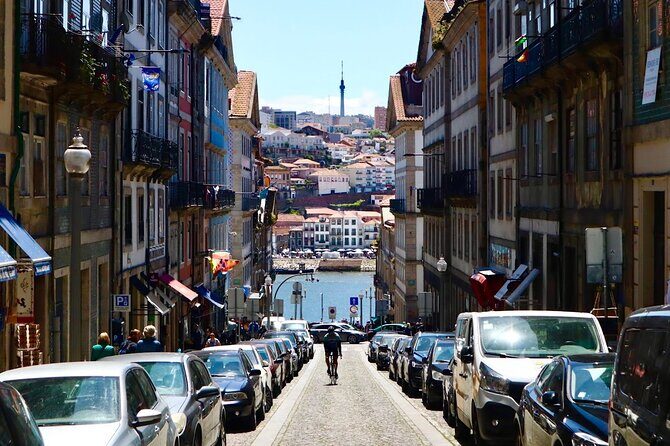
Then you move into one of the most beautiful and lively districts in Porto’s historic centre. This is where you start seeing the city the way you’ll remember it—tight streets, energy, and the feeling of everyday life happening alongside tourism.
Potential drawback: this area can feel busy. It’s still worth it, but if you’re easily overwhelmed by crowds, plan to keep your expectations flexible and your camera ready.
Dom Luís I Bridge, Porto to Vila Nova de Gaia
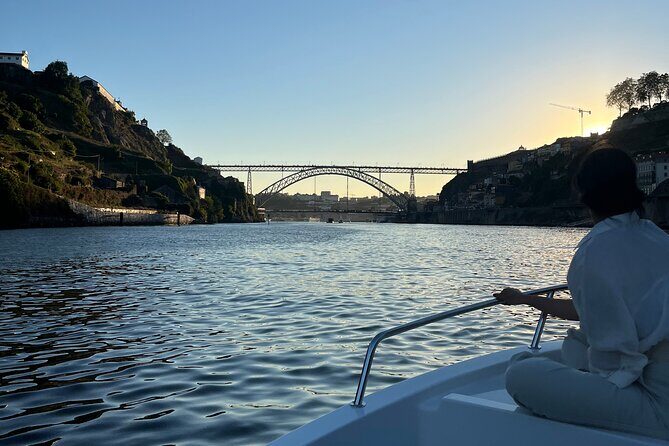
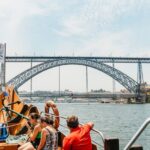
You’ll get your river crossing moment at the famous double-deck metal arch bridge over the River Douro. It’s the kind of structure you recognize instantly once you’re there, even if you didn’t know the name before. Your guide connects the bridge to Porto’s split identity between banks, which makes the view feel more meaningful.
Why it matters for food-tour travelers: the Douro is part of the story behind shipping, trade, and the kind of flavors Portuguese cooks built over time.
Clérigos Tower: the tall campanile you can spot from everywhere
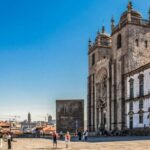
The last landmark stop is the tallest campanile in Portugal, a characteristic symbol visible from various points in the city. It’s hard to miss once you’re near it, and it becomes a strong “orientation marker” for the rest of your stay.
What to expect: a sense of payoff. After walking through culture and food, you end with a skyline anchor.
The 8 Tastings You Should Plan to Pace
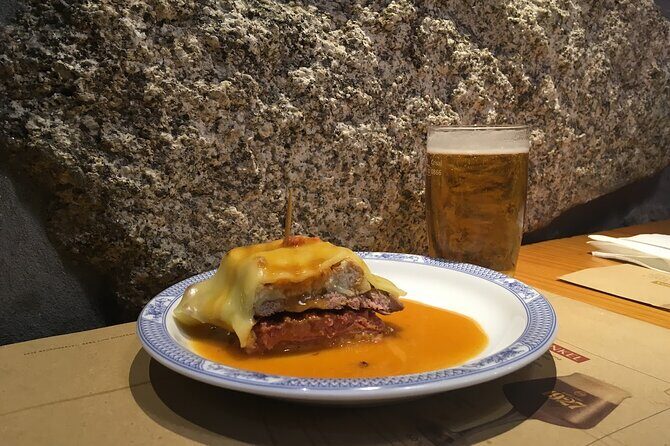
Your tour menu is designed to hit key Porto flavors across sweet, savory, and seafood traditions. You’ll also get a secret dish that’s not listed in advance, so you can’t just pre-decide what you’ll think.
Pastel de Nata (flaky, creamy custard tart)
The tour’s custard tart is a big deal for a reason: the contrast between crisp pastry and creamy filling shows you why Porto (and Portugal broadly) loves egg-based desserts. This is the sweet start you’ll remember, and it pairs well with coffee afterward.
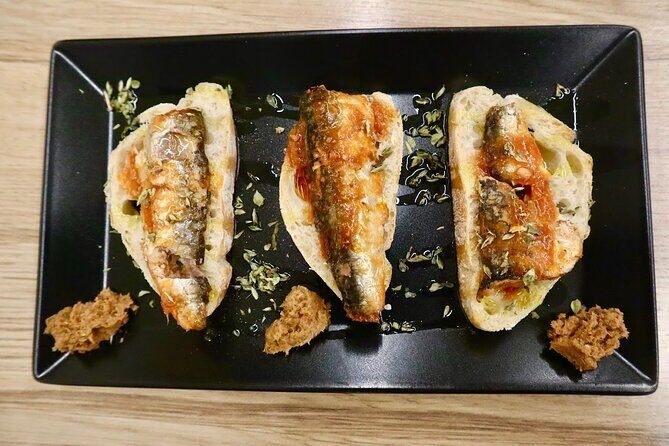
Traditional canned Portuguese fish
You’ll taste traditional canned Portuguese fish—deep flavor in a small bite. This is one of the menu items that helps you understand Portuguese eating logic. In places with strong pantry traditions, canned food isn’t “backup food.” It’s flavor.
If you tend to skip canned items at home, this stop can change your mind because the taste is connected to a local approach, not supermarket expectations.
Bifana: tender pork sandwich with local spices
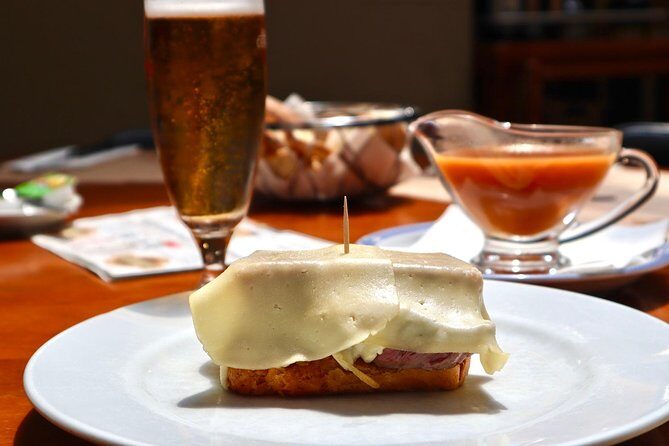
Bifana is a comfort food icon. You’ll get a tender pork sandwich with local spices—often the kind of dish you can mimic later when you’re choosing lunch alone. It’s savory, portable, and satisfying, which is exactly what you want during a walking tour.
Practical tip: one sandwich can feel heavier than you expect. If you like to ration, take your first bite slowly. You’re not just tasting; you’re building your meal.
Codfish cake: the most traditional kind
You’ll also try codfish cake, described as the most traditional version. Bacalhau dishes are basically Portugal’s comfort language, and this one helps you understand why cod stays so central.
What to look for: it tends to be hearty and filling. That makes it a great mid-tour stop—less delicate than the tart, more grounding.
The secret dish
Your secret dish is the wild card. That’s part of the fun, and it prevents the tour from feeling like a checklist. It also encourages you to be present in the moment: you can’t Google it beforehand and decide you already know what it tastes like.
Enough snacks to feel like a full meal
The tour is built around the idea that you should leave fed. The best approach is to treat breakfast as optional and save your appetite for the tastings. If you eat too much beforehand, you’ll end up regretting it halfway through, especially at the heavier savory stops.
Drinks in Context: Vinho Verde, Beer, and Aged Port Wine
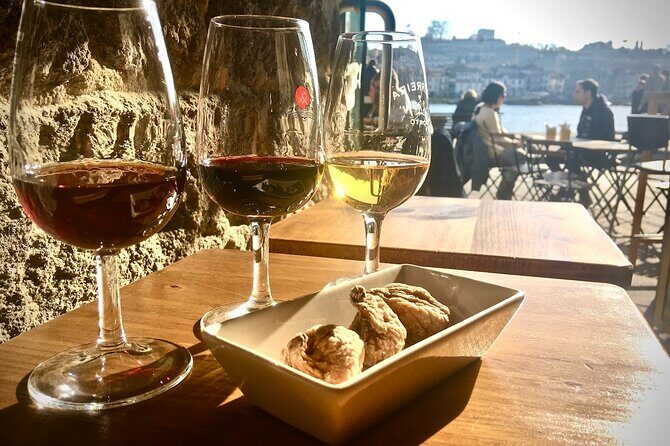
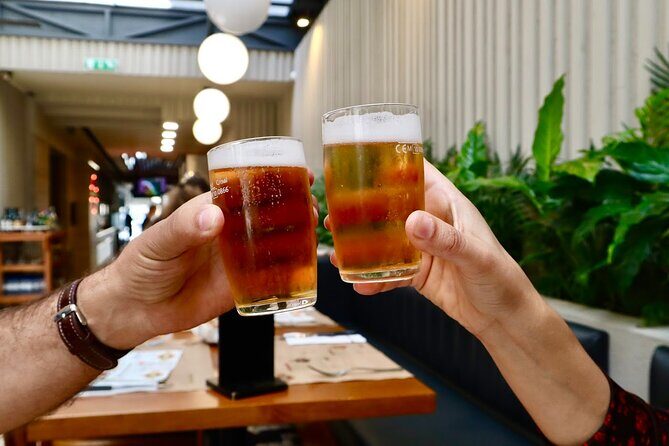
Portuguese drink is not a random add-on here. The tour includes crisp Vinho Verde, local beer, and aged Port wine, plus tea or coffee and water. That mix covers light, food-friendly sips and the richer flavors Portugal is famous for.
Here’s how to think about it while you walk:
- Vinho Verde is the easy pairing. It’s crisp and tends to refresh you between savory bites.
- Local beer adds a familiar break from wine-heavy touring.
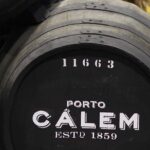
- Aged Port wine is the slow, closing note. It makes sense near the end when you’re finishing the meal feeling.
If you like to keep control of your energy during tours, take a small drink, then return to snacking. Porto wines can taste stronger than they smell, especially the Port style.
Walking Logistics, Hill Factor, and Timing Tips
This tour involves a fair amount of walking. Comfortable shoes are strongly recommended, and the city is hilly enough that you’ll feel it even if you’re fit.
A few practical points that help:
- Plan to wear grippy, comfortable shoes. You’ll be on uneven sidewalks and stairs in places.
- Keep your water handy. The tour includes water, but you’ll still want to sip while moving.
- Build in buffer time if you have a cruise or a train connection. One scheduling lesson: missing the last tasting can happen fast when you’re on a tight ship-to-shore timeline.
Also note the flow: you start at R. de Passos Manuel 137 and finish at Rua das Flores. That matters. If your next plan requires you to hop across town immediately, give yourself time.
Who Should Book a Shared Tour (and When to Go Private)
This is a small group experience with a maximum of 12 travelers. That size is ideal if you want both social energy and personal attention. Your guide can help with pacing, clarify menu questions, and keep the group moving without turning it into a lecture line.
It also makes sense if you’re traveling with friends, as you can compare bites and ask for recommendations on what to try next. The route includes recognizable landmarks—bridge views and the Clérigos Tower symbol—so you get a strong Porto “starter pack” even if you’re not a museum person.
Should you upgrade to private? If you want a more personalized pace or you’re traveling with someone who needs extra time on climbs, a private tour can feel more comfortable. The tour itself already leans guided and structured, so privacy mainly helps with flexibility and focus.
Dietary needs: you should contact the operator in advance so they can cater best. The tour can change based on locations, weather, and other circumstances, so being proactive helps.
Should You Book This Porto Food Tour?
I’d book this if you want a smart first-day plan that mixes real Porto food with iconic sights like Dom Luís I Bridge and the Clérigos Tower. The value is strongest when you want multiple tastings, local drinks, and a guide to connect the dots between neighborhoods and what’s on your plate.
Skip or reconsider if you hate walking on hills, have limited mobility, or need a very strict schedule with no buffer. This tour is built for movement, and the payoff is tied to keeping the route going.
If you’re okay with that trade-off, you’ll leave Porto with two things that matter: full stomachs and a clearer sense of where to go next.
FAQ
What is the duration of the Porto Food Tour of 8 Tastings?
The tour lasts about 3 hours 30 minutes.
What food and drinks are included?
Included tastings are Pastel de Nata (custard tart), traditional canned Portuguese fish, Bifana (pork sandwich), codfish cake, and a secret dish. Drinks include crisp Vinho Verde, local beer, aged port wine, plus tea or coffee and water.
Is hotel pick-up or drop-off included?
No, hotel pick-up and drop-off are not included.
Where do I meet the tour, and where does it end?
Meet at R. de Passos Manuel 137, 4000-382 Porto. The tour ends at Rua das Flores.
Is the tour offered in English?
Yes, the tour is offered in English.
How many people are in the group?
The tour has a maximum of 12 travelers.