Serra da Estrela turns a normal day into a mountain story. This private tour from Porto blends winter experiences with serious food culture, from bread traditions to Serra da Estrela cheese. I especially like the way the route is built for seasonal flexibility, so even when conditions change you still get standout places like the Tower and Lagoa Comprida.
My favorite part is the mix of food stops and real altitude viewpoints, not just drive-by photos. One thing to watch: several tastings and museum visits are optional or have extra admission fees, and lunch is an extra cost too.
In This Review
- Key points before you go
- Private Luxury Transport from Porto: starting at Praça da Liberdade 19
- Serra da Estrela in any season: snow fun plus high-altitude stops
- Stop 1 in the cheese heartland: Pinhancos and hand-made Serra cheese craft
- Seia Bread Museum: why bread matters up in the mountains
- Sabugueiro: Portugal’s highest village and the cheese you shouldn’t skip
- Lagoa Comprida and Covão dos Conchos: water, silence, and a hike if you want the engineering
- Torre da Serra Estrela: the highest point in mainland Portugal at 1,993 metres
- Barragem do Vale do Rossim and Mondeguinho: river beaches and where Portugal’s longest internal river starts
- Cabeça do Velho: pareidolia rock views and a folk legend you can feel
- Food and wine budgeting: what’s included versus what costs extra
- Who this tour suits best (and who might want a different plan)
- Should you book this tour?
- FAQ
- How long is the Private Serra da Estrela Gastronomy & Snow Tour from Porto?
- What time does the tour start, and where does it meet in Porto?
- Is pickup and drop-off included?
- Is this tour private?
- What kind of winter activities are included?
- Which experiences cost extra (admissions and tastings)?
- What if weather is poor or I need to cancel?
Key points before you go
- Private, small-group feel with a luxury Mercedes-style van: Wi‑Fi, bottled water, and a relaxed pace for a long mountain day.
- Snow activities when conditions allow: snowshoeing, sledding, and snowman making in winter.
- Food you can actually explain: bread symbolism at the Bread Museum and hands-on Serra cheese craft at Pinhancos.
- Portugal’s highest mainland viewpoint: Torre da Serra da Estrela at 1,993 metres (often a ski hub in winter).
- Water and engineering surprises: Lagoa Comprida and the hydraulic engineering at Covão dos Conchos (with a hike if you choose it).
- Myth meets geology: Cabeça do Velho and the pareidolia legend behind its human-shaped rock profile.
Private Luxury Transport from Porto: starting at Praça da Liberdade 19
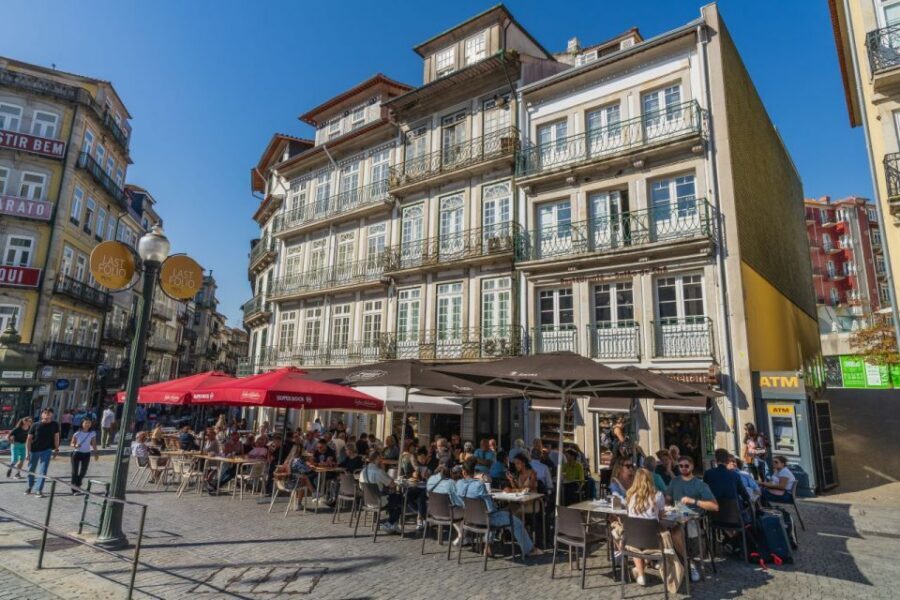
The day starts early at 8:00 am, with pickup offered and the tour meeting at Praça da Liberdade 19 in Porto. You’ll end back at the same meeting point, which is a small but useful detail when you don’t want to think about logistics after a long day in the mountains.
The transport is one of the real value points. This is not just a car ride; it’s set up for comfort and downtime with Wi‑Fi, bottled water, refreshments, and a smooth, “no-rush” driving style. The operator also includes personal accident and liability insurance, which you’ll appreciate on icy mountain roads in winter.
If you’re traveling with kids, this matters even more. In the feedback for this operator, the driver-guide Carlos shows up as someone who stays attentive to the group’s needs and keeps the pace calm (not frantic), which makes a huge difference when you’re trying to enjoy snow and scenery without feeling stressed.
Serra da Estrela in any season: snow fun plus high-altitude stops
Serra da Estrela is one of Portugal’s best “season-proof” destinations. In winter, you can see snow and do snow sports like snowshoeing and sledding, plus the silly-but-fun stuff like snowman making when the conditions cooperate. Outside the cold season, the plan shifts toward viewpoints and classic highland stops, including the best-known places tied to water, villages, and the highest point on Portugal’s mainland.
Timing is also built into the route. You get longer time where views are the point (Torre gets around 2 hours), and shorter scenic stops where you want quick photo breaks and a few facts. That keeps the day from dragging, and it helps you avoid the common problem of arriving somewhere you love but spending half the time waiting in the wrong place.
The big practical tip: wear layers and plan for changing weather. The route climbs to big elevations, and mountain conditions can shift fast, especially if you’re going for snow.
Stop 1 in the cheese heartland: Pinhancos and hand-made Serra cheese craft
Pinhancos is an optional stop, but it’s the kind of place that gives the day its soul. This is where tradition is still alive in the form of a cheesemaker working entirely by hand, using methods passed down through generations. Only two producers remain active now, so you’re not seeing a “show” built for tourists. You’re watching a living craft.
What I like about a stop like this is that it makes Serra da Estrela cheese feel less like a product and more like a local system: pastoral life, seasonal rhythm, and land. The village also has roots stretching back to the Arab period, with Moorish burial remains reported in the area. Even if you don’t spend forever here, that kind of background makes the visit more memorable.
Drawback to consider: this is optional and it has an extra admission/tasting fee (listed for a traditional cheesemaker tasting). If you’re short on time or you’re on a strict budget, you can still enjoy the rest of the mountain day without it.
Seia Bread Museum: why bread matters up in the mountains
Another optional add-on is the Museu do Pão in Seia (about 1 hour). If you like food culture beyond tasting, this is one of the smartest stops on the whole route.
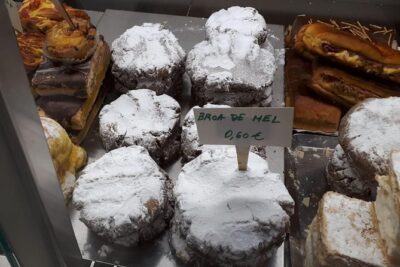
Bread in Portugal is tied to symbolism, rituals, and community—so the museum takes you through the bread cycle from grain to table. You’ll see techniques, tools, and the social meaning of bread, including religious connections. It’s not just “bread history.” It’s a way of understanding how mountain communities survive, share, and celebrate using what they grow and store.
Practical note: the museum admission isn’t included, so budget an extra fee if you want it. Also, since it’s a full hour, it’s best if you enjoy museums and aren’t trying to maximize every viewpoint. If you’re mostly there for snow and outdoors, you can skip it and spend more time outside.
Sabugueiro: Portugal’s highest village and the cheese you shouldn’t skip
Sabugueiro is one of the best stops if your goal is “feel the mountain.” It sits around 1,200 metres above sea level and is officially the highest village in Portugal. The village itself is built around granite houses, local products, and seasonal rhythms shaped by altitude.
Plan on around 30 minutes here. That’s enough time to walk a bit, take in the vibe, and do the most important thing: taste Serra cheese. You’ll also see places like river-beach areas, an ethnographic museum, water mills, and the parish church of Sabugueiro, plus wide views from high points around town.
What’s genuinely useful is that this isn’t only about scenery. Sabugueiro gives you a compact picture of how people live up here: dairy traditions, cured meats, handicrafts, and even the Serra da Estrela Mountain Dog, the historic guardian of flocks and people.
If you’re traveling with someone who gets bored waiting around, this stop usually works because it’s a mix of small sights and food browsing.
Lagoa Comprida and Covão dos Conchos: water, silence, and a hike if you want the engineering
Lagoa Comprida is one of Serra da Estrela’s most emblematic places. It’s a big calm water scene shaped by history: a dam in the 20th century turned a smaller lagoon into a large reservoir. The vibe here is all about silence and high plateaus, with plenty of space to breathe and look out.
This stop is short (about 20 minutes), but it’s timed well. You’ll get a quick reset before the day pushes you toward higher and more viewpoint-heavy areas.
Covão dos Conchos is optional and only done if there’s time and conditions are suitable. Here’s the trade: the most distinctive part is not the lake shape at first glance—it’s the engineering behind it. Covão dos Conchos is basically a tunnel system (around 1.5 km) designed to channel water into Lagoa Comprida, with access involving a hike of about 5 km (10 km round trip).
If you’re fit and want a more active Serra day, it’s a great add-on. If you’re not feeling the hike or weather is sketchy, skip it and keep your energy for Torre and other viewpoints where you’ll get more time.
Torre da Serra Estrela: the highest point in mainland Portugal at 1,993 metres
This is the star viewpoint stop: Torre da Serra da Estrela at 1,993 metres, the highest point in Portugal’s mainland. In winter, it becomes one of Portugal’s most visited spots and hosts Portugal’s only ski resort. Outside winter peak conditions, it’s still all about wide views over plateaus and glacial valleys.
You get about 2 hours here, and that’s enough time to slow down. If snow is present, you may get to see skiing activity and the mountain atmosphere in a way that’s hard to replicate in cities.
What you’ll want to think about: visibility. Clear days are the best days for seeing the Atlantic on the horizon, as the route description notes can happen on especially clear days. If the day is foggy or stormy, you can still enjoy the mountain feel, but don’t expect “perfect postcard” views.
Barragem do Vale do Rossim and Mondeguinho: river beaches and where Portugal’s longest internal river starts
After Torre, the route shifts toward water again.
Barragem do Vale do Rossim is listed as the highest river beach in Portugal at about 1,400 metres above sea level. It’s also linked to transhumance and mountain pastures, which makes it more than a scenic stop. This is one of those places where you understand how people moved animals and lived with the landscape.
Then you’ll reach Mondeguinho, the nascente do rio Mondego. The Mondego River rises in Serra da Estrela at around 1,525 metres and starts its journey across Portugal toward the Atlantic. This is only about a 15-minute stop, but it’s a nice “geography moment” that gives meaning to the water you’re seeing across the day.
These shorter stops work well for people who want quick education without losing time to long hikes.
Cabeça do Velho: pareidolia rock views and a folk legend you can feel
The final viewpoint adds a human touch to the geology: Cabeça do Velho. This rock formation has a profile that resembles a human figure, and the explanation tied to locals’ imagination is pareidolia—your brain seeing a face or figure in shapes.
The result is a folk legend that grew around the formation. I like stops like this because they keep the day from being only about elevation and food. You end with a story you can retell, which makes the whole experience stick.
Food and wine budgeting: what’s included versus what costs extra
At $314.82 per person, you’re paying for a private, comfort-focused transport day plus a tightly arranged route through Serra da Estrela’s best-known highlights. The price includes transport in luxury vehicles, with Wi‑Fi, bottled water, refreshments, and the extra equipment tailored to needs. There’s also personal accident and liability insurance included.
What is not included is where you should budget carefully:
- Lunch: a typical lunch package (starter, main, drink, dessert, coffee) is listed at €40 per person.
- Guided wine visit to Quinta da Bica plus 4 table still wines is also listed at €40 per person.
- Seia Bread Museum admission is €14 per person.
- Traditional cheesemaker tasting to sample the famous Serra da Estrela cheese is €14 per person.
My practical take: if your goal is mainly views and snow fun, you can keep costs down by choosing the core stops only. If you’re a food-first traveler, the added €14 museum and €14 tasting are usually the parts that turn a great day into a memorable one.
One more smart move: if you plan to book the lunch option, ask your driver-guide for timing that protects your best viewpoint time. With a mountain day, the order of meals and stops can make the difference between relaxed and rushed.
Who this tour suits best (and who might want a different plan)
This tour fits best if you want:
- A comfortable mountain day without figuring out trains, buses, or car logistics.
- Snow experiences in winter, with activities like snowshoeing and sledding when conditions allow.
- Real food culture: bread symbolism and Serra cheese craft, not just a single cheese plate.
- A flexible pace that works for families.
It may feel like too much if you hate early starts or if you want a slow, unstructured vacation day. Also, if you don’t want extra paid add-ons, be selective. Covão dos Conchos is optional and involves a hike; the bread museum and cheesemaker tasting each come with additional admission fees.
Should you book this tour?
Yes, if you want a one-day “greatest hits” version of Serra da Estrela that still gives you depth through bread and cheese. The value is strongest when you care about both food and altitude scenery, and when you appreciate a guide who can keep the day organized and calm on winding mountain roads.
I’d especially consider booking if:
- You’re traveling in winter or shoulder season and you want a chance at snow fun.
- You’d rather pay once for transport and planning than spend your day stitching together separate tickets and rides.
- You want a guide-led experience with a driver-guide known for careful driving and attention to the group’s needs (Carlos is repeatedly named in the best feedback).
If you’re mostly after one long hike or one single museum, you might be better off building a simpler half-day plan. But for a full mountain story—views, water, cheese, and winter air—this is a strong bet.
FAQ
How long is the Private Serra da Estrela Gastronomy & Snow Tour from Porto?
It runs about 8 to 10 hours, depending on the day and conditions.
What time does the tour start, and where does it meet in Porto?
It starts at 8:00 am and meets at Praça da Liberdade 19, 4000-322 Porto, Portugal.
Is pickup and drop-off included?
Pickup is offered, and the tour ends back at the meeting point.
Is this tour private?
Yes. It’s a private tour/activity, and only your group participates.
What kind of winter activities are included?
The tour highlights winter sports like snowshoeing, sledding, and snowman making when snow conditions allow.
Which experiences cost extra (admissions and tastings)?
Not included fees listed are: lunch (€40 per person), Quinta da Bica guided wine visit with 4 table still wines (€40 per person), Seia Bread Museum (€14 per person), and a traditional cheesemaker tasting for Serra da Estrela cheese (€14 per person).
What if weather is poor or I need to cancel?
The experience requires good weather. If it’s canceled due to poor weather, you’ll be offered a different date or a full refund. You can cancel for a full refund up to 24 hours in advance.