REVIEW · PORTO
Porto: Live Fado Concert with Glass of Tawny Port Wine
Book on GetYourGuide →Operated by Fado na Baixa · Bookable on GetYourGuide
Fado hits hardest when you understand the story. This one-hour Porto Fado concert uses live singers plus short films and testimonials to explain why fado feels so personal to Portuguese life. I like that it’s staged in a licensed 19th-century venue near the Douro River, so the setting supports the mood, not distracts from it.
Two things I really like: the show’s pairing of tawny port with the music, and the way it moves between Lisbon-style fado and Coimbra Fado (the student tradition) so you hear how the same genre can sound different. One possible drawback: it’s fast. If you want a long, late-night music marathon, this hour may feel a bit short.
In This Review
- Key points to know before you go
- Where You’ll Be: Ribeira Do Porto and a 19th-Century Fado Room
- One Hour, Four Musical Lessons: How the Show Flows
- Lisbon Fado, Portuguese Guitar, and Your Tawny Port Glass
- Coimbra Fado: Student Songs with a Different Tone
- Amália Rodrigues and the Turning Point in Portuguese Fado
- How Fado Stays Alive: Tradition, Change, and Survival
- The Best Part for Non-Portuguese Speakers: Language Support That Actually Helps
- Price and Value: Why This Feels Like More Than a Concert
- Who Should Book This Fado Concert in Porto
- Quick Practical Tips for a Smoother Evening
- Should You Book Fado na Baixa?
- FAQ
- How long is the Fado concert?
- Where does the concert start in Porto?
- What is the price for the ticket?
- What’s included with the ticket besides the music?
- Is there port wine included?
- What languages are offered for the audio guide?
- What languages does the host or greeter speak?
- Is the venue wheelchair accessible?
- Are you able to cancel or pay later?
Key points to know before you go
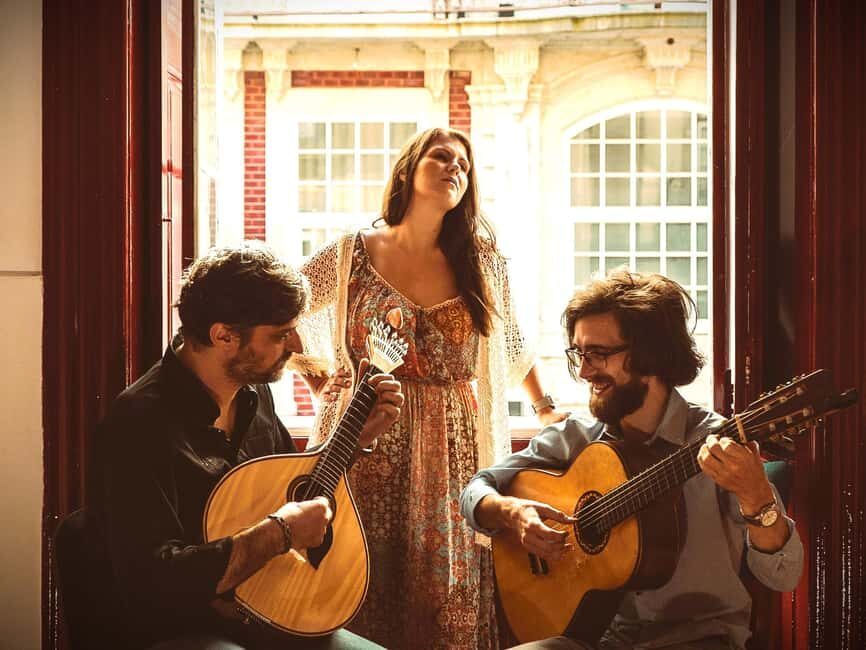
- Four live artists (male and female singers plus top musicians) with a clear story arc across the show
- Short multimedia testimonials in multiple languages to help you follow the meaning of lyrics
- Tawny port included during the performance, so it’s more than background music
- Portuguese guitar spotlight, including differences in Lisbon vs Coimbra techniques
- Coimbra Fado performed by a former Coimbra University student as part of the tradition
Where You’ll Be: Ribeira Do Porto and a 19th-Century Fado Room
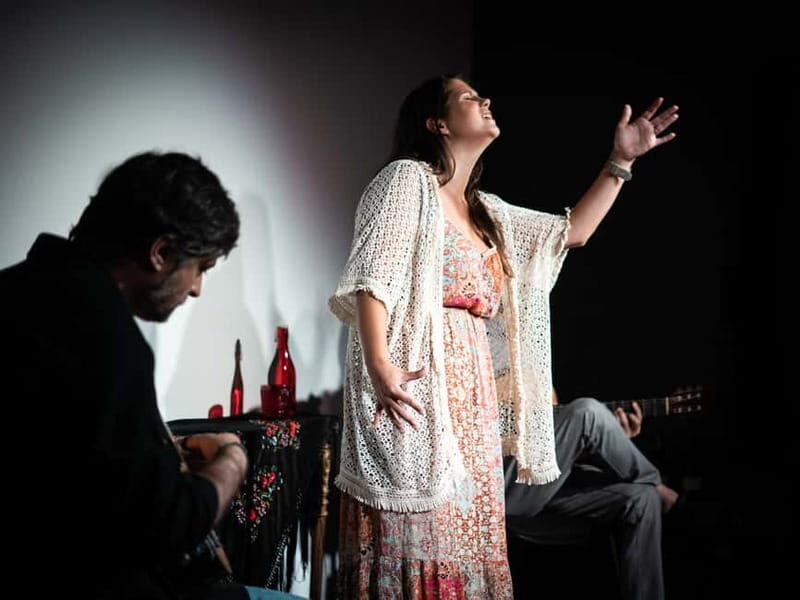
The meeting point is in Ribeira do Porto, in the heart of the city by the river. You’ll head to the Fado na Baixa auditorium, address R. de São João 99, 4050-553 Porto. Because it’s in Ribeira, you can make an easy evening plan: stroll along the river first, then take a seat for fado.
What I like about this venue setup is simple: fado doesn’t need big stage lighting or a modern sound system drama. You’re in a licensed auditorium in a 19th-century building near the Douro, which gives you a more human, close-up feel. That matters because fado is often about tone, silence, and the space between phrases.
Arrive a little early if you can. Not for formality, but so you can settle, scan the room, and get comfortable before the show begins. Once it starts, you’ll want to focus on the lyrics and the spoken explanations in your language.
You can also read our reviews of more wine tours in Porto



One Hour, Four Musical Lessons: How the Show Flows
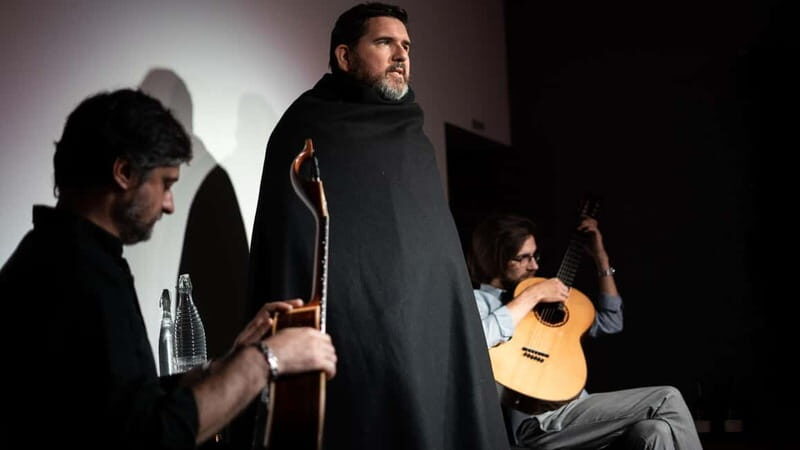
This isn’t only a concert. It’s built like a guided story told through music. The program runs for about one hour, and it moves in segments, each one designed to answer a specific question: what is fado, where did it come from, and how has it changed?
Here’s the general structure you can expect:
- Traditional fado from Lisbon, described as the intense style people often associate with fado’s beginnings
- A closer look at Portuguese guitar and the distinctive playing, timed with your drink
- Coimbra Fado, including the student-centered tradition and a male singer who’s part of that lineage
- A segment centered on Amália Rodrigues, often called the queen of Portuguese fado, and how she transformed the art
- A final wrap-up on how fado survives and thrives through new poetic approaches, fusions, and respect for tradition
Because each segment is staged with multimedia content and testimonials, you’re not left guessing what you’re hearing. It’s still live music—just with enough context to make the emotion land faster.
Lisbon Fado, Portuguese Guitar, and Your Tawny Port Glass
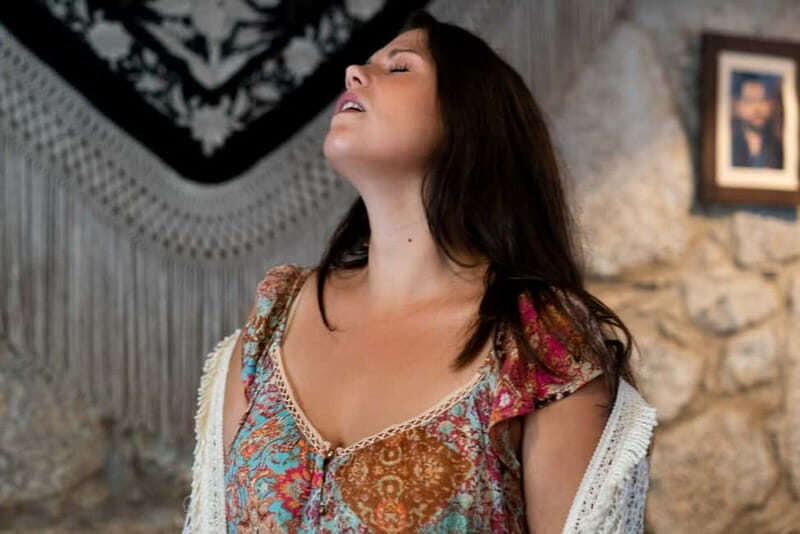
The show opens with traditional Lisbon fado, the style that tends to feel most direct and intense. If you’re new to fado, this is the part that usually makes the genre click: you hear the vocals and phrasing, then you get explanation for what those lines mean to Portuguese listeners.
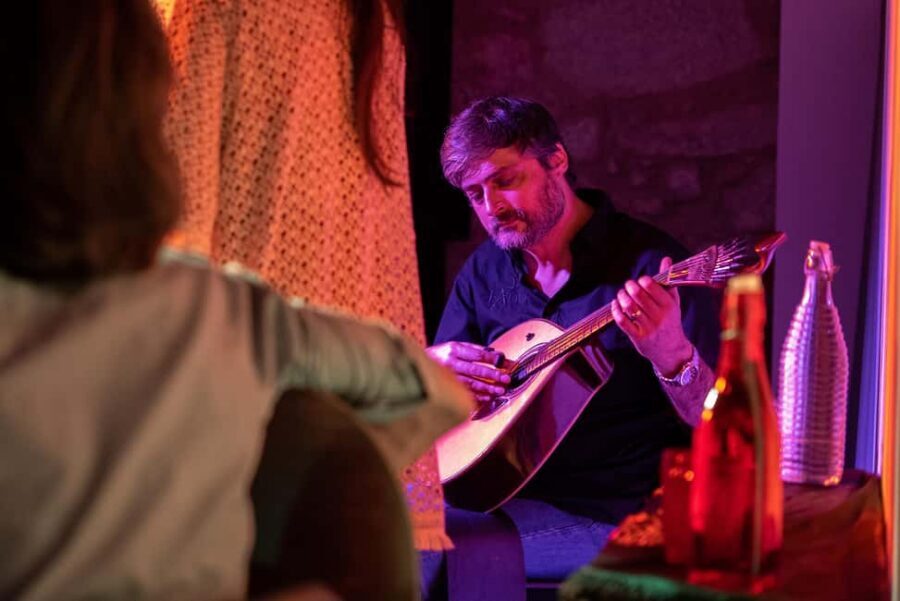
Then comes the Portuguese guitar moment. This instrument is central to fado’s sound, and here it’s treated like a featured character. You’ll hear the nuances of technique, and you’ll also get a taste of how Lisbon and Coimbra approaches can differ.
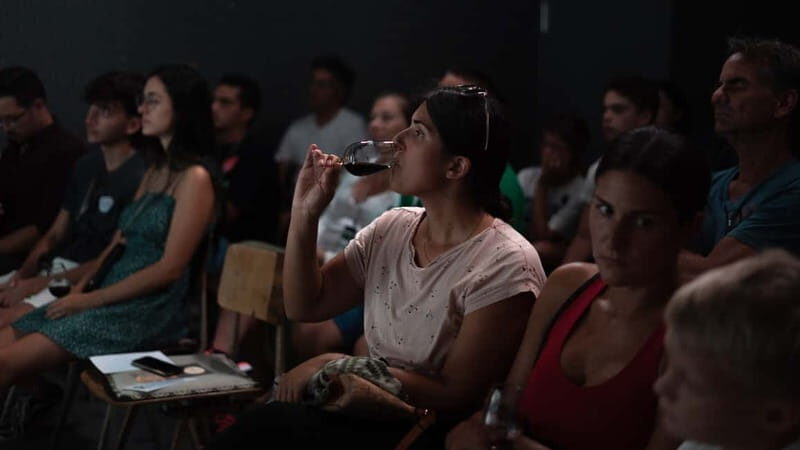
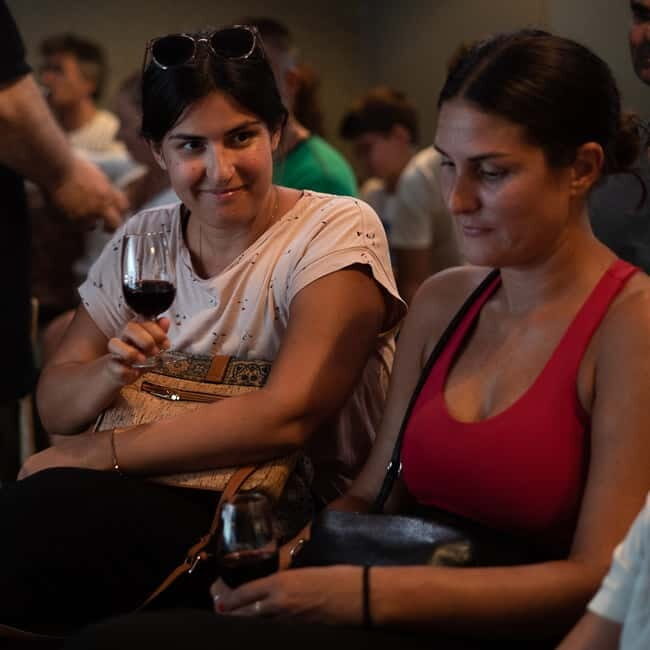
The drink pairing is the easy, smart touch. You’re served a glass of tawny port during the performance, and it’s timed to the segments so it feels like part of the experience, not an add-on. Tawny port has that warm, slightly nutty sweetness that matches fado’s slow pull—especially when singers hold a note and the room gets quiet.
If you’re the type who likes to understand what you’re tasting, pay attention when the show connects wine culture and storytelling. It’s not about becoming a wine expert. It’s about linking senses to meaning.
Coimbra Fado: Student Songs with a Different Tone
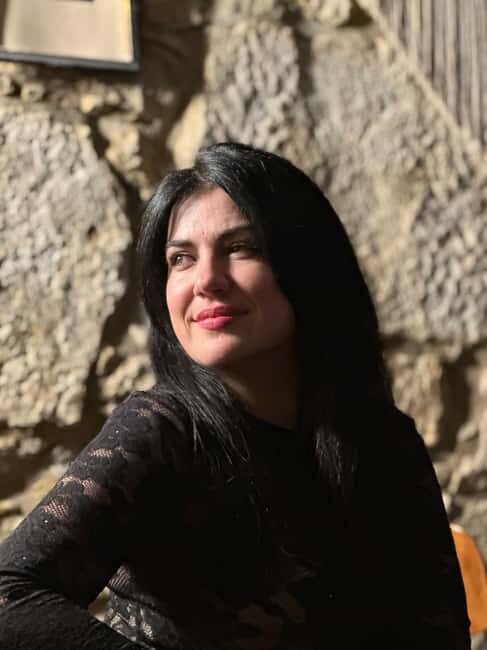
Next you’ll move to Coimbra Fado, which the show frames as completely unique to Portuguese people and sung live by a male singer who’s a former student at Coimbra University (so the tradition isn’t just performed; it’s represented). Coimbra fado often has a different emotional angle than Lisbon fado, even when you recognize the same core fado soul.
What to listen for here:
- The vocal delivery and how it frames the lyrics
- How the Portuguese guitar supports that voice with a distinct rhythm
- The overall feel—less about the iconic Lisbon intensity and more about the student-world perspective
This is also where you’ll appreciate the value of the language support. The program uses hand-picked personal testimonials and multimedia segments in different languages, so you’re more likely to catch the theme behind each song rather than just enjoying the sound.
If you like authenticity, this segment is where it shows. A former Coimbra student singing the tradition gives it extra weight, because it connects music to real life, not only stage polish.
Amália Rodrigues and the Turning Point in Portuguese Fado
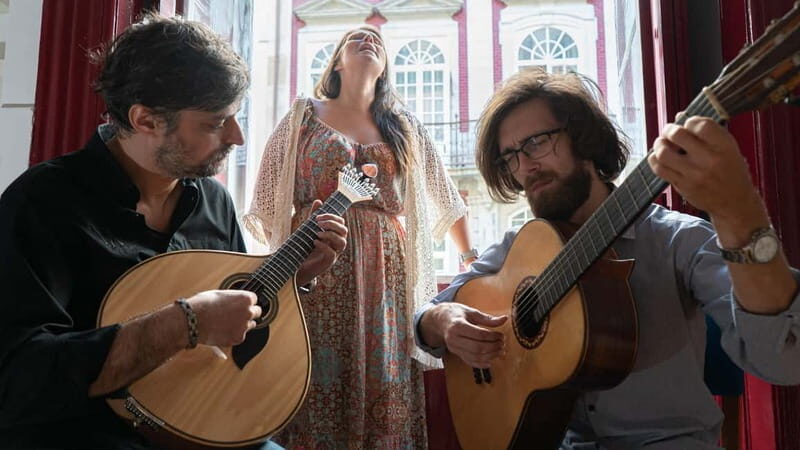
After the Coimbra section, the show pivots toward Amália Rodrigues—the “queen” figure in Portuguese fado. The program highlights how she transformed traditional fado and brought it unprecedented recognition. Even if you only know one famous name from Portuguese music, this part gives you a clear reason why that name matters.
Why this segment is useful: it helps you stop thinking of fado as a fixed museum piece. Instead, you see it as something that adapts when artists push it forward while still respecting the roots.
This is also the segment where the multimedia makes more sense. The films and explanations aren’t just background; they help you place the songs inside a timeline and connect performance choices to changes in Portuguese society and culture.
You can also read our reviews of more tours and experiences in Porto
How Fado Stays Alive: Tradition, Change, and Survival
The final movement of the show is about continuity. The program explains how fado survives and thrives through the years by exploring different poetics, fusions with other musical genres, and honoring tradition.
This matters because many visitors think fado is only a single style from a single era. Here you’ll learn that it’s more flexible than that. The same emotional core can show up in different musical clothing—depending on the time period, the artist, and the audience.
I also like that the show ends with this idea of living art. It’s a gentle reminder that you’re not just buying tickets for a performance. You’re witnessing a cultural practice that’s still used and still evolving.
The Best Part for Non-Portuguese Speakers: Language Support That Actually Helps
One of the best features here is the use of testimonials in your own language. The show targets meaning, not just melodies. If you don’t speak Portuguese fluently, you won’t be left staring at lyrics you can’t interpret.
The audio guide is included, and it covers English, French, Spanish, and Portuguese. That means you can follow the story even if you’re focused on the stage and not reading subtitles. The host/greeter also speaks Portuguese, Spanish, English, and French, so you can get help if anything feels confusing.
From the vibe of the format, the multimedia is designed to complement the live performance rather than take over it. It’s there to set context fast, then let the singers do the real work.
Small note: if you’re sensitive to strong lighting or screen changes, keep your expectations steady. This is still a live fado show first, supported by short visuals and spoken context.
Price and Value: Why This Feels Like More Than a Concert
At $19 per person, you’re paying for a one-hour live show plus more extras than you’d expect for a typical music-only ticket.
What’s included:
- Ticket for the live performance and multimedia content
- A glass of port (tawny)
- Audio guide in multiple languages
That combination is the value play. You’re not only listening; you’re learning what you’re listening to. The port gives it a local flavor touch, and the audio guide/testimonials help you connect with the emotion without needing prior fado knowledge.
Is it the cheapest fado option in Porto? Probably not. But it’s a strong choice if you want an evening that feels organized, understandable, and culturally grounded in a real venue.
Who Should Book This Fado Concert in Porto
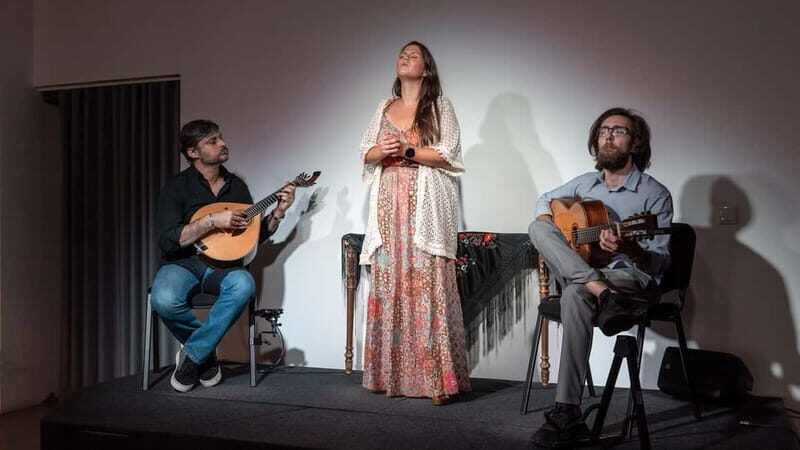
This experience fits best if you:
- Want an introduction to fado that doesn’t require Portuguese language skills
- Enjoy a mix of music + short storytelling
- Like the idea of hearing both Lisbon and Coimbra fado approaches in one show
- Are on a couple’s night, solo night, or family-friendly cultural stop (the show is only one hour)
It’s also a good match for music-minded travelers who notice musicianship. The Portuguese guitar playing gets spotlight time, and you may even recognize named performers in the program. In particular, Mário Henriques is mentioned in connection with Portuguese guitar quality, and Rato is also referenced as another strong guitarist—useful if you enjoy putting names to sounds.
Quick Practical Tips for a Smoother Evening
- Plan for about an hour. Treat it like your main cultural moment, not a quick stop squeezed between other long activities.
- If you’re sensitive to sound, sit so you can see the singers clearly. In intimate venues, your exact seat can affect how you experience the vocal details.
- Have one calm goal: follow the story. Let the music do the rest. Fado can be emotionally heavy, and that’s the point.
- Keep your phone away once the show begins. The best moments are often in the quiet spaces between lines.
And yes, sip your tawny port steadily. It’s easiest to enjoy when you’re not trying to juggle it with intense listening.
Should You Book Fado na Baixa?
If you want fado with context, book it. This show is built for understanding: multimedia history, testimonials in your language, and a clear structure that moves from Lisbon to Coimbra to Amália Rodrigues and beyond. The tawny port inclusion is a nice local pairing that makes the evening feel warm and complete.
Skip it only if you’re looking for a long late-night concert where the entire night is music without explanation. This is one hour, story-first, with live performance throughout.
If you’re spending time in Porto’s Ribeira and want one “this is Portugal” evening that you can actually follow, Fado na Baixa is a smart choice.
FAQ
How long is the Fado concert?
The performance duration is about 1 hour. Starting times depend on availability.
Where does the concert start in Porto?
Meet at the Fado na Baixa auditorium in the heart of Ribeira do Porto, at R. de São João 99, 4050-553 Porto.
What is the price for the ticket?
The price is listed as $19 per person.
What’s included with the ticket besides the music?
Your ticket includes the live performance and multimedia content, plus an audio guide.
Is there port wine included?
Yes. You get a glass of tawny port wine included with the experience.
What languages are offered for the audio guide?
The audio guide is available in English, French, Spanish, and Portuguese.
What languages does the host or greeter speak?
The host/greeter speaks Portuguese, Spanish, English, and French.
Is the venue wheelchair accessible?
Yes, the venue is wheelchair accessible.
Are you able to cancel or pay later?
The experience offers free cancellation up to 24 hours in advance for a full refund, and it also offers reserve now & pay later (pay nothing today).