REVIEW · COOKING CLASSES
Porto: Pastel de Nata Cooking Class with Grandma’s Recipe
Book on GetYourGuide →Bookable on GetYourGuide
Pastry tastes better when you make it yourself. This pastel de nata cooking class happens in the cozy kitchen of a local home, where you learn the steps behind Portugal’s famous custard tart and then eat the results right away. You’ll work in a calm space with plenty of natural light, and the host shares the story of the pastry through family connections and the recipe handed down from her grandmother.
What I like most is the truly hands-on feel, including following a grandma’s recipe and taking part in the process in turns. I also love how it ends at the table with drinks and the freshest batch of tarts, so the class doesn’t feel like you’re just watching.
One thing to consider: this is about 10 minutes by car from Porto city center, and it’s hosted in a home setup that isn’t suitable for wheelchair users. Plan for a short ride and make sure the location works for your mobility needs.
In This Review
- Key Things to Know Before You Go
- A Grandma Recipe in a Porto Home Kitchen
- Welcome, Stories, and the Pastel de Nata Basics
- Hands-On Baking: Dough, Custard, and Assembly in Turns
- Oven Time and the First Bite: Fresh From the Heat
- The Sit-Down Finish With Coffee, Tea, and Orange Juice
- Why the Price Feels Fair at About $33 for 2 Hours
- Getting There: Bolt, Bus 800/801, or Metro to Fânzeres
- Who Should Book This Class (and Who Might Prefer Something Else)
- Should You Book This Pastel de Nata Cooking Class in Porto?
- FAQ
- How long is the pastel de nata cooking class?
- How many people are in the group?
- What is included in the price?
- What language is the class taught in?
- Where is the meeting point, and what should I do when I arrive?
- How do I get there from Porto using public transport?
- Is it wheelchair accessible, and can I cancel if my plans change?
Key Things to Know Before You Go
- Small group up to 10 people keeps it interactive, not a lecture.
- English-speaking host makes the technique easy to follow.
- Grandma’s recipe focus helps you understand the why, not just the what.
- From-scratch cooking means you’re hands-on, from ingredients to assembled tarts.
- Sit-down finish with drinks turns baking into an actual shared meal.
A Grandma Recipe in a Porto Home Kitchen
This class is built around the idea that food is more than instructions. You’re not just learning how to make tarts. You’re learning how someone’s family learned to make them, and why their method works.
The setting matters. It’s in a local home kitchen, not a warehouse studio. You can feel the slower pace that comes with cooking in a real apartment space: fewer distractions, more attention from the host, and a calmer rhythm while you roll up your sleeves. That home environment also helps if you’re a beginner. You’re surrounded by people who are there for the same reason: to learn, not to perform.
You’ll also get context beyond ingredients. The host introduces herself, shares family roots, and explains the connection between the pastry and Portugal’s culinary culture. That background might sound like “extra.” In practice, it makes the recipe feel personal, and it helps you remember steps later when you try again at home.
Welcome, Stories, and the Pastel de Nata Basics
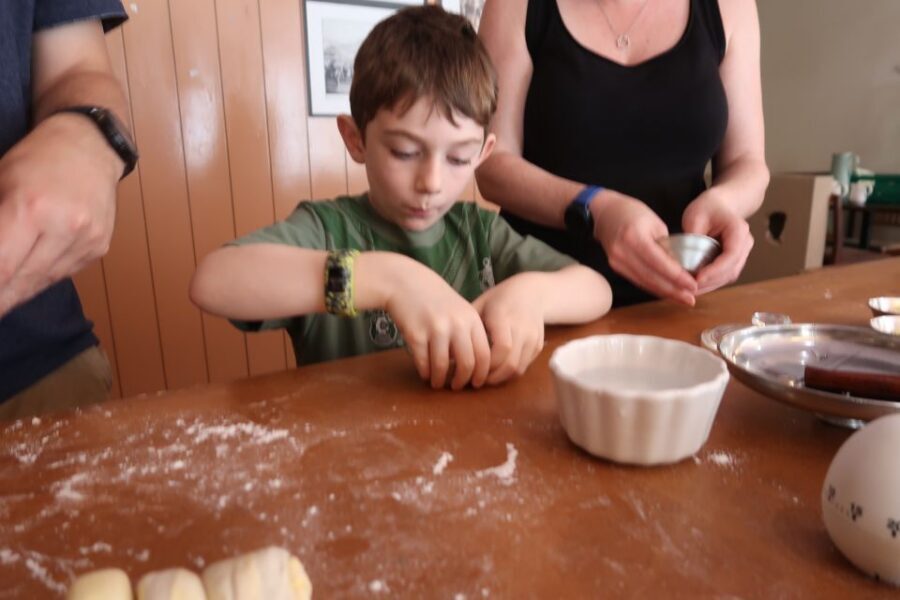
Before anyone touches dough, you’ll get a proper welcome. The host waits inside her home, then guides you into the kitchen and introduces the experience. Expect an English explanation of what you’ll make and how the session will flow.
This part is useful because pastel de nata has a few “fiddly” moments. Custard can go from silky to messy fast if you rush. Pastry needs the right handling and assembly rhythm. Starting with clear orientation prevents that classic cooking-class feeling where you’re busy but not confident.
Also, don’t underestimate the story component. Pastel de nata isn’t just a dessert. It’s a slice of Portuguese identity. Learning its roots from a family recipe makes it more meaningful than picking up a quick baking hack. And from the reviews, the host’s warmth comes through strongly, especially the way she makes people feel like part of the group rather than customers passing through.
If you’re cooking with others and you like talking during activities, this is a good match. You’ll have time to connect, and the host is there to keep the mood friendly while teaching technique.
Hands-On Baking: Dough, Custard, and Assembly in Turns
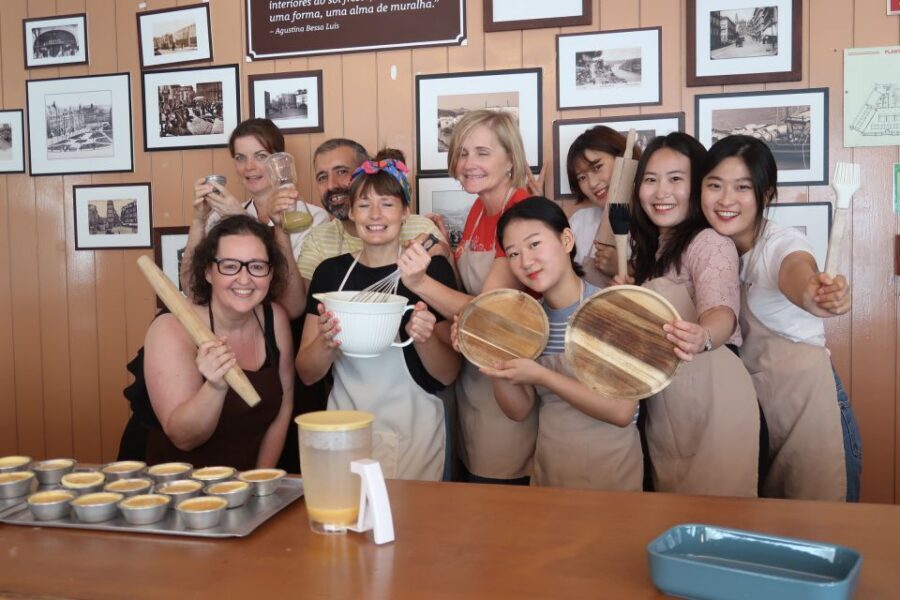
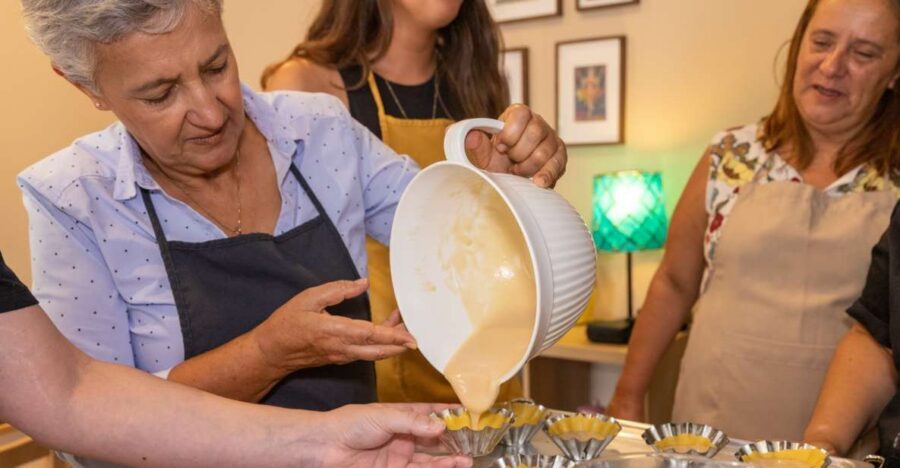
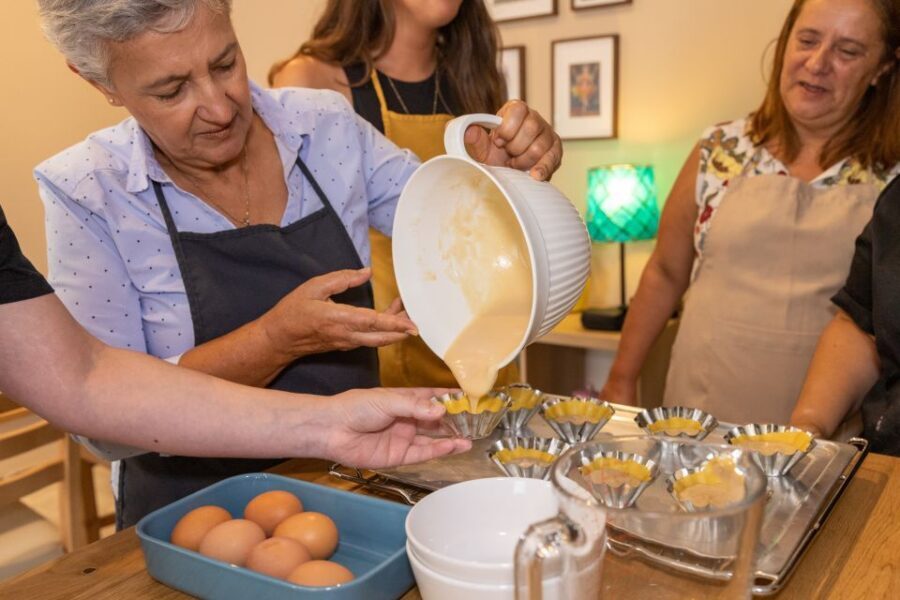
The core of the class is practical. You bake pasteis de nata using a grandma’s recipe, with everyone contributing. The experience is designed for a small group of up to 10, and the host runs it so you’re not stuck waiting your turn.
Here’s what you should expect during the cooking work:
- You’ll follow the recipe step-by-step in a calm kitchen setting.
- You’ll take part by rotating through tasks, so multiple people help rather than one person doing everything.
- You’ll learn fun facts along the way, which helps the process stick in your brain.
- You’ll work toward a finished tart that’s ready for baking.
One detail that many people appreciate is that the class isn’t only about the filling or only about the final assembly. Reviews highlight that you may learn key pastry handling and dough work too, not just custard. That’s a big deal for value. Many “tasting” classes teach one part and keep the rest as pre-made. Here, the focus is on actually making things with your hands.
You’ll also benefit from the host’s patience. When you’re learning pastry, timing and texture matter more than bravado. A patient instructor helps you adjust without stress, which is especially helpful if you haven’t baked before—or if you’ve baked before and still know pastry can be unforgiving.
The end result of this hands-on approach is confidence. Several people specifically note that they want to repeat the recipe at home. That’s the real goal: you walk away with skills you can use again, not just a souvenir tart.
Oven Time and the First Bite: Fresh From the Heat
Once you assemble your pasteis de nata, the baking stage is where the transformation happens. The highlights promise warm, flaky, creamy custard tarts straight from the oven, and that’s exactly the payoff you should be aiming for.
Expect the kitchen to be busy but organized. The class structure is built around keeping everyone involved and moving together. That matters because custard and pastry can’t wait forever. If the session ran like a free-for-all, you’d end up with uneven results and frustration. Instead, the host keeps the flow steady so your tarts bake into that classic contrast: crisp pastry edges and soft, creamy custard center.
Also, the “fresh from the oven” part is more than marketing. When you eat right after baking, you taste the pastry at its best: the aroma hits first, then the texture, then the creamy custard. If you’ve only had pastel de nata hours later from a counter, you’ll notice the difference immediately.
The Sit-Down Finish With Coffee, Tea, and Orange Juice
The class doesn’t end when the oven door closes. It ends at the table, where everyone gathers to eat what they made.
Included drinks are non-alcoholic and typically include coffee, tea, and orange juice. This is the part I think you should plan around mentally: you’ll be mixing, assembling, and handling dough for a couple hours. Sitting down afterward turns the experience into a real break, not just a work session with a snack at the end.
This shared meal also helps you compare notes with the group. You’ll see how different people handled assembly and pouring, and you’ll taste those differences. It’s a friendly way to learn without anyone turning it into a competition.
One review mentions a taste of port as an extra touch. Even if you don’t get that specific detail, the core finish is the same: you sit together, drink, and enjoy the freshest batch of homemade pastel de nata you made during the class.
Why the Price Feels Fair at About $33 for 2 Hours
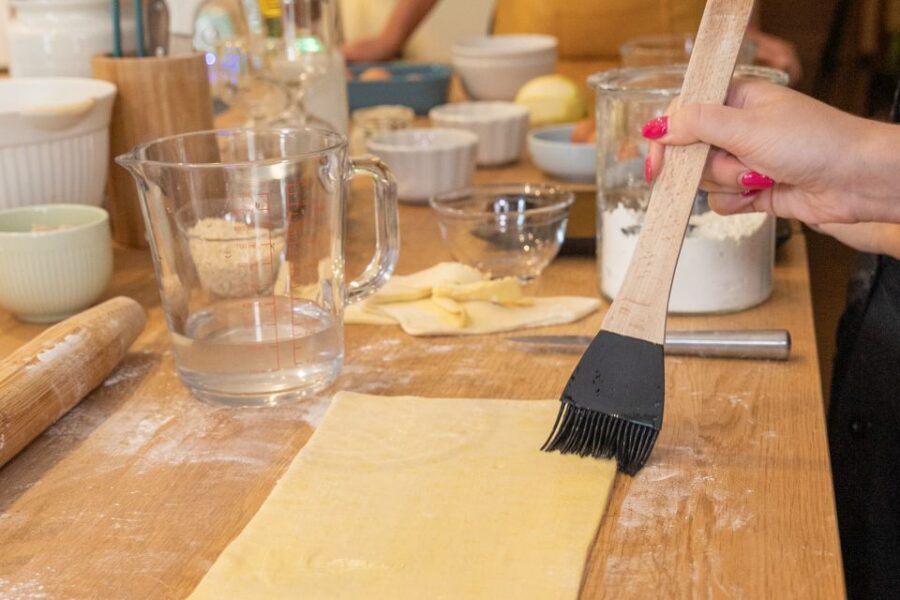
At around $33 per person for a 2-hour session, this can be a strong value compared with pastry experiences that mostly involve tasting. Here, the cost covers:
- Ingredients and cooking utensils
- Guided cooking class
- Drinks (non-alcoholic)
- Pastries you make during the session
That’s important because you’re not paying only for the food. You’re paying for instruction, access to a working home kitchen, and time with a host who teaches with patience. Small-group size matters here too. With a limited group (up to 10), the host can actually check what you’re doing. That makes the lesson more useful and increases your odds of getting a tart you’ll be proud to repeat later.
Also, this is a great option if you want something different from Porto’s standard food stops. You’ll get a hands-on souvenir skill plus a very edible reward. Two hours goes quickly when you’re actively baking and then sitting down to eat.
Getting There: Bolt, Bus 800/801, or Metro to Fânzeres
Location is the only “practical downside” to plan for. Your host’s home is about 10 minutes by car from Porto city center, and transportation isn’t included.
If you want the easiest approach:
- Use Bolt or Uber for a quick ride. For groups of more than two people, this is often the cheapest and fastest option.
- If you have your own car, look for free street parking.
If you prefer public transport:
- From Bolhão: take bus 800 or 801. It stops across the street from the house, about a 20-minute ride. You can only buy the ticket inside the bus with coins.
- From Trindade station: take the Orange Metro Line to Fânzeres. It’s a direct 30-minute ride, then about a 10-minute walk (700 meters) to the home.
Meeting instructions matter. When you arrive at the address, ring the doorbell labeled 2 Andar. The host waits inside the home, so don’t wander up and down trying to guess which apartment is yours.
A small heads-up: the class isn’t designed for wheelchair users, and the meeting setup suggests a home apartment building layout. If stairs are a concern for you, plan your approach carefully before booking.
Who Should Book This Class (and Who Might Prefer Something Else)
This class fits best if you want:
- A small-group cooking experience where you actually participate
- A Portuguese food activity with a personal, family-recipe angle
- A calm setting in an actual home kitchen
- A clear path to repeat the recipe at home later
It’s also ideal for mixed cooking experience levels. The format is interactive, and the host guides people step-by-step. Reviews mention that the host creates a relaxing environment, keeps hygiene in check, and makes sure everyone has a role.
Who might consider something else?
- If you need wheelchair accessibility, this one isn’t suitable.
- If you hate short rides outside the city center, you might find the location slightly inconvenient. You’re not in the heart of central Porto, so add transit time to your plans.
If you’re traveling solo, you’re not “alone stuck with a camera.” Small-group baking tends to make people talk. And if you’re traveling with friends, you’ll get the fun of working in turns and then celebrating the results together.
Should You Book This Pastel de Nata Cooking Class in Porto?
I’d book it if you want more than a pastry snack. This is a hands-on class built around a family recipe, with clear instruction, a small group, and a sit-down finish with coffee/tea/orange juice. The best part is what you take home: not just how it tastes, but the confidence to make pastel de nata again.
Book it soon if your schedule has room for a two-hour activity, especially on a day when you’d rather do something hands-on than walk through more crowded spots. And if you’re flexible about getting to a home outside the center, you’ll find the value stacks up fast.
FAQ
How long is the pastel de nata cooking class?
The class lasts about 2 hours.
How many people are in the group?
It’s a small group limited to 10 participants.
What is included in the price?
The price includes ingredients and cooking utensils, a guided cooking class, non-alcoholic drinks, and the pastries you prepare.
What language is the class taught in?
The host or greeter provides the experience in English.
Where is the meeting point, and what should I do when I arrive?
The class is in the host’s home. The host is waiting inside, and you should ring the doorbell with the writing 2 Andar.
How do I get there from Porto using public transport?
From Bolhão, bus 800 or 801 stops across the street from the house. From Trindade Station, take the Orange Metro Line to Fânzeres, then walk about 700 meters (around 10 minutes).
Is it wheelchair accessible, and can I cancel if my plans change?
It is not suitable for wheelchair users. You also get free cancellation up to 24 hours in advance for a full refund, and you can reserve with pay later.