REVIEW · CRUISES & BOAT TOURS
Porto Douro River Cruise With Port Wine – Daytime or Sunset
Book on Viator →Bookable on Viator
Two hours, and Porto feels brand new. This guided sailing cruise lets you see the Douro from the water, with commentary as you pass famous bridges, churches, and old trading areas. You’ll enjoy a glass of port while the Douro Estuary unfolds around you.
I especially like two things. First, the port wine moment is built into the ride, not tacked on later. Second, the crew tends to make the views make sense, from Wine Caves and Rabelo boats to the big landmarks across Porto and Vila Nova de Gaia.
One possible drawback: you’re tied to the conditions. This is a good-weather experience, and if you’re chasing sunset drama, clouds can quietly steal that golden payoff.
In This Review
- Key things I’d mark on your mental map
- Why the Douro Cruise Beats Another Hour of Hills
- Starting at Marina da Afurada: Your Best Move Before Boarding
- The 2-Hour Route: From Gaia’s Edge Toward Porto Views
- Gaia Quay and the Port Wine Story You Can Actually See
- Porto Landmarks From the Water: Clerigos, Ribeira, and the Bridge Line
- Nature Time at the Douro Estuary: Wildlife Without a Long Hike
- Douro Marina and Afurada: The River’s Working Side
- Daytime vs Sunset: Pick Based on Comfort, Not Hype
- Crew and Pace: Friendly Hosts, Better Storytelling, and Q&A
- Port Wine on Board: A Small Inclusion With Real Effect
- Who Should Book This Cruise (and Who Might Skip It)
- Price and Value: What $54.42 Really Buys You
- Should You Book This Douro River Cruise With Port Wine?
- FAQ
- How long is the Porto Douro River cruise?
- Where do I meet the tour, and how do I check in?
- What’s included in the price?
- Can I bring my own food or drinks on the boat?
- What happens if the weather is bad?
- How big is the group, and can I choose where I sit?
Key things I’d mark on your mental map
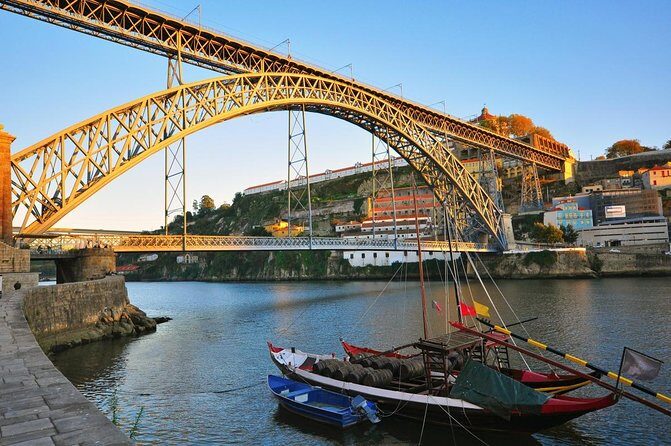
- Porto’s icons from the water: you get a different angle on Clerigos, Ribeira, and the bridge crossings
- Port wine included: one glass that fits naturally into the tour flow
- A true estuary focus: the route includes the Reserva Natural Estuario do Douro, known for birdlife in the migratory corridor
- Gaia’s cellar-country context: you’ll learn the Rabelo boat-and-cellar story as you cruise the waterfront
- Expect a small-comfort vibe: seating is random, boats cap at 58 total, and the crew works to keep everyone comfortable
Why the Douro Cruise Beats Another Hour of Hills
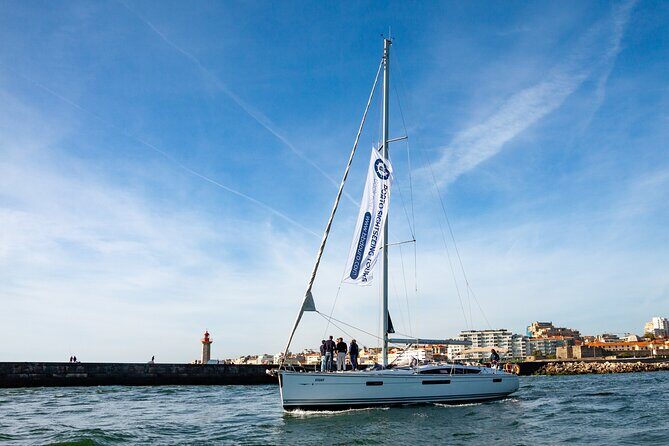
Porto has a talent for tiring you out fast. Steep streets, staircases, and long walks between viewpoints are part of the charm, but sometimes you want a reset. This cruise gives you that reset without sacrificing what you came for: iconic sights.
What makes it work is the change of perspective. From a boat, you see the river as the city’s organizing line. Bridges don’t feel like obstacles; they feel like routes. Churches look less like background and more like landmarks with purpose. And because you’re moving, the views keep “updating,” instead of you standing in one spot and hoping the light changes.
I also like that the experience is practical. It’s only about 2 hours, so you can fit it between sightseeing blocks. And with Wi-Fi on board and a complimentary glass of port, it’s not just scenic sightseeing. It’s a comfortable couple of hours with a simple highlight built in.
Starting at Marina da Afurada: Your Best Move Before Boarding
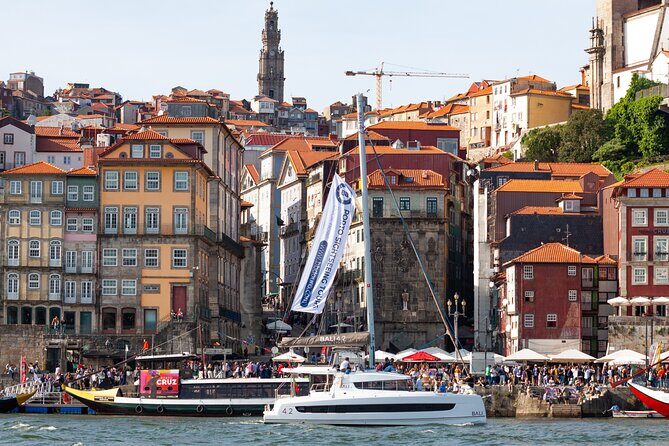
The meeting point is Marina da Afurada (R. da Praia 430, 4400-554 Vila Nova de Gaia). You’ll be back at the same spot at the end, so you’re not stuck figuring out how to reconnect to your hotel or cruise shuttle later.
Here’s the on-the-ground tip that can save you stress: when you arrive at Douro Marina, wait at the pier D gate. Look for a skipper with BBDouro gear to do check-in and guide you to the boat. One review note warned that some ticket details don’t clearly show pier D, so don’t guess—find the staff.
A couple of other practical things matter:
- Your group order is random, and you can’t request a specific order or split from the group.
- This is a shared tour, so the crew won’t let you bring outside food or drinks on board.
If you’re the type who gets motion sickness, plan smart. The tour is smooth enough for many people, but boat types can vary. If you know you react, consider taking your usual prevention before you arrive, and choose a time when you’re not rushed or exhausted.
The 2-Hour Route: From Gaia’s Edge Toward Porto Views
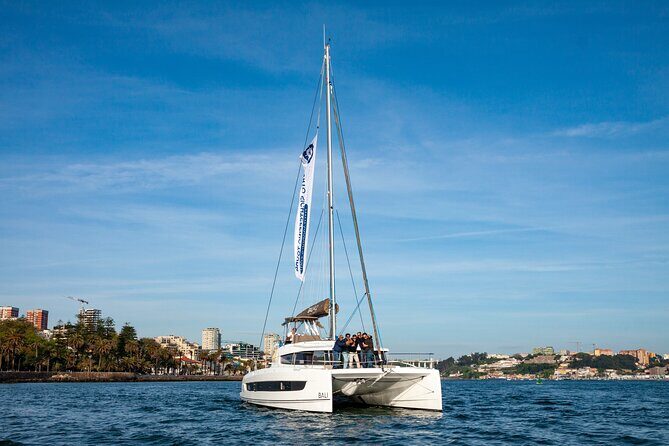
This cruise is designed as a loop through Porto and Gaia’s river-facing landmarks. In plain terms: you depart from the Gaia side, head toward Porto’s waterfront sights, and then return downriver. For sunset departures, the timing often includes time closer to the Atlantic so the ride can end with a view shift over the water.
The itinerary is packed with named places, but you should think of them as things you see and learn about from the boat, not stops where you run off and buy tickets. You’ll get context for famous zones like the wine areas around Vila Nova de Gaia and the heritage areas near Porto’s old center.
One detail I’d watch for is boat motion and seating comfort. The tour runs with a maximum of 58 people, and distribution is random. That means you might love your seat position—or you might want to be ready to move toward the best viewing area once you’re on board (if permitted by the crew).
Gaia Quay and the Port Wine Story You Can Actually See
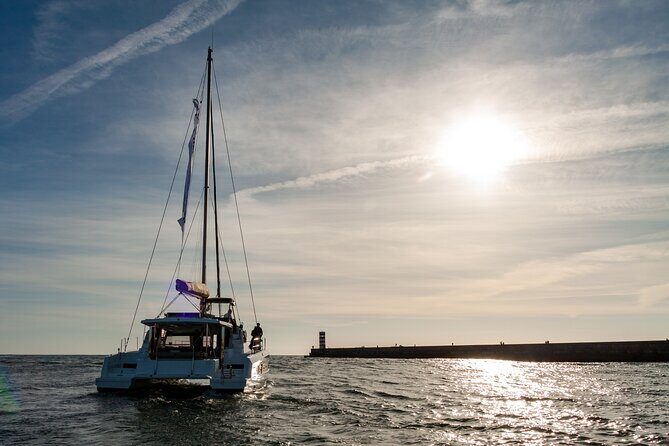
If you want to understand port wine beyond the bottle, this is a strong way to do it. From the boat, you’ll cruise the Cais de Gaia waterfront where the river port has mattered for centuries. It’s one of those places that explains itself once you see the flow of water, cargo, and aging cellars along the quay.
The story centers on Rabelo boats—the traditional vessels that carried barrels from the Douro wine region down to Gaia. Since roads and railways weren’t the main option, river transport was everything. You’ll hear how tricky navigation could be when the river was treacherous, and how experienced sailing was part of protecting the “precious cargo.”
Why this part is valuable for you: the wine history stops being a list of dates. It becomes a real logistics system. You can almost picture the barrels moving, anchoring, and then disappearing into the cellars for aging.
And since this quay is home to a dense cluster of port houses—about 30 cellars—you’ll also see why Gaia became the place visitors want to tour. Even though this cruise isn’t a cellar tour, the boat narration gives you the framework, so if you do a cellar visit later, you’ll know what you’re looking for.
Porto Landmarks From the Water: Clerigos, Ribeira, and the Bridge Line
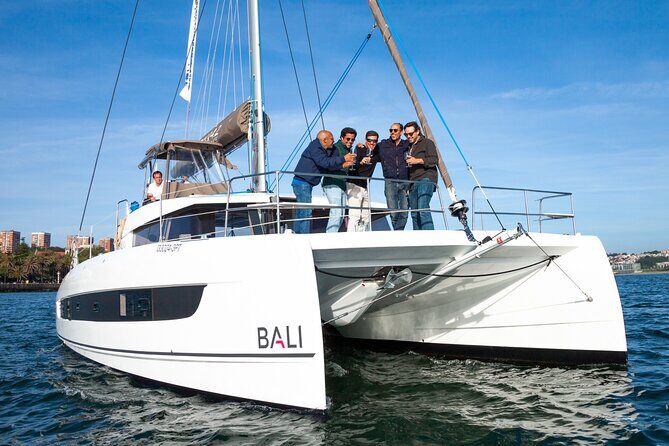
From the river, Porto’s skyline changes shape. The buildings aren’t just pretty; they’re positioned to connect trade, worship, and movement along the water.
A few sights you’ll get context for while you glide past:
- Torre dos Clérigos: a tall bell tower completed in 1763, associated with guidance for boats as well as military and strategic uses. The narration ties the tower to the city’s river relationship.
- Praca da Ribeira: Porto’s old riverside square with medieval roots in the UNESCO Historical Center. You’ll learn how the area has always been a “people and commerce” zone because it sits right at the river’s edge.
- Dom Luís I Bridge: the metal bridge connecting Porto to Vila Nova de Gaia, completed in 1888. It’s one of the most recognizable bridge forms in the country, and from the water you see the structure in a way that photos can’t match.
You’ll also hear about other crossings and how they responded to traffic growth over time, including the Arrábida Bridge (inaugurated in 1963) with its reinforced concrete arch design. That bridge detail matters because it connects Porto’s growth to the river’s constraints.
One more “I love this” reason: seeing the city from water helps you understand what’s where, fast. If you’re short on time and your feet are already mad at you, this cruise gives you visual orientation for the rest of your Porto days.
Nature Time at the Douro Estuary: Wildlife Without a Long Hike
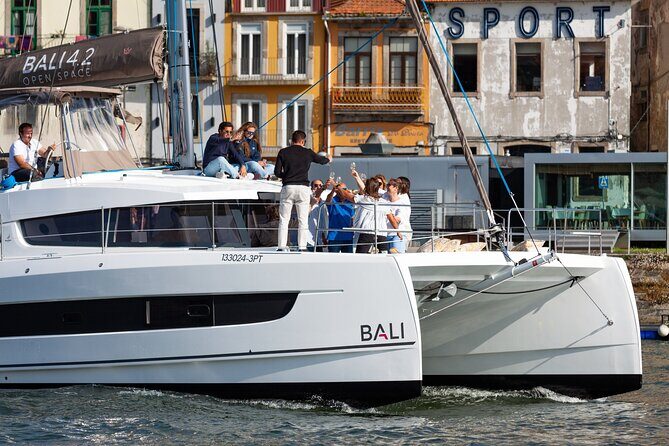
This is the part many people underestimate. The Reserva Natural do Estuário do Douro covers 66.35 hectares around the river mouth area near Afurada and includes zones like Cabedelo and São Paio Bay.
What you’ll take away is the birdlife focus. The reserve sits in a migratory corridor called the East Atlantic Route, meaning birds move through and around the area. From the boat, you’re not doing a nature tour by foot—you’re watching the estuary as part of the ride.
Why this matters to your itinerary: you’ll get variety. Porto’s architecture is dense and dramatic. The estuary adds breathing room and scale, and it’s a reminder the river isn’t just a backdrop—it’s a living system.
Douro Marina and Afurada: The River’s Working Side
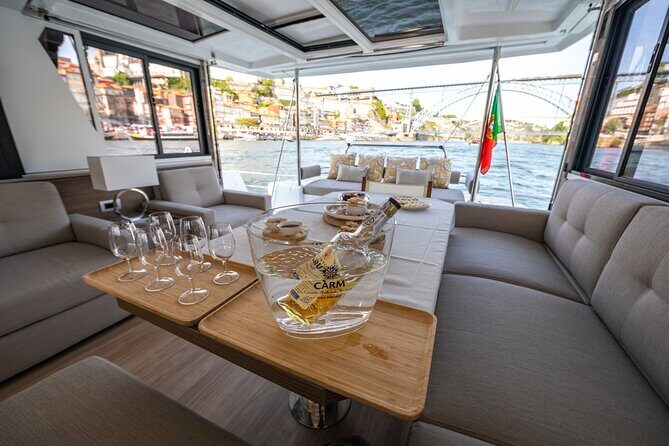
Not everything on the water is postcard material. You’ll also pass by the areas where boating and river life are practical.
Douro Marina opened to the public in February 2012, and it’s a modern dock with real capacity—built to accommodate up to 300 vessels (up to 20 meters). You’ll get a sense of why this place is more than a dock for tourists. There’s also repair and maintenance space, shops, restaurants, and water-sports related businesses.
Then there’s Afurada, a fishing area right on the edge of the Douro near its mouth. It’s a small community—about 6,500 inhabitants—and its early economy was tied to fishing. Even if you don’t go inland, the narration helps you see that the Gaia side isn’t only port wine. It’s also working waterfront life.
If you like travel that feels grounded—less theme park, more real geography—this section adds that texture.
Daytime vs Sunset: Pick Based on Comfort, Not Hype
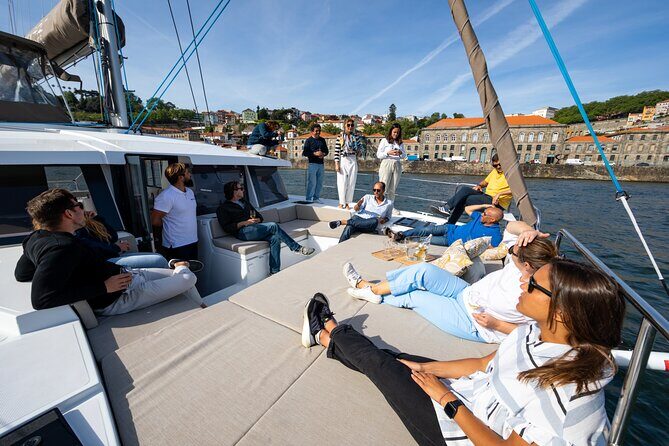
Daytime cruises are great if you want maximum sightseeing without the cold factor. Sunset cruises are great if you want the sky shift and the mood.
Here’s the honest part: sunset depends on weather. One ride example had overcast skies that blocked the sunset payoff. So if you’re booking for the “perfect orange sky” scenario, know that clouds can happen in late season or shoulder months.
Also, plan for temperature changes. One note from an October sunset ride said it got chilly after the sun dropped. The crew offered blankets, but you’ll still feel the cooling on open water, so bring a sweater you’ll actually wear.
One more expectation check: some sailboats don’t raise sails depending on wind. On calm or timed-out conditions, you may motor, and it can still feel peaceful if the crew runs the boat quietly. You’ll just want to be flexible about the mechanics of sailing.
Crew and Pace: Friendly Hosts, Better Storytelling, and Q&A
The cruise lives or dies on the crew’s delivery. This one gets strong marks for being warm and responsive. People liked captains and first mates who were friendly, answered questions, and made sure everyone felt comfortable.
In several accounts, named crew members like Fernando, Miguel, Hugo, Junior, Lorraine, and Mariana stood out for being informative and engaging. You shouldn’t assume you’ll get the same team, but you can reasonably expect hosts who enjoy talking about the river, the bridges, and what you’re seeing.
You may also get little extras. One person mentioned they were allowed to pilot the boat for a bit. That’s not something I’d treat as guaranteed, but it gives you a clue about how interactive some departures can feel when the crew has the right moment.
As for the pace, this is a leisure cruise, not a sprint through monuments. That’s good if you’re tired from Porto’s hills. It can feel too basic if you want deep, stop-by-stop history or long explanations without asking questions. If you love museums and lecture-style tours, you might want to pair this with another activity on land.
Port Wine on Board: A Small Inclusion With Real Effect
This cruise doesn’t make a big production out of the port. You get a glass of port wine included, and it’s timed to match the ride. That matters for you because it reduces decision fatigue. You don’t have to pick a bar, find a tasting, or decide whether a drink is worth it. You’re already on the water, already looking at the places that shaped port wine.
It’s also a nice pairing with the Gaia and Douro story. Once you’ve learned about barrels moving by Rabelo boats, the taste feels connected. Not just consumed.
If you don’t drink, the tour is still about the views and the cruise. But since the included glass is part of the concept, you’ll likely enjoy the experience more if port is your kind of thing.
Who Should Book This Cruise (and Who Might Skip It)
I think this tour suits three kinds of travelers best:
- First-timers in Porto who want a fast overview of waterfront landmarks
- Couples and friends who want a relaxing 2-hour break with an included highlight
- Anyone who hates long uphill walks and wants to see a lot without grinding their feet
It may feel less ideal if:
- You’re chasing a very specific boat type. Some departures can be on different boats, and if boat size is important for motion comfort, you should ask questions before you go.
- You want a heavy history lecture without prompting. The experience is more “guided and conversational” than “stand in place and receive a textbook.”
Motion sickness is the other key consideration. If you’re sensitive, plan ahead and consider sitting where you feel the steadiness best, and don’t do this when you’re already depleted from a long day of walking.
Price and Value: What $54.42 Really Buys You
At $54.42 per person for about 2 hours, the value comes from stacking: boat time + narration + one glass of port + Wi-Fi, all in a format that refreshes your whole Porto experience.
You’re paying for access to a point of view most people only get by taking separate rides or doing longer tours. And because you’ll see a wide range of named landmarks tied to Porto and Gaia’s river life, it works as a “connector” between the city’s neighborhoods.
To be blunt: it’s not a museum ticket. If you expect something like a full-day excursion, this will feel short. But if your goal is to see Porto’s river identity in a calm, time-efficient way, this is a sensible use of your day.
Should You Book This Douro River Cruise With Port Wine?
I’d book it if you want a low-effort, high-viewpoint hour-and-a-half with a port wine payoff and real context about how Porto and Gaia relate to the river. It’s a smart choice when you’re tired of the steep streets and you want to enjoy the city from the best angle.
I’d skip it or switch your plan if you:
- need a guaranteed sunset experience regardless of clouds
- want a long, deep land-based guided tour with frequent stops on foot
- are very picky about boat type or you know you react strongly to motion
If you go, do two things: arrive early enough to find pier D and look for the BBDouro skipper, and bring a light layer for the water. Then sit back, sip your port, and let the river show you Porto the way photos never fully do.
FAQ
How long is the Porto Douro River cruise?
It runs for about 2 hours.
Where do I meet the tour, and how do I check in?
You meet at Marina da Afurada. At Douro Marina, you should wait at pier D gate for a skipper with BBDouro equipment to check you in and accompany you to the boat.
What’s included in the price?
The tour includes Wi-Fi, a glass of port wine, and the boat tour.
Can I bring my own food or drinks on the boat?
No, on shared tours you’re not allowed to bring food or drinks from outside. The crew won’t permit access.
What happens if the weather is bad?
This experience requires good weather. If it’s canceled due to poor weather, you’ll be offered another date or a full refund.
How big is the group, and can I choose where I sit?
The maximum group size is 58 travelers. The distribution of clients on the boats is done in random order, and no preference can be specified. The group won’t be split.