The Douro looks different from the water.
This 2-hour Porto cruise gives you a front-row seat to the river that helped build the city. You’ll glide past the big visual icons of Porto and across to Vila Nova de Gaia, with stops timed so you can look up at bridges, churches, and riverside landmarks. I especially liked how the guide links the views to what shaped the area, not just what you can see. Douro views feel personal here, thanks to the small-group size and hands-on guiding.
I love the value of the included Port wine tastings paired with snacks, because it turns sightseeing into a real experience. I also like that the crew runs it like a close-knit outing, not a cattle-call. One possible drawback: there’s no toilet on board, so plan to use facilities before you board.
In This Review
- Key Things That Make This Cruise Worth Your Time
- Small Boat, Big Difference: Why This Porto-Douro Cruise Feels Personal
- Getting There: Finding Boating Porto at Marina do Freixo
- The Douro River Stops That Actually Mean Something
- Oldest Bridge First: How You Get Your Bearings in Porto
- Dom Luís I Bridge and Porto’s Medieval Core: Seeing the City’s Center From the River
- C de Gaia Quick Stop: Port Wine Cellars and Skyline Photos
- The Former Customs Building Stop: Porto’s Maritime Work Lived Here
- Glass Gazebo in the Gardens and the 1963 Arch Bridge Photo Moment
- The Port Wine and Snacks: What You’ll Actually Taste
- Crew, Stories, and the Fun Factor (Beyond Just Wine)
- Weather and Comfort: What to Plan for a Two-Hour Cruise
- Price and Value: Is $48.37 a Fair Deal for Two Hours?
- Who Should Book This, and Who Might Skip It
- Should You Book This Douro River Cruise With Port Wine and Snacks?
- FAQ
- How long is the Douro River boat cruise?
- How many people are on the boat?
- What language is the tour offered in?
- Is a mobile ticket used?
- Are Port wine and snacks included?
- Is there a toilet on board?
Key Things That Make This Cruise Worth Your Time
- Max eight people keeps the trip comfortable and chatty
- Two-hour timing fits Porto well when your day is already packed
- Port wine plus Vinho Verde and port styles makes the tasting actually fun
- Photo help from the crew saves you from always wrestling your phone
- Bridge-hopping views from the river are hard to get any other way
Small Boat, Big Difference: Why This Porto-Douro Cruise Feels Personal
Let’s be honest: Porto can get crowded fast. This is why the small-group format matters. With a maximum of eight travelers, you’re not shouting over engines or waiting your turn to ask one question. You get more eye contact, more back-and-forth, and a better sense of what you’re seeing.
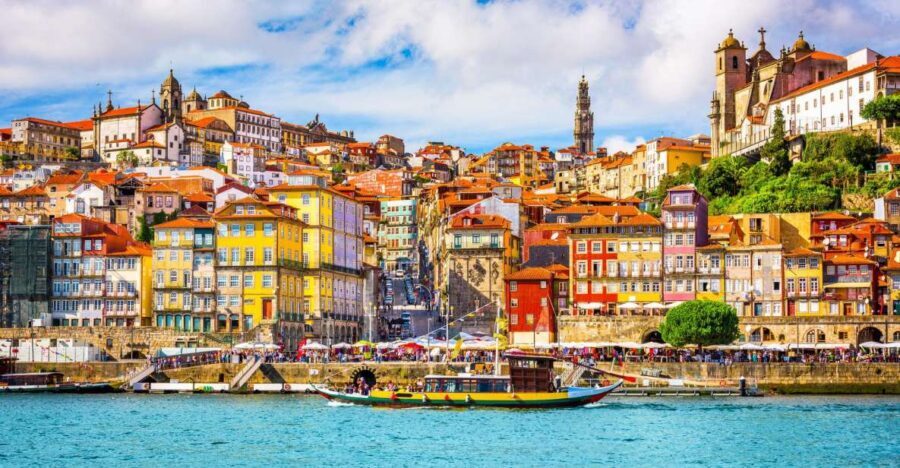
The cruise also works because someone else drives. From the boat, you’re free to look up at the bridges, track the river’s bends, and notice the details you would miss from the street. The route takes you along the city side and into views toward Gaia, so you see Porto’s waterfront and the famous riverfront opposite it without having to hop between viewpoints.
Finally, there’s the included tasting. This isn’t just wine handed to you with a shrug. Guides often explain what you’re tasting, then match it with small snack bites. Some of the guide names I saw people mention include Alfonso, Fabio, Angelo, Marcello, María, Juan, Ricardo, Duarte, and Antonio—so you can expect friendly, story-forward hosting rather than silent sightseeing.
Getting There: Finding Boating Porto at Marina do Freixo
Your meeting point is Boating Porto at Marina do Freixo, on N108 in Porto. It’s set up near public transportation, which helps. Still, one practical tip: give yourself a little extra time to locate the exact spot. People have noted it’s not the easiest pick-up point at a glance, even though it’s worth the effort once you’re there.
Once you’re aboard, you’re on a small craft with a two-person crew setup—one captain handling the boat and a guide sharing stories. That matters for the vibe. The guide can focus on you, while the captain handles safe, smooth sailing along the river.
Also note the basics: this experience runs in English, uses a mobile ticket, and goes from the meeting point and back again.
The Douro River Stops That Actually Mean Something
This cruise is built around short visual “chapters,” so you’re not stuck listening nonstop. You’ll start on the water where the Douro—described as made of gold—beats with the city’s energy. It’s a good warm-up. You get oriented quickly, and you can start matching what you see from the river to what Porto looks like on land.
From there, the stops shift to Porto’s structure: the river’s edge, the bridges, and the historic core. That’s where the guiding style shows up. You’re not just getting names thrown at you. You’re getting context so the scenes make sense as part of a living city.
One thing I like about this format: you don’t have to “finish” a tour museum-style. You can enjoy the ride while still learning enough to make Porto feel less like a blur.
Oldest Bridge First: How You Get Your Bearings in Porto
You’ll make an early stop by Porto’s oldest bridge, with details worth looking at as the boat positions for viewing. This is a smart opener. Before you get to the biggest photo moments, you learn how the bridges connect the river, the neighborhoods, and the movement of people over time.
Why this is a win for you: it sets your mental map. Once you understand where you are in relation to the river crossings, later stops like Dom Luís I land with more meaning. Even if you’re only in Porto for a day, this sequence helps you feel oriented by the end of the cruise.
And since you’re on the water, the angle makes the bridge details feel closer. You can spot the shapes and structure in a way that street-level viewpoints don’t always allow.
Dom Luís I Bridge and Porto’s Medieval Core: Seeing the City’s Center From the River
Next comes one of Porto’s signature icons: Dom Luís I Bridge, dating to 1881 and still in use today. From the river, it’s not just a landmark—it’s a working connector. You see how it frames the city and how it visually ties Porto to Gaia across the water.
After that, you’re in the historic district territory, with medieval-style streets and major landmarks called out. The guide points toward spots like the São Francisco Church, and you get a real sense of why Porto’s older center feels layered instead of just old.
A practical takeaway: if you plan to walk the historic district afterward, this stop helps you decide where to go first. You’ll have a better sense of what’s nearby and what’s visually connected, so you don’t burn time bouncing around without direction.
If you care about architecture and city design, you’ll likely enjoy how the boat angle shows the relationship between the river and the stone buildings.
C de Gaia Quick Stop: Port Wine Cellars and Skyline Photos
Across the river is where C de Gaia comes in, famous for the port wine cellars and known for great waterfront views back toward Porto. This stop is short, but it’s built for two things: a quick taste of the Gaia side and an easy photo window.
This is also where you may notice how the river works like a divider and a connector at the same time. Porto’s stone facades face Gaia’s cellar areas, and from the boat you can see how that trade-and-storage world grew up right on the water.
It’s a good moment to reset your brain. After the bridge and historic core focus, Gaia’s waterfront gives you a different flavor—more maritime function than medieval street maze.
The Former Customs Building Stop: Porto’s Maritime Work Lived Here
You’ll also pause near a historic riverside building that used to handle customs duties and now serves as a cultural and event space. From the river, it’s an easy way to connect the wine economy to Porto’s day-to-day movement.
Even if you’re not a “history person,” this stop helps explain why Porto looks the way it does. Ports and trade leave physical clues. They shape roads, warehouses, river access, and the whole rhythm of what gets built near the water.
In other words, this stop turns wine-tasting from a treat into a story you can picture.
Glass Gazebo in the Gardens and the 1963 Arch Bridge Photo Moment
Later in the cruise, the route shifts toward a stunning 19th-century gazebo with a glass structure, set in gardens with panoramic views over the Douro River and the city. It’s the kind of stop that makes you slow down. The angle from the water gives you a layered view: gardens, river, city buildings, and bridge lines in one frame.
Then, there’s the iconic arch bridge completed in 1963, connecting Porto and Vila Nova de Gaia. It’s a major transportation route and, practically, a top photo spot—especially if your timing lines up with softer light.
If you’re the type who likes photos but gets annoyed by long walks and steep stairs, this is where you’ll feel glad you picked a boat. You get scenic angles without hiking to them.
The Port Wine and Snacks: What You’ll Actually Taste
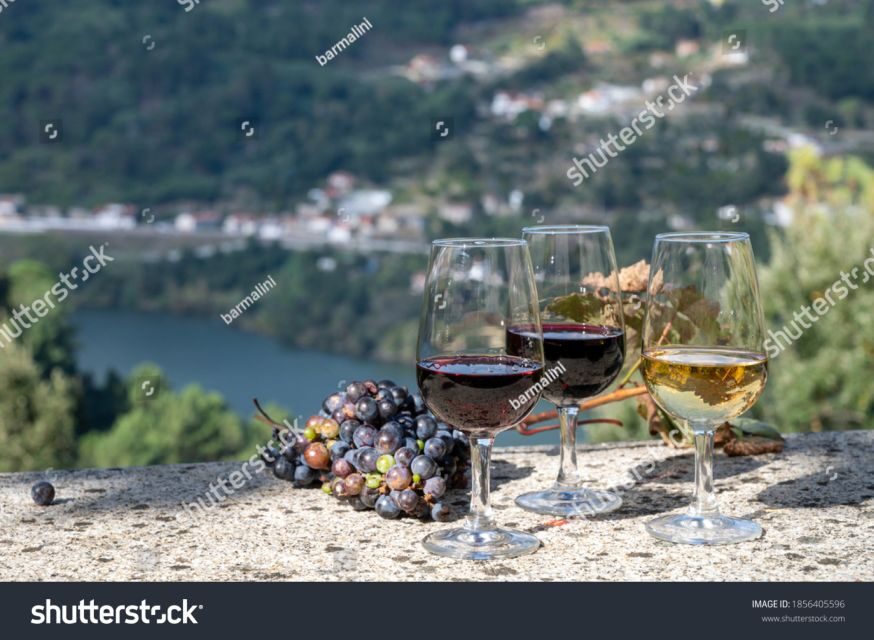
This tour includes Port wine and snacks, and the tasting experience is one of the big reasons people rate it so high. Expect a mix that can include Vinho Verde plus different port styles such as white port and red port. The guide typically explains what you’re drinking, and it’s paired with small bites.
Snack items described include things like local almonds, dried figs, and small amounts of dark chocolate. That sounds simple, but it works well because the bites match the wine’s sweetness and weight.
Two practical notes from real experience you should care about:
- Snacks are not a full meal. Eat beforehand if you’re likely to get hungry.
- Water may not be automatically offered in every situation, so if you want it, ask.
Also, some cruises are described as generous with wine pours. Still, go in knowing this is tasting-size, not a party bus. You’ll enjoy it more if you pace yourself and keep your eyes on the views.
Crew, Stories, and the Fun Factor (Beyond Just Wine)
This is where the small-group format pays off again. Guides often sound like they’re hosting, not reciting. People mention guides being funny, friendly, and highly engaged, with stories that connect the bridges and neighborhoods to how Porto and Gaia developed.
A few extras show up too:
- Some guides use small games during the cruise.
- The crew may help take photos for you.
- You’ll get time to chat with other passengers because the group isn’t huge.
If you want a tour where you can relax and still feel like you learned something real, this format fits. You’re not trapped at a rigid pace or stuck listening without breaks.
Weather and Comfort: What to Plan for a Two-Hour Cruise
The experience requires good weather, and if it’s canceled due to poor conditions, you’ll be offered another date or a full refund. That matters because this is a river activity, not a fully enclosed museum.
If rain is in the forecast, don’t assume it’s a write-off automatically. Some people have done it in bad weather and still had a blast, but you should still pack for comfort: a light layer, something rain-resistant, and shoes that work if the deck is slick.
Also remember it’s only about two hours. Short trip means you can dress for the elements without feeling stuck on a long outdoor day.
Price and Value: Is $48.37 a Fair Deal for Two Hours?
At $48.37 per person for about two hours, the value comes from what’s included and how it’s delivered. You’re paying for:
- a small-group cruise experience
- scenic river access to Porto and Gaia
- Port wine tastings plus snacks
- guide commentary that makes the views click
If you compare this to big public boat rides where you might get almost no guiding and no meaningful tastings, this starts to feel like the better use of your time. It’s also often booked fairly ahead of time (people commonly reserve about 18 days in advance), which tells you it fills up when the weather looks good.
This isn’t the cheapest way to be on the water. But it’s one of the better ways to turn that water time into something tangible: wine, stories, and views that actually add up.
Who Should Book This, and Who Might Skip It
This tour is ideal if you want:
- a relaxed 2-hour outing instead of a full day plan
- small-group attention and a real chance to ask questions
- included wine tasting with snack pairings
- bridge-heavy sightseeing that doesn’t involve lots of walking
You might consider skipping if:
- you strongly prefer long, structured tastings like you’d get in dedicated cellar tours
- you get uncomfortable outdoors and don’t like weather uncertainty
- you really need onboard bathroom access, since there’s no toilet
If you’re traveling solo, this also makes sense. The group size helps you feel included rather than floating alone.
Should You Book This Douro River Cruise With Port Wine and Snacks?
My take: yes, it’s a smart move for most visitors, especially if you want Porto and Gaia in one shot with zero guesswork. The small group makes a difference, the tastings are part of why you’re here, and the bridge-and-riverside stops hit the things you’ll otherwise struggle to see in a short time.
If you can only do one boat experience in Porto, this is a strong candidate. If you’re the type who enjoys learning a little history while you relax, you’ll appreciate the guide’s storytelling approach and the practical photo moments along the way.
FAQ
How long is the Douro River boat cruise?
The cruise runs about 2 hours.
How many people are on the boat?
The experience is limited to a maximum of 8 travelers.
What language is the tour offered in?
It’s offered in English.
Is a mobile ticket used?
Yes, it uses a mobile ticket.
Are Port wine and snacks included?
Yes, Port wine and snacks are part of the experience.
Is there a toilet on board?
No, there is no toilet on board.